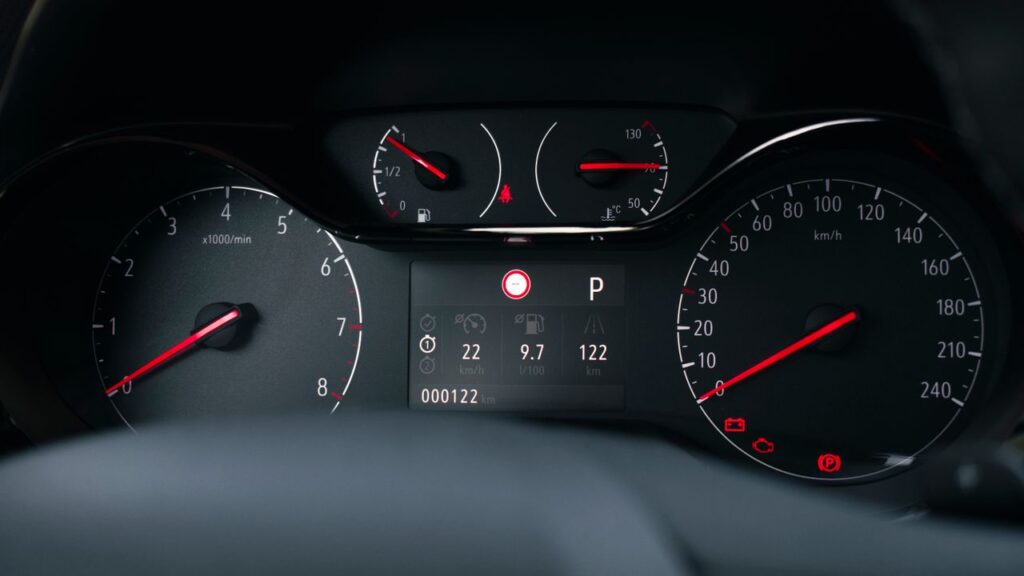
Seeing the ABS light on usually means your car has switched off its anti-lock braking feature because it found a fault. Your normal brakes typically still work, but the system that stops the wheels locking in a hard stop does not.
That makes it a “get it checked soon” light. The exception is when the red brake warning light comes on with it.
Quick answer
Is it safe to drive with the ABS light on?
Usually yes, carefully and for a short time. Normal braking typically still works, but the wheels can lock and skid in a hard stop, especially on wet or icy roads. If the red brake warning light is also on, or the pedal feels soft or low, stop driving and call a shop.

What ABS Does and Why the Light Comes On
The anti-lock braking system (ABS) watches how fast each wheel turns. A wheel speed sensor at each corner reads a toothed tone ring that spins with the wheel. If one wheel slows much faster than the others in a hard stop, the ABS module pulses brake pressure to that wheel so you can keep steering.
The light glows briefly at every start during a self-check. If the module then sees a missing signal, a bad circuit or low voltage, it stores a code, keeps the light on and turns anti-lock off. Traction control lights often come on too, since they share the same signals.
ABS Light vs Red Brake Warning Light
Which light is lit tells you whether to drive in or stay parked.
| Warning light | What it usually means | What to do |
|---|---|---|
| Amber “ABS” light only | Anti-lock is off; normal brakes typically still work | Drive gently and book a diagnosis soon |
| Red “BRAKE” or “!” light only | Parking brake on, low brake fluid or a hydraulic problem | Release the parking brake, check the fluid; don’t drive if it stays on |
| ABS and red brake light together | A fault that can affect normal braking too | Stop driving and call a shop |
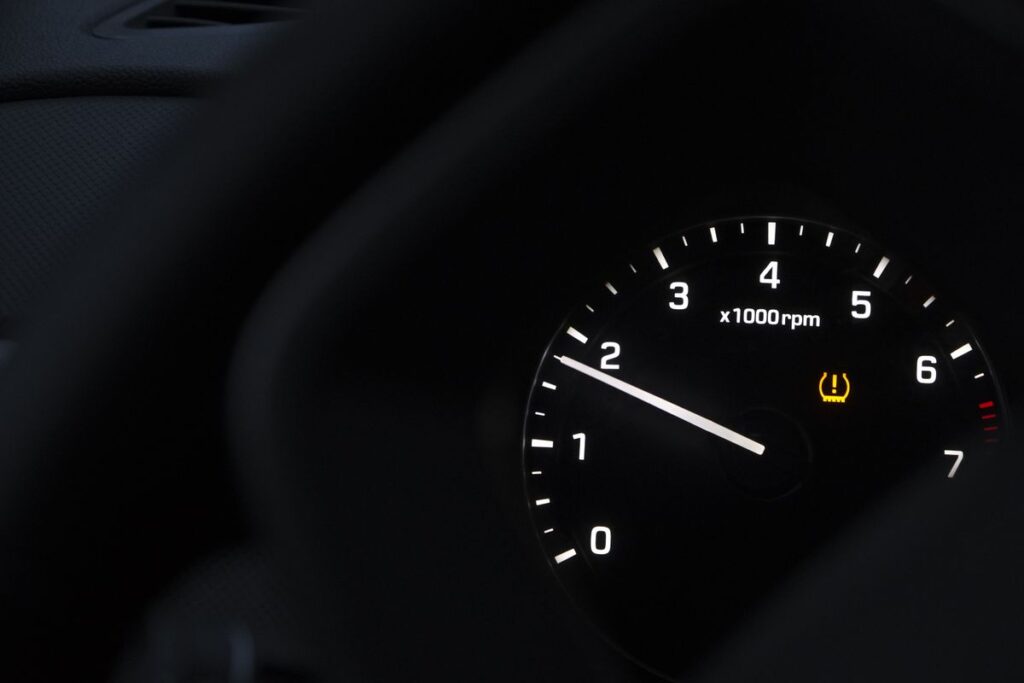
Common Causes of an ABS Light On
Most ABS faults start at the wheels, in the spray of water, salt and grit.
1. A Failed Wheel Speed Sensor
The sensor is a small magnetic pickup set close to the tone ring. It can fail internally, crack, or collect metallic debris. A single bad sensor is one of the most common reasons for the light.
2. A Rusted Tone Ring or Rust Jacking
The tone ring can crack or swell with rust. On many cars it is built into the wheel bearing hub, with the sensor bolted into the outside. Rust under the sensor pushes it outward until the signal drops out. This is called rust jacking, and it is a real problem on salted Michigan roads.

Because the ring often lives in the hub, a worn bearing can upset the signal too. If you also hear a hum that rises with speed, read our guide to wheel bearing noise symptoms and what they mean.
3. Damaged Wiring or Connectors
Each sensor wire flexes as the wheel moves, so it can chafe or crack, and salt water corrodes the connectors. Wiring faults often make the light come and go over bumps or in wet weather.
4. Low Brake Fluid
The ABS shares the fluid in the master cylinder reservoir. When the level drops, some cars light the ABS light, the red brake light or both. Fluid falls slowly as pads wear, but a sudden drop points to a leak.
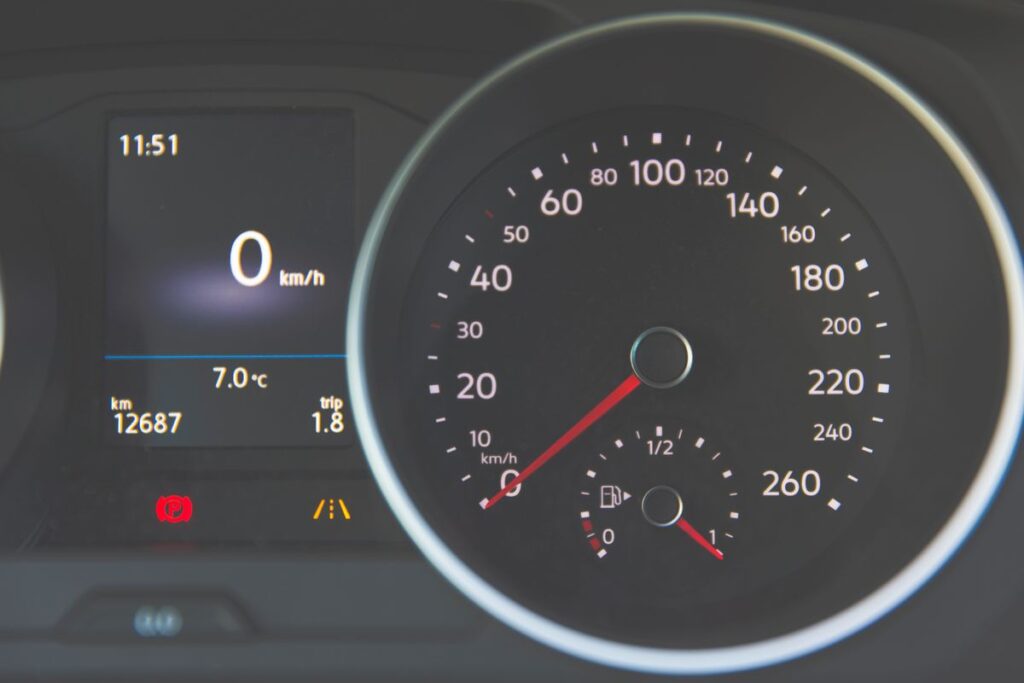
Old, wet fluid can also corrode the ABS unit. Our article on how often to change brake fluid explains typical intervals. If the level is low because your pads are thin, see the signs you need new brakes.
5. ABS Module or Pump Faults
The ABS module and its hydraulic pump and valves can fail too. They are less common than sensor faults, so confirm them by testing before replacing anything.
6. A Blown Fuse or Low Voltage
A blown ABS fuse turns the system off completely. A weak battery or charging problem can also set ABS codes, because the module needs steady voltage.
ABS Light Causes Compared by Urgency
Use this as a rough guide. Only an ABS code read and testing can confirm the cause.
| Likely cause | Typical clue | How urgent |
|---|---|---|
| Low fluid or a leak | Red brake light too, soft or low pedal, wet spot near a wheel | High Stop driving and call a shop |
| ABS module or pump fault | Light on at every start, often with traction control lights | Soon Get it checked within days |
| Wheel speed sensor or tone ring | Light comes on once moving, ABS buzzes at low speed | Soon Get it checked within days |
| Wiring or connector damage | Light flickers on and off over bumps or in rain | Moderate Book a diagnosis in the next week or two |
| Blown fuse or weak battery | Light came on after a jump start or slow cranking | Moderate Book a diagnosis in the next week or two |
Is It Safe to Drive With the ABS Light On?
With only the amber light lit and a firm pedal, most cars brake normally. What you lose is protection in a panic stop, when locked wheels can stop you steering around something.
Until it is fixed:
- Leave a bigger gap to the car ahead.
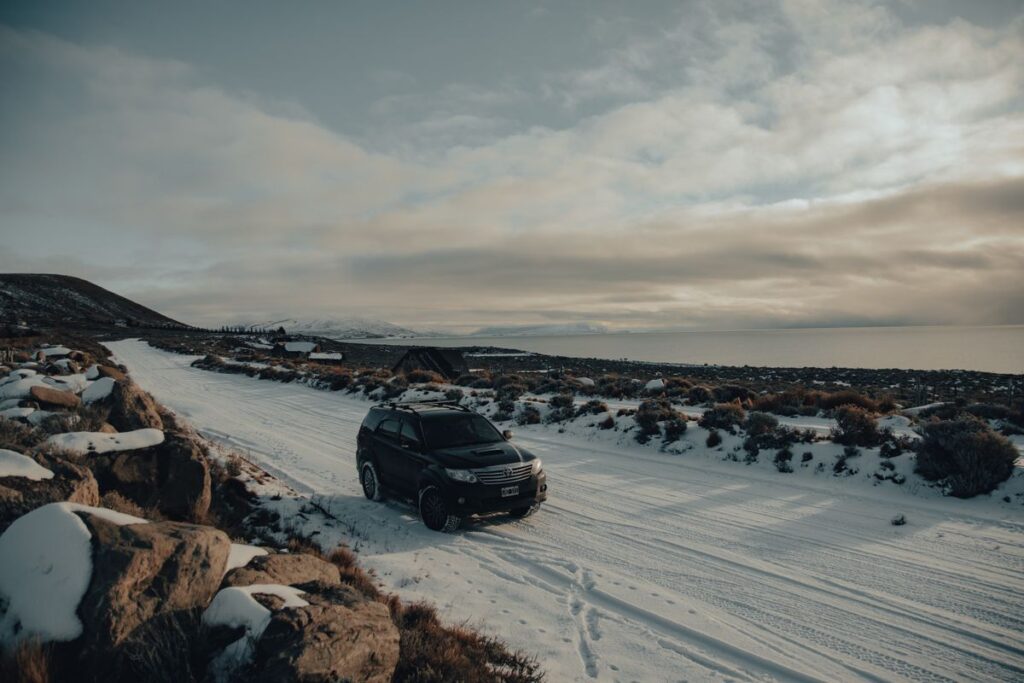
- Brake earlier and more gently, especially in rain and snow.
- Expect traction and stability control to be off as well.
- Stop driving if the red brake light comes on or the pedal sinks.
In a West Michigan winter, putting the repair off until spring means a season of icy stops without anti-lock brakes.
What You Can Check Yourself
- Restart the car. If the light stays off, it may have been a glitch. If it returns, the fault is still there.
- Check the brake fluid level with the engine off. Low fluid has a cause, so don’t just top it up.
- Check the ABS fuses using the chart in your owner’s manual.
- Think back: a light that appears after a wheel bearing or brake job often means a disturbed sensor or connector.
Salt also attacks brake lines, so look for wet spots. See our guide to brake line rust in Michigan winters.
How We Diagnose an ABS Light
Reading ABS codes takes a scanner that talks to the ABS module. Many basic code readers only read engine codes. The code points to a corner or circuit, not straight to a part.
Then we watch live wheel speed data and test the sensor circuit, ring and wiring. As suspension parts maker Mevotech notes in its guide to ABS diagnosis, a stored code only points to the area of the fault, which could be the sensor, its wiring, the tone ring or a worn bearing.
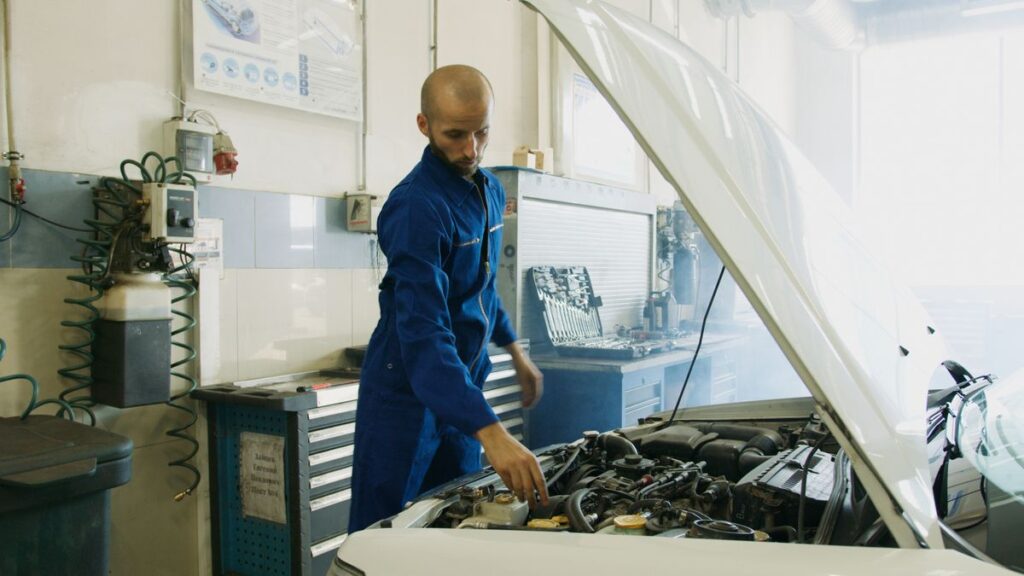
Our brake repair in Grand Rapids includes ABS warning light diagnosis on foreign and domestic vehicles. Hendrick Hoffman, our owner and head mechanic, is ASE and State of Michigan certified in brakes and electrical. If a hub is at fault, see our wheel bearing replacement in Grand Rapids.
Frequently Asked Questions
Can low brake fluid cause the ABS light to come on?
Yes, on some cars, often together with the red brake light. Low fluid usually means worn pads or a leak, so have it checked.
Will the ABS light go off by itself?
Sometimes, after a brief glitch or an intermittent wiring fault. If it keeps coming back, the cause is still there.
Can a bad wheel bearing cause the ABS light?
Yes. On many cars the tone ring is built into the wheel bearing hub, so a worn bearing or rusted ring can disturb the wheel speed signal and set an ABS code.
What does it mean when the ABS and brake lights are both on?
It can mean a fault that affects normal braking as well as anti-lock, such as low fluid. Stop driving and have the car checked.
Need brake repair in Grand Rapids? Call 456 AutoFix at 616-279-3832, Monday to Friday 8am to 5pm, or book through our contact page.
Can’t make it during the day? Use our after-hours drop-off. We’re at 456 Carrier St NE in Creston.