
If you drive an import, you already know the feeling: a warning light comes on and you wonder whether a general shop will know what it’s looking at. At 456 AutoFix, our shop on Carrier St NE in Creston works on foreign and domestic vehicles every week. Here is what makes imports different and how to choose who works on yours.
Quick answer
How do I choose a shop for foreign car repair in Grand Rapids?
For foreign car repair in Grand Rapids, choose a shop that uses the fluids and oil approvals your manual lists, has scan tools that can read and code import modules, and follows factory scheduled maintenance. 456 AutoFix in Creston services foreign and domestic vehicles, with an owner who is Audi factory trained and ASE certified.

Why Foreign and European Cars Need the Right Knowledge
Most cars share the same basics: brakes, suspension, cooling and an engine computer. The differences show up in the details. European vehicles in particular are built around tight specifications, and small shortcuts can turn into expensive problems later.
Specified fluids and oil approvals
Many European manufacturers publish their own oil approvals, shown as a code on the bottle and in your owner’s manual. An oil can carry the right viscosity, such as 5W-30, and still not meet the approval your engine calls for. Some approvals are written for engines with particulate filters or long drain intervals.
The same applies to coolant, brake fluid and transmission fluid. Mixing the wrong coolant type can cause deposits, and the wrong fluid can wear seals. The rule is simple: match the specification in the manual, not just the label.
Scan tools, coding and electronics
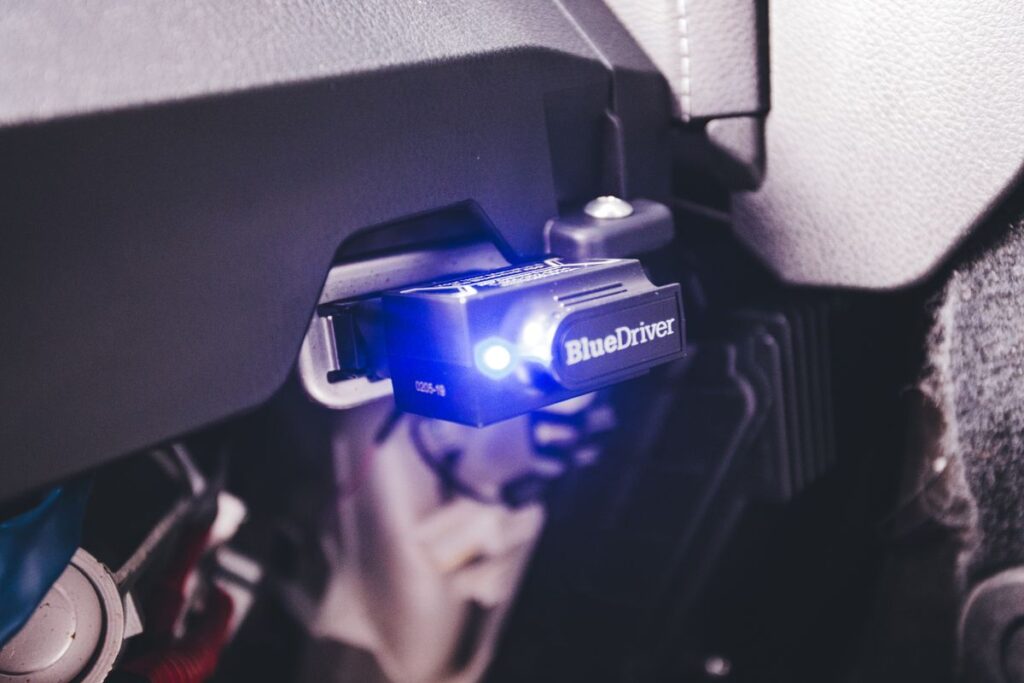
A basic code reader can show a generic check engine code, but imports often store detailed fault codes in other control modules. Some newer European cars also need a replacement battery registered so the charging system adjusts correctly. Certain parts need to be coded or adapted after installation.
That’s why our auto repair services in Grand Rapids include body and engine electronics, not just check engine light diagnosis. Reading the right module saves guesswork and parts.
Service intervals
Imports often use longer oil change intervals and condition-based service reminders. Those intervals assume the correct oil and normal driving. Short trips, cold starts and stop-and-go traffic count as harder use, so check your owner’s manual for the severe-service schedule.
Foreign vs Domestic Vehicles: What’s Actually Different
A foreign car isn’t harder to fix by default. It just tends to ask for more specific fluids, tools and information. Here is how the two typically compare.
| Area | Many foreign and European vehicles | Many domestic vehicles |
|---|---|---|
| Engine oil | Manufacturer approval codes on top of viscosity | Industry standard ratings, sometimes a maker spec |
| Diagnostics | Detailed codes in many modules, coding after some repairs | Wide generic scan tool coverage |
| Maintenance | Longer intervals, service reminders in the dash | Fixed mileage schedules are common |
| Parts | Fewer local stocking options for some models | Parts widely stocked locally |
Parts Quality: OEM, OE and Aftermarket
Parts terms get used loosely, so it helps to know what each one usually means. Quality matters more on imports because suspension, brake and sensor parts are often tuned closely to the car.
| Part type | What it usually means | What to keep in mind |
|---|---|---|
| OEM (genuine) | Sold in the carmaker’s packaging, usually through dealers | Exact match, typically the highest cost |
| OE supplier | Made by the company that supplies the factory, in its own box | Often the same part without the carmaker’s logo |
| Aftermarket | Made by other companies to fit many vehicles | Quality ranges from excellent to poor, brand matters |
Whoever repairs your car, it’s fair to ask which type of part is going in and why. A good shop will explain the choice in plain terms.
What We Service on Foreign and Domestic Vehicles
Our shop handles the repairs and maintenance import owners need most often:
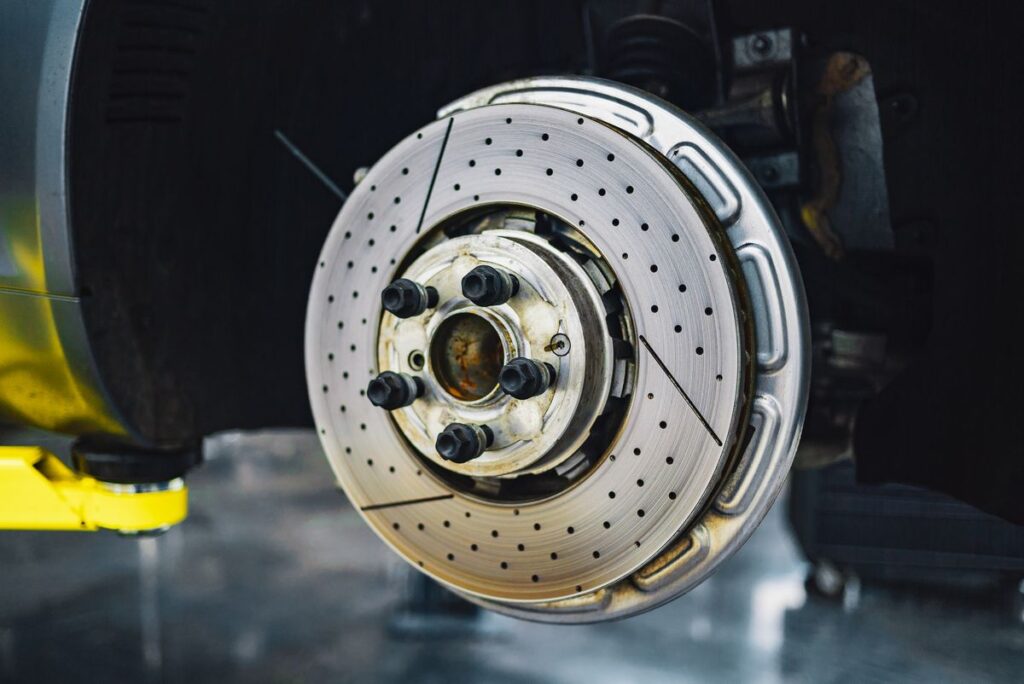
- Brakes, suspension, steering and wheel bearings
- Timing belts and chains
- Heating and air conditioning
- Check engine lights, plus body and engine electronics
- Oil changes, maintenance and factory scheduled maintenance
- Exhaust systems and mufflers
- Pre-purchase inspections
Climate control is a common complaint on imports after a few Michigan winters. If your vents feel weak or warm, see our car AC and heating repair in Grand Rapids. If the cabin won’t warm up, our guide on a car heater blowing cold air walks through the usual causes.

Our Audi Specialty
Audi is where our owner, Hendrick Hoffman, has spent much of his career. He is Audi factory trained with eight years’ focus on Audi and foreign cars. For model-specific details, visit our page on Audi repair and maintenance in Grand Rapids.
Dealer vs Independent Shop for Foreign Car Repair in Grand Rapids
Both can do good work. The right choice depends on the job, your car’s age and how you like to be treated as a customer.
| Factor | Dealer service department | Independent import shop |
|---|---|---|
| Recalls and factory warranty claims | Handled by the dealer | Not handled, go to the dealer |
| Maintenance and wear repairs | Yes, usually at dealer rates | Yes, often at lower labor rates |
| Who you talk to | Usually a service advisor | Often the mechanic doing the work |
| Older and high-mileage cars | Varies by dealer | Often a core part of the business |
Recalls and covered warranty repairs belong at the dealer. For routine maintenance and out-of-warranty repairs, many import owners prefer an independent shop where they can talk directly with the person working on their car.
West Michigan Conditions Are Hard on Imports
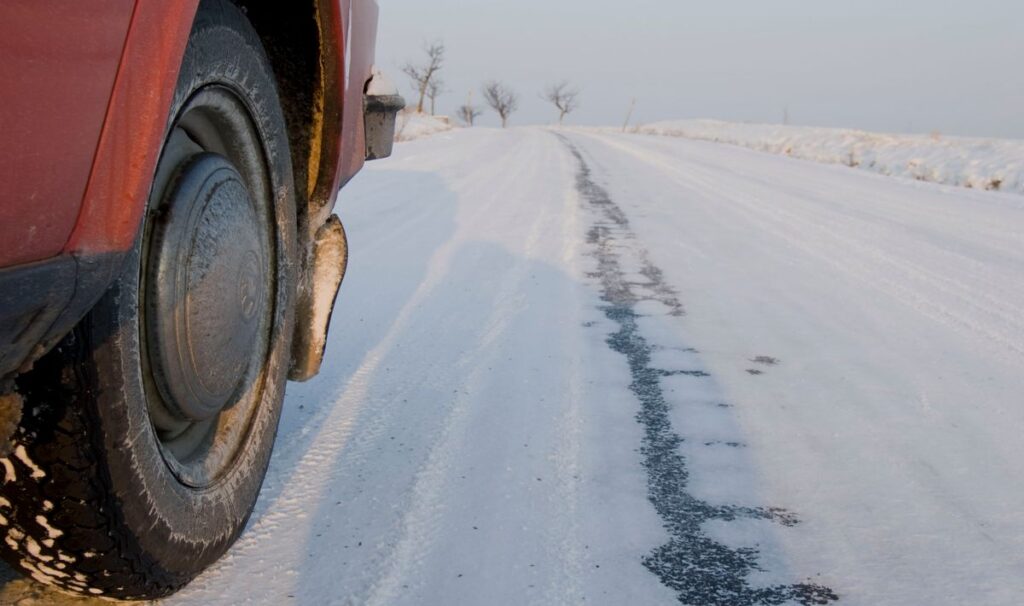
Road salt eats at brake lines, exhaust parts and suspension hardware. Freeze-thaw potholes knock alignment out and wear control arm bushings, which many European cars use in large numbers. Cold starts stress batteries and thicken oil, which is one more reason the correct oil approval matters here.
A fall check of the battery, brakes, coolant and tires catches most of these problems before the first real snow.
Why Drivers Choose 456 AutoFix
We opened in 2019 with a simple mission: quality, professional repair at affordable prices, and helping you understand your car well enough to keep it running longer. Hendrick has worked in automotive service since 2005 and graduated from Universal Technical Institute that year.
He is ASE and State of Michigan certified in brakes, steering and suspension, electrical, engine repair, engine tune-up, and heating and air conditioning. ASE’s certification overview, hosted by test center Miami Dade College, explains that it certifies individual technicians, who must pass a test and retest every five years. Read more about our owner and head mechanic Hendrick Hoffman, or see our 456 AutoFix CARFAX and BBB ratings on the homepage.

Related guides
Frequently Asked Questions
Can an independent shop work on my European car?
Yes. An independent shop with the right fluids, scan tools and service information can handle maintenance and most repairs. Recalls and covered factory warranty repairs still go to the dealer.
Can I use any synthetic oil in a foreign car?
Not always. Many European engines call for an oil with a specific manufacturer approval, not just the right viscosity. Check the approval code in your owner’s manual and on the bottle.
What’s the difference between OEM and OE parts?
OEM parts come in the carmaker’s packaging. OE supplier parts are usually made by the same company that supplies the factory, sold in that company’s own box. Aftermarket parts come from other makers and vary in quality.
Do you also work on domestic vehicles?
Yes. 456 AutoFix services foreign and domestic vehicles, so one shop can look after every car in your driveway.
Need foreign car repair in Grand Rapids? Call 456 AutoFix at 616-279-3832, Monday to Friday 8am to 5pm, or book through our contact page.
Can’t make it during the day? Use our after-hours drop-off. We’re at 456 Carrier St NE in Creston.