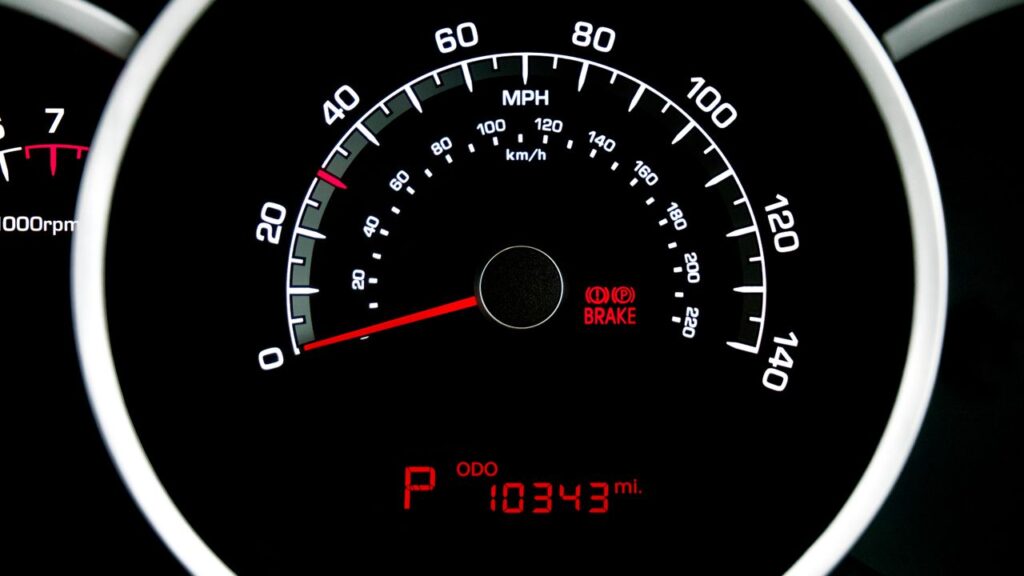
When your brake pedal goes to the floor, the hydraulic system has lost pressure or is losing it. The car should not be driven until the cause is found.
Here is what to do in the moment, then how to read the pattern you noticed, because how the pedal dropped points to the cause.
Quick answer
What should I do if my brake pedal goes to the floor?
Pump the pedal quickly, ease off the gas and shift to a lower gear, then apply the parking brake gradually and steer to a safe spot with your hazards on. Once stopped, don’t drive the car again. The usual causes are a fluid leak, a failing master cylinder, air in the lines or overheated fluid.

What to Do Right Now if the Pedal Drops While Driving
Work through these steps in order. Most cars have two separate brake circuits, so you may still have some braking even when the pedal feels wrong.
- Pump the pedal. Several fast, firm pumps can build back enough pressure to slow the car.
- Lift off the gas and downshift. Shift to a lower gear one step at a time, in an automatic or a manual, so the engine helps slow you. Don’t shift to neutral.
- Apply the parking brake gradually. Pull the lever or hold the electronic switch steadily rather than yanking it, so the rear wheels don’t lock and skid.
- Get off the road. Turn on your hazards, use the horn if you need to, and steer somewhere safe.
- Leave it parked. Don’t drive it; call us.
Why the Brake Pedal Goes to the Floor: Read the Pattern
A pedal that drops is a different symptom from one that simply feels a little soft. For the broader list of brake warning signs see our guide to the signs you need new brakes. Here we focus on the drop itself and what each pattern usually means.
It Sinks Slowly While You Hold It at a Light
The pedal feels firm at first, then creeps toward the floor under steady pressure. You find no puddle and the fluid level looks fine. This is the classic sign of a master cylinder leaking internally: worn piston seals let fluid slip past inside the unit, so pressure bleeds away without a drop reaching the ground.
Brake maker Wagner’s guide to the causes of spongy brakes explains that a worn master cylinder can leak internally past a damaged piston seal, letting the pedal sink to the floor. When we seal the master cylinder off from the rest of the system and the pedal still sinks, the problem is inside the master cylinder.
It Drops a Little When the Engine Starts
This one is usually normal. With the engine off, pump the pedal a few times and hold light pressure. When the engine starts, the brake booster gains vacuum and the pedal dips a short way, then stops.
That small dip means the booster is working. If the pedal keeps sinking after it, go back to the master cylinder pattern above.
It Went to the Floor After a Brake Job
A low pedal right after pads, calipers, hoses or a master cylinder were replaced usually means air in the lines. Air compresses where fluid doesn’t, so the pedal travels much farther before the brakes bite. The system needs a proper bleed before the car moves again.
It Goes Down and the Fluid Is Low or on the Ground
A low reservoir together with a dropping pedal means fluid is escaping. Look for wet spots near a wheel or a clear to amber, slightly oily puddle under the car. Common sources are a leaking caliper seal, a cracked hose or a rusted steel line that finally gave way.
Topping up the fluid does not fix a leak. It only refills the system so the leak can empty it again.
It Went Soft After Long Downhill Braking
Riding the brakes down a long hill can heat the fluid until moisture in it boils. Vapor bubbles act like air, and the pedal sinks. Old, water-laden fluid boils at a lower temperature, which is why our guide on how often to change brake fluid matters here. Pull over and let the brakes cool, then have the fluid and system checked before driving on.
Rare: An ABS Unit Fault
Occasionally a valve inside the ABS hydraulic unit sticks and lets fluid pass where it shouldn’t. This usually comes with a warning on the dash, so see our post on what it means when the ABS light is on.
Brake Pedal Patterns Compared by Cause and Urgency
Match what you felt to a row below. Only one pattern is normal.
| What the pedal does | Likely cause | How urgent |
|---|---|---|
| Goes to the floor with low fluid or a puddle | Leaking line, hose or caliper | High Don’t drive it; call us |
| Sinks slowly while held, no leak | Internal master cylinder bypass | High Don’t drive it; call us |
| Low or to the floor after a brake job | Air in the lines | High Have the system bled before driving |
| Soft and sinking after long downhill braking | Boiled brake fluid | High Stop, cool down, get it checked |
| Sinks with the ABS light on | ABS hydraulic unit fault | High Book an inspection right away |
| Dips a little at engine start, then holds | Normal brake booster assist | Low Normal, no action needed |
Safe Checks You Can Do While Parked
With the car parked on level ground and the engine off, these checks help you describe the problem. They don’t make it safe to drive.
- Reservoir level: the brake fluid reservoir sits near the back of the engine bay with MIN and MAX marks. Below MIN is a red flag.
- Under the car: look for wet spots behind the wheels and along the frame rails.
- Dash lights: note whether the red brake warning or the ABS light is on.
- Hold test: pump the pedal a few times, then hold firm pressure. A pedal that keeps creeping down is not normal.
Write down what you found and when the pedal dropped. That history helps the diagnosis.
Michigan Salt and Your Brake Lines
In West Michigan, the floor-pedal cause we worry about most is corrosion. Winter road salt eats steel brake lines from the outside. A line can weep slowly for weeks, then burst under a hard stop. Our guide to brake line rust and how to spot it explains what to look for.
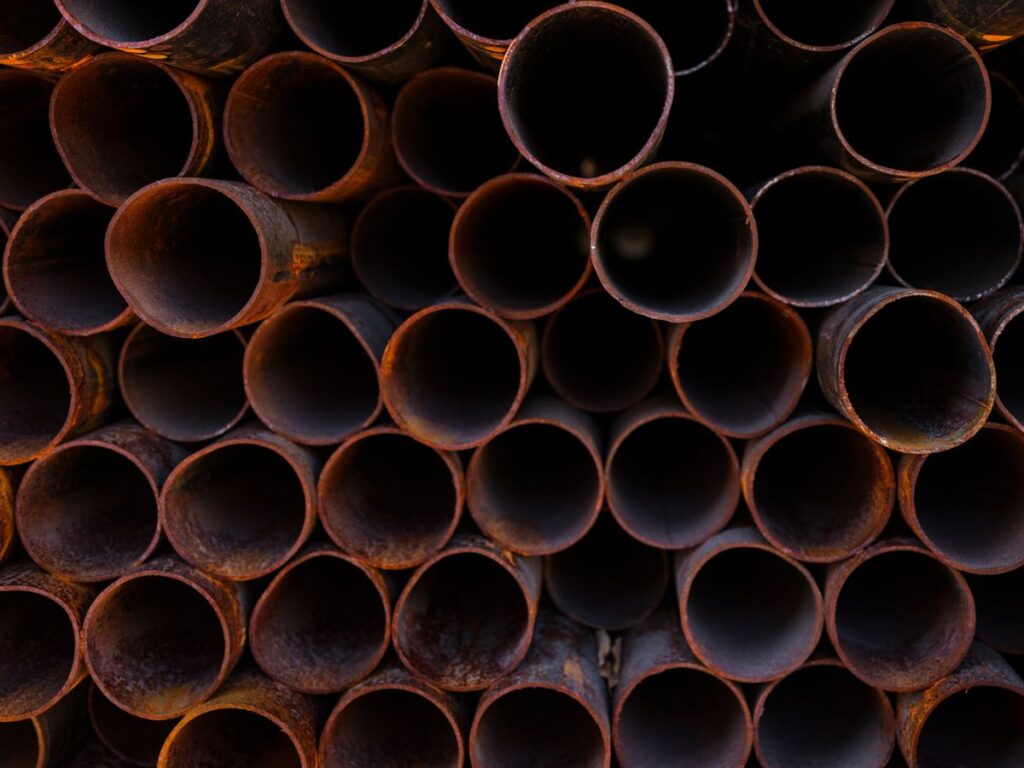
Salt also seizes caliper slides and pistons. A brake inspection each fall, before the salt trucks come out, catches corroded lines while they are still a planned repair.
Getting Your Brakes Fixed in Grand Rapids
A pedal that drops needs a real diagnosis, not a parts guess. A new master cylinder won’t fix a rusted line, and bleeding won’t fix a worn master cylinder. Our brake repair in Grand Rapids covers foreign and domestic vehicles, and Hendrick Hoffman, our owner and head mechanic, is ASE and State of Michigan certified in brakes.
Frequently Asked Questions
Can I drive if my brake pedal goes to the floor?
No. A pedal that drops means the brakes may not stop the car when you need them. Leave the car parked and have it inspected before it moves again.
Why does my brake pedal sink at a stop light with no leak?
The most common cause is a master cylinder leaking internally. Worn seals let fluid slip past inside the unit, so the pedal creeps down under steady pressure even though no fluid is lost.
Is it normal for the brake pedal to drop when I start the car?
A small dip at engine start is normal. The brake booster gains vacuum and adds assist. A pedal that keeps sinking after that dip is not normal.
Why did my brake pedal go to the floor after new brakes?
Usually air got into the system during the work, or the reservoir ran dry while bleeding. The brakes need to be bled properly before the car is driven.
Need brake repair in Grand Rapids? Call 456 AutoFix at 616-279-3832, Monday to Friday 8am to 5pm, or book through our contact page.
Can’t make it during the day? Use our after-hours drop-off. We’re at 456 Carrier St NE in Creston.