If your car shakes when braking, the vibration is telling you something specific. Where you feel it, how hard it shakes and when it started all point toward the part that is causing it.
Most of the time the cause is the brake rotors, but not always. Here is how to read the signs and how urgent each one is.
Quick answer
Why does my car shake when I brake?
The usual cause is uneven brake rotors: small differences in rotor thickness, or patches of pad material stuck to the rotor, make the pads grab and release as the wheel turns. A sticking caliper, worn suspension parts or a loose wheel bearing can cause or worsen it. Have it inspected soon, and right away if it is getting worse.

Where You Feel the Shake Matters
Notice where the vibration comes through. It is one of the most useful clues you can give a mechanic.
A Pulsing Brake Pedal
A pedal that pushes back against your foot in quick pulses means the pads are moving in and out as the rotor spins. That almost always means a rotor surface that is no longer even.
A Shaking Steering Wheel
If the steering wheel shimmies side to side as you slow down, the problem is usually on the front axle. Front rotors are the common cause, but worn tie rod ends, ball joints or control arm bushings let that vibration travel up the steering column and feel much stronger.
A Shudder Through the Seat or Whole Car
When the steering wheel stays steady but you feel a shudder through the seat or floor, the rear brakes are a likely suspect. Rear drum brakes that have gone out of round can do this too.
Common Reasons a Car Shakes When Braking
More than one of these can be present at once, which is why a full inspection beats guessing.
1. Uneven Rotors (Often Called “Warped”)
People say “warped rotors,” but true warping is rare. Brake maker Wagner explains that the real cause of most warped rotor complaints is disc thickness variation: the rotor is slightly thicker in some spots than others.
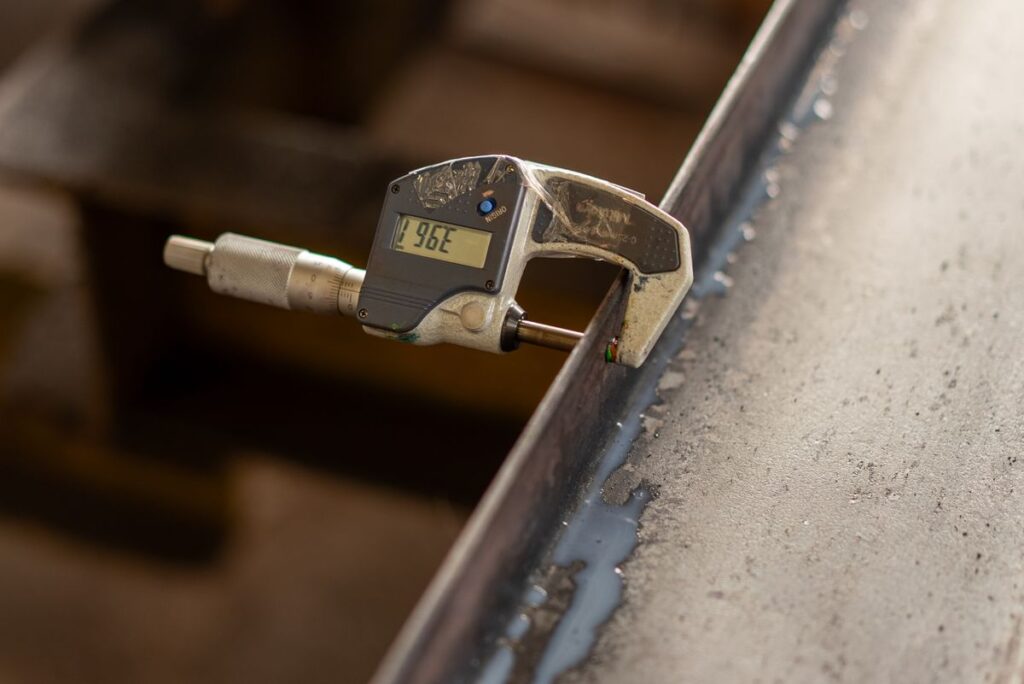
It usually starts with a tiny wobble, called runout, from a rusty hub face or uneven lug nut tightening. The pad brushes the high spot on every turn and slowly wears the rotor unevenly. According to pedal pulsation diagnostic tips from Know Your Parts, a difference thinner than a human hair is enough for you to feel.
2. Pad Material Deposits on the Rotor
After a hard stop, holding the pedal down with hot brakes can leave a patch of pad material printed on the rotor. The shake often shows up right after a long downhill or a panic stop.
3. A Sticking Caliper or Seized Slide Pins
A caliper that does not fully release keeps the pad dragging on the rotor. The extra heat builds uneven deposits and wear quickly, so the vibration tends to get worse week by week. Other clues are a pull to one side or a burning smell.
4. Worn Suspension and Steering Parts
Worn ball joints, tie rod ends, control arm bushings or struts allow play that turns a mild rotor pulse into a heavy shake.
5. A Loose or Worn Wheel Bearing
A bearing with play lets the hub and rotor wobble, which the pads feel on every revolution. A bearing usually hums or growls with speed too, which our guide to wheel bearing noise symptoms describes.
6. Things to Rule Out: Wheel Balance and Lug Nuts
An out-of-balance wheel or a damaged tire also shakes the steering wheel, but it does so at certain speeds whether you brake or not. If the shake is there while cruising, have a tire shop check balance first. Lug nuts tightened unevenly can distort the rotor, so they should always be torqued to spec in a star pattern.
Brake Shaking Symptoms, Likely Cause and How Urgent
Match what you feel below. Only an inspection with the wheels off confirms the cause.
| What you feel | Likely cause | How urgent |
|---|---|---|
| Shake plus a pull, burning smell or hot wheel | Sticking caliper or seized slide pins | High Get it checked right away |
| Heavy steering shake that is getting worse | Uneven front rotors plus worn suspension or bearing | High Book an inspection right away |
| Pulsing pedal or light steering shimmy | Rotor thickness variation or pad deposits | Soon Book an inspection this week |
| Seat or floor shudder, steering steady | Rear rotors or out-of-round drums | Soon Book an inspection this week |
| Shake returns soon after new rotors | Hub runout, rusty hub face or wheel bearing play | Moderate Have the hub and bearing measured |
| Shake at highway speed, braking or not | Wheel balance or tire problem | Low Have balance checked at a tire shop |
If your car also squeals, grinds or has a soft pedal, read our guide to the signs you need new brakes to see how those warnings rank.
Why West Michigan Roads Make It Worse
Road salt rusts bare rotor surfaces quickly. A car that sits for a week or two in winter can grow rust in patches, especially where the pads rest, and those patches wear unevenly once you drive again. Salt also seizes caliper slide pins and builds rust on hub faces, both of which lead to runout.
Freeze-thaw potholes add to it by knocking front-end parts loose. If you hit one hard and the shake started soon after, our article on pothole damage signs after a hard hit covers what else to check. Corrosion on steel lines is a separate safety issue, explained in our post on brake line rust from Michigan road salt.

Will New Pads Fix It? What a Proper Repair Looks Like
New pads alone will not stop the shake if the rotor surface is uneven. The usual fix is resurfacing or replacing the rotors, with new pads, and then finding why they went uneven.
A thorough check measures rotor thickness at several points and runout on the hub, cleans rust from the hub face, frees or replaces sticking calipers, and torques the wheels correctly. It also looks at suspension joints and bearing play. Our brake repair service in Grand Rapids covers rotors, pads and calipers on foreign and domestic vehicles.
If the inspection finds worn front-end parts, our suspension and steering repair in Grand Rapids and wheel bearing replacement in Grand Rapids handle those too. Hendrick Hoffman, our owner and head mechanic, is ASE and State of Michigan certified in brakes and in steering and suspension.
Frequently Asked Questions
Is it safe to drive if my car shakes when braking?
A mild pulse is not usually an emergency, but it means braking grip is uneven and it tends to get worse. Book an inspection soon. If the shake is severe, getting worse quickly, or comes with pulling, grinding or a burning smell, limit driving and have it checked right away.
Will new brake pads stop the shaking?
Usually not on their own. The shake comes from an uneven rotor surface, so the rotors need resurfacing or replacing along with the pads. The cause of the unevenness, such as a sticking caliper or hub runout, should be fixed too.
Can rotors be resurfaced instead of replaced?
Sometimes. If the rotor is still thicker than the minimum stamped on it after machining, resurfacing can remove the uneven spots. Thin, heavily rusted or cracked rotors need replacing.
Why does my steering wheel shake only when braking from highway speed?
Higher speeds spin the rotor faster and put more heat and force through the brakes, so small thickness differences in the front rotors become easy to feel. Worn front suspension parts make it stronger. If it shakes at speed without braking, check wheel balance first.
Need brake repair in Grand Rapids? Call 456 AutoFix at 616-279-3832, Monday to Friday 8am to 5pm, or book through our contact page.
Can’t make it during the day? Use our after-hours drop-off. We’re at 456 Carrier St NE in Creston.