
A steering wheel hard to turn means the steering assist, or a part the steering depends on, is not doing its job. Sometimes the cause is minor. Sometimes it can make the car hard to control.
The best clue is when it happens. Here is how to read the symptom and decide how quickly to act.
Quick answer
Why is my steering wheel hard to turn?
The usual causes are low power steering fluid from a leak, a failing pump or slipping belt, an electric power steering fault or low battery voltage, seized ball joints or tie rod ends, or a rusted steering shaft joint. Steering that suddenly goes heavy while driving, or comes with a warning light, needs attention right away.
When Is the Steering Wheel Hard to Turn?
Power steering gives the most help at low speed, so problems show up first in parking lots and driveways. Notice the pattern:
- Only at low speed or when parking: often weak assist, such as low fluid, a tired pump or an electric system short on voltage.
- Heavy at every speed: points to binding, such as a seized joint, a rusted steering shaft or a worn rack.
- Suddenly heavy while driving: the assist has dropped out, from a snapped belt or an electric power steering shutdown.
- Stiff for a minute on a cold morning: often thick fluid or a normal cold-start trait, but worth watching.
Common Causes of Heavy Steering
Older and many larger vehicles use hydraulic power steering with a belt-driven pump and fluid. Most newer cars use electric power steering, with a motor on the column or rack and no fluid at all.
1. Low Fluid, a Failing Pump or a Slipping Belt
On a hydraulic system, low fluid almost always means a leak. A worn pump or a glazed, slipping belt also cuts the assist, usually with a whine or squeal when you turn. Our guide to power steering whining noise and what causes it covers fluid checks, pump wear and belt problems in detail.
2. Electric Power Steering Fault
Electric systems use a torque sensor, a control module and a motor. When the module detects a fault, it can reduce or switch off the assist and light a steering warning on the dash. The wheel still turns, but it feels like a car with no power steering.
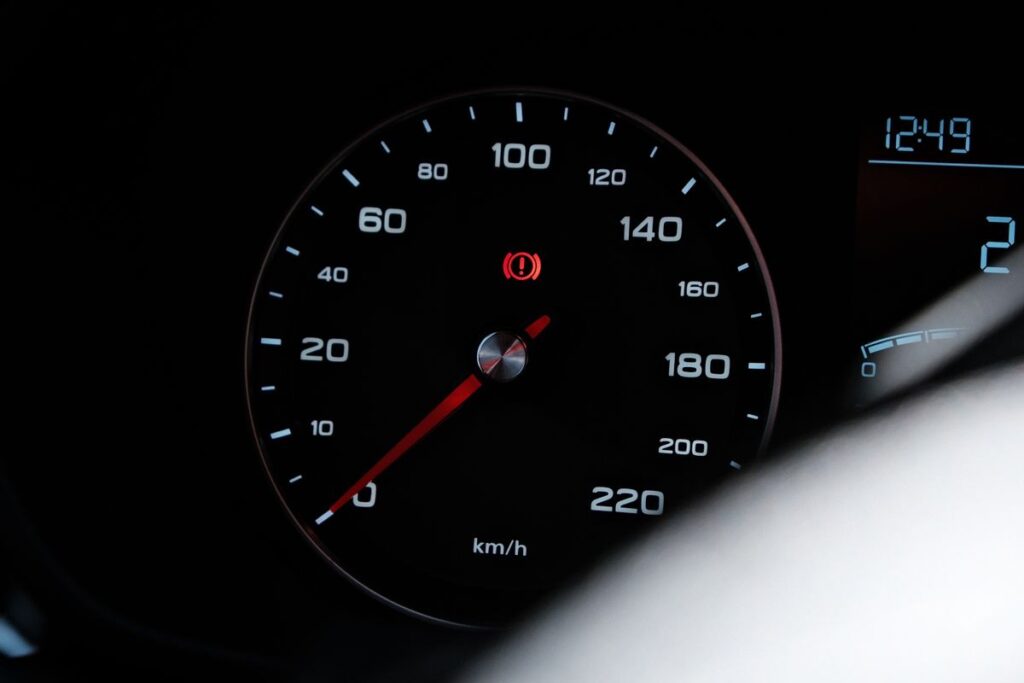
Some brief heaviness can be normal. Kia’s owner’s manual page on electric power steering, for example, notes that steering may feel heavy in cold temperatures and ease as things warm up. A warning light, though, means the system is not working normally.
3. Low Battery or Charging Voltage
Electric steering draws a lot of current at parking speeds. If the battery is weak or the alternator is failing, the system may cut assist to protect itself, and steering can feel odd right after a jump start. Heavy steering with dim lights or slow cranking points to the charging system, so see our post on bad alternator symptoms to watch for.
4. Seized Ball Joints or Tie Rod Ends
Ball joints and tie rod ends are the pivots your front wheels steer on. When their grease washes out and they rust, they can stiffen instead of loosening. Moog’s guide to symptoms of bad ball joints notes that wear can make steering either sloppy or stiff.
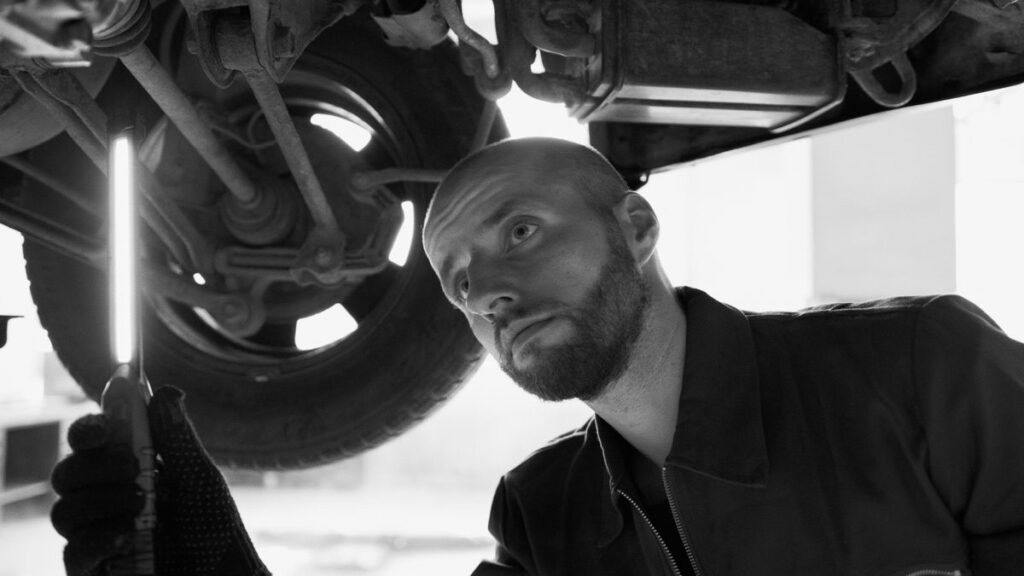
A binding joint often makes the wheel slow to return to center, sometimes with a creak or pop when turning. Worn joints that knock instead are covered in our guide to a clunking noise over bumps and its likely causes.
5. A Binding Steering Shaft U-Joint
A short shaft with small universal joints links the steering wheel to the rack. The lower joint sits low in the engine bay, where water and road salt reach it. Once it corrodes, effort rises, often most at low speed after a cold start, and the wheel can feel notchy at certain points.
6. A Worn Steering Rack
The rack turns your steering input into side-to-side movement of the tie rods. Internal wear can make it tight or heavier in one direction, often worse when cold.

Rule Out: Tire Pressure
Underinflated front tires make any car steer heavier. Check the pressures against the sticker in the driver’s door jamb first. If they are right and the steering is still heavy, the cause is elsewhere.
Hard Steering Causes Compared by Clue and Urgency
Use this table to narrow it down before an inspection confirms the cause.
| Likely cause | Typical clue | How urgent |
|---|---|---|
| Assist lost suddenly (snapped belt or EPS shutdown) | Wheel goes heavy while driving, often with a warning light or squeal | High Pull over safely and call us |
| Seized ball joint or tie rod end | Stiff at all speeds, poor return to center | High Book an inspection right away |
| Electric power steering fault | Steering warning light, heavy at low speed | High Book an inspection right away |
| Rusted steering shaft U-joint | Notchy spots, worse after a cold start | Soon Get it checked within days |
| Low fluid, worn pump or slipping belt | Heavy when parking, whine when turning, fluid spots | Soon Get it checked within days |
| Weak battery or charging system | Heavy steering with dim lights or slow cranking | Moderate Test the battery and charging soon |
| Low tire pressure | Heavy everywhere, tires look low | Low Set pressures, then recheck |
When to Stop Driving
Heavy steering slows your reaction in an emergency move. If the wheel suddenly gets heavy while you are moving, grip it firmly, slow down and pull over somewhere safe. You can still steer, but it takes more muscle.
Don’t keep driving, and call us, if you notice any of these:
- The steering catches or jumps at certain points
- A steering or battery warning light comes on with the heavy feel
- The wheel won’t return to center, or the car wanders
- A squeal, then heavy steering and a rising temperature gauge, which points to a snapped belt
Stiffness that lasts a few seconds on a cold start and then disappears is lower risk. Book a check if it lasts longer or gets worse.
Cold Michigan Mornings and Road Salt
Cold thickens power steering fluid and saps battery output, so a borderline pump or tired battery gets exposed on the first frosty Grand Rapids mornings.
Road salt is the slower threat. It gets into ball joints, tie rod ends and the lower steering shaft joint, and once rust starts, those parts stiffen. If the stiffness began after a deep pothole, read our guide to pothole damage signs to check after a hard hit.

A steering check and battery test are worth adding to your winter car maintenance checklist each fall.
Getting Your Steering Checked in Grand Rapids
A good diagnosis checks the assist, the charging voltage and every steering joint. Guessing gets costly, because a new pump won’t fix a seized ball joint. Our steering and suspension repair in Grand Rapids covers foreign and domestic vehicles, and Hendrick Hoffman, our owner and head mechanic, is ASE and State of Michigan certified in steering and suspension.
Frequently Asked Questions
Why is my steering heavy when the car is cold?
Cold thickens power steering fluid and lowers battery output. If the heaviness lasts beyond the first minute or gets worse, have it checked.
Is it safe to drive with a stiff steering wheel?
Brief stiffness on a cold start is usually low risk. Steering that goes heavy while driving, catches at certain points or comes with a warning light is not safe to keep driving.
Can a weak battery make steering hard to turn?
Yes, on cars with electric power steering. Low voltage from a weak battery or failing alternator can make the system cut back its assist, especially at parking speeds.
Can bad ball joints make steering stiff?
Yes. A ball joint that has lost its grease and rusted can bind, making steering stiff and slow to return to center. Have a binding joint inspected right away.
Need steering repair in Grand Rapids? Call 456 AutoFix at 616-279-3832, Monday to Friday 8am to 5pm, or book through our contact page.
Can’t make it during the day? Use our after-hours drop-off. We’re at 456 Carrier St NE in Creston.