
As an Amazon Associate, 456 AutoFix earns from qualifying purchases. Product links below go to Amazon, where you can confirm the right part for your vehicle.
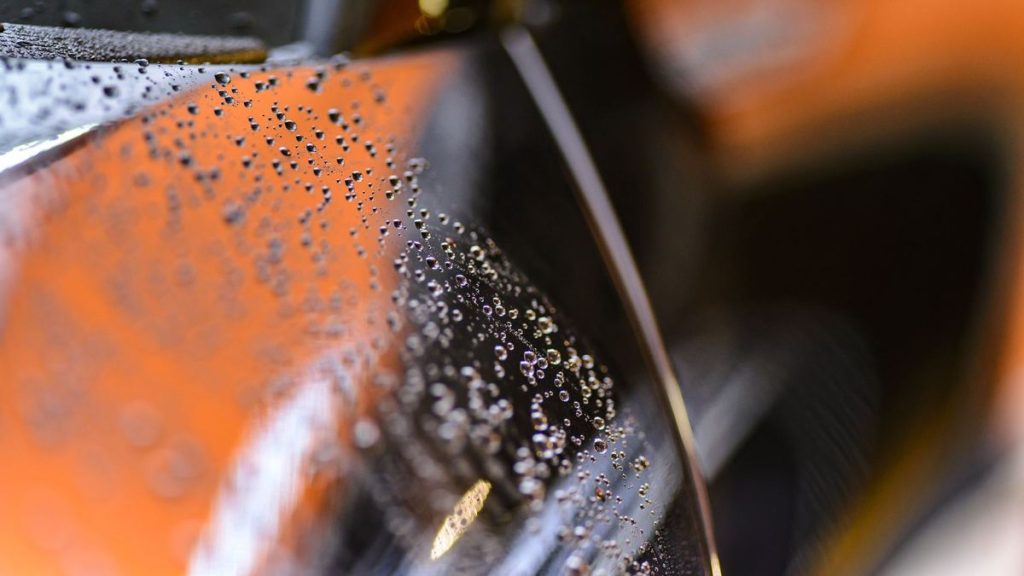
Park under a maple or a pine for one afternoon and you can come back to amber drops on the hood that a car wash will not budge. The best tree sap remover for cars softens those drops so they wipe away, instead of leaving you to pick at them with a fingernail and scuff the clear coat.
Below you will find how to tell sap from look-alikes, a safe routine and six products whose listings all name tree sap.
Quick answer
What removes tree sap from a car without hurting the paint?
A solvent remover made for automotive finishes, given time to soak in and wiped off with microfiber. Stoner Tarminator is a quick all-round choice, Nanoskin Tree Sap Remover handles aged sap on paint, glass and trim, and Griot’s Garage Tar and Sap Remover covers wheels and lower panels. Wash and wax the spot afterward.
Our Quick Picks
Three removers that cover most sap problems: a fast all-round can, a large bottle for aged sap on several surfaces and a citrus-based spray for wheels and lower panels. Three more are reviewed below.

Stoner Tarminator
Quick-acting solvent for fresh and hardened sap drops.

Nanoskin Tree Sap Remover
Sap-specific formula for stubborn drops across several surfaces.

Griot's Garage Tar and Sap Remover
Spray-on, wipe-off remover for sap, tar and grease.
Sap, Pine Pitch or Honeydew? Know What Is on the Paint
Not every sticky spot is sap. Real sap and pine pitch land as thick drops that harden into glassy beads on the roof, hood and windshield.
A fine, tacky mist across the whole car is usually honeydew. The UC Statewide IPM Program explains that aphids feeding on trees release this sugary liquid, and it often turns black as sooty mold grows on it. Honeydew is water soluble, so a thorough wash removes most of it, while hardened sap and pitch need a solvent.
Road tar on the lower doors is a separate job, covered in our bug and tar remover guide, though many sap removers cut tar too.
Picking a Sap Remover and Using It Safely
The best tree sap remover for cars is the one whose label approves every surface the sap touched. Compare these points:
- Listed surfaces: most are fine on clear coat and glass, but some exclude plastics, bare metal, paint protection film or vinyl wrap.
- Format: a trigger spray covers a hood full of drops quickly, while a gel clings to vertical panels and a pour bottle suits wiping from a cloth.
- Dwell time: products that say to let them sit for a minute or two are doing the work for you, which means less rubbing.
- Bottle size: a car parked under pines all summer can go through a small can quickly.
Work on a cool panel out of direct sun. Wash loose grit off first, apply the remover to the drop or to a folded microfiber towel, wait for it to soften, then lift the sap with light pressure.
Repeat rather than scrub if a bead is stubborn. Then wash the area and put wax or sealant back on, since these solvents strip protection too.
Best Tree Sap Remover for Cars: Six Products Reviewed
The six products below are all sold for sap removal on vehicles, but they differ in strength, size and approved surfaces, so match the listing to where the sap landed.
1. Stoner Car Care Tarminator 91154: 10 oz Tar and Sap Remover for Clear Coat
- Works on tar, tree sap and asphalt
- Penetrates in 30 to 60 seconds
- Listed safe on paint, clear coat and chrome
- Made in the USA
Stoner Car Care Tarminator is a solvent-based remover aimed at the sticky residues that ordinary car wash soap leaves behind. The listing names tar, tree sap and asphalt as its main targets, and says the formula breaks them down within 30 to 60 seconds of spraying. After that short wait, the residue should wipe away with a cloth instead of needing hard scrubbing, which is what causes most marring.
Stoner says the product is designed for modern finishes and is safe on paint, clear coats and chrome without dulling or discoloring them. It also loosens grease, road grime and adhesive residue from bumpers, wheels and body panels, so one can handles sap on the roof and the tar flecks behind the wheels. Because it strips contaminants that stop wax from bonding, it also works as a prep step before polishing or waxing.
The 10 oz size is right for occasional spot cleaning, such as a handful of drops after parking under a maple. A car that sits under pines all summer will use it up quickly, so a larger bottle may suit that situation better. Like any solvent, it removes wax where it touches, so plan to re-protect the area afterward.
View Stoner Tarminator on Amazon
2. Nanoskin Tree Sap Remover: 32 oz Cleaner for Paint, Glass and Trim
- Made for aged, hardened sap
- Safe on paint, clear coat, glass, plastic and trim
- Also lifts tar, bug residue and bee pollen
- Large 32 oz bottle
Nanoskin Tree Sap Remover is one of the few products here sold mainly as a sap remover rather than a general tar cleaner. The listing describes it as a fast-acting formula that penetrates and softens hardened, aged sap, which is the kind that has sat on a car for weeks and no longer smears when you touch it. It also lifts tar, bug residue, bee pollen, wax and silicone.
Nanoskin lists paint, clear coat, glass, plastic and trim as safe surfaces, and the product is also sold for marine finishes. That range matters, because sap rarely lands only on paint. Drops that hit the windshield, the black trim around it and the roof can all be treated with one bottle instead of switching products as you go.
Application is simple: put a small amount on a microfiber or terry towel and wipe the spot gently. For cured sap, Nanoskin says to let the product dwell briefly before wiping, and not to let it dry on the surface, so work one small area at a time in the shade. The 32 oz bottle suits owners who deal with sap regularly. Because it also removes wax, re-protect each treated spot when you finish.
View Nanoskin Tree Sap Remover on Amazon

3. Griot’s Garage 10873: 22 oz d-Limonene Tar and Sap Remover Spray
- d-Limonene blend for tar, grease and sap
- Clear coat, most plastics, wheels and chrome
- Dwell up to 2 minutes, then wipe
- Made in the USA, 22 oz
Griot’s Garage Tar and Sap Remover uses a d-Limonene blend, a citrus-derived solvent, to break down road tar, grease, asphalt and tree sap. The listing describes it as professional strength and says it wipes off without leaving residue behind, which saves a second cleaning pass before you wax. It comes in a 22 oz bottle and is made in the United States.
Griot’s lists clear coat, most plastics, wheels and chrome as safe surfaces and points to rocker panels, wheel wells, fenders and trim as typical problem areas. That makes it a good fit for the lower half of a vehicle, where sap mixes with road grime. The maker also mentions trucks, RVs, motorcycles and boats, so a single bottle can serve a whole driveway.
Use is spray on, let it work, wipe off: apply to a dry surface, allow it to dwell for up to two minutes, then wipe away with a microfiber towel. One clear limit is that Griot’s says it is not intended for paint protection film or vinyl wraps. If your hood wears PPF or the roof is wrapped, choose another product for those panels or ask your installer first.
View Griot's Garage Tar and Sap Remover on Amazon
4. Gliptone Sap Off: 16 oz Sap, Pine Tar and Bug Remover Spray

- Fresh and dried sap and pine tar
- Non-abrasive formula
- Clear coat, paint, glass, plastic, chrome and trim
- Trigger spray bottle
Gliptone Sap Off is a trigger spray aimed squarely at sap and pine tar, the sticky resin evergreens drop on cars parked beside them. The listing says it dissolves both fresh and dried-on sap and also loosens bug residue, so it can double as a summer front-end cleaner. Gliptone has made car care products since 1947 and describes its range as built for harsh coastal weather.
The formula is described as non-abrasive and safe on clear coat, automotive paint, glass, plastic, chrome and trim. That list covers nearly every exterior surface where sap lands, including headlight lenses and the plastic cowl panel at the base of the windshield. Gliptone says the product penetrates hardened buildup so it can be wiped away without scrubbing, which keeps the risk of fine scratches low.
The 16 oz trigger bottle makes it easy to target individual drops rather than soaking a whole panel. It is a sensible choice for owners who mostly face pine pitch, which tends to be thicker and harder than maple sap. As with the other solvents here, rinse or wash the area once the sap is gone, then reapply wax so the paint is not left bare.
View Gliptone Sap Off on Amazon
5. Torque Detail Sap Attack: 8 oz Tree Sap, Tar and Adhesive Remover

- Tree sap, tar, gum and asphalt
- Removes sticker and adhesive residue
- Not for raw aluminum, bare metal or plastic
- Use with nitrile gloves
Torque Detail Sap Attack is a small-bottle remover for the sticky residues that car wash soap cannot shift. The listing names tree sap, tar, gum, sticker residue and asphalt, so it also handles dealer decals, parking permits and old bumper stickers along with sap. The maker says it works quickly to dissolve these messes so they wipe away with a cloth or sponge.
This is a stronger solvent than some others here, and Torque Detail is clear about its limits. The listing says not to use it on raw aluminum or bare metal and that it does not recommend it for plastic, which rules out unpainted plastic trim and any raw aluminum or bare metal parts. It also advises wearing nitrile gloves while applying it, because the product is not kind to skin.
Used within those limits, Sap Attack suits painted panels with stubborn, old drops that milder cleaners leave behind. The 8 oz size is meant for spot work rather than whole-car cleaning. Apply it to the drop, give it a moment to soften the residue, wipe gently and then wash the panel. Re-wax afterward, since a solvent this capable will also remove protection from the paint.
View Torque Detail Sap Attack on Amazon
6. Goo Gone Automotive: 24 oz Spray Gel Adhesive and Sap Remover with Towel

- No-drip spray gel
- Tree sap, asphalt, gum and bird droppings
- Listed safe on metals, plastics and glass
- Microfiber buffing towel included
Goo Gone Automotive is a spray gel rather than a thin liquid, and the listing describes it as no-drip. That matters on doors, tailgates and glass, where a runny solvent slides away before it can soften anything. The gel stays where you spray it, giving hardened sap time to break down before you wipe.
The listing names tree sap, asphalt, gum, bird droppings, bumper stickers, decals, brake dust and even spray paint among the messes it removes. It also cuts grease and tar on the exterior and can be used inside the car on dashboards and upholstery. Goo Gone lists metals, plastics and glass as safe surfaces, and the bundle includes a microfiber buffing towel for the final wipe.
The listing does not name clear coat directly, so test it on a hidden painted area first and keep contact time short on paint. Wash the treated spot with car shampoo afterward to remove any oily film, then add wax. It suits owners who want one bottle for sap, sticker glue and interior spills, while a dedicated sap remover from this list may be the better pick for a car that needs regular sap removal on paint.
View Goo Gone Automotive on Amazon
Surfaces and Cautions Side by Side
Rule out any product that conflicts with your finish first. Film on the hood or a wrapped roof narrows the field quickly.
| Product | Size | Listed surfaces | Watch out for |
|---|---|---|---|
| Stoner Tarminator 91154 | 10 oz | Paint, clear coat, chrome | Small can for heavy jobs |
| Nanoskin Tree Sap Remover | 32 oz | Paint, clear coat, glass, plastic, trim | Do not let it dry on the surface |
| Griot’s Garage 10873 | 22 oz | Clear coat, most plastics, wheels, chrome | Not for PPF or vinyl wraps |
| Gliptone Sap Off | 16 oz | Clear coat, paint, glass, plastic, chrome, trim | Rewax the area afterward |
| Torque Detail Sap Attack | 8 oz | Car paint | No raw aluminum, bare metal or plastic; wear gloves |
| Goo Gone Automotive | 24 oz | Metals, plastics, glass | Spot test paint first |
With a ceramic coating, check the coating maker’s care guidance before reaching for even the best tree sap remover for cars on this list.
Tree Sap Through a West Michigan Year
Spring brings drips from budding street trees, and summer adds honeydew mist under infested ones. Pines drop pitch most of the year.
Do not leave drops sitting for weeks. Sun bakes sap harder, and old spots can leave a dull ring in the clear coat once they finally come off, which then needs a polish. Light etching like that is the kind of mark covered in our car scratch remover guide.

Cold makes sap brittle and slows solvents down, so in late fall wait for a mild day or use a heated garage. After the sap is gone, any film it left behind comes off with a clay bar kit, and a fresh coat of wax before the brine trucks roll out protects the paint through winter.
Paint is only one part of salt season prep. The winter car maintenance checklist walks through the rest, our undercoating for road salt roundup deals with the underbody, and an outdoor car cover keeps sap off a car that has to park under trees.
When Sticky Paint Points to a Bigger Problem
Needles and leaves also pile up in the cowl below the windshield, where they can block drains and the cabin air intake. If the blower sounds weak, the windows fog easily or the heat smells musty, have our team look at it through our car heater repair in Grand Rapids service.
Baked-on sap across a used car’s roof means it lived outdoors for a long time, sometimes where water pools. Learn how to tell if a car has flood damage before signing anything, then book a pre-purchase inspection in Grand Rapids so a technician can check the brakes, suspension and underbody.
More Buying Guides
Frequently Asked Questions
Can tree sap damage car paint?
Yes, if it stays on long enough. Fresh drops usually come off cleanly, but sap that bakes in the sun for weeks can leave a dull or etched ring in the clear coat that needs polishing.
Does rubbing alcohol remove tree sap from a car?
Isopropyl alcohol on a microfiber towel can soften small, fresh drops, and many owners use it in a pinch. It also strips wax, so test a hidden spot, keep contact short and re-protect the area. For hardened sap, a dedicated remover with a dwell time is gentler than rubbing harder.
Is tree sap remover safe on paint protection film or a wrap?
Not always. Griot’s Garage says its Tar and Sap Remover is not intended for PPF or vinyl wraps, so read each label and check with the film or wrap installer before using a solvent on those surfaces.
Do I need to wax after removing sap?
Yes. Sap removers dissolve wax and sealant along with the sap, leaving that spot unprotected. Wash the area, then apply your usual wax, sealant or spray coating the same day.
A weak blower or damp cabin after a season under trees is worth a look. Call 456 AutoFix at 616-279-3832 between 8am and 5pm, Monday through Friday, or send us a message through the contact page.
Can’t get away during the workday? Our shop at 456 Carrier St NE in Grand Rapids takes after-hours drop-offs, so leave the keys with a note about what you noticed.