456 Carrier St NE, Grand Rapids, MI 49505 Mon to Fri, 8:00am to 5:00pm. After-hours drop-off available 456autofix@gmail.com

Category: Michigan Driving & Maintenance

  • How Long Can You Go Without an Oil Change? What Overdue Oil Does

    How Long Can You Go Without an Oil Change? What Overdue Oil Does

    How long can you go without an oil change? It usually comes up when the dash reminder has been on for weeks. The honest answer depends on how far past due you are, what shape the engine is in and how you drive.

    Here is what old oil does and what to do if you are overdue.

    Quick answer

    How long can you go without an oil change?

    A short delay past your manual’s interval or the oil life monitor is usually low risk for a healthy engine. The risk climbs once the oil’s additives are used up: oil thickens, varnish and sludge build, and small oil passages can clog. If you are well past due, check the level and book a change soon.
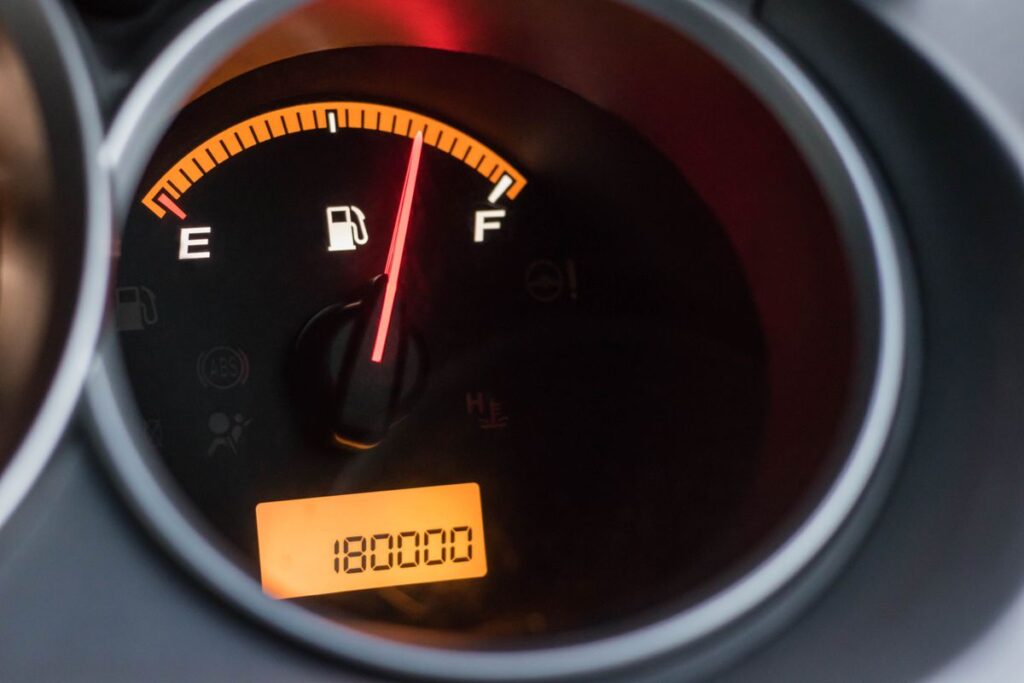
    Fuel gauge and an odometer reading 180,000

    Start With Your Own Interval

    “Overdue” only means something next to your car’s own schedule. Your owner’s manual lists a mileage and a time limit, and many newer cars use an oil life monitor instead. Our guide on how often to change oil in a Michigan winter explains how to read both, including when short trips put you on the severe schedule.

    This post covers what happens once you have missed it.

    What Happens to Oil the Longer You Wait

    Oil wears out in stages, and the later stages move faster.

    The Additives Get Used Up

    Fresh oil carries additives that slow its own breakdown and keep dirt suspended. The oil analysis lab OELCHECK explains in its entry on oil oxidation that heat and oxygen break oil down into acids and insoluble material. Antioxidant additives hold that back, but once they are used up, the lab says, the aging process accelerates almost unchecked.

    That is why a little overdue and a lot overdue are so different. The first stretch past due uses spare capacity; after that, nothing slows the aging.

    Motor oil jugs being refilled

    Acids, Fuel and Water Build Up

    Every engine lets a little combustion gas, unburned fuel and moisture slip into the crankcase. Fresh oil neutralizes the acids and carries the moisture until it boils off on a longer drive. Old oil does both poorly. Winter condensation is one visible sign, covered in our post on a milky substance under the oil cap.

    The Oil Thickens and Leaves Varnish

    As oxidation goes on, the oil gets thicker and darker. OELCHECK notes that the acids and insoluble material it forms often cause varnish-like resin and sludge-like deposits. Thicker oil is also slower to reach the top of the engine on a cold start.

    Sludge Blocks Oil Passages

    Sludge settles where oil moves slowly, such as the oil pan and under the valve cover. The real danger is the oil pickup screen and the small drillings that feed bearings, cam parts and turbochargers. When those narrow down, parts get less oil than they need, and that is where wear turns into damage.

    Mechanic working under a car

    How Long Can You Go Without an Oil Change Before It Hurts the Engine?

    No single number fits every engine, but this table shows how the risk generally grows with the delay.

    How far overdueLikely effectHow urgent
    Slightly past the reminder, level fullAdditives still mostly working, little or no harm on a healthy engineLow Book a change in the next few weeks
    Low miles but past the time limit in the manualMoisture and fuel from short trips have built up even without much drivingModerate Change it soon, even though the miles look low
    Well past the reminder, oil dark and level droppingAdditives running out, oil thickening, deposits starting to formSoon Top up with the correct oil and change it right away
    Many thousands of miles or years without a changeVarnish and sludge likely, with a risk of clogged passages and bearing wearSoon Change it and have the engine checked
    Oil pressure light on or no oil on the dipstickParts may not be getting enough oilHigh Stop driving and shut the engine off
    How long you can go without an oil change: how far overdue, the likely effect and how urgent it is

    Turbocharged engines and cars that work hard, such as stop-and-go driving or towing, sit toward the higher-risk end of every row.
    Hands working in an engine bay

    What a Neglected Engine Looks Like Inside

    Motor1 covered a video teardown that shows the far end of that table: an engine taken apart after years without oil changes. The turbocharged four-cylinder came from a pickup with 104,000 miles. Its vehicle history report showed no oil changes logged for the previous 50,000 miles.

    The timing chain cover was coated in varnish, and there was sludge under the valve cover. A thick layer of sludge sat in the oil pan, with more varnish on the block, oil pump, camshafts and crankshaft. One rod bearing had spun and fused itself to the crankshaft.

    The host suspected someone had poured an oil flush additive into the engine to clean it. In his view, that loosened the sludge, which then clogged several small oil passages and starved the bearing. A neglected engine needs a careful look, not a quick chemical fix.
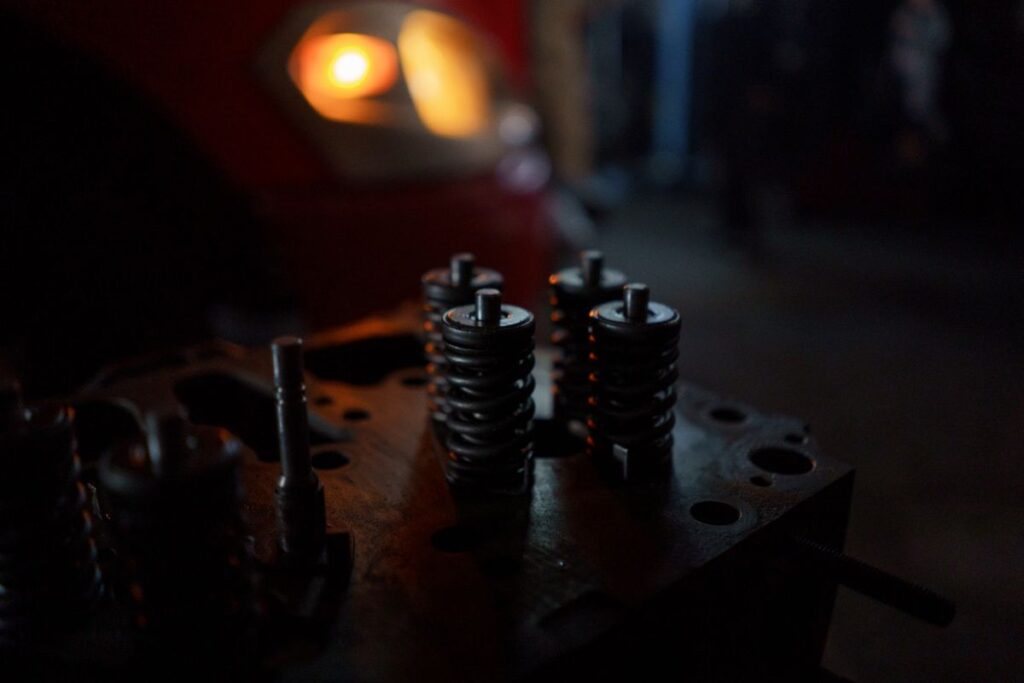
    Valve springs on a cylinder head

    Signs You Have Waited Too Long

    Check the dipstick on level ground with the engine off. These signs say the oil is past its useful life:

    • Oil that is very dark, thick or gritty between your fingers
    • A level near or below the minimum mark
    • More ticking or tapping from the top of the engine right after a cold start
    • An oil life monitor at zero or a service reminder you keep dismissing

    A red oil pressure warning is different: it means stop now. Our guide on what to do when the oil pressure light comes on walks through it.

    Overdue Right Now? What to Do

    1. Check the level first. Low oil is a bigger problem than old oil. If it is low, top up with the grade your manual lists.
    2. Book the change soon. Topping up restores the level but not the worn-out additives.
    3. Drive gently until then. Skip towing and hard acceleration.
    4. Skip the flush products. In a heavily neglected engine, loosened sludge can end up where it does the most harm.
    5. Use the right oil. If you are unsure what your engine needs, see synthetic vs conventional oil and which your car needs.
    6. Keep the receipt. Our post on how to avoid voiding your Audi warranty explains why paperwork matters.

    Just bought a car with no service history? Treat it as overdue and change the oil right away. See our guide to buying a high mileage car.

    Cluttered workshop with parts on shelves

    Why West Michigan Drivers Miss the Time Limit

    Many drivers here put fewer miles on in winter, yet short trips in freezing weather and frequent cold starts leave moisture and fuel in the oil that never fully cooks off. The calendar runs out before the miles do.

    If your car sat through a long winter on old oil, change it before summer heat and road trips. An oil change at our Creston shop covers foreign and domestic vehicles, and we check the level, look for leaks and reset the reminder.

    Frequently Asked Questions

    Is it OK to be 1,000 miles overdue for an oil change?

    For a healthy engine with a full oil level, one change that is a little late is rarely a disaster. Check the level and book the change soon. Turbocharged engines and hard driving leave less margin.

    What happens if you never change your oil?

    The additives run out, the oil oxidizes and thickens, and varnish and sludge build up inside the engine. Sludge can then block oil passages and starve bearings.

    Will one oil change fix an engine that went too long?

    Fresh oil stops things getting worse, but it will not remove heavy sludge or undo wear. After a very long gap, have the engine checked.

    Can you just add oil instead of changing it?

    Adding oil fixes a low level, which matters, but the old oil and its worn-out additives are still there. Top up to get by, then change the oil and filter soon.

    Need an oil change in Grand Rapids? Call 456 AutoFix at 616-279-3832, Monday to Friday 8am to 5pm, or book through our contact page.

    Can’t make it during the day? Use our after-hours drop-off. We’re at 456 Carrier St NE in Creston.
  • How Often to Change Spark Plugs (and Signs They’re Worn)

    How Often to Change Spark Plugs (and Signs They’re Worn)

    Wondering how often to change spark plugs? The honest answer is “it depends on your engine”, but that doesn’t mean guesswork. The plug material, the engine design and the way you drive all set the interval, and your owner’s manual puts a number on it.

    Below you’ll find typical intervals by plug type, why some modern engines need plugs much sooner than older advice suggests, the signs of worn plugs and what happens if you wait too long.

    Quick answer

    How often should you change spark plugs?

    Follow the interval in your owner’s manual. As a rough guide, copper plugs typically last 20,000 to 30,000 miles, platinum 60,000 to 100,000, and iridium around 100,000 or more. Many small turbocharged engines call for plugs much sooner, and hard starts, rough idle or misfires mean it’s time to check them early.

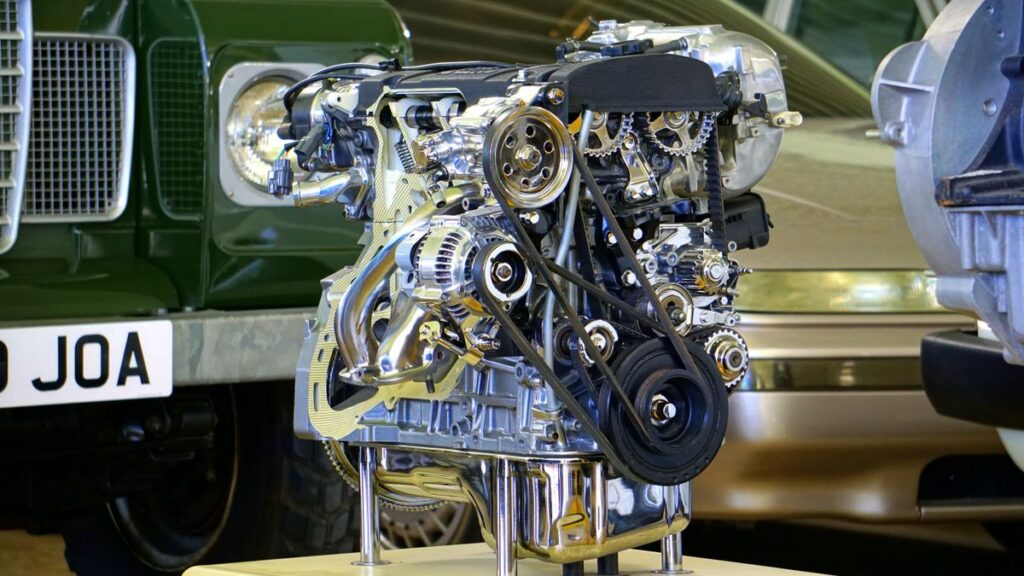
    Display engine with the belt drive exposed

    How Often to Change Spark Plugs by Plug Type

    A spark plug fires thousands of times a minute. Each spark wears away a tiny bit of the center and ground electrodes, so the gap slowly grows until the coil struggles to jump it. Harder metals resist that wear, which is why plug material matters so much.

    SlashGear’s roundup of what mechanics recommend for spark plug intervals gives the ranges below. Your owner’s manual has the exact interval for your engine, and plugs are usually replaced as part of scheduled maintenance.

    Plug typeTypical intervalNotes
    Copper (nickel alloy)About 20,000 to 30,000 milesCommon in older engines; wears fastest
    Platinum or double platinumAbout 60,000 to 100,000 milesHarder tip holds its gap longer
    IridiumAround 100,000 miles or moreStandard in many newer cars; many techs check them from about 80,000
    Any type in a small turbocharged engineOften much shorter, some about every 40,000 milesHigher heat and cylinder pressure; the manual is the only safe number
    How often to change spark plugs: typical intervals by plug type

    Use the plug type your engine was designed for. Swapping in a different material can hurt how the engine runs, and fitting a cheaper copper plug where iridium came from the factory shortens the interval a lot.

    Why Some Engines Need New Plugs Sooner

    The “100,000-mile plug” idea comes from naturally aspirated engines with long-life iridium plugs. Plenty of cars on the road today don’t fit that picture.

    Turbocharged Direct-Injection Engines

    Small turbocharged engines squeeze more power from less displacement. That means higher cylinder pressure and heat, and the plug needs more voltage to fire through dense, boosted air. Even iridium plugs wear faster under those conditions.

    That’s why many turbocharged direct-injection engines, including many Audis and other imports, list plug changes far earlier than 100,000 miles. Intervals vary by engine and model year, so check the schedule for your exact engine rather than a general chart. Direct-injection engines can also build carbon deposits, covered in our guide to Audi carbon buildup symptoms on direct-injection engines.

    Engine bay with intake and turbo piping

    Short Trips and Cold Starts

    An engine that rarely warms up fully runs rich for longer, and that extra fuel can leave soot on the plug tips. Fouled plugs fire weakly long before they reach their mileage limit.

    A Grand Rapids winter adds to that. Short trips across town, long idles to clear the windshield and cold mornings in the single digits all push plugs harder. If most of your driving looks like that, your manual’s severe-service schedule may apply, and it’s worth having the plugs looked at before the stated mileage.

    Snowy street at night with cars

    Signs Your Spark Plugs Are Worn

    Worn plugs rarely quit overnight. The engine just gets a little rougher and thirstier over months. Watch for:

    • Hard starts, especially when cold. The engine cranks longer before it catches. Our guide to a car not starting in cold weather helps you rule out the battery first.
    • Rough or shaky idle. You feel a rhythmic shudder at a stoplight.
    • Stumbling under load. Covered in detail in why a car hesitates when accelerating.
    • Worse gas mileage. Incomplete combustion wastes fuel.
    • A check engine light, often with a misfire code.

    These signs overlap with vacuum leaks, sensors and fuel problems. New plugs won’t fix every rough-running engine, which is why reading the codes comes before buying parts.

    Gauges glowing in a dark car

    What Happens If You Wait Too Long

    Skipping a plug change doesn’t usually strand you right away, but the costs build quietly. A worn plug forces the coil to work harder, and coils can fail early from the strain.

    Plugs left in for far too long can also seize in the cylinder head, especially in aluminum heads exposed to years of heat cycles. Removing a stuck plug is slower and riskier than a routine swap. Steady misfires also send unburned fuel into the exhaust, which can overheat and damage the catalytic converter.

    SituationWhat it usually meansHow urgent
    Flashing check engine lightActive misfire that can harm the catalytic converterHigh Ease off and book an inspection right away
    Steady light with a misfire codeWorn plug, weak coil or another fault in one cylinderSoon Get it checked within days
    Rough idle or hard cold startsPlugs may be worn or fouledModerate Plan an inspection in the next few weeks
    Past the manual’s interval, no symptomsPlugs are due even if the car feels fineLow Add it to your next scheduled service
    Worn spark plug warning signs compared by urgency

    A flashing light is the one to take seriously. Our guide to a check engine light flashing and what to do explains why.

    Valve springs on a cylinder head

    Should Ignition Coils Be Replaced With the Plugs?

    Not automatically. Most modern engines have a coil sitting right on top of each plug, so the coils come off anyway during a plug change. That makes it a good moment to inspect their boots and connectors for cracks, oil or corrosion. A coil that tests weak, or a misfire that follows a coil when it’s swapped to another cylinder, points to a coil that needs replacing.

    Spark Plugs as Part of Scheduled Maintenance

    Spark plugs are a line item on your car’s maintenance schedule, right next to fluids and filters. Our factory scheduled maintenance in Grand Rapids follows the intervals in your owner’s manual, so plugs get changed when your engine actually calls for them, not on a generic mileage.

    We work on foreign and domestic vehicles. Hendrick Hoffman, our owner and head mechanic, is ASE and State of Michigan certified in engine tune-up and engine repair, and is Audi factory trained, so turbocharged engines are familiar ground. For Audi-specific needs, see our Audi repair in Grand Rapids.

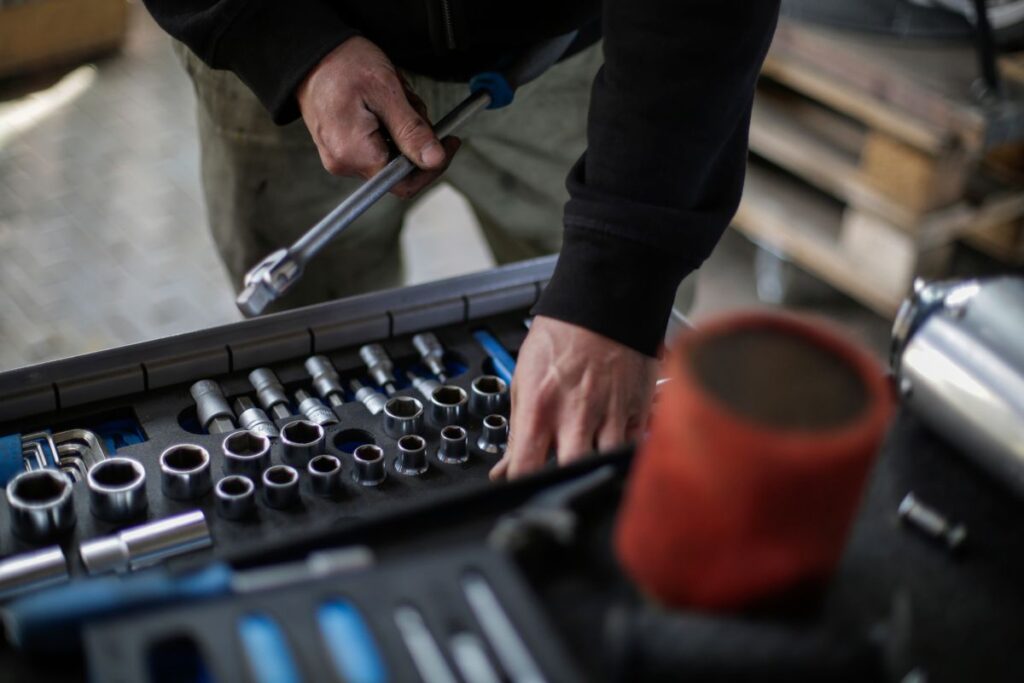
    Mechanic using a socket set

    Pairing a plug check with a routine visit is easy. If you’re due for an oil change in Creston, ask us to look up where your car sits on its plug schedule while it’s in the bay.

    Frequently Asked Questions

    Do iridium spark plugs really last 100,000 miles?

    In many naturally aspirated engines, yes. In small turbocharged engines, the factory interval is often much shorter, even with iridium plugs. Your owner’s manual gives the right number for your engine.

    What are the signs of bad spark plugs?

    Hard starts, especially on cold mornings, a rough idle, stumbling when you accelerate, worse gas mileage and a check engine light with a misfire code. Other faults cause the same signs, so the codes should be read first.

    Can I go past the recommended spark plug interval?

    The car may keep running, but worn plugs strain the coils, waste fuel and can seize in the cylinder head. Staying close to the scheduled interval keeps the job simple.

    Does changing spark plugs improve gas mileage?

    If the old plugs were worn or fouled, new ones can restore the mileage you lost. If the old plugs were healthy, you shouldn’t expect a noticeable change.

    Need factory scheduled maintenance in Grand Rapids? Call 456 AutoFix at 616-279-3832, Monday to Friday 8am to 5pm, or book through our contact page.

    Can’t make it during the day? Use our after-hours drop-off. We’re at 456 Carrier St NE in Creston.

  • Is High Mileage Oil Worth It? What It Can and Can’t Do

    Is High Mileage Oil Worth It? What It Can and Can’t Do

    Is high mileage oil worth it once your odometer rolls past 75,000? The bottles promise a lot: fewer leaks, less burning, cleaner parts. Some of that is real, some is wishful thinking, and the answer depends more on how your engine behaves than on the number on the dash.

    Here is what is actually different in the bottle, which engines benefit, what it can’t fix, and the one rule that matters more than the label.

    Quick answer

    Is high mileage oil worth it for your car?

    It can be, if your engine is past roughly 75,000 miles and has small seeps or uses a little oil between changes. Its seal conditioners and extra additives can slow those down. It won’t fix worn rings, big leaks or heavy burning, and it must still meet the specification in your owner’s manual.

    Speedometer and gauges glowing red

    What Is Different About High Mileage Oil?

    High mileage oil starts as ordinary motor oil in a normal viscosity grade. What changes is the additive package, aimed at problems that show up as engines age.

    • Seal conditioners: additives that help rubber seals and gaskets stay soft and swell slightly, which can close up a small seep.
    • Stronger detergents: extra cleaning power to loosen carbon and sludge from years of heat cycles.
    • Anti-wear additives: a heavier dose to protect parts that already have some wear.
    • Viscosity modifiers: help the oil resist thinning when hot, which can cut down on oil slipping past worn parts and burning.

    ALLDATA’s DIY guide to whether high mileage engine oil is worth the cost describes the same mix and notes it comes as a full synthetic or a synthetic blend. So it isn’t a choice between “high mileage” and “synthetic.” If you’re weighing base oils, our guide to synthetic vs conventional oil for your engine covers that side.

    When High Mileage Oil Makes Sense

    Most high mileage oils are marketed for engines past about 75,000 miles, and ALLDATA uses the same figure. Treat it as a typical starting point, not a switch that flips on a birthday. A well-kept engine at 90,000 miles that stays dry and doesn’t use oil gains little from changing.

    The better signs are what your engine is doing:

    • A light oily film around the valve cover or oil pan, but no drips on the driveway
    • Adding a little oil between changes to keep the dipstick in range
    • A small puff of smoke at a cold start that clears quickly
    • An older engine that has had regular oil changes and simply has a lot of miles
    Mechanic checking under the hood with a tablet

    In those cases high mileage oil is a reasonable, low-risk thing to try for a change or two. Check the dipstick every couple of weeks and look under the car where you park. If the seep dries up or the top-offs shrink, it is earning its place.

    What High Mileage Oil Won’t Fix

    Additives can soften a tired seal. They can’t rebuild metal or replace a torn gasket. ALLDATA lists rod knock, burnt valves, major leaks, severe oil burning and piston slap as problems that need repair, not a different oil.

    • Worn piston rings or valve guides: blue smoke and steady oil loss come from wear inside the engine.
    • Real leaks: a drip that leaves spots overnight usually means a failed gasket or seal.
    • A stuck PCV valve: a clogged crankcase vent can push oil past seals and into the intake. Replacing the valve fixes it, oil doesn’t.
    • Sludge from missed changes: stronger detergents won’t undo years of skipped service, and loosened deposits can clog passages.

    Audi 2.0T owners: heavy oil consumption on those engines is a mechanical issue, explained in our guide to Audi 2.0T oil consumption causes and fixes. A different bottle won’t solve it.

    Oily, grimy engine parts and a filter housing

    Is High Mileage Oil Worth It for Your Engine?

    Find the row that sounds like your car.

    Your engineHigh mileage oil helps?How urgent
    Under 75,000 miles, dry, no oil useNo real benefit. Keep the oil your manual specifiesLow Stay on your normal schedule
    Over 75,000 miles, dry, no oil useOptional. Fine if it meets your manual’s specLow Stay on your normal schedule
    Light oily film, no dripsOften worth a try for a change or twoModerate Watch it and recheck at the next change
    Small top-offs between changesMay slow it downModerate Track how much you add
    Drips or puddles under the carUnlikely. The seal or gasket has failedSoon Have the leak located
    Blue smoke, steady oil loss or a knockNo. These are internal wear problemsHigh Book an inspection right away
    Is high mileage oil worth it: engine condition, whether it helps and how urgent it is

    If the oil warning light flickers at idle or comes on while driving, stop and read our guide to the oil pressure light coming on while driving before you think about which oil to buy.

    Tire and screwdriver on a garage floor

    The Oil Still Has to Match Your Owner’s Manual

    This is the rule that matters most. A high mileage oil is only a good choice if it carries the same viscosity grade and the approval your owner’s manual calls for. The words “high mileage” on the front of the bottle don’t replace the specification on the back.

    Many modern engines need an oil that carries a specific manufacturer approval. An Audi, for example, still needs an oil with the VW 502 00, 504 00 or 508 00 approval its manual lists, high mileage or not. Our page on oil changes at our Creston shop explains how to read the API symbol and these approval codes.

    Center console with gear selector and screen

    Switching to High Mileage Oil, and Switching Back

    Switching is simple: use it at your next oil change, in the same grade. No flush is needed, and you don’t need to stay on it forever, despite the “no turning back” myth that circulates on owner forums.

    You can go back to a regular oil that meets your manual’s spec at any change. The only catch is that a seep the seal conditioners were holding back may return once the additive wears off. If that happens, it tells you the seal itself is worn.

    Cold Starts and Short Trips in Grand Rapids

    A West Michigan winter is hard on older engines whatever is in the crankcase. Cold starts put the most wear on parts before oil reaches them, and short trips never let the engine warm up enough to drive off moisture and fuel.

    That’s why a regular change interval matters more than the label. Our guide on how often to change your oil with short trips and cold starts covers severe service. If you see a creamy film under the cap after a winter of short drives, read about the milky substance under the oil cap and what it means.

    Snow-covered cars under streetlights at night

    At our shop, we check the oil level, look for seeps and drips, and tell you whether a high mileage oil makes sense or whether something needs repair. If oil is leaking, we’ll check where it’s coming from. We work on foreign and domestic vehicles.

    Frequently Asked Questions

    When should I switch to high mileage oil?

    Most high mileage oils are made for engines past about 75,000 miles. The better trigger is a light seep or small top-offs between changes. A dry engine that doesn’t use oil gains little from switching.

    Does high mileage oil stop leaks?

    It can slow a small seep by conditioning tired seals. It won’t stop a real drip from a failed gasket or seal, and those need to be located and repaired.

    Can I switch back to regular oil?

    Yes. You can go back to a regular oil that meets your manual’s spec at any oil change. A seep that the seal conditioners were holding back may return.

    Is high mileage oil synthetic?

    It can be. High mileage oils come as synthetic blends and as full synthetics. Either way, pick one with the grade and approval listed in your owner’s manual.

    Need an oil change in Grand Rapids? Call 456 AutoFix at 616-279-3832, Monday to Friday 8am to 5pm, or book through our contact page.

    Can’t make it during the day? Use our after-hours drop-off. We’re at 456 Carrier St NE in Creston.

  • How Long Should You Warm Up Your Car in Winter?

    How Long Should You Warm Up Your Car in Winter?

    On a frosty Grand Rapids morning, it is tempting to start the car and let it idle for ten minutes while you finish your coffee. But if you are asking how long to warm up car in winter, the honest answer for most modern cars is much shorter than you might think.

    Below, we explain why a short warm-up is enough, what long idling really costs, and the few times it makes sense to wait a little longer.

    Quick answer

    How long should you warm up your car in winter?

    Most modern fuel-injected cars only need about 30 seconds to a minute of idling, then gentle driving for the first several minutes. Driving warms the engine faster than idling does. The real reason to wait longer is safety: every window, mirror and light must be clear of snow, ice and frost before you pull away.

    Snow-covered windshield with the wipers raised

    Why Modern Engines Don’t Need a Long Warm-Up

    The habit of long warm-ups comes from the carburetor era. Older engines mixed fuel and air mechanically and ran poorly, or stalled, until they were warm. Today’s fuel-injected engines use sensors and a computer to adjust the mixture from the first second, so they run smoothly almost right away.

    The U.S. government’s fuel economy site puts it simply in its guide to fuel economy in cold weather: most manufacturers recommend driving off gently after about 30 seconds. The same page notes that the engine warms up faster when the car is driven, and that idling gets zero miles per gallon.

    Driving also warms parts that idling never touches. The transmission fluid, wheel bearings, shocks and tires all stay cold while the car sits still. They only warm up once the wheels are turning.

    Instrument cluster with gauges on a tan dashboard

    What Long Idling Costs You

    A ten-minute idle every morning feels harmless, but it adds up in three ways:

    • Wasted fuel. The engine burns gas the whole time and moves you nowhere.
    • Fuel in the oil. A cold engine runs a richer mixture. During long idles, some unburned fuel and moisture can slip past the piston rings into the oil, thinning it.
    • Extra engine hours. Idling counts as running time even though the odometer doesn’t move, so wear builds without the miles to show for it.

    Lots of idling is one reason many owner’s manuals put short trips and extended idling under severe service. Our guide on how often to change your oil in Michigan driving conditions explains what that means for your interval. Oil choice matters too, since thinner oils flow faster on a cold start, as covered in our comparison of synthetic vs conventional oil for cold starts.

    Mechanic working in an engine bay

    How Long to Warm Up Car in Winter: A Temperature Guide

    Advice from automakers and auto clubs varies, so treat these times as a rough guide and check your owner’s manual first. In every case, drive gently for the first five to ten minutes: moderate speed, no hard acceleration and no high revs.

    Outside temperatureTypical idle before drivingNotes
    Above 32°FAbout 30 secondsBuckle up and go. Clear any frost first.
    0°F to 32°F30 seconds to 1 minuteA normal West Michigan winter morning. Scraping the glass usually takes longer than the engine needs.
    Below 0°F1 to 2 minutesGives cold oil a little longer to circulate. Keep the first miles extra gentle.
    Far below zero, or a dieselA few minutesFollow your owner’s manual. Diesels and very cold engines may need longer.
    How long to warm up a car in winter by outside temperature (general guidance only)

    If your car struggles to start at all on the coldest days, the warm-up isn’t the problem. See our guide to a car not starting in cold weather and what to check, which also covers block heaters.

    Outdoor thermometer showing freezing temperatures

    When It Is Worth Waiting Longer

    Clearing Snow, Ice and Frost

    This is the one exception that always applies. Before you drive, the windshield, side windows, rear window, mirrors, lights and roof should be clear. Snow left on the roof can slide onto your windshield when you brake, or fly off into the car behind you.

    Running the engine with the defroster on while you brush and scrape is sensible, and that is usually what sets your real warm-up time. Don’t pull away while peering through a small hole in the frost.

    Extreme Cold and Diesels

    On a bitter subzero morning, a minute or two of idling gives thick oil time to reach everything. Diesel engines warm up slowly and some manuals call for a longer idle in severe cold, so follow the manufacturer’s advice for your truck.

    Older Carbureted Cars

    A classic car with a carburetor and choke may hesitate or stall until it warms up. A few minutes of idling, or until it idles smoothly off the choke, is reasonable for these.

    Hybrids and Electric Cars

    Many hybrids and EVs let you heat the cabin and battery ahead of time from the car’s app or settings. Doing that while the car is still plugged in uses wall power instead of driving range.

    Person scraping snow off a car windshield

    Remote Start: Handy, but Keep It Short

    Remote start is a real comfort in a Michigan winter. It gets the defroster working before you walk out, which makes clearing the glass faster and safer. Many factory systems shut the engine off automatically after a set time.

    The downside is that it makes long idling easy. Starting the car 15 or 20 minutes early every day brings back the same wasted fuel and fuel-thinned oil described above. A few minutes is usually plenty for the defroster to start working, and the heater gets hot faster once you drive.

    Never Warm Up a Car in a Closed Garage

    Exhaust contains carbon monoxide, a gas you can’t see or smell. In a closed garage, it can build up to dangerous levels in minutes. An open garage door is not a safe fix either, because fumes can still collect and drift into an attached house.

    Dual exhaust tips on a dark car

    Back the car out first, then let it run in the driveway. Never use remote start while the car is inside a garage. The same caution applies when a car is stuck in deep snow: keep the tailpipe clear, because a blocked exhaust can push fumes into the cabin.

    Winter Maintenance That Makes Cold Starts Easier

    A healthy engine starts easier and warms up smoothly. Fresh oil of the grade your manual calls for flows better on a cold start, so an oil change in Creston before winter is a good habit for drivers who do a lot of short trips and idling.

    Keeping up with factory scheduled maintenance in Grand Rapids catches worn parts, weak hoses and other problems before the cold exposes them. We work on foreign and domestic vehicles, and Hendrick Hoffman, our owner and head mechanic, has been in automotive service since 2005.

    Frequently Asked Questions

    Is it bad to let your car idle for 10 minutes in winter?

    It won’t ruin the engine, but it wastes fuel and isn’t needed for a modern car. Long idles can also let unburned fuel and moisture thin the oil. About 30 seconds to a minute, followed by gentle driving, warms the engine faster.

    Should I wait for the temperature gauge to move before driving?

    No. The gauge rises slowly at idle and much faster once you drive. Just drive gently, avoiding hard acceleration and high revs, until the gauge reaches its normal position.

    Is it safe to warm up my car in the garage with the door open?

    No. Carbon monoxide can still build up in a garage with the door open and seep into an attached home. Back the car out into the driveway before letting it run.

    How long should I run my remote start in winter?

    A few minutes is usually enough to get the defroster working and make clearing the glass easier. Running it for 15 or 20 minutes every day mostly wastes fuel, since the engine and heater warm up faster once you drive.

    Need an oil change or scheduled maintenance in Grand Rapids before winter? Call 456 AutoFix at 616-279-3832, Monday to Friday 8am to 5pm, or book through our contact page.

    Can’t make it during the day? Use our after-hours drop-off. We’re at 456 Carrier St NE in Creston.

  • Milky Substance Under Your Oil Cap: Winter Condensation or Coolant?

    Milky Substance Under Your Oil Cap: Winter Condensation or Coolant?

    Finding a milky substance under the oil cap is enough to make any driver think the worst. In a Michigan winter, though, that creamy tan film is usually just water from condensation mixed with a little oil.

    Sometimes it does mean coolant is getting into the oil, and that needs attention. Here is how to tell the two apart, and what to do next.

    Quick answer

    Does a milky substance under the oil cap mean a blown head gasket?

    Usually not. In cold weather it is most often condensation from short trips, and it stays on the cap and filler neck. It points to coolant in the oil when the dipstick also shows milky oil, the coolant level keeps dropping, or you see white exhaust smoke or overheating. Those signs need a diagnosis soon.

    Frost on a parked car in winter

    Why Milky Residue Forms Under the Oil Cap in Winter

    Every engine makes water. Burning fuel produces water vapor, and a small amount slips past the piston rings into the crankcase along with other combustion gases. Humid outside air also gets drawn in through the ventilation system.

    Once the oil is fully hot, that moisture boils off and leaves through the ventilation system. On a short winter trip, the oil never gets hot enough. The vapor condenses on the coldest metal it can find, and the oil cap and valve cover sit right in the cold air under the hood.

    The engine’s moving parts churn that water with oil mist into an emulsion. That is the mayonnaise you see. A car that only makes five-minute trips in January, or sits outside for days between drives, is the classic case.

    The PCV System’s Job

    The positive crankcase ventilation (PCV) system pulls vapor out of the crankcase and sends it back into the intake to be burned. It is the engine’s main way of getting rid of moisture. A PCV valve, hose or breather that is clogged with sludge can’t do that job, so water builds up faster.

    In deep cold, the moisture can freeze inside the PCV hoses or valve. Pressure then builds in the crankcase and can push oil out past seals.

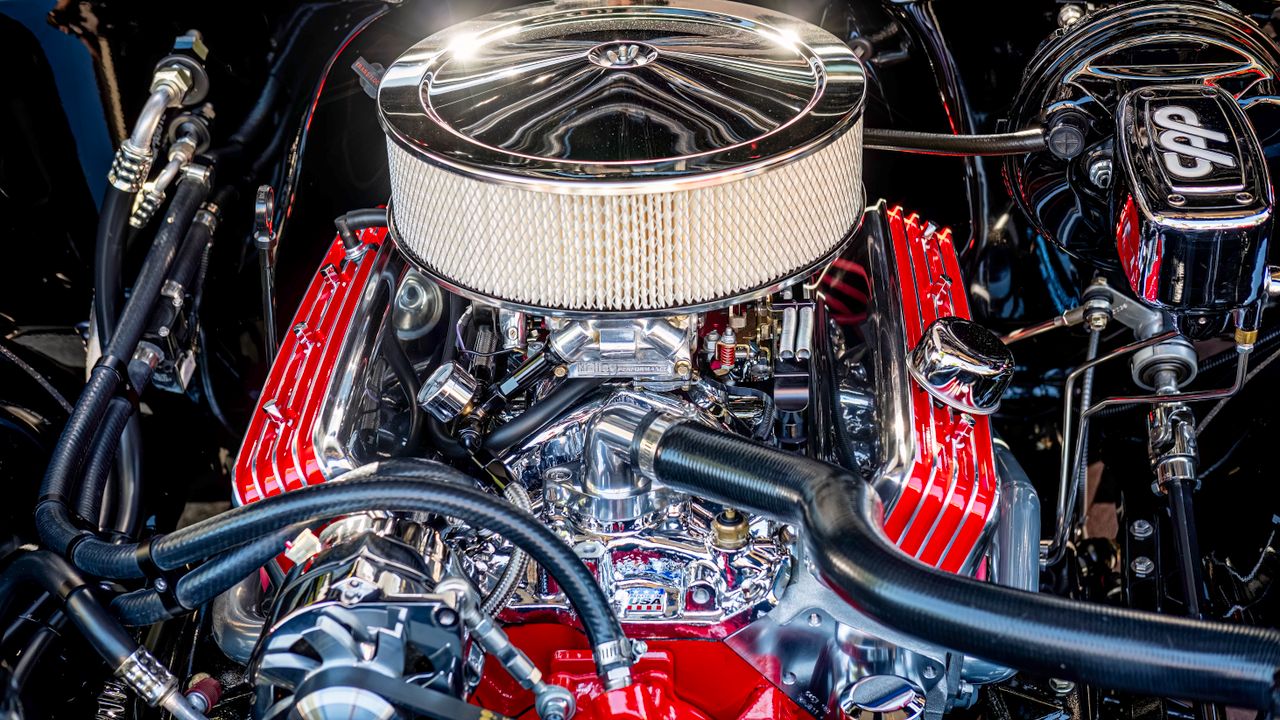
    Engine with a chrome air cleaner and valve covers

    When It Points to Coolant in the Oil

    The serious version happens when engine coolant leaks into the oil. Common paths include a failing head gasket, a cracked cylinder head, an intake gasket that seals coolant passages on some engines, or a leaking oil cooler.

    Coolant does real harm to oil. The trade journal Machinery Lubrication explains in its article on the effects of glycol contamination in engine oils that antifreeze thickens oil, can form a gel called “black mayonnaise” and creates acids that corrode engine parts.

    Signs that usually come with it:

    • Milky or light brown oil on the dipstick, not just on the cap
    • A coolant reservoir that keeps dropping with no visible leak
    • White, sweet-smelling exhaust smoke after the engine is warm
    • A temperature gauge that climbs or a coolant warning light

    If you are seeing smoke, our guide to white smoke from the exhaust and when it means burning coolant covers that symptom in detail.

    Hands working on parts under the hood

    How to Tell Condensation From Coolant

    You can narrow it down at home with four checks. Do them on level ground, and check the coolant only when the engine is cold.

    1. Pull the dipstick. Wipe it, reinsert it and pull it again. Normal oil looks amber to dark brown. Oil that looks like chocolate milk or coffee with cream is a warning sign.
    2. Check the coolant level cold. Note where the level sits against the MIN and MAX marks, then recheck over the next week. A steady drop with no puddle under the car is a red flag.
    3. See how far it extends. A thin film only on the cap and the top of the filler neck is typical of condensation. Thick sludge deep in the valve cover, on the dipstick or in the oil itself points to a bigger problem.
    4. Wipe, drive and recheck. Clean the cap, take a longer drive at highway speed, then look again after a few days of normal use. Condensation fades or stays small. Coolant contamination comes back and gets worse.
    Hands reaching into an engine bay

    Milky Substance Under Oil Cap: Condensation vs Coolant

    Treat this as a guide: a pressure test or oil analysis is what confirms a coolant leak.

    What you seeLikely causeHow urgent
    Milky oil on the dipstick plus overheating or white smokeCoolant leaking into the oilHigh Stop driving and have it diagnosed
    Coolant level dropping, no visible leakPossible internal coolant leakSoon Book a diagnosis within days
    Residue keeps returning after long drivesClogged or iced PCV system, or a coolant leakModerate Have the PCV and cooling system checked
    Thin film on the cap only, dipstick and coolant normalWinter condensation from short tripsLow Wipe it, drive longer and recheck
    Milky substance under the oil cap: what you see, the likely cause and how urgent it is

    What to Do Next

    If your checks point to condensation, the fix is mostly driving habits. Give the car a longer drive at steady highway speed once a week or so, long enough for the temperature gauge to sit at normal for a good while. Check that the oil cap seals well, since a worn cap seal can let damp air in.

    If the oil on the dipstick itself looks milky, change the oil and filter rather than waiting for the normal interval. Short-trip winter driving often counts as severe service, which our guide on how often to change your oil in a Michigan winter explains.

    A few things to avoid:

    • Don’t keep driving if the temperature gauge climbs. Pull over safely and shut the engine off.
    • Don’t just change the oil over and over if coolant is the cause. The leak has to be found first.
    • Don’t ignore heavy sludge. It can block the oil pickup, and a red oil pressure light coming on means stop right away.
    Hands working in an engine bay beside the coolant tank

    Winter Habits That Make It Worse

    Grand Rapids winters bring cold mornings, damp air and lots of short drives. A quick run to the store and back may never get the oil hot enough to clear the moisture from the last trip.

    Long idling in the driveway doesn’t help much, because the engine warms slowly at idle. Pressure washing the engine bay can force water in around the oil cap, so keep the spray gentle and away from seals.

    Snowy highway in winter

    Getting It Checked at Our Shop

    Book an oil change at our Creston shop and mention the milky cap, and we’ll tell you what we see in the old oil and the cooling system.

    If the signs point to coolant in the oil, we’ll check it and tell you what it needs before anything else is done. Hendrick Hoffman, our owner and head mechanic, is ASE and State of Michigan certified in engine repair.

    Frequently Asked Questions

    Is milky residue under the oil cap normal in winter?

    A small amount is common in cold weather, especially on cars that make mostly short trips. If it stays on the cap, the dipstick looks normal and the coolant level holds steady, it is almost always condensation.

    Can I keep driving with a milky oil cap?

    If it is only condensation, yes, and a longer drive helps clear it. If the dipstick is milky, the coolant keeps dropping or the engine overheats, stop driving and have it checked.

    Will an oil change fix a milky oil cap?

    An oil change clears moisture-heavy oil, and longer drives keep condensation from coming back. If coolant is leaking into the oil, a new oil change only hides the problem until the leak is found and repaired.

    Can a bad PCV valve cause milky oil under the cap?

    Yes. The PCV system carries moisture out of the engine, so a clogged or frozen valve or hose lets water build up. Residue that returns even after long drives is a reason to have the PCV parts checked.

    Need an oil change or a milky oil cap checked in Grand Rapids? Call 456 AutoFix at 616-279-3832, Monday to Friday 8am to 5pm, or book through our contact page.

    Can’t make it during the day? Use our after-hours drop-off. We’re at 456 Carrier St NE in Creston.

  • Oil Pressure Light On? What to Do Right Away

    Oil Pressure Light On? What to Do Right Away

    Oil pressure light on? Your engine is telling you oil is not reaching its moving parts with enough force. It is one of the few dashboard warnings that means “stop now”, not “book a visit soon”.

    The cause may be low oil, a failing sensor or, less often, a mechanical problem. Protect the engine first, then find out which.

    Quick answer

    What should you do when the oil pressure light comes on?

    Pull over as soon as it is safe and shut the engine off. A red oil can light means low oil pressure, not just low oil. Wait a few minutes, check the dipstick and top up if the level is low. If the level is fine, or the engine ticks or knocks, don’t keep driving until the cause is diagnosed.

    Driver's view of the road through the windshield

    What to Do Right Away With the Oil Pressure Light On

    Without pressure, the oil film between metal parts breaks down fast, so acting quickly protects the engine.

    1. Pull over safely into a parking lot or off the road, not in a traffic lane.
    2. Shut the engine off. Every minute at low pressure adds wear.
    3. Wait a few minutes so oil drains back to the pan.
    4. Check the dipstick and look underneath for a fresh puddle.
    5. Top up if low with the grade listed in your owner’s manual, a little at a time.

    If the light goes out after topping up and the engine sounds normal, drive gently and get the car checked soon to find where the oil went. If the light stays on with a full dipstick, or you hear ticking, knocking or grinding, don’t drive on it.

    Red Oil Pressure Light vs Amber Oil Level Warning

    Many newer cars show more than one oil message. Your owner’s manual has your exact symbols, but the pattern is usually this.

    WarningWhat it usually looks likeWhat it meansWhat to do
    Oil pressure lightRed oil can, often with a dripPressure is too low to protect the enginePull over safely and shut off
    Oil level warningAmber oil can, sometimes with “MIN” or a wavy lineThe level sensor reads low; pressure may be fineCheck the dipstick and top up soon
    Service reminderWrench icon or “oil change due” messageThe oil change interval is upBook an oil change
    Oil pressure light on vs oil level warning vs oil change reminder
    Hands working on hoses in an engine bay

    5 Common Causes of Low Oil Pressure

    The oil pump pulls oil from the pan through a pickup screen, pushes it through the filter and sends it to the bearings and valve train. Anything that starves, thins or leaks that flow lowers pressure.

    1. Low Oil Level

    This is the most common cause. Oil leaks past worn gaskets and seals, and some engines burn oil between changes, as our article on Audi 2.0T oil consumption and how to check it explains.

    When the level drops far enough, the pickup can suck air in corners or under braking. It helps to know how often to change your oil for the way you drive.

    2. Wrong Viscosity or Worn-Out Oil

    Oil thinner than your engine calls for, or old oil that has broken down, slips past bearings too easily when hot. If the light first appeared right after an oil change, rule out a wrong grade or a low fill.

    Mechanic holding a motor oil container in a workshop

    Overfilling is not the answer either, because the crankshaft can whip oil into foam that won’t hold pressure. If you are choosing an oil, see our guide to synthetic vs conventional oil for your car.

    3. A Failing Oil Pressure Sensor or Sending Unit

    The light is triggered by a small switch or sensor in the engine, and these can fail, leak into their connector or lose contact through corroded wiring. Castrol’s guide to what low engine oil pressure means lists a faulty pressure sensor as an occasional cause, but still says to check the oil and confirm the reading with a gauge before blaming the sensor.

    A bad sensor is the good-news cause, but it can’t be assumed. Testing actual pressure with a gauge is how to tell.

    4. Clogged Pickup Screen or Oil Filter

    Sludge from long change intervals can partly block the pickup screen in the pan, and a badly clogged filter can restrict flow. Pressure may hold at highway speed and drop at idle, when the pump turns slowly.

    Mechanic's oily hands over engine parts

    5. Worn Oil Pump or Engine Bearings

    As an engine ages, bearing clearances grow and oil escapes faster than a worn pump can supply it. These causes are less common and often come with ticking up top or a deep knock down low. Confirming them takes testing, not guesswork.

    Why the Oil Light Flickers at Idle

    A common complaint is a light that flickers at a stoplight after a hot drive, then goes out with throttle. Hot oil is at its thinnest and the pump at its slowest at idle, so marginal pressure trips the switch on and off.

    Seeing the oil pressure light on briefly at a very cold start can happen too, but if it lingers or keeps returning, have it checked.

    Mechanic working in an open engine bay

    Oil Pressure Light Causes Compared by Urgency

    What you noticeLikely causeHow urgent
    Red light stays on with a full dipstick, or ticking or knockingWorn pump or bearings, clogged pickupHigh Shut off and don’t drive
    Red light on with a low dipstickLow oil from a leak or oil burningHigh Stop, top up, then get it checked
    Flicker at hot idle that goes out with revsThin or overdue oil, early wear, weak switchSoon Get it checked within days
    Random blinking, engine sounds normalFailing sensor or loose connectorSoon Get it checked within days
    Amber oil level warning onlyLevel dropping between changesModerate Top up and watch the level
    Oil change reminder messageService interval reachedLow Book your next oil change
    Oil pressure light on: what you notice, likely cause and urgency

    A blinking engine light is another warning that means stop, covered in our guide on what to do when the check engine light is flashing.

    Cold Starts and Short Trips in West Michigan

    On a frozen Grand Rapids morning, oil is thick and slow to reach the top of the engine. Short winter trips never fully warm the engine, so moisture and fuel collect in the oil and wear it out faster.

    Snowy street seen through a car windshield

    Check your oil level every few fill-ups, and more often if your car uses oil. A dipstick check is part of our winter car maintenance checklist for Michigan drivers.

    Getting It Checked at Our Shop

    If the oil is simply low or overdue, our oil change service in Creston uses the grade your engine calls for, and we look for leaks while the car is up. If you still see the oil pressure light on with a full dipstick, we diagnose the cause first, from the sensor and wiring to a pressure test, then tell you plainly what the engine needs.

    Hendrick Hoffman, our owner and head mechanic, is ASE and State of Michigan certified in engine repair.

    Frequently Asked Questions

    Can I drive with the oil pressure light on?

    It is not a good idea, because low pressure can damage bearings quickly. Pull over, shut off and check the level. Only drive on if topping up turns the light off and the engine sounds normal.

    What is the difference between low oil and low oil pressure?

    Low oil means less oil in the pan. Low pressure means oil isn’t being pushed through the engine with enough force. Low oil is one cause, but a worn pump or clogged pickup can cause it with a full pan.

    Why does my oil light come on only at idle?

    Hot oil at idle is thin and the pump turns slowly, so pressure is at its lowest. Low or thin oil, a weak switch or engine wear can push it below the trigger point.

    Need an oil change or an oil pressure check in Grand Rapids? Call 456 AutoFix at 616-279-3832, Monday to Friday 8am to 5pm, or book through our contact page.

    Can’t make it during the day? Use our after-hours drop-off. We’re at 456 Carrier St NE in Creston.
  • Synthetic vs Conventional Oil: Which Does Your Car Need?

    Synthetic vs Conventional Oil: Which Does Your Car Need?

    The synthetic vs conventional oil question comes up at almost every oil change. The short version: your engine’s maker usually settles it for you, and the rest comes down to how and where you drive.

    Here is what each oil is, how they differ in winter and on a hot turbo engine, and whether you can switch.

    Quick answer

    Should you use synthetic or conventional oil in your car?

    Use what your owner’s manual specifies, including the viscosity and the approval codes. If it calls for full synthetic, that is not optional. If it allows conventional, synthetic still flows better on cold starts and resists heat and sludge, which helps turbo engines and short winter trips. You can switch between them at any oil change.

    Person checking the engine oil dipstick with the hood up

    What Conventional, Synthetic Blend and Full Synthetic Oil Are

    Every motor oil is a base oil plus an additive package of detergents, anti-wear agents and friction modifiers. The base oil is what separates the three types.

    Conventional Oil

    Conventional oil is refined from crude. Its molecules vary in size and shape, so it thickens more in the cold and breaks down sooner under heat. It still protects well in many older, simpler engines when changed on schedule.

    Synthetic Blend

    A synthetic blend mixes conventional and synthetic base oils. It sits between the two in cold flow and heat resistance. There is no industry minimum for how much synthetic a blend must contain, so one blend can differ a lot from another.

    Mechanic using a diagnostic tool in a workshop

    Full Synthetic

    Full synthetic uses base oils that are heavily processed or chemically built, giving more uniform molecules. Some start from very highly refined crude stocks and others are made from scratch, and the label won’t tell you which. That is why the approval codes on the bottle matter more than the word “synthetic”.

    Synthetic vs Conventional Oil Compared

    This table sums up the typical differences.

    FeatureConventionalSynthetic blendFull synthetic
    Base oilRefined crude oilMix of conventional and syntheticHighly processed or chemically built base oils
    Flow on a cold startSlowest to circulate when frozenBetter than conventionalCirculates quickest in deep cold
    Heat and sludge resistanceBreaks down sooner under heatModerateResists heat, oxidation and deposits
    Typically suited toOlder, simpler engines whose manual allows itEngines that list a blend as acceptable, moderate useTurbo, direct-injection and most European engines; any car that requires it
    Synthetic vs conventional oil: conventional, synthetic blend and full synthetic compared by feature

    Cold Starts in a Grand Rapids Winter

    Much of an engine’s wear happens in the first seconds after a cold start, before oil reaches the cam and bearings. On a below-zero January morning, conventional oil thickens and takes longer to get there. Synthetic stays more fluid, so it circulates sooner.

    The “W” number on the bottle rates that cold flow, and our guide to how often to change oil in a Michigan winter explains grades like 0W-20 and 5W-30. Oil type and grade work together: a synthetic in the grade your manual lists gives the quickest protection when it is freezing.

    Cars driving on a snowy forest road

    Short winter trips are the other issue. An engine that never fully warms up collects moisture and fuel in the oil, which speeds up sludge. Synthetic handles that better, but frequent short trips still mean changing oil on the severe-service schedule. Oil is one item on our Michigan winter car maintenance checklist.

    Heat, Turbochargers and Direct Injection

    Heat is where synthetic earns its keep. A turbocharger spins on an oil-fed bearing next to hot exhaust, and when you shut the engine off, oil left in that bearing can bake into deposits. Synthetic resists that breakdown far better than conventional.

    Small turbocharged, direct-injection engines add another risk called low-speed pre-ignition, a sudden knock under load at low rpm. Current oil standards include tests for it, which is one reason these engines need an oil with the exact approval listed. Direct injection also lets some fuel reach the oil, and it can build carbon on the intake valves, covered in our post on Audi carbon buildup symptoms.

    Auto workshop with car lifts and tools

    AAA’s oil testing found synthetic oils performed an average of 47 percent better than conventional across eight industry tests, and it called synthetic particularly helpful for turbocharged engines and extreme hot or cold driving. If you own a turbo Audi that seems to drink oil, read our guide to Audi 2.0T oil consumption and what’s normal.

    Your Owner’s Manual and the Label Decide It

    The owner’s manual lists two things: a viscosity grade and one or more approvals. Match both. Most US-market cars point to the API and ILSAC marks, and Europeans add their own maker approvals.

    • API “donut”: shows the viscosity and the API service category, such as SP or the newer SQ.
    • ILSAC Starburst or Shield: marks oil that meets the current ILSAC engine protection and fuel economy standard.
    • Maker approvals: codes such as VW 502 00 or 504 00 on Audi and VW engines, printed on the back label.
    Person reading through a printed manual

    The API marks only go on oils licensed through API’s engine oil licensing and certification program, which also buys oil off store shelves to check it matches what was approved. Maker approvals are not interchangeable, so an oil with the right viscosity but the wrong code is still the wrong oil.

    If your manual requires full synthetic, using conventional can lead to deposits and turbo wear. If it allows conventional, synthetic is an upgrade, not a requirement.

    Can You Switch Back and Forth or Mix Them?

    Yes. On an engine that allows both, you can go from conventional to synthetic and back again at any oil change. The oils are compatible, and switching does not harm a healthy engine.

    Mixing is fine too. If you top up synthetic with a quart of conventional that meets your manual’s spec, the result just behaves like a blend until the next change.

    Mechanic working under a car with a work light

    The old idea that synthetic causes leaks in older engines dates back to early synthetics without seal conditioners. A modern certified oil won’t damage good seals. If a leak appears after a switch, the seal was already failing, and sludge had been plugging it.

    Does Synthetic Mean Longer Oil Change Intervals?

    Not automatically. Intervals differ by manufacturer, and many engines that need synthetic already have the longer interval built into their schedule or oil life monitor. Putting synthetic in a car whose manual is based on conventional does not give you permission to stretch the change.

    Follow the schedule or oil life monitor for your car. Frequent short trips in the cold usually count as severe service.

    Oil Changes at Our Creston Shop

    When you book a synthetic oil change in Grand Rapids with us, we match the oil to the viscosity and approvals your manufacturer lists, whether that is conventional, a blend or full synthetic. If you are not sure what your car needs, ask and we’ll check the spec with you.

    Oil changes fit into your car’s wider factory scheduled maintenance in Grand Rapids. Hendrick Hoffman, our owner and head mechanic, is Audi factory trained, and our Audi repair in Grand Rapids covers the strict oil specs those engines carry.

    Frequently Asked Questions

    Is synthetic oil worth it for an older car?

    Often, yes, if the manual allows it. Synthetic flows better on cold starts and resists sludge, which helps older engines on short winter trips. Conventional is still acceptable if your manual lists it and you change it on schedule.

    Can I mix synthetic and conventional oil?

    Yes. They are compatible, and a mix simply behaves like a synthetic blend. Make sure the top-up oil meets the viscosity and approvals in your owner’s manual.

    Does synthetic oil cause leaks?

    No. A modern certified synthetic won’t damage healthy seals. A leak that shows up after switching usually means a seal was already worn and deposits had been plugging it.

    Can I go back to conventional after using synthetic?

    Yes, as long as your owner’s manual allows conventional oil. If the manual requires full synthetic or a specific maker approval, stay with an oil that meets it.

    Need an oil change in Grand Rapids? Call 456 AutoFix at 616-279-3832, Monday to Friday 8am to 5pm, or book through our contact page.

    Can’t make it during the day? Use our after-hours drop-off. We’re at 456 Carrier St NE in Creston.

  • How Often to Change Your Cabin Air Filter (and Signs It’s Overdue)

    How Often to Change Your Cabin Air Filter (and Signs It’s Overdue)

    Wondering how often to change cabin air filter elements in your car? It is one of the easiest maintenance items to forget, because the filter sits out of sight and rarely causes a breakdown.

    This guide covers typical intervals, the signs a filter is overdue, the main filter types and how West Michigan seasons load it up.

    Quick answer

    How often should you change your cabin air filter?

    Many vehicles call for a new cabin air filter about once a year, or typically somewhere between 12,000 and 30,000 miles. Your owner’s manual gives the exact interval. Change it sooner if you drive on dusty roads, sit in heavy traffic, deal with allergies or notice weak airflow, a musty smell or windows that are slow to clear.

    Dashboard air vents and climate controls

    What the Cabin Air Filter Does and Where It Lives

    Every time your heater, A/C or defroster runs, the blower pulls outside air into the car. The cabin air filter (sometimes called a pollen filter) cleans that air first. It traps dust, pollen, soot, leaf bits and road grime before they reach the vents and your lungs.

    On most modern cars the filter sits behind the glove box, which drops down or unclips for access. On others it lives under the cowl, the plastic panel at the base of the windshield below the wipers. A few older or simpler vehicles have no cabin filter at all, so the manual is the place to check.

    Open car door showing the interior door panel and dashboard

    How Often to Change Cabin Air Filter: Typical Intervals

    There is no single number for every car. Most automakers list the cabin filter in the maintenance schedule at roughly yearly intervals or by mileage, and the figures vary by make and model. Consumer Reports notes in its guide to keeping your car free of pollen that most manufacturers recommend changing the filter at least once a year and more often in dusty conditions.

    Think of the manual’s number as the outer limit. These conditions usually mean a shorter interval:

    • Gravel or dirt roads: dust loads the filter quickly.
    • Stop-and-go city traffic: you pull in exhaust soot from the cars ahead.
    • High pollen seasons: spring tree pollen can coat a filter in weeks.
    • Parking under trees: leaves and seeds collect in the cowl and get drawn toward the filter.
    • Allergies or asthma: a fresh filter matters more when you are sensitive to dust and pollen.

    If you drive few miles a year, go by time rather than mileage. A filter that sits in a damp housing for years can grow musty even when it looks only moderately dirty.

    SUV raising a cloud of dust on a gravel road

    Signs Your Cabin Air Filter Is Overdue

    The signs of a clogged filter creep in gradually. Here are the most common ones and how much they matter.

    SymptomWhat it usually meansHow urgent
    Windows fog up and are slow to clearRestricted airflow to the defroster, sometimes with damp debris in the filterSoon Clear vision matters, so replace or check within days
    Weak airflow even on high fanFilter packed with dust, pollen or leavesModerate Replace at your next convenient chance
    Musty or sour smell when the fan runsDamp, dirty filter or moisture on the A/C evaporatorModerate Replace the filter and have the smell checked if it stays
    Blower sounds louder or whistlesMotor working harder to pull air through a blocked filterModerate Replace the filter, then listen again
    More dust on the dash, sneezing in the carFilter saturated or missing, letting dust and pollen throughLow Replace at your next service visit
    Signs your cabin air filter is overdue, compared by meaning and urgency

    Fogging deserves the quickest action because it affects how well you can see. Our guide to why car windows fog up inside and how to stop it covers the other causes, from wet floor mats to a leaking heater core.

    Weak airflow is not the same as warm air. A dirty filter reduces how much air comes out, but the air should still be cold on A/C. If it blows plenty of air that is not cold, read our post on car A/C blowing warm air and its common causes.

    Foggy road seen through a car windshield

    Particulate vs Activated Carbon Filters

    When you buy a replacement, you will usually see two types. Both fit the same housing, so the choice comes down to what you want filtered.

    Filter typeWhat it trapsGood fit for
    Standard particulateDust, pollen, soot, leaf debrisMost drivers, rural and suburban roads
    Activated carbon (charcoal)Particles plus many odors and exhaust fumesCity and highway traffic, drivers sensitive to smells
    Cabin air filter types compared by what they trap and who they suit

    A carbon layer adds odor control but does not make the filter last longer. Follow the same interval either way, and always match the part to your exact vehicle.

    Cabin Air Filter vs Engine Air Filter

    These two are often confused, but they do different jobs in different places.

    PointCabin air filterEngine air filter
    What it protectsYou and the heating and A/C systemThe engine’s intake
    Typical locationBehind the glove box or under the cowlIn a box under the hood
    When cloggedWeak vent airflow, smells, foggingCan reduce engine performance
    IntervalSet by your manual, often about yearlySet separately in your manual
    Cabin air filter vs engine air filter compared by job, location and interval
    Older engine bay with the round engine air filter housing

    West Michigan Seasons and Your Cabin Filter

    Grand Rapids weather puts a cabin filter through a lot in a year. In spring, tree pollen coats cars yellow, and the filter catches much of it. Consumer Reports suggests using recirculation during pollen season when possible, which pulls less outside air through.

    Fall brings leaves and seeds that pile up in the cowl below the windshield. Wet leaves trap moisture near the air intake, which can lead to musty smells and can block the cowl drains. Clearing the cowl by hand is a good habit after leaf drop.

    Winter is when a clean filter pays off most. You rely on the defroster every morning, and a clogged filter slows how fast the glass clears. A filter check fits naturally on your winter car maintenance checklist for Michigan drivers.

    Autumn leaves on a wet windshield and wipers

    Changing It Yourself or at a Service Visit

    On many cars, changing the cabin filter is a fair do-it-yourself job. You open the glove box or cowl panel, slide out the old filter and slide in the new one with the airflow arrow pointing the way the manual shows.

    If you would rather not, the cabin filter is part of routine service. Our factory scheduled maintenance in Grand Rapids follows your manufacturer’s schedule on foreign and domestic vehicles, filters included. If a new filter does not fix weak airflow or a lingering smell, our car heater and A/C repair in Grand Rapids can look at the blower, blend doors and evaporator. Hendrick Hoffman, our owner and head mechanic, is ASE and State of Michigan certified in heating and air conditioning.

    Frequently Asked Questions

    What happens if you never change your cabin air filter?

    Airflow drops, the blower works harder, smells can build up and windows clear more slowly. Dust and pollen also pass into the cabin once the filter is saturated.

    Can a dirty cabin air filter affect the A/C?

    Yes. It reduces how much cool air reaches the vents, so the A/C feels weak. It does not usually make the air warm, which points to other causes.

    Is the cabin air filter the same as the engine air filter?

    No. The cabin filter cleans the air you breathe inside the car. The engine air filter cleans the air going into the engine, and each has its own interval in your manual.

    Why does my car still smell musty after a new filter?

    The smell may come from moisture on the A/C evaporator or a blocked drain rather than the filter. Have the heating and A/C system checked if it stays.

    Need factory scheduled maintenance in Grand Rapids? Call 456 AutoFix at 616-279-3832, Monday to Friday 8am to 5pm, or book through our contact page.

    Can’t make it during the day? Use our after-hours drop-off. We’re at 456 Carrier St NE in Creston.

  • How Often Should You Change Your Oil in a Michigan Winter?

    How Often Should You Change Your Oil in a Michigan Winter?

    In a Grand Rapids winter, how often to change oil depends on more than the miles you drive. Cold starts, short errands and salted roads all wear oil out faster than the odometer suggests.

    Here is how to tell whether your winter driving counts as “severe service”, how to read your owner’s manual and oil life monitor, which oil grade makes sense in the cold, and the signs your oil is due.

    Quick answer

    How often should you change your oil in a Michigan winter?

    Follow your owner’s manual, but if most of your winter trips are short drives in freezing weather, use its “severe” schedule. That is often around half the normal mileage, typically every 3,000 to 5,000 miles or 3 to 6 months. If your car has an oil life monitor, change the oil when it says, and never go past the time limit.

    Snow-covered suburban street with houses and parked cars

    Why Winter Driving Often Counts as Severe Service

    Most owner’s manuals list two maintenance schedules: normal and severe. Many drivers assume “severe” means towing or racing. In fact, the conditions on most severe lists describe an ordinary West Michigan winter.

    Short Trips and Cold Starts

    An engine needs time to reach full operating temperature, and the oil warms up more slowly than the coolant. A five minute run to the store in January may never get the oil properly hot. Every cold start also means a few seconds where oil is thick and still reaching the top of the engine.

    Condensation and Fuel Dilution

    Burning fuel creates water vapor, and some of it ends up in the crankcase. In a warm engine that moisture boils off. On short cold trips it stays in the oil, along with a little unburned fuel that slips past the piston rings while the engine runs rich during warm-up.

    Water and fuel thin the oil and use up its additives. Over time they can form a milky, mayonnaise-like sludge, often seen under the oil filler cap. Sludge can block small oil passages, which is why moisture-heavy oil should not stay in the engine for a full normal interval.

    Gloved mechanic working on the engine during an oil change

    Idling to Warm Up

    Idling for 15 minutes in the driveway feels kind to the engine, but it warms the oil slowly and adds engine hours without miles. Many manuals list extended idling as a severe condition. A better habit is 30 seconds to a minute of idle, then gentle driving until the gauge comes up.

    How Often to Change Oil in a Michigan Winter: Normal vs Severe

    Use this table to match your schedule to how you drive between November and March. The intervals are typical ranges. Your manual has the exact numbers for your engine and oil.

    Your winter drivingSchedule to followTypical interval (check your manual)
    Mostly highway, 20 minutes or more per tripNormalAbout 5,000 to 10,000 miles or 6 to 12 months
    Mixed commute with some short errandsNormal, or severe if the monitor drops fastFollow the oil life monitor and stay within the time limit
    Mostly trips under 10 miles in freezing weatherSevereAbout 3,000 to 5,000 miles or 3 to 6 months
    Lots of idling, stop-and-go traffic or salted roadsSevereAbout 3,000 to 5,000 miles or 3 to 6 months
    Low mileage, car sits for days at a timeTime limit appliesChange at the time limit even if the miles are low
    How often to change oil in a Michigan winter: normal vs severe schedules compared (typical ranges, check your owner’s manual)
    Owner checking the engine of a classic red car with the hood open

    Reading Your Owner’s Manual and Oil Life Monitor

    Look in the maintenance section of your manual for words like “severe usage”, “special operating conditions” or “Schedule 2”. The list is usually short and specific. For example, Kia’s online owner’s manual maintenance schedule names repeated trips under 10 miles in freezing temperatures, extended idling and salt-spread roads as severe conditions.

    If your car shows an oil life percentage, that monitor usually counts engine revolutions, temperature and cold starts rather than just miles. It will often drop faster in winter on its own, so trust it. Two cautions: reset it after every oil change, and change the oil when the time limit in the manual arrives, even if the percentage looks high.

    Hazard light button on a dark car dashboard

    Winter Oil Viscosity: What the “W” Means

    The “W” in a grade like 5W-30 stands for winter. The number before it rates how easily the oil flows and pumps when cold: the lower the number, the better it flows at a cold start. The number after the dash is the oil’s thickness grade at normal operating temperature.

    • 0W-20: flows very well on a below-zero morning and is thin when hot. Many newer engines are designed around it.
    • 5W-30: still flows well in the cold and is a bit thicker when hot. It is common in older engines and many European cars.
    • 10W-30: thicker on a cold start, so it is slower to reach the top of the engine in deep cold.

    The Car Care Council’s fall car care checklist notes that dirty oil can spell trouble in winter and suggests winter weight oil in cold climates. In practice, use the grade your manual lists for cold weather. Many European engines also need oil with a specific factory approval.

    Mechanic pouring motor oil into a car engine

    Signs Your Oil Is Due Sooner Than Planned

    Check the dipstick once a month in winter, on level ground with the engine off for a few minutes. These signs mean it is time to look closer.

    What you noticeWhat it can meanHow urgent
    Oil pressure warning light onLow oil level or pressureHigh Stop safely and shut the engine off
    Level below the minimum markOil burning or a leakSoon Top up with the correct oil and get it checked
    Milky residue under the oil capCondensation from short tripsModerate Change the oil and take a longer drive
    Fuel smell on the dipstickFuel dilutionModerate Change the oil and have it checked
    Oil life monitor under 15 percentNormal wearLow Book an oil change in the next few weeks
    Signs your oil is due in winter, with what each can mean and how urgent it is
    Mechanic in blue overalls inspecting a car's underside in a workshop

    A little milky residue on the cap after a cold week is common. If it returns after longer drives, or the coolant level drops too, have the engine checked.

    When to Bring It In

    A good time is late fall, before the first deep freeze, so the engine starts winter with clean oil in the right grade. If you drive mostly short trips, plan a second change in late winter or early spring to clear out moisture built up over the cold months. Our oil change service in Grand Rapids covers foreign and domestic vehicles.

    An oil change is also a good moment to catch other winter items. You can pair it with factory scheduled maintenance in Grand Rapids, and our Michigan winter car maintenance checklist covers the battery, coolant, tires and wipers. If you drive an import, see our foreign car repair in Grand Rapids page.

    Frequently Asked Questions

    Should I change my oil more often in winter?

    If your winter driving is mostly short trips in freezing weather, yes. Follow the severe schedule in your owner’s manual, or the oil life monitor, which often drops faster in cold weather on its own.

    Is 0W-20 or 5W-30 better for a Michigan winter?

    Use the grade your owner’s manual specifies for your engine. Both flow well in the cold, and 0W-20 flows a little better on a very cold start, but an engine designed for 5W-30 should get 5W-30.

    What does the W in 5W-30 mean?

    W stands for winter. The number before it rates cold flow at startup, and the number after the dash is the thickness grade at normal operating temperature.

    Is one oil change a year enough if I barely drive?

    Only if your manual’s time limit allows it. Low-mileage cars that make short cold trips collect moisture in the oil, so many manuals call for a change every 6 to 12 months regardless of miles.

    Need an oil change in Grand Rapids? Call 456 AutoFix at 616-279-3832, Monday to Friday 8am to 5pm, or book through our contact page.

    Can’t make it during the day? Use our after-hours drop-off. We’re at 456 Carrier St NE in Creston.

  • Michigan Winter Car Maintenance Checklist

    Michigan Winter Car Maintenance Checklist

    The first hard freeze in Grand Rapids tends to find the weak spots in a car all at once. A tired battery won’t crank, summer washer fluid freezes in the lines, and the tires suddenly feel low. Most of that is avoidable with an hour of checks in late fall.

    This winter car maintenance checklist for Michigan drivers covers what to look at, what you can safely do in your driveway, and what is worth handing to a shop. Work through it before the snow sticks, not after.

    Quick answer

    How do I get my car ready for a Michigan winter?

    Before a Michigan winter, test the battery, confirm the coolant protects well below zero, check tire tread and pressure, fit fresh wipers and winter washer fluid, make sure the heater and defroster work, inspect brakes for salt corrosion, clean and test every light, and pack an emergency kit. Do it in late fall, before the first cold snap.

    Why Grand Rapids winters are hard on cars

    West Michigan winters combine three problems. Lake-effect bands off Lake Michigan can drop heavy snow and cut visibility within minutes. Road salt keeps the pavement clear but eats at steel underneath your car. Freeze-thaw cycles open potholes, and below-zero mornings punish weak batteries.

    Cars on a snowy city street at night

    Your Michigan winter car maintenance checklist

    Use this table as your winter car maintenance checklist and aim to finish it before the first week of real cold.

    ItemWhat to checkDIY or shop
    BatteryLoad test, clean terminals, age of batteryTest at a shop or parts store
    CoolantLevel and freeze protectionLevel: DIY. Mix and leaks: shop
    TiresTread depth, pressure when coldDIY
    Wipers and washer fluidStreaking blades, fluid rated below zeroDIY
    Heater and defrostHot air within a few minutes, clear windshieldShop if weak or cold
    BrakesPedal feel, noises, rusty linesShop
    LightsHeadlights, brake lights, signals, hazardsDIY check, shop for electrical faults
    Emergency kitPacked and in the trunkDIY
    Michigan winter car checklist: what to check and who should do it

    Battery: test it before the first cold snap

    Cold slows the chemistry inside a battery. A fully charged battery delivers roughly two thirds of its rated starting power at freezing and about half near 0°F. At the same time, cold oil makes the engine harder to turn over.

    That is why a battery that seemed fine in October quits in January. Look at the cold cranking amps (CCA) rating on the label, which measures starting power at 0°F, and have the battery load tested before winter. Clean any white or green crust off the terminals.

    If the battery tests fine but the car still cranks slowly, the charging system or wiring needs electrical diagnosis at a shop. If it goes flat after sitting overnight, our guide on why a car battery dies overnight explains how a parasitic drain is found.

    Car battery and terminals in an engine bay

    Coolant and antifreeze mix

    Coolant does two jobs in winter: it keeps the engine block from freezing and it feeds your heater. Most cars use a 50/50 mix of antifreeze and water, which typically protects well below zero. Too much water in the mix and that protection drops.

    With the engine cold, check that the reservoir sits between the marks. Never open a hot radiator cap. An inexpensive coolant tester shows the freeze point, and your owner’s manual lists the coolant type and replacement interval.

    Tires: tread, pressure and winter vs all-season

    Tread depth

    Snow needs deeper tread than rain. Put a quarter upside down in the groove: if you can see the top of Washington’s head, the tread is getting thin for winter driving.


    Pressure drops in the cold

    Tire pressure falls about 1 psi for every 10°F drop in temperature. Check pressure before driving, using the number on the driver’s door jamb, not the one on the sidewall.

    FeatureWinter tiresAll-season tires
    Rubber in deep coldStays soft and grippyFirms up and grips less
    Snow and iceDeep sipes and tread, shorter stopsAdequate in light snow
    Year-round useSwap off in springStay on all year
    Best fitEarly commutes, hills, unplowed side streetsMostly plowed main roads
    Winter tires vs all-season tires for Michigan driving

    We don’t sell or mount tires, so pick yours up from a tire retailer. If you switch to winter tires, the advice from safety agencies is to put them on in the fall, before you need them.

    Close-up of tire tread grooves

    Wipers, washer fluid and lights

    One slushy drive can empty a washer reservoir. Replace blades that streak, chatter or have split rubber. Fill up with washer fluid rated below zero, and run the summer fluid out of the lines first so it can’t freeze in the nozzles.

    Walk around the car with the lights on: headlights, high beams, brake lights, turn signals and hazards. Clear snow off lamps and the roof before every drive.

    Pouring windshield washer fluid into a car's reservoir

    Heater and defroster

    Turn the heat to full and the fan to defrost. You should feel warm air within a few minutes of driving, and the windshield should clear evenly. If it stays cold or lukewarm, our guide to a car heater blowing cold air walks through the likely causes, and our car heating and A/C repair in Grand Rapids covers the fix.

    Brakes and road salt corrosion

    Salt and slush sit on brake lines, calipers, exhaust pipes and the frame for months. Rust can seize caliper slides, cause uneven pad wear and, in bad cases, weaken steel brake lines. A soft or sinking pedal, grinding, or a pull to one side needs a look right away.

    Rinse the underside of the car during salt season, ideally after big storms and on milder days above freezing. A wash with an underbody spray or a coin-op wand aimed under the wheel wells both help. It won’t stop rust completely, but it slows it down.

    Rusty undercarriage and suspension of a car raised on a lift

    Pack a winter emergency kit

    FEMA’s Ready.gov car emergency kit list and AAA winter driving tips both recommend carrying:

    • Jumper cables or a charged jump pack
    • Ice scraper, snow brush and a small shovel
    • Sand or cat litter for traction
    • Flashlight with spare batteries, plus flares or reflective triangles
    • Blankets, hats, gloves and boots
    • Water, snacks, any needed medication and a first aid kit
    • Phone charger or power bank

    Keep the gas tank at least half full all winter. If you get stuck, stay with the car, keep the tailpipe clear of snow, and run the engine only in short bursts for heat.

    Red jumper cables connected to a car battery

    When to let a shop handle it

    Tires, wipers, fluid levels and the kit are easy at home. Brakes, coolant leaks, heater problems, rusted exhaust parts and electrical faults are better on a lift. If your car is due for its factory service anyway, pair the winter check with factory scheduled maintenance in Grand Rapids so it’s done in one visit.

    We work on foreign and domestic vehicles, including foreign and European car repair in Grand Rapids. Owner and head mechanic Hendrick Hoffman is ASE and State of Michigan certified in brakes, electrical, and heating and air conditioning. See every auto repair service we offer.

    Frequently Asked Questions

    When should I winterize my car in Michigan?

    Late fall, before the first hard freeze. In Grand Rapids that usually means October or early November.

    Does cold weather really kill car batteries?

    Cold doesn’t usually kill a healthy battery, but it exposes a weak one. A battery loses a large share of its starting power near 0°F while the engine needs more power to turn over. A load test before winter shows whether yours can handle it.

    Why does my tire pressure light come on when it gets cold?

    Air contracts as it cools, so pressure drops about 1 psi for every 10°F. A big overnight temperature drop can push tires below the warning threshold. Add air to the door jamb pressure, and if the light returns, check for a leak.

    How often should I wash road salt off my car?

    Rinse the underside regularly during salt season, especially after storms. A wash with an underbody spray on a day above freezing works well.

    Need winter maintenance in Grand Rapids? Call 456 AutoFix at 616-279-3832, Monday to Friday 8am to 5pm, or book through our contact page.

    Can’t make it during the day? Use our after-hours drop-off. We’re at 456 Carrier St NE in Creston.