As an Amazon Associate, 456 AutoFix earns from qualifying purchases. Product links below go to Amazon, where you can confirm the right part for your vehicle.
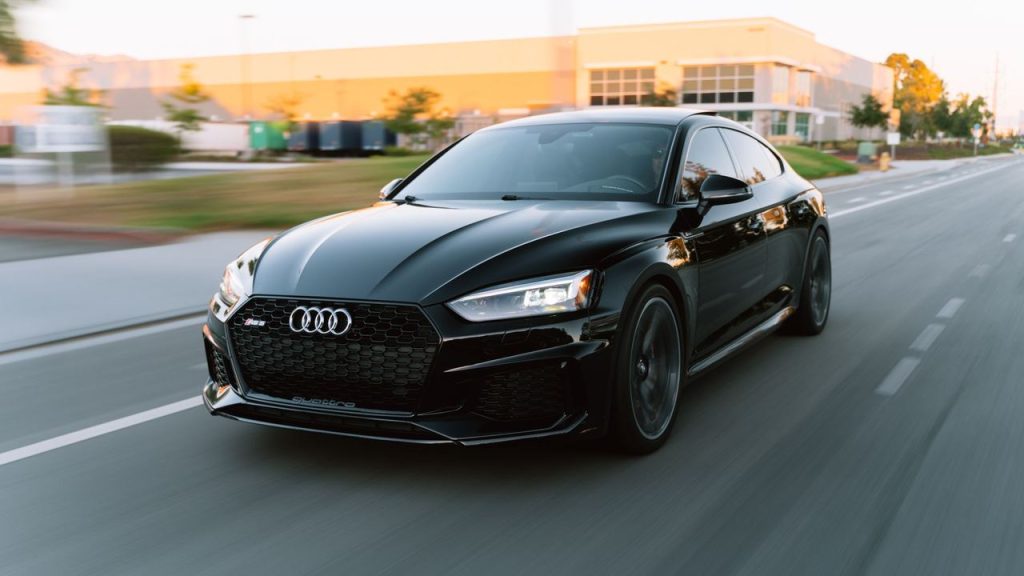
Two Audis that look the same in a parking lot can carry very different front discs, so the hunt for the best brake rotors for Audi cars starts with your exact brake package rather than a brand name. An A4 with the base brakes and an A4 with the larger sport setup take rotors of different diameters, and a Q5 changed its brakes again when the second generation arrived.
This guide covers how Audi sizes its rotors, which styles suit a daily driver here, and six specific listings for the A4, A5, A6, Q5 and Q3. For a brand-neutral primer on blank, drilled and slotted designs, see our overview of brake rotor types and brands.
Quick answer
Which rotors fit my Audi best?
Match the rotor to your model, year and brake package first. Bosch QuietCast and Brembo UV Coated discs are OE-style picks for the A4, A5 and Q5, Zimmermann covers the newer B9 and FY cars, and PowerStop Euro-Stop kits bundle rotors with pads. Fit matching pads with the new discs, and confirm the Audi’s brake size with Amazon’s checker.
Our Quick Picks
Three listings that cover the most common Audi jobs: an OE-style front rotor for B8-era cars, a large coated front disc for the newer B9 and FY models, and a complete front kit for the 2013-2017 Q5.

Bosch QuietCast 14011524
A factory-style front disc from Bosch's premium rotor line.

Zimmermann 100.3373.52
A large coated, perforated front disc for the current platform.

PowerStop Euro-Stop ESK7653
Coated rotors and EU-made pads for a full front axle in one order.
How Audi Decides Which Rotor Your Car Gets
Audi fits several brake packages to the same model, and each one has its own rotor diameter, thickness and caliper. The package is recorded as a PR code on the vehicle data sticker, usually found in the spare-tire well or in the service booklet.
That is why Audi rotor listings say “select” models. If the sticker is gone, measure the old rotor’s diameter, read the part number cast or stamped on its hat, and compare both with the listing before you order.
Generations matter too. The A4 and A5 moved from the B8 platform to B9 around 2017, and the Q5 went from the 8R body to the FY body for 2018. Rotors rarely carry over between them, so let Amazon’s fit checker have the final word.
OE-Style, Coated or Perforated on an Audi
- OE-style plain: the factory vane design and a smooth face. These feel closest to the original brakes and suit most commuters.
- Coated OE-style: the same disc with a finish on the hat, edge and often the vanes, so the areas the pads never touch hold off rust longer.
- Perforated or drilled: holes through the friction face, common on Audi’s larger sport brakes. They may wear pads a little faster.
If you want a quieter, cleaner pad to go with new discs, our guide to the best brake pads for daily driving explains the trade-offs, and Audi-specific choices are compared in our article on brake pads for Audi models.
Best Brake Rotors for Audi: Six Listings by Model
Each pick below states the models and axle its Amazon listing names. Audi often splits one model year across two rotor sizes, so confirm year, trim, front or rear and brake package with the fit checker before you buy.
1. Bosch QuietCast 14011524: Front Rotor for Select A4, A5, A6 and Q5
- Front rotor, sold singly
- Mill balanced against pedal pulsation
- OEM-style vane configuration
- Engraved discard thickness on the part
The Bosch 14011524 is a front rotor from the QuietCast premium range, sold as a single disc. Its Amazon listing names select Audi A4, A4 Quattro, A5, A5 Quattro, A6, Q5 and allroad models, which places it among the B8-era cars that share front brake hardware. Because Audi offered more than one front brake size on those models, the listing does not cover every car on that list.
Bosch says each QuietCast rotor is precision balanced so it spins evenly and avoids pedal pulsation, and that an OEM-style vane layout helps it shed heat and run quietly. The discard thickness is engraved on the casting along with the Bosch name, which makes it simple to judge wear at the next pad change. The brand explains the range on its Bosch QuietCast rotor page, including a lookup by part number.
This is a smooth, OE-style disc, so it suits drivers who want brakes that feel like the originals rather than a sport look. You need two for a front axle, plus a matching set of pads and usually a new wear sensor. Enter your year, model and brake package in Amazon’s fit checker, and compare the diameter with your old rotor before ordering.
View Bosch QuietCast 14011524 on Amazon
2. Brembo 09.B972.11: UV Coated Pillar Vented Front Rotor, OE# 8R0615301

- Front rotor, UV coated
- Pillar Venting Technology (PVT)
- High carbon content
- Listing names OE# 8R0615301
Brembo’s 09.B972.11 is a front rotor that its listing ties to the Audi OE number 8R0615301. The 8R prefix is the code for the first-generation Q5, and Audi used the same disc on some related models with the matching brake package. The listing names only the OE number rather than model years, so the fit checker and your old rotor’s part number are the way to confirm it.
The disc uses Brembo’s Pillar Venting Technology, a pattern of small pillars between the faces instead of plain vanes. Brembo says this layout improves cooling and raises the rotor’s resistance to cracking compared with a standard design. The listing also describes a high carbon content to cut vibration and noise, plus a UV coating that guards the surfaces against corrosion while keeping a clean look.
Brembo supplies brakes to many carmakers, and it states that its replacement discs meet or exceed the original material specs. That makes this a sensible choice for an older Q5 that has seen plenty of winters and needs a durable, factory-feel front disc. Buy a pair, pair them with new pads, and check that your Q5 has the standard front brake rather than a larger optional package.
View Brembo 09.B972.11 on Amazon
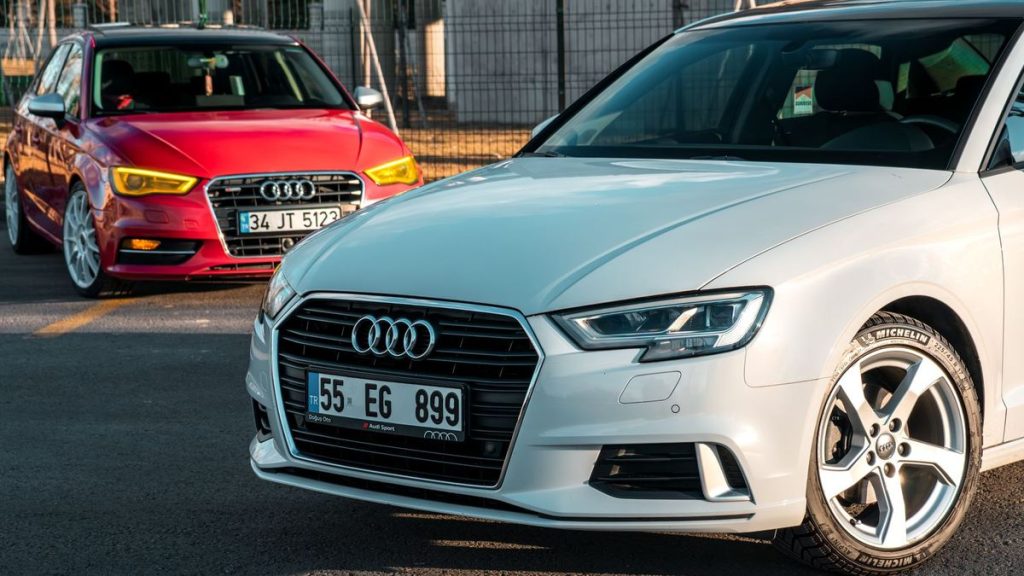
3. Zimmermann 100.3373.52: 349mm Coated Perforated Front Rotor for B9 and FY Audis
- Front, 349mm by 34mm, vented
- Coated, high carbon, perforated
- ECE R90 approved
- Listing names A4 B9, A5, A6 C8, Q5 FY
Zimmermann’s 100.3373.52 is a vented front rotor from the brand’s Formula Z line, made to 349mm across and 34mm thick. The listing names the Audi A4 B9, A5 (F5), A6 C8 and the second-generation Q5 (FY), along with some larger Audi and VW models, and cross-references OE numbers including 80A615301G. The minimum thickness listed is 32mm, which leaves a modest wear margin.
The disc is perforated, coated and made from high carbon iron, and the listing says it carries ECE R90 approval, the European standard for replacement brake parts. Holes through the friction face are common on Audi’s bigger front brakes, and they help clear water and pad gases. The coating protects the hat and edge, which matters on a car that spends winter on salted roads.
This rotor only suits cars fitted with the 349mm front brake, so measure the old disc or check the PR code first. It is a good match if your newer Audi came with perforated discs and you want to keep that setup. Pair it with pads made for the same brake package, since a pad built for a smaller rotor will not fit the caliper.
View Zimmermann 100.3373.52 on Amazon
4. PowerStop Euro-Stop ESK7653: Fully Coated Front Rotor and Pad Kit for 2013-2017 Q5
- Front kit: 2 rotors plus pads
- Rotors fully coated, vanes included
- ECE-R90 certified Pagid pads
- Listing names 2013-2017 Audi Q5
The ESK7653 is a front brake kit from PowerStop’s Euro-Stop range, and its Amazon listing names the 2013 to 2017 Audi Q5. It includes a pair of rotors and a set of pads, so a whole front axle comes in one box. PowerStop sells several Euro-Stop kits for the same Q5 years with different brake sizes, which is why the fit checker step matters here.
The rotors are high carbon castings, fully coated inside and out, including the cooling vanes, and machined to OES specifications. The pads come from Pagid, made in the EU and certified to ECE-R90, so PowerStop says they produce roughly the same dust as the factory pads. Its Euro-Stop brake kit page also lists electronic wear sensors and stainless hardware as part of the kit, and states a 36 month or 36,000 mile warranty.
This suits Q5 owners who want factory-style braking and would rather not source discs and pads separately. It is not a low-dust kit, so expect wheels to need regular cleaning, as they do with the original pads. Confirm your front rotor diameter or PR code before buying.
View PowerStop Euro-Stop ESK7653 on Amazon
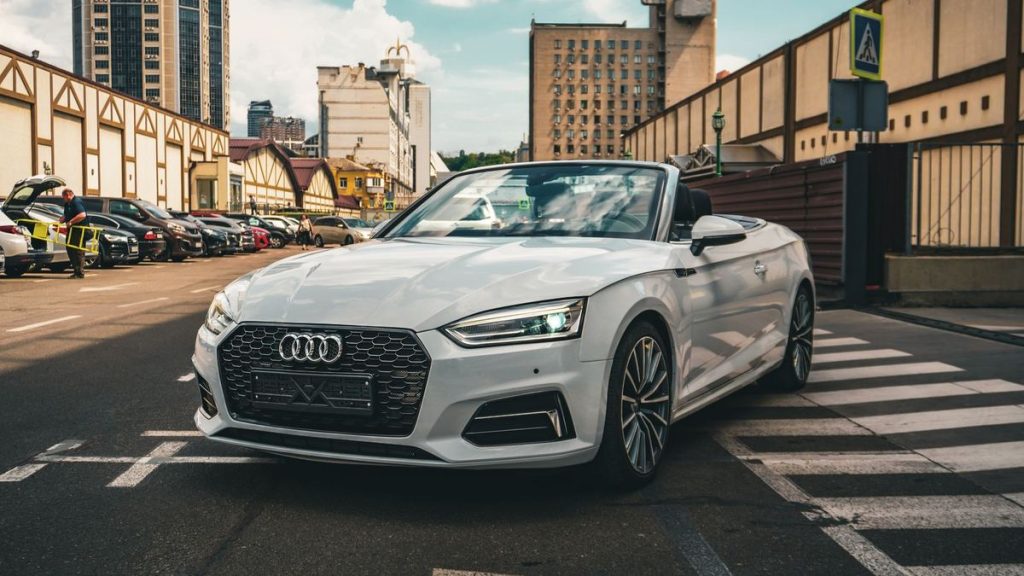
5. PowerStop Euro-Stop ESK6130: Front and Rear Coated Rotor Kit for A6 and A7

- Front and rear rotors plus pads
- High carbon, fully coated discs
- ECE-R90 Pagid pads, made in the EU
- Listing names A6 2012-18, A7 Quattro 2013-18
PowerStop’s ESK6130 is a four-wheel Euro-Stop kit, and the listing names the Audi A6 from 2016 to 2018, the A6 Quattro from 2012 to 2018 and the A7 Quattro from 2013 to 2018. That covers the C7 generation of both cars. Inside are front and rear rotors with matching pad sets, and the listing notes that the order may arrive in more than one box.
The discs are high carbon and fully coated, including the vanes, and are machined to OES specifications for smooth, quiet stops. The pads are Pagid units made in the EU and certified to the ECE-R90 standard, which PowerStop says gives OE-like stopping power and dust levels. Like the rest of the Euro-Stop range, it aims to replace the factory brakes rather than change how they feel.
A full set makes sense when both axles are worn, which is common on an A6 that has covered a lot of highway miles. Many C7 A6 and A7 cars have an electronic parking brake, so the rear calipers need a scan tool to retract. Check that the kit matches your engine and brake package in the fit checker, since Audi offered more than one brake size on these cars.
View PowerStop Euro-Stop ESK6130 on Amazon
6. Bosch QuietCast 53011406: 286mm Coated Rear Rotor for Select Q3 and A3

- Rear rotor, 286mm, single
- Aluminum/zinc Alutherm 80 coating
- G3000 heat-flowed casting
- Listing names A3, Q3 and VW models
This Bosch QuietCast 53011406 is a 286mm rear rotor, sold singly. The listing names select Audi A3, A3 Quattro, Q3 and Q3 Quattro models, plus a long list of Volkswagens including the Tiguan, Passat, GTI and Jetta. That breadth comes from the shared platform these cars sit on, and it is also why your exact year and rear brake size need checking.
Bosch describes a G3000 heat-flowed casting for consistent wear and quiet running, along with an OEM-style vane design that spreads heat. A bi-metal aluminum and zinc coating, which Bosch calls Alutherm 80, protects the hat and edges from rust and keeps a clean look behind open wheels. Where the vehicle needs one, the rotor carries an OEM-style ABS tone ring.
Rear rotors on a compact Audi crossover usually outlast the fronts, but road salt can rust them out before they wear thin. This disc suits a Q3 or A3 that needs a straightforward rear brake job with factory feel. Order two, fit fresh rear pads, and confirm with Amazon’s fit checker that your car uses the 286mm rear rotor, since newer generations changed the rear brake.
View Bosch QuietCast 53011406 on Amazon
Matching Each Pick to Your Audi
Use this table to narrow the list to your model, then check the exact part number against your car.
| Audi model | Listing | Axle and style | Good fit for |
|---|---|---|---|
| A4, A5, A6, Q5, allroad (select) | Bosch QuietCast 14011524 | Front, OE-style | Owners who want factory feel |
| Q5 (OE# 8R0615301) | Brembo 09.B972.11 | Front, UV coated, pillar vented | First-generation Q5 drivers |
| A4 B9, A5 F5, A6 C8, Q5 FY | Zimmermann 100.3373.52 | Front, 349mm, coated and perforated | Newer cars with the large front brake |
| Q5 2013-2017 | PowerStop Euro-Stop ESK7653 | Front kit, rotors and pads | One order for a full front job |
| A6 2012-2018, A7 2013-2018 | PowerStop Euro-Stop ESK6130 | Front and rear kit | Doing both axles at once |
| Q3, A3 (select) | Bosch QuietCast 53011406 | Rear, 286mm, coated | Compact Audi rear brake jobs |
Check the quantity in each listing. Rotors always go on as a left and right pair on the same axle, with fresh pads and, on most Audis, a new wear sensor.
Salt, Hub Rust and Audi Rotors in West Michigan
Brine sprayed on Grand Rapids roads finds its way onto every brake part, and Audi hubs are no exception. Scale builds up where the rotor hat meets the hub, and a thin layer is enough to tilt a new disc slightly. That tilt shows up as runout, then as a pulse through the pedal a few thousand miles later.
A coated rotor slows rust on the hat and vanes, and our comparison of coated brake rotors for rust looks at the finishes in more detail. The hub face still needs cleaning to bare metal at every rotor change, and on models that use a small rotor retaining screw, it should come out cleanly and go back snug, not seized.

Installing Audi Rotors and When to Bring It In
Even the best brake rotors for Audi cars are wear parts. The minimum thickness is stamped on the rotor, and many Audi discs reach it by the time the second set of pads wears out. Below that figure, or with cracks, deep grooves, a heavy edge lip or blue heat spots, replace the rotor rather than machining it.
A shaking steering wheel under braking is not always a rotor problem. Our guide on why a car shakes when braking walks through worn control arm bushings, tire balance and the other usual suspects.
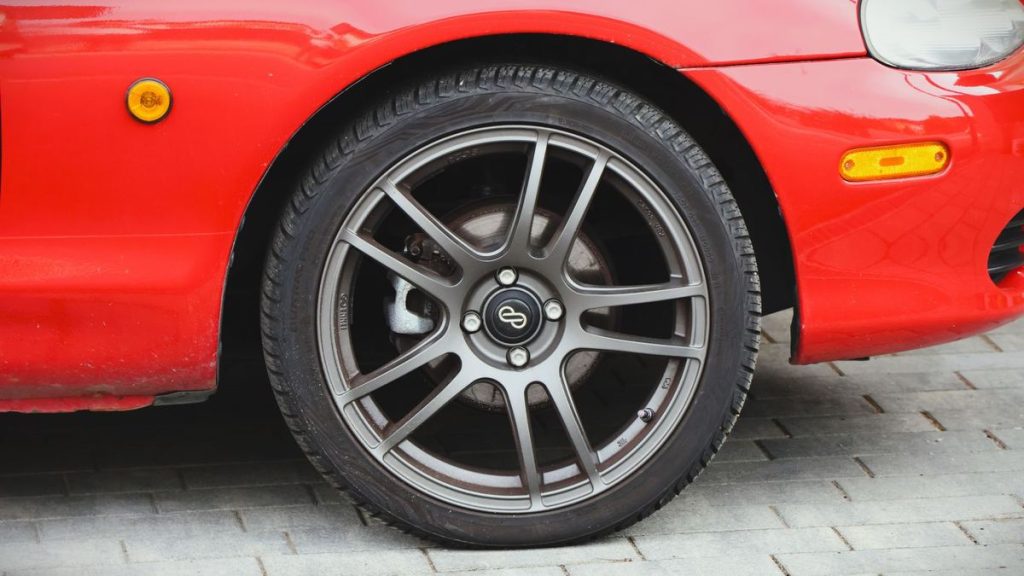
When you fit new discs, clean the hub, torque the caliper carrier bolts and wheel bolts to the factory spec in a star pattern, and bed in the pads and rotors following the maker’s directions. On Audis with an electronic parking brake, the rear system has to be put into service mode with a scan tool before the rear caliper can be retracted.
If that sounds like more than a weekend job, or the pedal feels soft or the car pulls, have it looked at. We handle brake repair in Grand Rapids and general Audi repair for owners of every model in this guide.
More Buying Guides
Frequently Asked Questions
Do I need new rotors every time I replace Audi brake pads?
Not always, but often. Many Audi discs have little thickness to spare when new, so measure them at every pad change. If they are near the stamped figure, scored or causing a pulse, replace them with the pads.
How do I find my Audi’s brake package code?
Look for the vehicle data sticker in the spare-tire well or the service booklet. The brake PR codes on it identify the front and rear brake size. A parts counter or dealer can also decode them from your VIN.
Are perforated rotors a good idea on a daily-driven Audi?
They work fine when they match your car’s factory size, and some Audi sport brakes come perforated from new. For plain commuting, a coated OE-style disc is just as effective and is usually gentler on pads.
What are the best brake rotors for Audi Q5 models?
It depends on the generation. For a first-generation 8R Q5, look at the Brembo 09.B972.11 or the PowerStop Euro-Stop ESK7653 kit. For the 2018 and later FY Q5 with the large front brake, the Zimmermann 100.3373.52 is the listing in this guide.
Does your Audi grind, shudder or squeal when you slow down? Call 456 AutoFix at 616-279-3832, Monday to Friday 8am to 5pm, or set up a brake inspection on our contact page.
Can’t get away on a weekday? Use the after-hours drop-off at our 456 Carrier St NE shop and tuck a quick note about the noise or vibration in with the keys.