
As an Amazon Associate, 456 AutoFix earns from qualifying purchases. Product links below go to Amazon, where you can confirm the right part for your vehicle.
Walk down any oil aisle and Mobil 1 sits within arm’s reach of Valvoline. Most people settling the mobil 1 vs valvoline question are not choosing between good and bad oil. They are choosing between two full synthetics that share many of the same industry licenses, and the small print on each jug says more than the brand name does.
To keep this fair, we put each brand’s core full synthetic, both sold as “Advanced,” side by side in the same grade, 5W-30. We then added Valvoline’s high mileage full synthetic for older engines and read every listing line by line. If you want a wider field that includes Pennzoil, Castrol and Amsoil, our full synthetic oil roundup lines up six of them.
Quick answer
Is Mobil 1 or Valvoline the smarter buy for a 5W-30 engine?
Either works when the jug matches what your owner’s manual asks for. Valvoline Advanced prints its full approval list on the listing, including API SP, ILSAC GF-7A and dexos1 Gen 3. Mobil 1 Advanced leans on a stated mileage guarantee and sludge-fighting additives. Pick by the spec your engine needs first.
Our Quick Picks
One core 5W-30 full synthetic from each brand, plus Valvoline’s high mileage synthetic for older engines, all three reviewed in full below.

Mobil 1 Advanced 5W-30
Core Mobil 1 synthetic sold on engine life and a stated mileage guarantee.

Valvoline Advanced 5W-30
Core Valvoline synthetic that prints its full approval list on the listing.
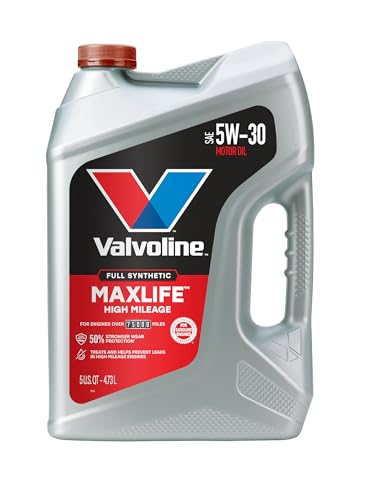
Valvoline MaxLife Full Synthetic 5W-30
Valvoline’s older-engine synthetic, with seal conditioners added to the base oil.
Read the Label Before the Logo
Three things on the bottle matter more than the brand. First is the viscosity grade, such as 5W-30, which must match the grade in your owner’s manual or on the oil filler cap. Second is the industry license: the API “donut” on the back label and, for most gasoline cars, the ILSAC starburst on the front. Third is any carmaker specification your manual names, such as GM dexos1, a Ford WSS number or a Chrysler MS number.
The API donut is more than decoration. The American Petroleum Institute runs a licensing program for it, and licensed oils are bought from stores and checked against the formulas the marketer has on file. That system is a large part of why two licensed oils in the same grade tend to land close together, whatever the brand.
What the mileage numbers mean
Mobil 1 titles its Advanced listing with 10,000-mile protection, and a bullet mentions a 15,000-mile guarantee marked with an asterisk. Valvoline gives no mileage figure and sells Advanced on wear, deposit and heat numbers against industry standards. Neither number changes your car’s schedule: your owner’s manual or the car’s oil life monitor still decides when the oil comes out.
Short trips, idling, towing and cold weather all count as severe service in many manuals, and they shorten the interval for any brand. If you are not sure how far a stretched change can safely go, our article on how long you can go without an oil change explains what happens as oil ages past its limit.
Mobil 1 vs Valvoline, Same Grade on Paper
The table uses only what each Amazon US listing states, plus GM’s public dexos1 Gen 3 licensed brands list. Where a listing does not mention something, the table says so rather than guessing.
| Point | Mobil 1 Advanced 5W-30 | Valvoline Advanced 5W-30 | Valvoline MaxLife Full Synthetic 5W-30 |
|---|---|---|---|
| Base type | Full synthetic | Full synthetic | Full synthetic |
| Mileage claim in listing | 10,000-mile protection in the title, a 15,000-mile guarantee in the bullets (with fine print) | No mileage figure stated | No interval stated, aimed at engines past 75,000 miles |
| Additive pitch | Triple Action Formula, friction reduction, sludge-fighting additives | Protection against wear, friction, heat and deposits | Seal conditioners to help prevent leaks and cut oil use |
| Performance claims | Helps extend engine life, even in severe conditions | 40% stronger wear protection, 15% better deposit defense, up to 2.5X heat protection vs industry standards | 50% stronger wear protection, 20% stronger sludge defense, 2.5X heat protection vs industry standards |
| Cold-start claim | Not stated in the bullets | Low-temperature flow to cut metal-to-metal contact at cold starts | Not stated in the bullets |
| API, ILSAC and carmaker specs in listing | Not stated in the bullets | API SQ and SP, SN PLUS, ILSAC GF-7A, Ford WSS-M2C961-A1, Chrysler MS-13340, GM dexos1 Gen 3 | API SQ and SP, SN PLUS, ILSAC GF-7A, Ford WSS-M2C961-A1, Chrysler MS-13340 |
| Named on GM’s dexos1 Gen 3 list | Not under the “Advanced Full Synthetic” name | Yes, 5W-30 entry listed | Not under the “MaxLife High Mileage Full Synthetic” name |
The biggest gap is how much each listing tells you. Valvoline spells out every license and carmaker spec in its bullets, while the Mobil 1 bullets stick to protection and mileage claims, so you have to turn that bottle around to read its approvals. The MaxLife jug repeats most of Valvoline’s printed licenses but swaps the cold-start pitch for seal conditioners.
Mobil 1 vs Valvoline: Three 5W-30 Oils Up Close
All three are 5-quart jugs of 5W-30, enough for many four and six cylinder engines. Check your manual for the exact capacity before you buy, since some engines take more than five quarts with the filter. The Mobil 1 jug is also reviewed in our six-oil synthetic comparison, and we reuse it here because it is the brand’s core full synthetic in this grade.
Mobil 1 Advanced Full Synthetic 5W-30: 5-Quart Motor Oil with 10,000-Mile Protection
- Full synthetic 5W-30, 5-quart jug
- 10,000-mile protection named in the title
- Triple Action Formula with friction reduction
- Additives to help fight sludge
Advanced Full Synthetic is the everyday tier of the Mobil 1 range, one step below Extended Performance. This listing covers the 5W-30 grade in a 5-quart jug, and its title names 10,000-mile protection, the Triple Action Formula and friction reduction. It is the same jug we reviewed in our wider synthetic oil comparison.
The feature bullets say the oil helps extend engine life even in severe conditions and contains additives that help fight sludge. Mobil 1 also states protection for 15,000 miles with a guarantee marked by an asterisk, so the terms sit in the fine print on the product rather than on the listing. The bullets do not list API, ILSAC or carmaker approvals, and GM’s dexos1 Gen 3 list does not show an entry under the Advanced Full Synthetic name, so read the back label for the API donut, the starburst and any dexos mark before you buy.
This oil suits a driver whose manual calls for 5W-30 and who wants a widely stocked synthetic with a written mileage guarantee. It does not change the interval your manual or oil life monitor sets. It is not the right jug for an engine that needs 0W-20, a diesel rating or a European maker spec it does not print.
View Mobil 1 Advanced 5W-30 on Amazon

Valvoline Advanced Full Synthetic 5W-30: 5-Quart Motor Oil with dexos1 Gen 3 and API SP
- Full synthetic 5W-30, 5-quart jug
- Low-temperature flow for cold starts
- API SQ and SP, ILSAC GF-7A in listing
- Ford, Chrysler and GM dexos1 Gen 3 specs
Advanced Full Synthetic is Valvoline’s standard full synthetic, the rung below Extended Protection. This 5-quart jug is the 5W-30 grade, and the listing frames it around the four main causes of engine breakdown: wear, friction, heat and deposits.
Against industry standards, Valvoline claims 40% stronger wear protection, 15% better deposit defense and up to 2.5 times better heat protection to fight sludge and thermal breakdown. The listing also says the oil is engineered for strong low-temperature flow, which cuts metal-to-metal contact during cold starts, when most engine wear tends to happen. Its approvals are spelled out in full: ILSAC GF-7A, API SQ, API SP, API SN with SN PLUS and Resource Conserving, plus Ford WSS-M2C961-A1, Chrysler MS-13340 and GM dexos1 Gen 3. GM’s own dexos1 Gen 3 list shows Valvoline Advanced Full Synthetic 5W-30 entries as well.
It suits an owner who wants to check approvals before buying, including many Ford, Chrysler and GM gasoline engines whose manuals call for those specs in 5W-30. The listing gives no mileage figure, so your manual or oil life monitor sets the interval. It is not a match for engines that need 0W-20, a diesel spec or a European approval it does not print.
View Valvoline Advanced 5W-30 on Amazon
Valvoline MaxLife High Mileage Full Synthetic 5W-30: 5-Quart Motor Oil with Seal Conditioners for 75,000+ Miles
- Full synthetic 5W-30, 5-quart jug
- Built for engines past 75,000 miles
- Seal conditioners to curb leaks and oil use
- API SQ and SP, ILSAC GF-7A, Ford and Chrysler specs
MaxLife High Mileage Full Synthetic is the Valvoline line built for older engines, and this jug holds 5 quarts of the same 5W-30 grade as the two Advanced oils above. Valvoline aims it at vehicles with 75,000 miles or more, so it gives this comparison a third angle rather than a direct rival to either core synthetic.
The listing says its seal conditioners help prevent oil leaks, reduce oil consumption and improve fuel economy. Measured against industry standards, Valvoline claims 50% stronger wear protection, 20% stronger sludge defense and 2.5 times better heat protection. Its approval list closely tracks the Advanced jug: ILSAC GF-7A, API SQ, API SP, API SN with SN PLUS and Resource Conserving, plus Ford WSS-M2C961-A1 and Chrysler MS-13340. GM dexos1 Gen 3 is missing from the bullets, and GM’s list shows MaxLife only under an Extended Protection name, so check the bottle if your GM manual asks for dexos.
It fits a car that has passed 75,000 miles and has begun leaving small drips or needing a quart between changes. Seal conditioners can slow minor seepage, but they will not cure a failed gasket or a worn engine. The listing states no change interval, so your manual or oil life monitor still sets the schedule.
View Valvoline MaxLife Full Synthetic 5W-30 on Amazon

How the Two Brands Line Up Overall
The ladders on the shelf
Mobil 1’s passenger car range on Amazon runs from Advanced Full Synthetic and Advanced Fuel Economy up to Extended Performance, with High Mileage and Extended Performance High Mileage for older engines. European-focused grades such as the FS European Car Formula sit alongside. Valvoline’s ladder starts with Advanced Full Synthetic, then Extended Protection, Restore & Protect for deposit cleanup, MaxLife High Mileage and a European Vehicle line.
The two Advanced oils in this comparison face each other directly: each is the brand’s standard full synthetic, one step below its longer-interval tier. Mobil 1 Extended Performance and Valvoline Extended Protection, in 0W-20, appear in our cold weather motor oil guide if your car’s maker allows longer gaps between changes.
Approvals, only as stated
Valvoline’s listing names ILSAC GF-7A, API SQ and SP, the Ford and Chrysler material specs and GM dexos1 Gen 3. GM’s dexos1 Gen 3 licensed brands list backs that up with Valvoline Advanced Full Synthetic 5W-30 entries. The list carries several Mobil 1 5W-30 entries too, but none uses the “Advanced Full Synthetic” name printed on this jug.

So if your GM car calls for dexos1 Gen 3, look for the dexos mark on the Mobil 1 bottle itself before you pour. Some European engines need their own maker specs, and many newer engines want 0W-20 or 0W-16 instead of 5W-30.
Guarantees and fine print
The Mobil 1 listing marks its 15,000-mile guarantee with an asterisk, which points to terms printed on the product or the maker’s site. The Valvoline listing makes no mileage promise and states its gains against industry standards.
Which Owner Should Pick Which
None of the three is a wrong choice for an engine that calls for licensed 5W-30. The table below matches each jug to the owner it fits best, based only on what each listing states.
| Your situation | Better fit | Why |
|---|---|---|
| You want every approval printed on the listing | Valvoline Advanced | API, ILSAC, Ford, Chrysler and dexos specs all named |
| You want a written mileage guarantee | Mobil 1 Advanced | 15,000-mile guarantee stated, terms on the product |
| Your GM car calls for dexos1 Gen 3 | Valvoline Advanced, or Mobil 1 if the bottle shows the mark | Only Valvoline names dexos in the listing |
| Engine past 75,000 miles with small leaks | Valvoline MaxLife Full Synthetic | Seal conditioners aimed at seepage and oil use |
| Mostly short trips in winter | Any of the three, shorter interval | Severe service shortens the change interval for any brand |
| Your engine needs a European maker spec | None of them, unless the jug lists it | Use an oil that prints the exact spec your manual names |
If you are still on the fence in the mobil 1 vs valvoline choice, buy the one you can find in your grade and spec at the next change and stick with it. Switching between licensed oils of the same grade is fine, but keeping one brand makes it easier to notice if your engine starts using oil.
Michigan Winters and the “5W” in 5W-30
The first number in 5W-30 describes how the oil behaves cold, and the “W” stands for winter. On a January morning in Grand Rapids, a lower first number lets oil reach the bearings and cam faster at startup. If your manual allows both 0W-30 and 5W-30, the 0W grade is the easier choice for a car that sits outside overnight.
Winter driving here also adds condensation. A car that only makes short trips across town never gets the oil hot enough to cook off moisture and fuel, so the oil wears out sooner no matter whose name is on the jug. Plan a shorter interval through the cold months and check the dipstick every few fill-ups.
When the Oil Brand Is Not the Real Issue
If your engine is burning a quart between changes, switching from Mobil 1 to Valvoline or back will not fix it. Turbocharged engines can be prone to oil use as they age, and our page on Audi 2.0T oil consumption explains what counts as normal. A red oil can on the dash is a stop-now warning, which our oil pressure light guide covers.

Would you rather skip the drain pan altogether? We do oil changes in Creston for foreign and domestic vehicles, and we can confirm which grade and spec your manual calls for before the new oil goes in. Engine repair is among the areas where Hendrick Hoffman, who owns the shop, carries both ASE and State of Michigan certification.
More Buying Guides
Frequently Asked Questions
Is Mobil 1 better than Valvoline?
Not in any way a label can prove. Both Advanced 5W-30 oils are full synthetics sold for the same engines. Valvoline prints more approvals on its listing, while Mobil 1 offers a stated mileage guarantee. Choose the one that carries the spec your manual names.
Can I switch from Mobil 1 to Valvoline, or mix them?
Yes. Licensed oils of the same grade are made to be compatible, so switching at a change is fine and topping up with the other brand will not harm the engine. For the cleanest results, fill with one oil at each change.
Does a mileage guarantee on the jug set my oil change interval?
No. Your owner’s manual or oil life monitor sets the interval, and short trips, towing and cold weather often shorten it. A long claim on the jug is a margin, not a new schedule.
Where does Pennzoil fit in?
Pennzoil is the other big full synthetic brand on the same shelf, and our synthetic oil roundup includes Pennzoil Platinum 5W-30. The same rule applies: match the grade and the approvals in your manual first.
Want someone else to handle the oil and the paperwork? Call 456 AutoFix at 616-279-3832, Monday to Friday 8am to 5pm, or request an oil change through our contact page.
No time before five? Bring the car to 456 Carrier St NE once the work day is over and use the after-hours drop-off, then give us a call the next morning to talk through the job.