456 Carrier St NE, Grand Rapids, MI 49505 Mon to Fri, 8:00am to 5:00pm. After-hours drop-off available 456autofix@gmail.com

Category: Engine, Electrical & Climate

  • Car Fuse Keeps Blowing? How a Short Is Found (and Why a Bigger Fuse Is Dangerous)

    Car Fuse Keeps Blowing? How a Short Is Found (and Why a Bigger Fuse Is Dangerous)

    When a car fuse keeps blowing, the fuse is doing its job. You swap in a new one, the radio comes back, and then it dies again. That repeat is the clue.

    A fuse that blows again is a symptom, not the fault. Here is how to read the pattern and how a short actually gets found.

    Quick answer

    Why does my car fuse keep blowing?

    A fuse that keeps blowing means the circuit is drawing too much current. If it blows instantly, a wire or part is usually shorted to ground. If it blows later or only sometimes, look at a struggling motor, an added accessory or a wire that shorts when it moves. Never fit a bigger fuse.
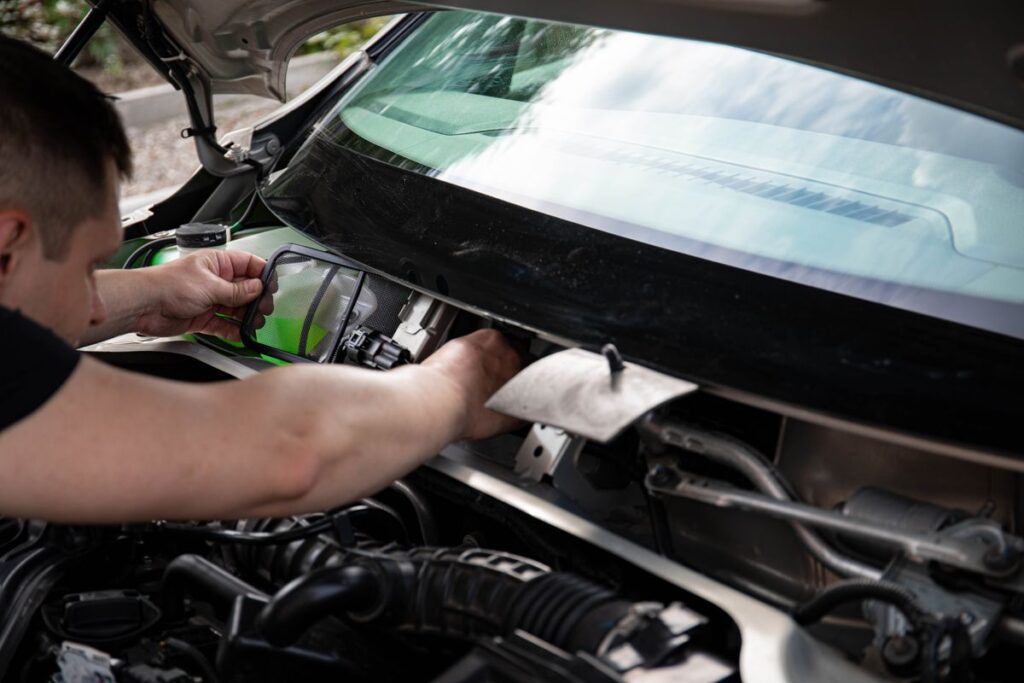
    Mechanic reaching into an engine bay

    What a Fuse Is Protecting

    Every fuse is sized to protect the wiring behind it. When current climbs past its rating, the metal strip inside melts and cuts power before the wire overheats. One fuse often feeds several things, so a fault in any of them can take it out.

    Spotting a blown fuse is easy, and our guides to a car horn that is not working and windshield wipers that stop working both walk through it. This guide covers what to do when the replacement blows too.

    SlashGear’s guide to telling if your car has a blown fuse says that if the new fuse blows right away or shortly after, something is drawing too much current, often a short in the wiring or a faulty aftermarket part such as a custom stereo or security system. Repeatedly replacing fuses, it says, just masks a deeper problem.
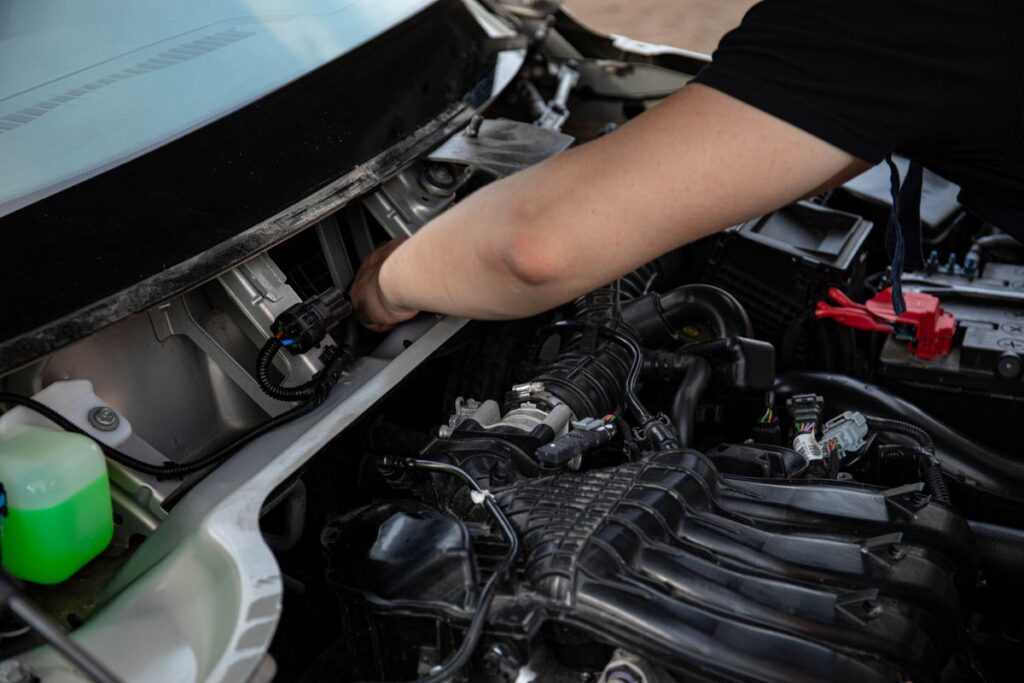
    Hands working in an engine bay

    Blows Instantly or Blows Later?

    When the fuse goes is the most useful clue you can give a mechanic.

    It Blows the Moment You Switch On

    An instant blow almost always means a dead short to ground. A powered wire is touching bare metal, so current rushes straight to ground. Common causes include:

    • a wire chafed through on a bracket or pinched under a panel or seat track
    • a screw driven through a harness during earlier work
    • water and corrosion inside a connector or a light socket
    • a component that has failed internally, such as a motor or a bulb holder

    It Blows After a While or Only Sometimes

    A delayed blow points to a circuit that is overloaded rather than shorted. A motor with worn bearings or a stiff mechanism, like a blower fan or a power window regulator, draws more current as it struggles. Plug-in accessories add to the load as well.

    Wiring beside a cooling fan

    A fuse that only blows on rough roads, in wet weather or when you open a door usually has an intermittent short. The bare spot on the wire only touches metal when the harness moves. These are tricky, because the car often behaves once it is parked in the shop.

    If the blower fan is the circuit acting up, our guide to a blower motor that only works on high covers its own resistor and thermal fuse.

    When a Car Fuse Keeps Blowing: Causes and Urgency

    Match the pattern you see to the likely cause.

    When it blowsLikely causeHow urgent
    With a burning plastic smell, smoke or melted wiringWire overheating or a hard shortHigh Stop now and don’t replace the fuse again
    Instantly, every time you switch onDead short to ground in a wire, connector or partHigh Leave it out and book a diagnosis
    On bumps, in rain or when a door opensIntermittent short where a harness moves or gets wetSoon Book a diagnosis within days
    After minutes of using one motorWorn or binding motor drawing too much currentModerate Have the motor and circuit tested
    Only when an accessory is plugged inOverloaded outlet or a faulty accessoryLow Unplug it and try a new fuse
    Car fuse keeps blowing: when it blows, the likely cause and how urgent it is
    Old dashboard with gauges and switches

    Why a Bigger Fuse Is Dangerous

    Never install a higher-rated fuse, and never bypass a fuse with foil, wire or a jumper. Either one can start a fire.

    The wire behind a fuse is sized to match its rating. Put a bigger fuse in its place and the short is still there, but now nothing stops the current. The wire itself becomes the fuse, heating up until it melts the insulation on wires bundled beside it.

    Always replace a fuse with the exact rating printed on it and on the fuse box diagram. If you smell burning plastic or see smoke, stop and don’t keep replacing fuses.

    What You Can Safely Check Yourself

    A few checks need no tools and can narrow things down before you book in:

    1. Unplug everything from the power outlets, including chargers and dash cams, then fit a new fuse of the correct rating.
    2. Think about recent work, such as a new stereo, lighting or a remote starter.
    3. Look for a wet footwell, a crushed wire under a seat or a cracked rubber boot between a door and the body.
    4. Write down exactly what quit and when the fuse blew. That one note helps a mechanic start in the right place.
    Rusty old truck with the hood open

    Stop there if the fuse blows again. Pulling panels and probing harnesses can create new problems, especially near airbag wiring. If a battery keeps going flat as well, read our guide to a car battery that dies overnight, since a parasitic drain is a related electrical fault.

    How a Mechanic Finds the Short

    MOTOR, a trade magazine for technicians, laid out a method for this exact problem in its article on quick tricks for troubleshooting electrical problems. In everyday terms:

    • Read the wiring diagram: see everything that fuse feeds, then unplug the easiest devices first.
    • Divide and conquer: since most fuses protect more than one circuit, test each branch on its own until the faulty leg is isolated.
    • Trace the signal: a fault tracer sends a weak signal down the wire, and a receiver beeps along its path to find shorts without unwrapping whole harnesses.
    • Wiggle test: shake sections of harness to make an intermittent short show itself.

    The article also describes a technician who went through about half a dozen fuses on one car before the short turned out to be nicked wires in a harness that only shorted when it moved.
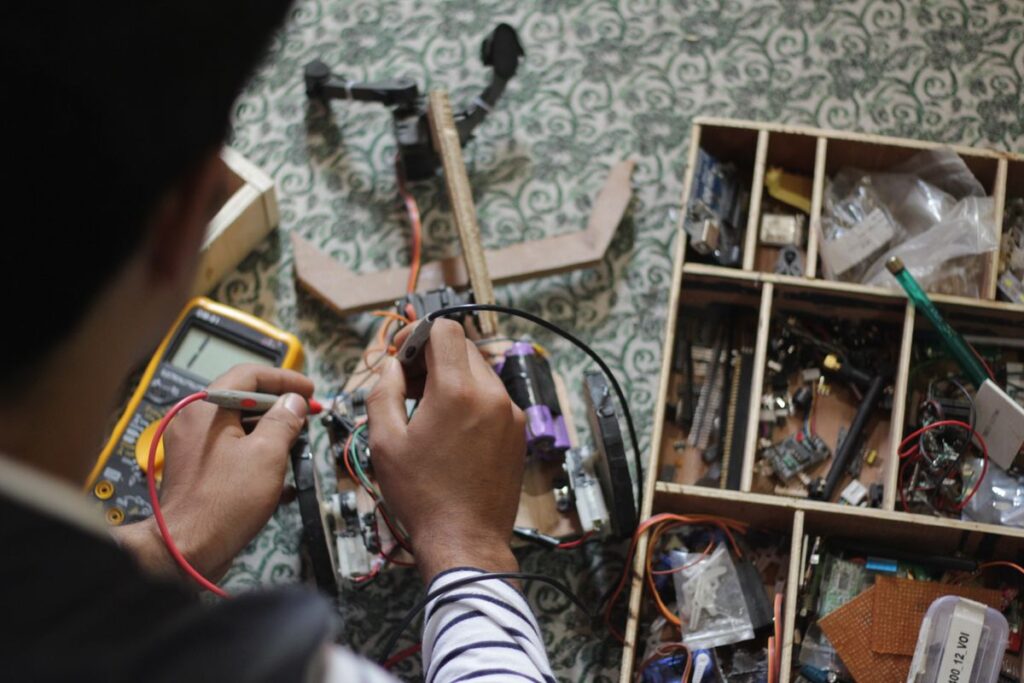
    Person testing wiring with a multimeter on a bench

    Our body and engine electrical repair in Grand Rapids covers foreign and domestic vehicles. Hendrick Hoffman, our owner and head mechanic, is ASE and State of Michigan certified in electrical. We don’t install aftermarket accessories, but we find the short and repair the wiring or the part behind it.

    Salt, Slush and Door Hinges in West Michigan

    Salt slush gets packed into connectors under the hood and along the frame, where it corrodes terminals and lets current leak to ground. Wiring in door, trunk and liftgate hinges flexes in the cold until the insulation cracks.

    Trailer plugs sit right in the road spray too. If a fuse only blows on salty or wet days, tell us, since that points to a corroded connector.

    Frequently Asked Questions

    Can I use a higher amp fuse if mine keeps blowing?

    No. The fuse is sized to protect the wire, so a bigger one lets the wire overheat instead and can start a fire. Always use the exact rating and find the cause.

    Is it safe to drive with a blown fuse?

    It depends on the circuit. A dead radio or power outlet is an inconvenience, but lights, wipers or anything that runs the engine are a safety issue. If you smell burning, stop.

    Can a bad motor make a fuse keep blowing?

    Yes. A worn or binding motor, such as a blower fan or window motor, draws more current as it struggles and can blow its fuse after a few minutes of use.

    How do mechanics find a short in a car?

    They use the wiring diagram to see what the fuse feeds, isolate each branch, trace the wire with a fault tracer and wiggle harnesses to bring out intermittent shorts.

    Need a short traced in Grand Rapids? Call 456 AutoFix at 616-279-3832, Monday to Friday 8am to 5pm, or book through our contact page.

    Can’t make it during the day? Use our after-hours drop-off. We’re at 456 Carrier St NE in Creston.

  • Do Catalytic Converter Cleaners Work? What They Can and Can’t Fix

    Do Catalytic Converter Cleaners Work? What They Can and Can’t Fix

    Do catalytic converter cleaners work? It is a fair question when the check engine light comes on, a scan shows a converter code, and a bottle on the store shelf promises to fix it for far less than a new part. The honest answer is “sometimes, and only for a narrow set of problems”.

    Here is what a cleaner can and can’t do, and when to book a repair instead.

    Quick answer

    Do catalytic converter cleaners work?

    Sometimes. A cleaner can loosen light carbon and soot deposits and may clear a borderline converter code for a while. It cannot repair a melted, cracked or oil-soaked converter, and it does nothing about the misfire, rich running or oil burning that caused the problem. Diagnose first, then decide.

    Person filling a car with a green fuel nozzle

    What a Catalytic Converter Cleaner Actually Does

    A catalytic converter cleaner is a fuel additive. You pour it into the gas tank, drive, and the solvents and detergents pass through the engine and out into the exhaust. The idea is that they help burn off carbon and soot coating the honeycomb inside the converter.

    Jalopnik’s guide on how to tell if your catalytic converter is clogged calls an additive the first thing many owners try once the light and codes appear. It says that if the catalysts are mildly clogged and are causing the check engine light, a cleaner “might do the trick”. It also warns that a substrate that is burnt or broken into chunks means replacing the whole converter.

    In short, a cleaner works on deposits, not on damage.

    Close-up of a honeycomb-like metal pattern

    When a Cleaner Can Help

    A cleaner has a real chance in a few situations:

    • Light carbon buildup: lots of short trips can leave soot on the converter and sensors, and a dose plus a good highway drive may clear some of it.
    • A borderline efficiency code: if the converter is only just under the limit, a cleaner may bring it back over for a while.
    • After the cause is fixed: once a misfire or rich condition has been repaired, a cleaner can help shift what that problem left behind.

    Even then, treat a good result as a reprieve, not a cure.

    When a Cleaner Is Wasted Money

    No additive can rebuild a honeycomb that has melted from overheating, cracked and started rattling, or been coated by oil or coolant. Physical damage from a hard hit is the same story. It also can’t fix a leak or sensor that only makes the converter look bad.

    Converters rarely die on their own. Misfires, oil burning, coolant leaks and rich running usually kill them, and Jalopnik adds worn spark plugs and a dirty air filter to that list. Our guide to bad catalytic converter symptoms and what usually kills a converter covers each cause, and none of them goes away with a cleaner.

    Heavily rusted metal surface

    Do Catalytic Converter Cleaners Work on Your Problem?

    Use this table to match what you are seeing with what a cleaner can realistically do.

    Converter problemWill a cleaner help?What actually fixes itHow urgent
    Flashing check engine lightNo, and unburned fuel can overheat the converterFind and repair the misfire firstHigh Now: ease off and get it checked
    Rattle from under the carNo, the honeycomb is breaking upConverter replacementHigh Now: pieces can block the exhaust
    Weak power, hot smell, poor fuel economyRarely, it may be badly restrictedRestriction test, then usually replacementSoon Book a diagnosis within days
    Converter code after oil or coolant lossNo, the catalyst is contaminatedFix the leak, then replace the converterSoon The engine problem comes first
    Borderline code, car runs normallyMaybe, if it is light depositsDiagnosis; a cleaner is a fair try afterLow Have it scanned at a convenient time
    Catalytic converter problems compared by whether a cleaner can help, the real fix and how urgent each one is

    Diagnose Before You Pour

    A converter code says the system thinks the converter is not cleaning the exhaust well enough. It does not prove the converter is the faulty part. Our guide to a check engine light that is on while the car runs fine explains P0420 in plain words.

    Rule out the look-alikes first:

    1. An oxygen sensor: a lazy sensor can make a healthy converter look tired, as our guide to bad oxygen sensor symptoms explains.
    2. An exhaust leak ahead of a sensor: outside air sneaking in skews the readings. Here are the exhaust leak symptoms to listen and smell for.
    3. A misfire: if the light is flashing, stop and read our guide to a flashing check engine light and what to do.
    4. Rich running or oil burning: worn plugs, a dirty air filter or a tired engine keep feeding the converter what clogs it. Our guide on how often to change spark plugs covers the plug side.
    Mechanic using a diagnostic tablet beside a car

    How a Shop Checks a Converter for Restriction

    Jalopnik notes that a clogged converter adds backpressure, which hurts performance and can eventually lead to overheating. A mechanic can usually confirm restriction without removing anything.

    • Backpressure test: a gauge in a sensor port ahead of the converter shows whether exhaust is backing up.
    • Intake vacuum test: vacuum that sags as engine speed is held up points to a blocked exhaust.
    • Inlet vs outlet temperature: a working converter usually runs hotter at the outlet than the inlet.
    • Sensor data: comparing the upstream and downstream oxygen sensors shows how well the converter is storing oxygen.
    Mechanic inspecting a vehicle with a work light

    If You Decide to Try a Cleaner

    If the diagnosis points to light deposits, a cleaner is a reasonable experiment:

    • Fix any misfire, leak or rich condition first, or the converter will just clog again.
    • Use a product meant for your fuel type and follow the label exactly.
    • Drive long enough for the exhaust to get properly hot, ideally a steady highway run.
    • Never use one with a flashing check engine light, and never pour in solvents not sold for the job.
    • If the code comes back, stop buying bottles. The converter or its cause needs a real repair.

    West Michigan winters work against converters. Short trips across Grand Rapids in the cold often end before the exhaust is fully hot, which lets soot build up. If you drive in a state that tests emissions, remember that clearing a code also resets the readiness checks, so the car must complete a full drive cycle before it is ready.

    Steam rising on a cold city street

    When Replacement Is the Real Fix

    A rattle, a confirmed restriction, contamination or a code that keeps returning all point the same way. Jalopnik calls the converter a non-serviceable part, and a broken or burnt substrate means a new converter.

    Our exhaust and catalytic converter repair in Grand Rapids covers converters, pipes and mufflers on foreign and domestic vehicles. If the root cause is still unknown, our check engine light diagnostic in Grand Rapids starts there. Hendrick Hoffman, our owner and head mechanic, is ASE and State of Michigan certified in engine repair and engine tune-up.

    Frequently Asked Questions

    Can a catalytic converter cleaner fix P0420?

    Sometimes, if the converter is only lightly fouled and borderline. If the code comes from a damaged converter, a bad oxygen sensor, an exhaust leak or a misfire, a cleaner won’t fix it, and the code usually returns.

    How long does it take for catalytic converter cleaner to work?

    Follow the label, since products differ. Most go into the fuel tank and work as you drive through that fuel. If the light comes back after a few drive cycles, the cleaner was not the answer.

    Will a catalytic converter cleaner help me pass an emissions test?

    In states that test, a cleaner may help a borderline converter for a while. Clearing a code also resets the readiness checks, and a worn or damaged converter will usually set the code again.

    Can a catalytic converter be cleaned instead of replaced?

    Only if it is clogged with deposits rather than damaged. A melted, cracked, rattling or oil-contaminated converter has to be replaced, and the cause has to be fixed first.

    Need exhaust or catalytic converter repair in Grand Rapids? Call 456 AutoFix at 616-279-3832, Monday to Friday 8am to 5pm, or book through our contact page.

    Can’t make it during the day? Use our after-hours drop-off. We’re at 456 Carrier St NE in Creston.

  • How Long Does an Exhaust System Last in a Salt-Belt Winter?

    How Long Does an Exhaust System Last in a Salt-Belt Winter?

    How long does an exhaust system last? On a car kept somewhere dry, a very long time. On one that spends its winters on Grand Rapids roads, usually much less, and the odometer has little to do with it.

    Here is what decides exhaust life, which parts go first, the warning signs, and when to replace more than one section.

    Quick answer

    How long does an exhaust system last?

    There is no single number. Material and conditions decide most of it. An older SAE survey of replaced systems put aluminized steel at under about five years and bare 409 stainless at somewhat more. Short trips and road salt shorten that, while long highway drives and dry weather stretch it.

    Cars in foggy traffic

    What Decides How Long an Exhaust System Lasts

    An exhaust system rarely wears out the way brakes or tires do. It rusts out. What matters is the metal, how wet it stays inside and how much salt hits it.

    The Metal It Is Made Of

    In 1991, SAE International published a paper that surveyed 100 late-model exhaust systems replaced because of corrosion. Its study of corrosion in automotive exhaust materials found that aluminized carbon steel systems had a probable life expectancy of less than five years, while bare Type 409 stainless was projected to last somewhat more than five. It is an older study, but it shows how much the metal matters.

    Aluminized steel is mild steel with an aluminum-silicon coating. Summit Racing’s knowledge base article on aluminized steel exhaust material explains that the coating only protects while it is intact, so scraped spots, stone chips and welded joints rust like plain steel. It also notes that climate changes the life of an aluminized system widely, from a few years on a daily driver in a moderate climate to far longer in a dry one.

    Short Trips and Condensation

    Burning fuel produces water vapor, and some of it condenses inside a cold exhaust. Summit points out that if you only take short trips, the system never gets hot enough to evaporate that moisture, so it rusts from the inside out.

    Road Salt and Slush

    Salt works from the outside. Brine and slush cling to pipes, flanges, clamps and hanger brackets, and freeze-thaw cycles keep that metal damp. Clamps and brackets are thin, so they often fail before the pipes they hold.

    Cars on a snowy road

    Which Exhaust Parts Wear Out First

    Each part sees different heat and different amounts of water, so each one wears out on its own schedule.

    PartWhat shortens its lifeSigns it’s goingHow urgent
    Exhaust manifold and gasketRepeated heating and cooling, broken studsTicking at cold start that fades as the engine warmsSoon Get it checked within days
    Flex pipeEngine movement and rust on the braided sectionHiss or rattle near the front, louder exhaustSoon Get it checked within days
    Catalytic converterMisfires, burning oil or coolant, impact damageRotten-egg smell, check engine light, weak accelerationSoon Get it checked within days
    Middle pipes and resonatorSalt from below, water pooling at low pointsRust flaking at seams, a new drone or raspModerate Plan a repair in the next few weeks
    MufflerCondensation from short trips, salt on the caseDeeper rumble, rattle inside the can, holes at the bottomModerate Plan a repair in the next few weeks
    Clamps and hangersSalt, potholes, aging rubber isolatorsSagging pipe, clunk over bumps, scrapingSoon Get it checked within days
    Any part leaking ahead of the tailpipeRust-through or a failed jointExhaust smell inside the car, headache, drowsinessHigh Stop driving it and book right away
    How long does an exhaust system last by component: what wears each piece and how urgent the signs are

    The Front: Manifold, Flex Pipe and Converter

    Parts close to the engine run hot enough to stay dry, so they fail more from heat and movement than from rust. A cracked manifold or broken stud often ticks when cold and quiets as the metal expands.

    The catalytic converter usually outlasts the pipes unless something upstream damages it, and our guide to bad catalytic converter symptoms and what kills a converter covers those causes.

    Engine in a red car's engine bay

    The Back: Pipes, Resonator and Muffler

    The rear of the system runs cooler and hangs lowest, so it collects the most water. That makes the muffler and the pipes around it the usual first replacement on salt-belt cars. If yours is already rumbling, our guide to a hole in your muffler and whether to patch or replace it walks through your options.

    The Supports: Clamps and Hangers

    Hangers are rubber isolators on steel rods. The rubber ages, the rods rust, and once one lets go the rest of the system takes the strain. Our guide to a broken exhaust hanger and the clunks it causes explains what happens next.

    Mechanic leaning into an engine bay

    Signs Your Exhaust System Is Near the End

    A worn-out system usually warns you before a pipe drops. Watch and listen for:

    • A louder exhaust: a deeper rumble at idle or a rasp when you accelerate.
    • Rattles underneath: loose heat shields or broken baffles.
    • Flaking rust: scale peeling off seams and flanges, or dark stains around joints.
    • Sagging: a pipe or muffler hanging lower than it used to.
    • A smell: exhaust odor around the car or, worse, inside it.

    Several of these point to a leak, and our list of exhaust leak symptoms and where each leak comes from helps you place the sound. An exhaust smell in the cabin is the one sign that can’t wait, because exhaust carries carbon monoxide.

    Mechanic inspecting under a car with a light

    Replace One Section or the Whole System?

    Because parts wear at different rates, replacing only the failed piece is often the sensible choice. A rotted muffler on otherwise solid pipes is a straightforward swap.

    The picture changes when the metal around the failure is thin too. Rusted clamps and flaking flanges mean a new part would be joined to old metal that is close to failing. In that case, replacing a longer section at once can save you a second repair soon after.

    On a lift, a mechanic can check how solid the pipes are on either side of the problem and tell you which parts still have life left.

    Classic car in a well-equipped workshop

    How to Make Your Exhaust Last Longer in West Michigan

    • Give the car a longer highway drive now and then so the system gets hot enough to dry out.
    • Rinse the underside during winter thaws to wash salt off the pipes and clamps.
    • Replace a broken hanger promptly, before the extra strain cracks a pipe or joint.
    • Deal with misfires and a check engine light early, since unburned fuel overheats the converter.

    Our winter car maintenance checklist for Michigan drivers covers the rest of what salt season asks of your car. When something does give out, our exhaust and muffler repair in Grand Rapids covers exhaust systems on foreign and domestic vehicles.

    Frequently Asked Questions

    Should an exhaust system last the life of the car?

    Sometimes, on a car kept in a dry climate. In a salt-belt state like Michigan, many cars need at least part of the exhaust replaced during their life, usually starting with the muffler or the rear pipes.

    Does a stainless steel exhaust last longer?

    Generally, yes. An older SAE survey projected bare 409 stainless to outlast aluminized carbon steel, and lab tests in the same paper ranked some other stainless grades as more corrosion resistant still. Stainless can still rust in salt, just more slowly.

    Why does my exhaust rust from the inside?

    Burning fuel makes water vapor that condenses in a cold exhaust. On short trips the system never gets hot enough to dry out, so that water sits in the muffler and low points of the pipes and rusts them from within.

    Is it safe to drive with a rusted exhaust?

    Surface rust is normal. Holes, a sagging pipe or an exhaust smell in the cabin are not, because a leak can let carbon monoxide into the car and a loose section can drop onto the road. Have those checked soon.

    Need exhaust or muffler repair in Grand Rapids? Call 456 AutoFix at 616-279-3832, Monday to Friday 8am to 5pm, or book through our contact page.

    Can’t make it during the day? Use our after-hours drop-off. We’re at 456 Carrier St NE in Creston.

  • Bad Oxygen Sensor Symptoms: Mileage, Rough Running and a Check Engine Light

    Bad Oxygen Sensor Symptoms: Mileage, Rough Running and a Check Engine Light

    Bad oxygen sensor symptoms are easy to miss because they creep in slowly. Your fuel economy slips a little each month, the engine hesitates now and then, and one day the check engine light comes on with a code that names the O2 sensor.

    Here is what oxygen sensors do, the signs of a failing one, and why the sensor named in the code is not always the part that needs replacing.

    Quick answer

    What are the symptoms of a bad oxygen sensor?

    The usual signs are a check engine light with an O2 sensor code, falling fuel economy, surging or hesitation, a rough idle and a rich fuel smell from the exhaust. Left alone, a bad sensor can overheat and damage the catalytic converter, so have the code diagnosed rather than ignored.

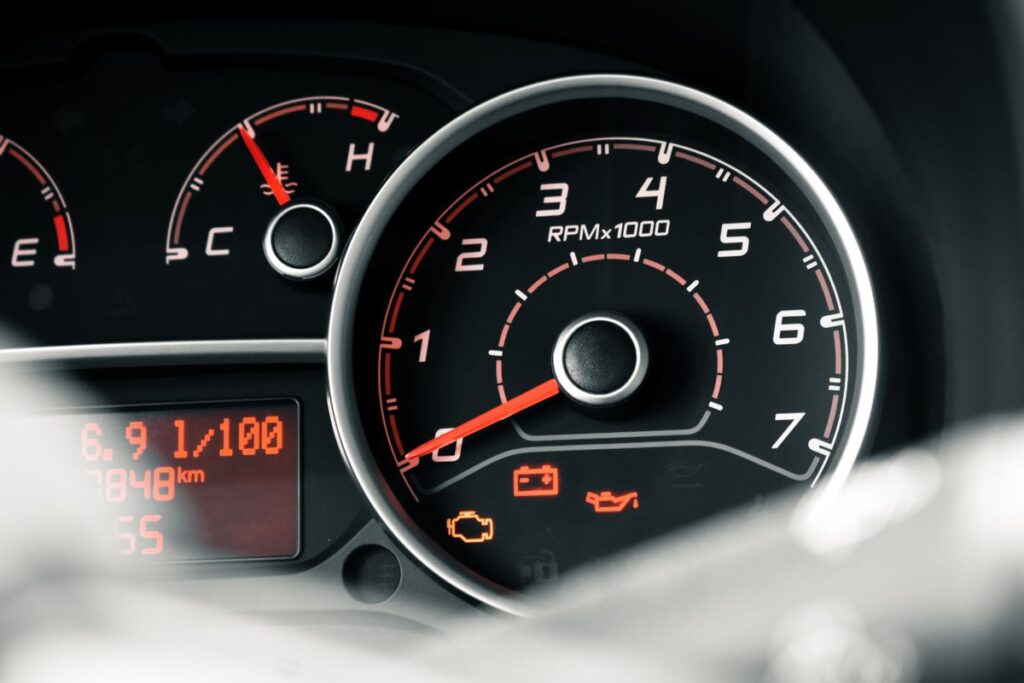
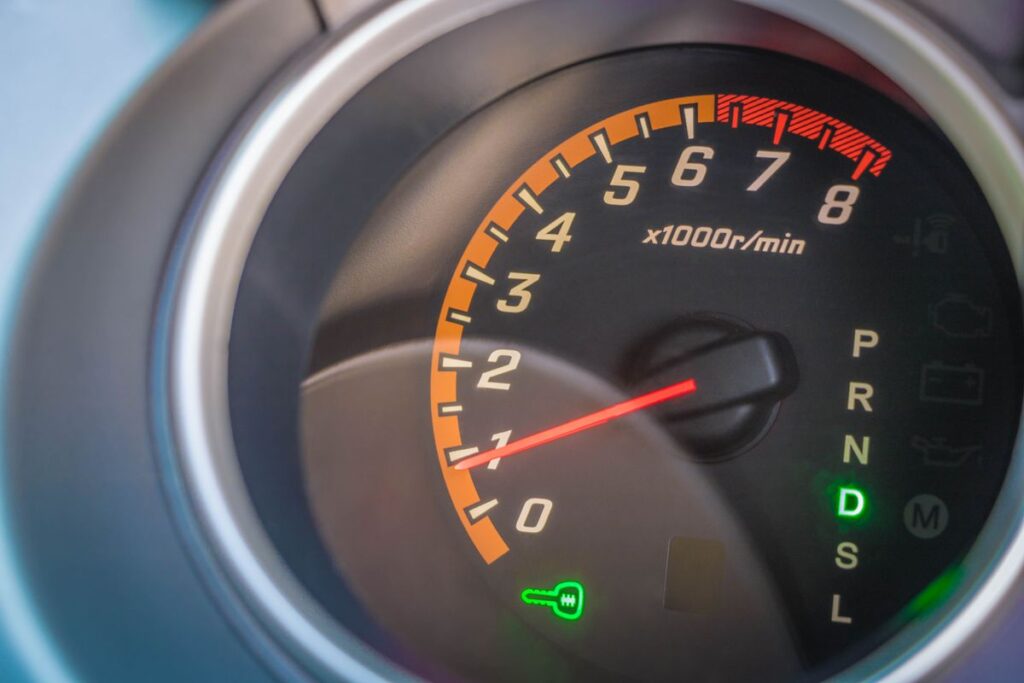
    Tachometer with warning lights lit

    What an Oxygen Sensor Does: Upstream vs Downstream

    An oxygen sensor screws into the exhaust and measures how much oxygen is left after combustion. The engine computer uses that reading to add or trim fuel. Bosch, the company that invented the automotive O2 sensor, explains in its consumer guide to oxygen sensors that too much oxygen means a lean mixture, while too little means a rich mixture that wastes fuel and raises emissions.

    According to the same guide, almost all gasoline vehicles since 1986 have at least one sensor, and vehicles built since 1996 have at least two.

    SensorWhere it sitsWhat it does
    Upstream (sensor 1)Before the catalytic converter, near the engineTells the computer whether the engine runs rich or lean so it can adjust fuel
    Downstream (sensor 2)After the catalytic converterChecks how well the converter is cleaning the exhaust
    Upstream vs downstream oxygen sensors: location and job

    The upstream sensor affects how the engine runs. A failing downstream sensor usually just sets a code, because it watches the converter rather than steering the fuel mixture.

    Mechanic beside a wall of exhaust parts

    Bad Oxygen Sensor Symptoms to Watch For

    A 1999 technical article in MOTOR magazine lists the common symptoms as surging or hesitation, a noticeable decline in fuel economy, increased tailpipe emissions and premature catalytic converter failure.

    1. A Check Engine Light With an O2 Code

    The computer watches each sensor’s signal and its heater circuit. A slow, stuck or missing signal sets a code and turns on the light. Our guide to a check engine light that is on while the car runs fine lists an aging oxygen sensor among the usual causes.

    2. Falling Fuel Economy

    A lazy sensor often reads the mixture wrong and the computer adds fuel it does not need. Bosch notes that a sensor that is not working properly cannot regulate fuel efficiently, and the result is lower MPG.

    3. Surging or Hesitation

    When the upstream signal is wrong, the fuel mixture swings too rich or too lean. You may feel the car surge at a steady cruise or stumble when you press the gas. Hesitation has many other causes too, and our guide to a car that hesitates when accelerating walks through them.

    Fuel nozzle in a car's filler

    4. A Rough Idle and a Rich Smell

    A rich mixture can make the idle uneven and leave a raw fuel or rotten egg smell behind the car.

    5. Catalytic Converter Trouble

    Bosch warns that a faulty oxygen sensor can cause the catalytic converter to fail prematurely, since a rich or lean mixture shortens its life. A converter code such as P0420 sometimes traces back to a sensor, and our guide to bad catalytic converter symptoms covers that connection.

    Close-up of an exhaust tip

    Is It the O2 Sensor or Something Else?

    If air leaks in or a cylinder misfires, the sensor reads correctly but the code still names it. Use this table to judge how soon to book.

    SymptomO2 sensor or something else?How urgent
    Flashing check engine light, engine shakingUsually a misfire, which can overheat the converterHigh Ease off and have it checked right away
    Strong fuel smell, black smoke, rough runningRich mixture from a bad upstream sensor, a leaking injector or another fuel faultSoon Get it checked within days
    Surging or hesitation with an O2 codeUpstream sensor, or a vacuum or exhaust leak fooling itSoon Get it checked within days
    Steady light, lean code, ticking from the exhaustOften an exhaust leak ahead of the sensorModerate Book a diagnosis soon
    Steady light, heater circuit code, car drives normallySensor heater or its wiringModerate Book a diagnosis soon
    Downstream sensor code only, no drivability changeDownstream sensor or wiring, sometimes the converterLow Have it scanned at your next visit
    Bad oxygen sensor symptoms vs look-alike problems, with how urgent each one is

    An exhaust leak ahead of the sensor pulls in outside air, so the sensor reads lean and the computer adds fuel. Our guide to exhaust leak symptoms and the noises they make explains how that sets O2 codes. If the light is flashing rather than steady, read our guide to a flashing check engine light first.

    Mechanic at a diagnostic computer beside a truck

    How a Mechanic Tests an Oxygen Sensor

    A proper diagnosis usually looks at:

    • The codes and freeze frame data: which sensor, which circuit, and what the engine was doing when the fault set.
    • Live sensor data: the MOTOR magazine oxygen sensor article explains that a healthy sensor switches between rich (about 0.9 volt) and lean (about 0.2 volt) many times a second, and one that cannot switch properly is faulty.
    • Leak and misfire checks: vacuum leaks, exhaust leaks ahead of the sensor and misfires are ruled out before a sensor is replaced.

    Our check engine light diagnostics in Grand Rapids follow this order on foreign and domestic vehicles. Hendrick Hoffman, our owner and head mechanic, is ASE and State of Michigan certified in engine tune-up and electrical.

    When Should Oxygen Sensors Be Replaced?

    Bosch recommends replacing oxygen sensors at the manufacturer’s suggested interval or on failure, whichever comes first. It adds that carbon, soot, antifreeze, chemicals and heat or physical shock all shorten sensor life.

    Intervals vary widely. MOTOR notes that some carmakers took O2 sensors off their maintenance schedules while others still list them, with recommendations ranging from inspection every 12 months to replacement every 90,000 miles. Check your owner’s manual, or ask about it during your factory scheduled maintenance visit.

    Rusty pipe standing in snow

    Why O2 Sensors Get Stubborn in West Michigan

    Oxygen sensors thread into exhaust pipes that take years of road salt and slush. Rust can seize the threads and the wiring connectors corrode, so a sensor that should come out cleanly may fight back. MOTOR notes that the correct procedure includes torque specs and anti-seize compound on the threads.

    Cold starts matter as well. Sensors only work properly when hot, so each has a heater to bring it up to temperature quickly, and heater circuit codes often show up first on frigid mornings. Our exhaust repair in Grand Rapids includes oxygen sensor replacement and the rusted pipes and flanges around it.

    Frequently Asked Questions

    Can I drive with a bad oxygen sensor?

    Usually for a short time, if the light is steady and the car runs normally. A bad upstream sensor wastes fuel and can make the engine run rich, which harms the catalytic converter over time. A flashing light, rough running or a strong fuel smell should be checked right away.

    Can a bad O2 sensor damage the catalytic converter?

    Yes. A faulty upstream sensor can let the engine run too rich or too lean, and either condition shortens converter life. Replacing a failing sensor promptly helps protect the converter.

    How often should oxygen sensors be replaced?

    It depends on the vehicle. Some carmakers list a replacement interval and others replace sensors only when they fail or test slow. Check your owner’s manual for your car’s schedule.

    Will a new O2 sensor fix my check engine light?

    Only if the sensor is the real fault. Exhaust leaks, vacuum leaks, misfires and wiring problems can all set oxygen sensor codes, so a proper diagnosis comes before replacing parts.

    Need check engine light diagnostics in Grand Rapids? Call 456 AutoFix at 616-279-3832, Monday to Friday 8am to 5pm, or book through our contact page.

    Can’t make it during the day? Use our after-hours drop-off. We’re at 456 Carrier St NE in Creston.

  • VVT Solenoid Symptoms: Rough Idle, Cam Timing Codes and Why Oil Matters

    VVT Solenoid Symptoms: Rough Idle, Cam Timing Codes and Why Oil Matters

    VVT solenoid symptoms are easy to mistake for a tune-up problem. The engine idles rough, feels flat climbing a hill, and the check engine light comes on with a code that mentions camshaft timing. Often the real story starts with the engine oil.

    Here is what the solenoid does, the signs it is failing and why oil matters so much.

    Quick answer

    What are the symptoms of a bad VVT solenoid?

    The usual signs are a check engine light with a cam timing code, a rough or loud idle, stumbling under load or uphill, worse fuel economy and weak running at high rpm. Low or dirty oil is a common cause, so check the oil level first, then have the code diagnosed soon.

    Fuel gauge needle near empty

    What a VVT Solenoid Does

    Variable valve timing lets the engine shift when its valves open to suit speed and load. The solenoid, also called an oil control valve, is the part that makes this happen. The engine computer pulses it, and it meters oil pressure to the cam phaser, which turns the camshaft slightly ahead (advance) or behind (retard) its normal position.

    A training article from Walker Products, a maker of engine management parts, explains that the variable valve timing solenoid sends oil pressure to the cam phaser so it can advance or retard the camshaft.

    Because the solenoid works with engine oil, it depends on clean oil at the right level. Its fine screen and tight passages are where most trouble begins.

    Gloved hands working on an engine

    VVT Solenoid Symptoms to Watch For

    When the solenoid sticks, leaks inside or loses its electrical signal, the cam ends up in the wrong position for the moment. These are the signs drivers notice most.

    1. Check Engine Light With a Cam Timing Code

    This is usually the first clue. Innova, a scan tool maker, explains in its guide to camshaft actuator solenoid symptoms that the engine computer keeps watching camshaft position, and when it sees the cam out of place it turns on the warning light and stores a trouble code.

    2. Rough or Loud Idle

    At idle the cam should sit in a mild position. A solenoid stuck open can leave it advanced, and the engine shakes or sounds lumpy at stoplights. Walker lists both a rough idle and a loud, rough idle among the symptoms.

    3. Stumbling Under Load or Uphill

    Walker also lists an engine that stumbles going uphill or carrying a load. If the main complaint is a delay when you press the pedal, our guide to a car that hesitates when accelerating covers the wider list of causes.

    Car on a wet highway

    4. Worse Fuel Economy

    Wrong cam timing makes combustion less efficient. Innova notes the computer then adds fuel to compensate, so your miles per gallon drop over time, and emissions can rise along with it.

    5. Weak Power at Higher RPM

    Walker lists an engine that will not run properly at high rpm, and Innova describes a general loss of power.

    Some engines also rattle briefly at startup when the phaser itself is worn; our guide to a rattling noise when starting your car covers that sound.

    The Cam Timing Codes You Might See

    Generic OBD-II codes in the P0010 to P0014 and P0020 to P0025 ranges cover camshaft actuators and cam timing on bank 1 and bank 2. They tell you where the problem shows up, not which part failed.

    Code typeWhat it usually meansIs the solenoid always to blame?
    Actuator circuit codes (such as P0010)An electrical fault in the solenoid circuitNo. Wiring and connectors are common causes
    Timing over-advanced or performance codes (such as P0011)The cam is not where the computer asked it to beNo. Low or dirty oil often comes first
    Timing over-retarded codes (such as P0012)The cam is stuck behind its target positionNo. A sticking solenoid or worn timing parts can cause it
    Common cam timing code types and what they point to

    On Audi engines, cam timing codes can also point to the chain tensioner. Our posts on Audi timing chain tensioner symptoms and common Audi fault codes cover those engines.

    Mechanic holding a diagnostic tablet

    Why Oil Matters So Much

    Walker names dirty engine oil clogging the screen, low engine oil level, lack of basic maintenance and poor quality parts as common causes of solenoid failure. Innova adds wiring harness and connector problems, plus contaminated oil restricting the solenoid’s movement.

    • Low oil: the solenoid needs steady pressure to move the phaser. If the oil pressure light comes on, stop and deal with that first.
    • Dirty or sludgy oil: deposits plug the solenoid screen and make the valve stick.
    • Wrong oil viscosity: Use the grade in your owner’s manual. Our guide to synthetic vs conventional oil explains the choices.
    • Wiring and connectors: corrosion or a loose plug cuts the signal.
    • The solenoid itself: a worn or poor quality unit can fail on its own.

    Keeping to a sensible schedule is the best prevention. See how often to change your oil for typical intervals.

    VVT Solenoid or Something Else?

    Cam sensors, worn timing chains and ignition problems can all look like a solenoid fault. This table helps you judge how soon to book.

    SymptomVVT solenoid or something else?How urgent
    Cam timing code plus low oil on the dipstickOften oil starving the solenoidHigh Top up and get it checked right away
    Rattle at startup and cam timing codesPossibly a stretched chain or worn tensionerHigh Book an inspection right away
    Rough idle and stumbling uphillSolenoid, ignition or fuel problemSoon Get it checked within days
    Circuit code, engine runs fineWiring, connector or solenoid coilModerate Plan a diagnosis soon
    Slow drop in fuel economy onlyMany causes, including a sluggish solenoidLow Mention it at your next service
    VVT solenoid symptoms vs look-alike problems, with how urgent each one is
    Family checking under a car's hood together

    Cold Mornings and Short Trips in Grand Rapids

    Cold oil is thick and moves slowly through the small passages. A marginal solenoid often acts up right after a cold start, then behaves once the engine warms, which is why some codes appear only on winter mornings.

    Short trips make it worse. The engine rarely gets hot enough to burn off moisture, so the oil breaks down faster and forms sludge. If most of your driving is a few miles across town, stay on the shorter side of your oil change interval.

    Snow-covered parked cars

    Can You Drive With a Bad VVT Solenoid?

    Usually for a short time, but not indefinitely. Check the oil level first. If it is low, top it up and watch the oil pressure light. Driving for weeks on wrong cam timing can waste fuel and hide a bigger problem, such as a worn chain.

    Our check engine light diagnostics in Grand Rapids start by reading the code and the live cam data, then testing the circuit and the solenoid. If the trouble is in the chain or tensioner, our timing belt and chain service in Grand Rapids covers foreign and domestic vehicles. Hendrick Hoffman, our owner and head mechanic, is ASE and State of Michigan certified in engine repair.

    Frequently Asked Questions

    Can low oil cause VVT problems?

    Yes. The solenoid uses engine oil pressure to move the cam phaser, so low oil can trigger cam timing codes. Check the dipstick before replacing any parts.

    Will an oil change fix a VVT solenoid code?

    Sometimes, when old or sludgy oil was making the solenoid stick. If the code returns after fresh oil of the correct grade, the solenoid, its wiring or the timing parts need testing.

    Is a VVT solenoid the same as a cam sensor?

    No. The cam sensor reports where the camshaft is, while the solenoid controls oil flow to move it. Both can set cam timing codes, which is why testing matters.

    Can a bad VVT solenoid damage the engine?

    The solenoid itself rarely causes damage, but the low or dirty oil behind it can wear the engine. Ignoring the code can also hide a stretched timing chain.

    Need a VVT or check engine light diagnosis in Grand Rapids? Call 456 AutoFix at 616-279-3832, Monday to Friday 8am to 5pm, or book through our contact page.

    Can’t make it during the day? Use our after-hours drop-off. We’re at 456 Carrier St NE in Creston.

  • Water on the Passenger Side Floor? A/C Drain, Heater Core or a Leak

    Water on the Passenger Side Floor? A/C Drain, Heater Core or a Leak

    Water on passenger side floor carpet is an unpleasant surprise. The mat squishes, the car smells musty, and you have no idea where it came from. The good news is that the liquid itself usually tells you where to look.

    Quick answer

    Why is there water on the passenger side floor of my car?

    Clear, odorless water usually means the A/C drain hose is blocked, kinked or loose. Sweet, slippery liquid points to a leaking heater core. Water that shows up only after rain, snowmelt or a car wash usually comes from clogged cowl or sunroof drains or a leaking seal. Dry the carpet and find the source soon.

    Front seats and footwell with the door open

    First, Work Out What the Liquid Is

    Press a paper towel into the wettest spot, then smell it and rub a little between your fingers. These clues narrow the problem down faster than anything else.

    Clear Water With No Smell

    Plain water that appears after driving with the A/C on is almost always condensation. The A/C pulls moisture out of the cabin air, and that water should drip out under the car. When it can’t get out, it overflows inside, usually on the passenger side, where the A/C unit sits behind the dash.

    Sweet Smelling, Slightly Slippery Liquid

    Coolant smells sweet and feels slick, although on carpet it can look like dirty water. A greasy film on the inside of the windshield is another clue, and our guide to car windows fogging up inside explains that link.

    Water That Appears Only After Rain or a Car Wash

    If the floor stays dry for weeks and then gets wet after a storm, a car wash or a snow thaw, the water is coming in from outside. That points to drains or seals, not the A/C or heater.

    Common Causes of Water on Passenger Side Floor Carpet

    1. A Blocked, Kinked or Loose A/C Drain Hose

    The A/C evaporator sits in a box under the dash and drains through a short rubber hose that pokes through the firewall. Debris or slimy buildup can plug it, and a hose that has slipped off or kinked lets the water run back inside.

    This can be a factory issue, not just bad luck. An Audi service bulletin on moisture in the driver or front passenger footwell covers 2009 to 2013 A4 and Q5 models and 2008 to 2013 A5 models. It says a faulty or incorrectly installed condensation drain hose could let evaporator water into the front footwells, and that a snap ring installed upside down lets water leak through a hole in the ring.

    Cars parked by a rain puddle

    That bulletin is one example of a drain-hose fault, not proof that every Audi has it. If you drive one, our Audi repair in Grand Rapids page explains how we work on Audis.

    2. A Leaking Heater Core

    The heater core is a small radiator behind the dash that carries hot coolant. When it leaks, coolant can drip into the passenger footwell and the vents may blow steamy, sweet smelling air. The leak often shows up first in cold weather, when the heater runs hard.

    Related signs include a car heater blowing cold air and the sweet odor covered in car heater smells and what they mean. A leaking core also lowers your coolant, so watch the temperature gauge.

    Dashboard vents and an old radio

    3. Clogged Cowl Drains and the Fresh-Air Intake

    The cowl is the panel under the windshield wipers. Rain and snowmelt run into it and out through small drains, and the fresh-air intake for your heater and A/C sits right next to them. When leaves pack the cowl, water backs up and can pour into the intake and onto the passenger floor.

    On many cars the cabin air filter sits here too, and a filter soaked with wet leaves makes things worse. Our guide covers how often to change the cabin air filter.

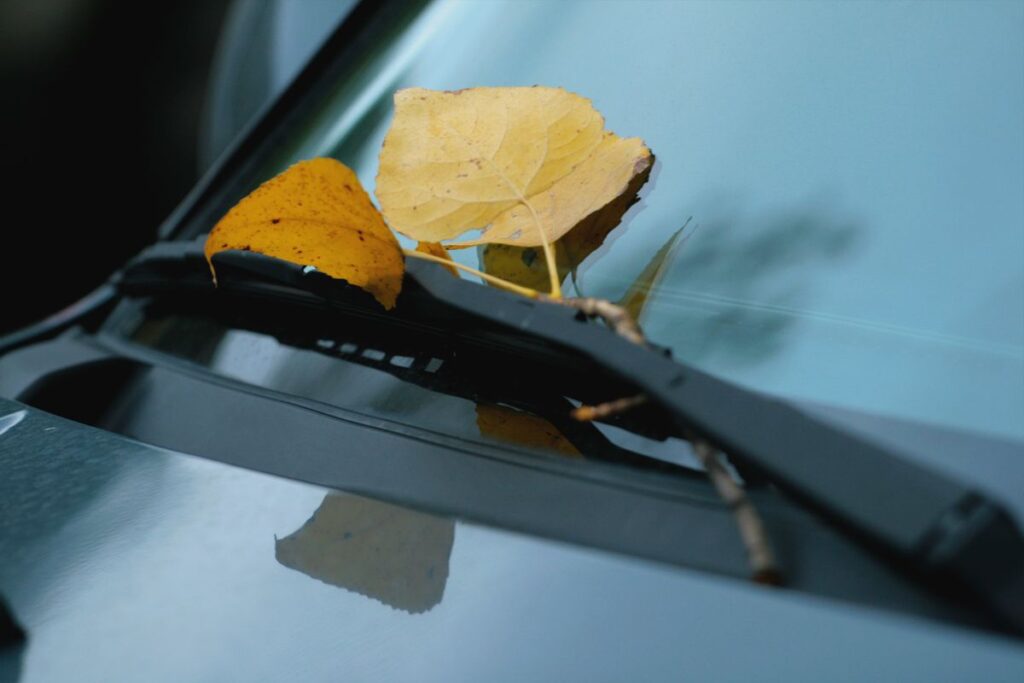
    Fallen leaves caught in a windshield wiper

    4. Sunroof Drains, Windshield and Door Seals

    Sunroof drain tubes run down the pillars from the corners of the roof. If one clogs or comes loose, water travels down the pillar and soaks the carpet. A worn windshield seal, door weatherstrip or firewall grommet can also let water in during heavy rain or a car wash.

    What You Find, Likely Source and How Urgent

    What you findLikely sourceHow urgent
    Sweet smell, slippery liquid, greasy film on the glassLeaking heater coreHigh Have it diagnosed right away
    Clear water after using the A/C, no drip under the carBlocked, kinked or loose A/C drain hoseSoon Get it checked within days
    Water after rain or snowmelt, leaves under the wipersClogged cowl drains or wet fresh-air intakeSoon Clear the cowl and have it checked
    Water after a car wash, car has a sunroofClogged or loose sunroof drain tubeModerate Have the source found soon
    Light dampness on a humid day that dries quicklyWet shoes or snow tracked inLow Dry the mat and keep an eye on it
    Water on the passenger side floor: what you find, the likely source and how urgent it is

    Safe Checks You Can Do Yourself

    1. The drip test: on a warm day, run the A/C with the car parked on dry pavement. A healthy system leaves a small puddle of clear water under the car near the passenger side of the firewall. No puddle and a wetter floor suggests a blocked or loose drain hose.
    2. The smell and touch test: sweet and slippery means coolant; plain and odorless means water.
    3. The cowl check: open the hood and scoop leaves and pine needles out from the base of the windshield by hand.
    4. The timing log: note when the floor gets wet: after A/C use, rain, a wash or heater use.
    Man checking under a car's hood

    Why a Wet Floor Should Not Wait

    Carpet padding holds water like a sponge, so the floor stays wet underneath long after the top feels dry. That leads to a musty smell, mold and rusting floor pans.

    The bigger risk is electrical. On many cars, wiring, connectors and control modules run under the carpet or behind the kick panels, and water there can cause odd warning lights and faults. Our car electrical repair in Grand Rapids covers tracking those down.

    West Michigan adds its own twist. Fall leaves fill cowl drains just before the first snow, and melting snow on the windshield then has nowhere to go. In winter the heater runs hard every morning, which is when a weak heater core tends to start leaking.

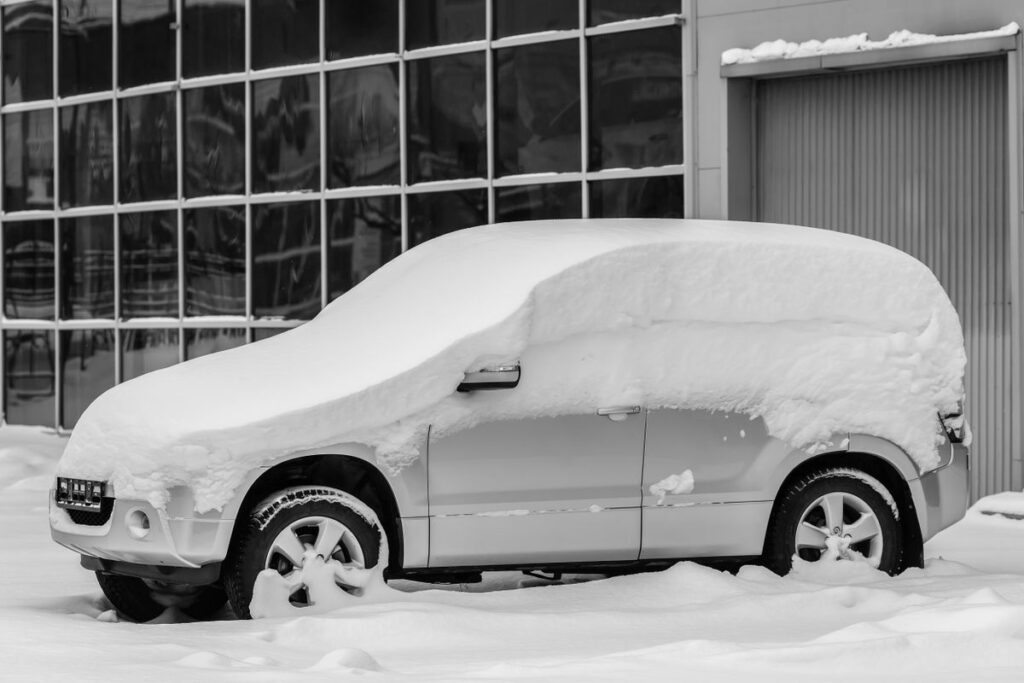
    Snow-covered car parked in winter

    Getting the Leak Diagnosed

    Our car heater and A/C repair in Grand Rapids covers A/C drain and heater core diagnosis on foreign and domestic vehicles. Hendrick Hoffman, our owner and head mechanic, is ASE and State of Michigan certified in heating and air conditioning.

    If the water is coming in from outside through a seal, sunroof drain or body gap, we’ll find where it’s coming from and tell you what we found.

    Frequently Asked Questions

    Is water on the floor from the A/C normal?

    No. A/C condensation should drip out under the car, not inside it. Water on the floor after using the A/C usually means the drain hose is blocked, kinked or loose.

    How do I know if it’s my heater core?

    A heater core leak leaves sweet smelling, slightly slippery liquid instead of plain water. You may also notice a greasy film on the windshield, steamy air from the vents or a coolant level that keeps dropping.

    Why is my car carpet wet after it rains?

    Rainwater is getting in from outside. The usual suspects are leaf-packed cowl drains under the wipers, clogged sunroof drain tubes, or a worn windshield seal or door weatherstrip.

    Can I keep driving with a wet passenger floor?

    For a short while if it is plain water, but dry the carpet and have the source found soon to prevent mold and electrical problems. If it is coolant, watch the temperature gauge and have it diagnosed right away.

    Need a wet floor or heater problem diagnosed in Grand Rapids? Call 456 AutoFix at 616-279-3832, Monday to Friday 8am to 5pm, or book through our contact page.

    Can’t make it during the day? Use our after-hours drop-off. We’re at 456 Carrier St NE in Creston.

  • Car Horn Not Working? Fuse, Relay, Clock Spring or the Horn Itself

    Car Horn Not Working? Fuse, Relay, Clock Spring or the Horn Itself

    A car horn not working is easy to ignore until the moment you need it. Someone backs toward you in a parking lot, you press the center of the wheel, and nothing happens. Most horn faults come down to a short list of parts, and what the horn does tells you where to look.

    Quick answer

    Why is my car horn not working?

    The usual causes are a blown fuse, a failed horn relay, a broken wire or corroded connector, a bad ground, a worn-out horn, or a faulty horn switch or clock spring in the steering wheel. If the airbag light is also on, suspect the clock spring and have a shop check it.

    Classic car steering wheel and dashboard

    How Your Horn Circuit Works

    When you press the horn pad, a switch in the steering wheel closes. That signal passes through the clock spring, a coiled ribbon cable that keeps the wheel’s buttons and the driver’s airbag connected while the wheel turns. On most cars it then tells a relay to send full battery power, protected by a fuse, to the horn.

    The horn itself usually sits behind the grille or bumper and needs a solid ground to complete the circuit.

    Car Horn Not Working? Check These Causes in Order

    HELLA, a horn manufacturer, describes a working horn as an essential active safety component in its workshop guide to identifying and fixing horn faults. Its advice is to work through the circuit methodically: check for voltage at the horn, then the ground, then the horn itself.

    1. The Horn Fuse

    The fuse is always one of the first things to check. HELLA notes that fuses can fail from age, moisture or a brief voltage spike, and that corroded fuse holders are a common cause in older vehicles. It also warns that a quick look is often not enough, because a hairline crack in the fuse element is hard to see without a meter.

    A fuse that blows again right after replacement points to a short somewhere in the circuit. The fuse-box logic is the same one we walk through for windshield wipers that stop working and a rear defroster that won’t clear the glass.

    2. The Horn Relay

    Many horns run through a relay in the fuse box. Have a helper press the horn while you listen near the box. A click with no horn sound suggests the relay is switching but power isn’t reaching the horn, while no click at all points back toward the relay, the switch or the clock spring.

    3. Broken Wires and Corroded Connectors

    HELLA says a complete horn failure is often caused by a broken wire, especially near the connector or where the harness passes from the body into the engine bay. Oxidized plug contacts are another common culprit, and they typically show up as a weak or irregular horn.

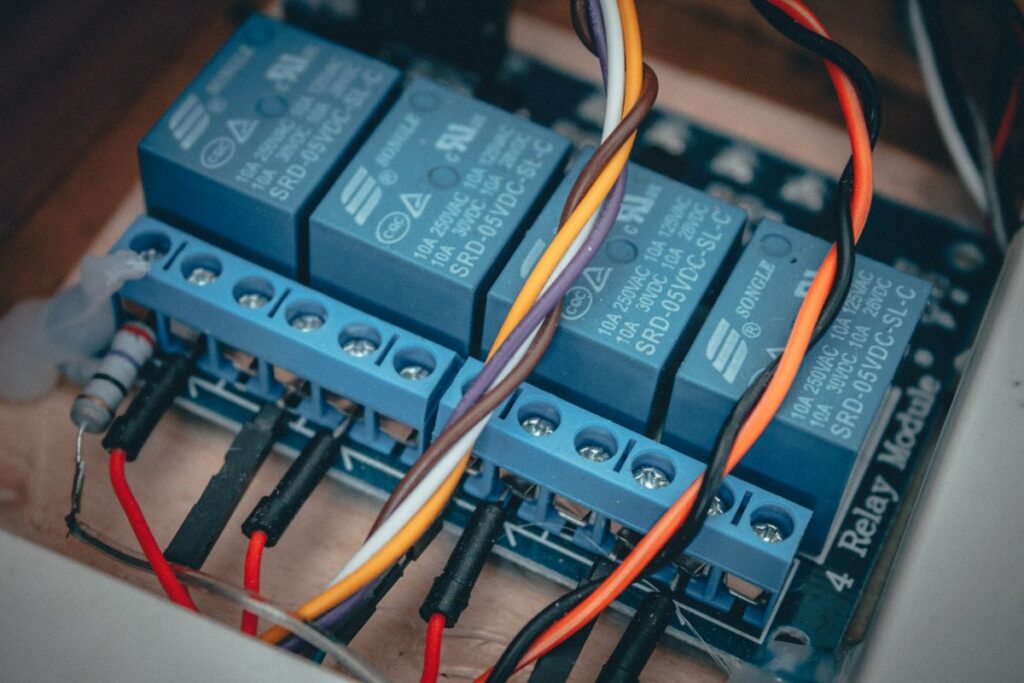
    Relay modules with colored wiring

    4. A Bad Ground

    The horn needs a clean, tight ground connection. According to HELLA, a corroded or dirty ground point produces a weak, distorted or irregular sound rather than total silence. Cleaning the contact and protecting it from moisture is usually the fix.

    5. The Horn Itself

    Inside the horn, a diaphragm vibrates to make the sound. HELLA explains that if power is reaching the horn but it stays silent or only hums, the horn itself has usually failed and needs replacing.

    Close-up of a vehicle's front grille

    6. The Horn Switch or Clock Spring

    If power and ground check out and pressing the pad still does nothing, the fault may be the horn switch or the clock spring. A worn clock spring often brings other clues: the airbag warning light comes on, and steering wheel buttons such as cruise control or audio controls may stop working too.

    The clock spring sits directly behind the driver’s airbag. Testing or replacing it means working around the airbag system, so this is a job for a shop, never a driveway repair. Please don’t remove the steering wheel or the airbag yourself.

    What the Horn Does and What It Usually Means

    The way the horn fails is the best clue to where the fault is. Use this table to decide how soon to book.

    What the horn doesLikely causeHow urgent
    Silent, and the airbag light is onClock spring or another fault in the steering wheel circuitHigh Have the airbag system checked right away
    Sounds on its own or won’t stopStuck horn switch, relay or a short in the wiringHigh Get it checked right away
    Completely silent, no warning lightsFuse, relay, broken wire or a failed hornSoon Book a diagnosis within days
    Relay clicks, but no soundNo power reaching the horn, or a dead hornSoon Book a diagnosis within days
    Weak, raspy or only works sometimesCorroded ground or connector, or a worn hornModerate Plan a repair in the next few weeks
    Car horn symptoms compared by likely cause and how urgent each one is
    Dashboard warning lights glowing at night

    What You Can Safely Check Yourself

    A few checks need no tools beyond your owner’s manual and a flashlight:

    • Look at the warning lights. Note whether the airbag light is on and whether the steering wheel buttons still work.
    • Find the horn fuse. Your owner’s manual shows which fuse protects the horn. Replace a blown fuse only with one of the same rating.
    • Listen for the relay. Have a helper press the horn while you listen at the fuse box for a click.
    • Look at the horn. If you can see it behind the grille, check for rust, a loose mount or a green, crusty connector.

    If the horn is stuck on, removing its fuse or relay silences it until it can be repaired. Leave anything inside the steering wheel alone.

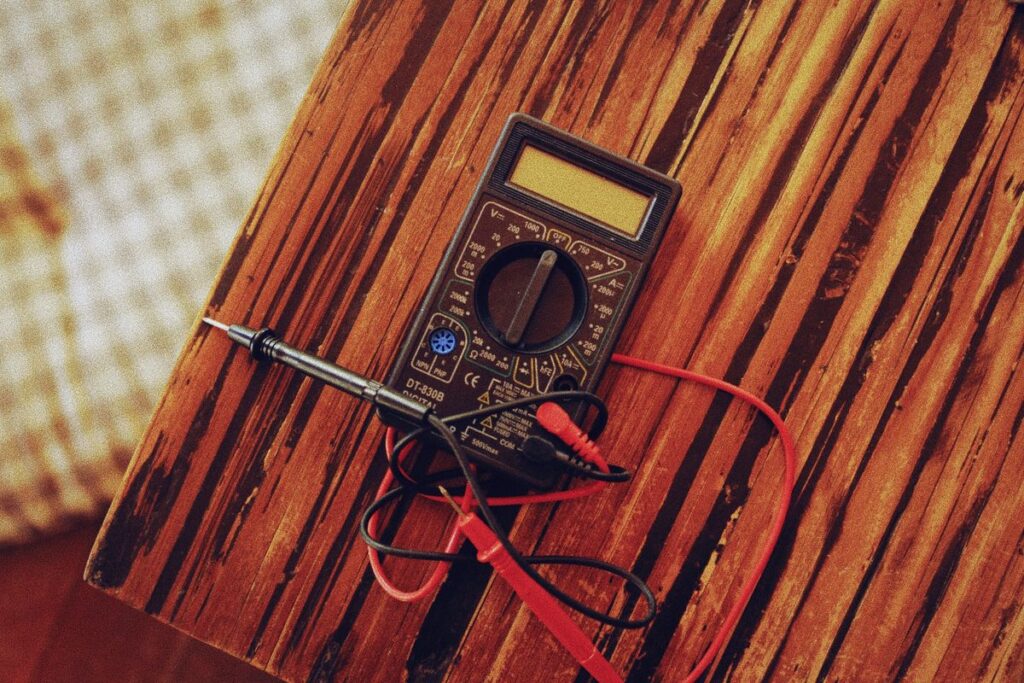
    Digital multimeter with test leads on a table

    Why West Michigan Winters Are Hard on Horns

    Because the horn sits at the very front of the car, it takes a direct hit from slush, road salt and spray all winter. Salty water creeps into the connector and the ground point, which is why a horn that sounds weak in February is so often a corrosion problem rather than a dead horn. HELLA’s guide recommends mounting horns so they are protected from direct splash water for the same reason.

    Cold, damp weather is hard on other body electronics too. Our guide to a power window that won’t go up or down covers another common winter failure. Add a horn test to your winter car maintenance checklist before the first snow.

    Snow on the front of an old car

    When to Bring It In

    If a new fuse doesn’t bring the horn back, or the airbag light is on, it’s time for a proper diagnosis. A mechanic checks voltage at the horn, tests the ground and relay, and scans the airbag system for fault codes.

    Our car electrical diagnosis and repair in Grand Rapids covers horns, wiring and other body electronics on foreign and domestic vehicles. Hendrick Hoffman, our owner and head mechanic, is ASE and State of Michigan certified in electrical repair.

    Frequently Asked Questions

    Why did my car horn suddenly stop working?

    A sudden failure is most often a blown fuse, a failed relay or a broken wire. If the airbag light came on at the same time, the clock spring in the steering wheel is a likely cause and should be checked by a shop.

    Can a clock spring cause the horn not to work?

    Yes. The clock spring carries the horn signal from the steering wheel, so a worn one can silence the horn. It usually also turns on the airbag light and can disable other steering wheel buttons.

    Why does my horn click but not honk?

    A click usually means the relay is switching, but power isn’t reaching the horn or the horn itself has failed. A broken wire, a corroded connector or a bad ground are the common causes.

    Why is my car horn weak or quiet?

    A weak, raspy or irregular horn usually points to a corroded ground or connector, which is common after a salty winter. A worn horn diaphragm can cause the same sound.

    Need car electrical repair in Grand Rapids? Call 456 AutoFix at 616-279-3832, Monday to Friday 8am to 5pm, or book through our contact page.

    Can’t make it during the day? Use our after-hours drop-off. We’re at 456 Carrier St NE in Creston.

  • Windshield Wipers Not Working? Fuse, Motor, Linkage or Switch

    Windshield Wipers Not Working? Fuse, Motor, Linkage or Switch

    Windshield wipers not working is one of those problems that always seems to show up in the middle of a storm. One moment the blades are sweeping, the next they sit still, hum, crawl or stop halfway across the glass.

    The good news is that what the wipers do tells you a lot about the cause. Here is the order to check things, what each symptom usually means, and the winter habits that keep a wiper motor alive.

    Quick answer

    Why are my windshield wipers not working?

    In winter, start with ice: blades frozen to the glass can overload the motor and blow the wiper fuse. Next come the fuse, the relay, the wiper switch or control module, a loose pivot nut or broken linkage, and finally a worn motor. If the motor hums but the arms stay still, the linkage is the usual suspect.

    Rain-soaked windshield at night

    First, Check for Ice and Snow at the Base

    Before you blame anything electrical, look at the blades and the cowl, the area at the base of the windshield where the wiper arms park. Blades frozen to the glass, or a ridge of packed snow at the bottom, can stop the arms from moving at all.

    When the wipers are switched on against that resistance, the motor draws far more current than normal. A Valeo technical bulletin on wiper motor fuse overload describes exactly this: in cold weather, a wiper frozen to the glass made the motor draw enough current to blow its fuse. Valeo found motors being replaced when only the fuse had failed.

    So if your wipers quit during a freeze, clear the glass and the base, free the blades by hand, and then check the fuse before anything else.

    Snowy landscape through a windshield

    Windshield Wipers Not Working: Causes in Order

    Work from the simple parts toward the motor. Each step matches a symptom you can see or hear.

    1. A Blown Wiper Fuse

    If the wipers are completely dead, with no hum and no movement at any speed, the fuse is the first electrical suspect. Your owner’s manual shows which fuse protects the wipers. A fuse that blows again right away points to a short or a jammed linkage, not bad luck.

    2. A Faulty Wiper Relay

    Many cars switch the wiper motor through a relay. A sticking relay can leave the wipers dead, stuck on one speed, or running when they should be off. Our post on a rear defroster not working and how fuses and relays fail explains the basics of this kind of circuit.

    3. The Wiper Switch or Control Module

    On older cars, the stalk switch sends power straight to the motor, and worn contacts can kill one or more speeds. On many newer cars, the stalk is only an input: it asks a body control module to run the wipers. A good motor can then sit idle because of a switch, wiring or module fault, which a scan tool can confirm.

    Mechanic at a tool chest

    4. A Loose Pivot Nut or Broken Linkage

    The motor turns a set of rods and ball sockets, called the linkage, that push the arms back and forth. If you hear the motor running but the wipers don’t move, a socket has popped apart or a bushing has cracked.

    If only one arm moves, the nut holding that arm to its pivot shaft is often loose, so the shaft spins inside the arm. Fighting ice often loosens it.

    5. A Worn Wiper Motor

    Signs of a worn motor include wipers that move slowly, work only on one speed, stop and start on their own, or quit when warm. Corrosion at the motor’s connector from salty slush can cause similar symptoms, so it gets checked first.

    Hand reaching into the cowl under the hood

    6. Park Position Faults

    A small switch inside the motor tells it where to stop. When it fails, the wipers may stop in the middle of the glass when you turn them off, or keep running after you switch them off.

    What the Wipers Do and What It Usually Means

    Match what you see to the likely cause and how soon to book.

    What the wipers doLikely causeHow urgent
    Nothing at all, rain or snow fallingBlown fuse, relay, switch or moduleHigh Don’t drive until they work
    Quit after running on an iced windshieldFuse blown by motor overloadHigh Clear the ice, check the fuse
    Motor hums, arms don’t moveBroken linkage or stripped pivotSoon Get it checked within days
    Only one arm movesLoose pivot nut on that armSoon Get it checked within days
    Slow, one speed or intermittent failsWorn motor, switch or corroded connectorModerate Plan a repair before winter
    Won’t park or keeps runningPark switch in the motor or relayModerate Have the circuit tested
    Streaks or chatter but moves normallyWorn blades, not the motorLow Replace the blades
    Windshield wipers not working: what they do, the likely cause and how urgent it is

    Winter Habits That Protect Your Wiper Motor

    Grand Rapids winters are hard on wipers. Snow, freezing rain and salty slush give the motor plenty of ice to fight. A few habits prevent most cold-weather failures:

    • Clear the windshield and the cowl area before you switch the wipers on.
    • Free frozen blades gently by hand or let the defroster soften them first. Never use the wipers to break ice.
    • Turn the wipers off before you shut the car down in a storm, so they don’t try to sweep a frozen windshield at the next start.
    • Lift the blades off the glass when freezing rain is forecast.
    Person clearing snow off a windshield

    Blades and washer fluid matter too. Our winter car maintenance checklist for wipers, fluids and lights covers those, while this post sticks to the motor, linkage and electrics.

    What a Mechanic Checks When the Wipers Stop

    A wiper diagnosis follows the circuit from the switch to the arms. Typical checks include:

    • The wiper fuse, and why it blew if it did
    • Power and ground at the motor, plus the connector for corrosion
    • The relay and the stalk switch, or the module input with a scan tool on newer cars
    • The linkage, ball sockets, bushings and pivot nuts under the cowl
    • Motor speed, current draw and the park function

    Testing before replacing parts matters here. As the Valeo bulletin shows, a good motor is easy to condemn when the real fault is a fuse or a frozen blade.

    Mechanic in a dim workshop

    Wiper Electrical Repair in Grand Rapids

    Wipers share a lot with other convenience circuits. If your heated seats are not working or a power window is not working, the same fuse, switch, motor and module logic applies.

    Our car electrical repair in Grand Rapids covers foreign and domestic vehicles. Hendrick Hoffman, our owner and head mechanic, is ASE and State of Michigan certified in electrical, so we trace the fault before replacing parts.

    Frequently Asked Questions

    Why did my wipers suddenly stop working?

    The most common sudden cause is a blown fuse, often after the wipers were switched on while frozen to the glass or packed with snow. A failed relay, switch or loose linkage can also stop them without warning, so check the fuse first and then have the circuit tested.

    Why does the wiper motor hum but the wipers don’t move?

    The motor is getting power and turning, but the movement isn’t reaching the arms. A popped ball socket, a cracked linkage bushing or a stripped pivot is the usual cause.

    Can ice burn out a wiper motor?

    Ice usually blows the fuse first, which protects the motor. Repeatedly running the wipers against frozen blades can still strain the linkage and wear the motor, so free the blades before you switch them on.

    Is it safe to drive with windshield wipers not working?

    Not in rain, snow or slush. Without working wipers you can lose your view of the road within seconds. On a dry day you can drive carefully to a shop, but get the wipers fixed before the next storm.

    Need car electrical repair in Grand Rapids? Call 456 AutoFix at 616-279-3832, Monday to Friday 8am to 5pm, or book through our contact page.

    Can’t make it during the day? Use our after-hours drop-off. We’re at 456 Carrier St NE in Creston.

  • Car Stalls When Stopping? 6 Common Causes and What to Check

    Car Stalls When Stopping? 6 Common Causes and What to Check

    When your car stalls when stopping, it usually runs fine on the road and then dies as you roll up to a light. The engine is at its weakest at idle, so small faults that go unnoticed at speed show up right at the stop line.

    Here are six common causes, what to do when it happens, and how a diagnosis narrows it down.

    Quick answer

    Why does my car stall when I come to a stop?

    Most stalls at a stop come from an idle problem: a dirty throttle body or idle air control valve, a vacuum leak (including the brake booster hose), a dirty mass airflow sensor, weak fuel delivery or a stuck-open EGR valve. On automatics, a torque converter clutch that won’t release is a rule-out. Reading the codes and live data comes first.

    Tachometer needle at idle

    Why Idle Is the Weak Point

    At idle, the throttle is almost closed and the engine pulls in only a trickle of air, balanced with just enough fuel and spark to keep it turning.

    At cruising speed, a small leak or dirty sensor barely matters. At idle, the same error is a large share of the airflow. Add a load like the A/C compressor and the idle can dip below the point where the engine keeps running.

    6 Reasons Your Car Stalls When Stopping

    1. A Dirty Throttle Body or Idle Air Control Valve

    Older engines use an idle air control (IAC) valve near the throttle body to let a measured amount of air bypass the closed throttle plate. Scan tool maker Innova explains in its guide to symptoms of a faulty idle air control valve that carbon buildup can clog the valve, leading to stalling, an erratic idle and hard starts.

    Newer cars with electronic throttles control idle air with the throttle plate itself, and carbon around its edge chokes that small opening. Cleaning often helps, but many need an idle relearn afterward.

    2. A Vacuum Leak

    A cracked hose, loose PCV line or leaking intake gasket lets in air the sensors never measured. The engine runs lean, and at idle that extra air is a big enough share to cause a rough idle or a stall.

    Vacuum leaks also cause hesitation on the gas, which we cover in why a car hesitates when accelerating. A faint hiss at idle is a useful clue.

    Hand on top of an engine in an engine bay

    3. A Leaking Brake Booster or Booster Hose

    The power brake booster runs on engine vacuum through a large hose. If the hose cracks or the diaphragm tears, pressing the pedal opens a big vacuum leak just as you slow to a stop, so the idle drops and the engine may die.

    A booster leak often brings a firm pedal too, explained in our guide to a brake pedal that is hard to push.

    4. A Dirty Mass Airflow Sensor

    A contaminated MAF sensor under-reads airflow, so the computer adds too little fuel. The error is largest at idle, where airflow readings are smallest, and that can let the engine stumble and die as you stop.

    5. Weak Fuel Delivery

    A tired fuel pump, clogged filter or faulty pressure regulator can keep up while cruising but let pressure sag as you coast to idle. Checking fuel pressure is part of a stall diagnosis, so we can tell you whether the fuel system is the cause.

    Gloved hands working on a cylinder head

    6. An EGR Valve Stuck Open

    The exhaust gas recirculation (EGR) valve feeds a little exhaust into the intake at cruise and should close at idle. When carbon keeps it from seating, exhaust floods the intake at a stop and the engine stalls.

    A classic pattern is a car that runs well on the highway, then stalls at the bottom of the exit ramp. This fault usually sets a check engine code for excessive EGR flow.

    Rule Out the Transmission: Torque Converter Clutch

    Automatics use a torque converter clutch to lock the engine to the transmission at cruise. It must release as you slow down. If it stays locked, the engine stalls like a manual car with the clutch left out.

    The clue is an abrupt stall right as the car comes to rest, while the idle is fine in Park. We check for converter clutch codes and data during the diagnosis and will tell you plainly if the problem points to the transmission.

    Automatic gear selector in a car console

    What to Do If Your Car Stalls in Traffic

    When the engine dies, the brakes and steering still work, but the power assist drops off. The booster holds a reserve for a press or two, then the pedal turns hard, and hydraulic power steering goes heavy.

    1. Keep firm, steady pressure on the brake pedal. Don’t pump it.
    2. Steer to a safe spot if you are still rolling.
    3. Shift to Park or Neutral and turn on your hazard lights.
    4. Restart the engine. If it stalls again right away, stay stopped.

    A car that stalls at stops is not safe in busy intersections, so have it checked soon.

    Car stopped at the roadside with the hood up

    Stalling Causes Compared by Clue and Urgency

    Match what you notice to the likely cause.

    Likely causeCommon clueHow urgent
    Brake booster or booster hose leakStalls when you press the brake, hiss near the pedal, firm pedalHigh Braking assist is affected, book now
    Torque converter clutch stuck onAbrupt stall as the car stops, idles fine in ParkHigh Limit driving until diagnosed
    Vacuum leakRough or high idle, hissing, lean codesSoon Get it checked within days
    EGR valve stuck openStalls after highway driving, rough idle, EGR codeSoon Get it checked within days
    Weak fuel deliveryStumbles when coasting to a stop, long crankingSoon Have fuel pressure tested
    Dirty throttle body or IAC valveIdle dips with the A/C on, surging idleModerate Book a diagnosis soon
    Car stalls when stopping: likely causes compared by common clue and urgency

    Cold Weather and A/C Load in Grand Rapids

    Winter brings two stall triggers. Defrost mode runs the A/C compressor, so a marginal idle can die at a stop once the defroster is on. Cold starts also begin with a fast idle that drops as the engine warms, and a clogged throttle body can let it fall too far.

    Rubber vacuum hoses also crack more easily in the cold. Our post on how long to warm up a car in winter covers normal cold-start idle behavior.

    Mechanic's hands working on engine hoses

    How We Diagnose a Stall

    Replacing the wrong part rarely fixes a stall. A proper diagnosis usually includes:

    • Reading stored and pending codes, even if the light is off
    • Watching live data at idle: fuel trims, airflow, idle speed and EGR commands
    • A smoke test to find vacuum leaks, including the booster hose
    • Checking fuel pressure and the throttle body condition
    • A road test to recreate the stall

    Codes are often stored before the light comes on, as covered in what it means when the check engine light is on but the car runs fine. Our check engine light diagnostic in Grand Rapids covers foreign and domestic vehicles. Hendrick Hoffman, our owner and head mechanic, is ASE and State of Michigan certified in engine repair.

    Frequently Asked Questions

    Can a vacuum leak cause stalling?

    Yes. A vacuum leak lets in air the sensors don’t measure, so the engine runs lean. At idle that extra air is a large share of the total, which can cause a rough idle or a stall as you stop.

    Is it safe to drive a car that stalls?

    Not for long. When the engine dies, power braking and steering assist drop off, which makes stopping and turning harder. A stall in the middle of an intersection is a real risk, so have it diagnosed soon.

    Why does my car stall when the A/C is on?

    The A/C compressor adds load at idle, so the engine must raise its idle. A dirty throttle body, a sticking idle air control valve or a vacuum leak can keep it from doing that, so the idle dips and the engine stalls.

    Is your car stalling at stops? Call 456 AutoFix at 616-279-3832, Monday to Friday 8am to 5pm, or book through our contact page.

    Can’t make it during the day? Use our after-hours drop-off. We’re at 456 Carrier St NE in Creston.

  • Bad Starter Symptoms: Grinding, Whirring and No-Crank Clues

    Bad Starter Symptoms: Grinding, Whirring and No-Crank Clues

    Bad starter symptoms are easy to mistake for a dead battery. You turn the key or press the button and get a click, a grind, a whir or nothing at all, and the engine never turns over.

    Here are the signs that point to the starter, how to rule out the battery and wiring, and which ones are urgent.

    Quick answer

    What are the signs of a bad starter?

    The common signs are a single click with bright dash lights but no crank, grinding while cranking, a whir with no engine movement, a starter that keeps running after the engine fires, starts that fail on some days but not others, no crank when the engine is hot, and smoke or a burning smell near the starter.

    Key in the ignition of an older car with a manual shifter

    What the Starter Does

    The starter is a small, powerful electric motor bolted near the back of the engine. When you turn the key, a relay sends a signal to the starter solenoid, which pushes a small pinion gear forward and closes a heavy switch.

    The pinion meshes with the ring gear on the flywheel or flexplate, the motor spins the engine, and the engine fires. Each of those steps can wear out, and each fails with its own sound.

    7 Bad Starter Symptoms to Watch For

    1. One Click, Bright Lights, No Crank

    A single solid click each time you turn the key, while the dash lights and headlights stay bright, usually means the solenoid is getting power but the motor is not spinning. Rapid clicking with dimming lights points more toward a weak battery. Our guide to a car not starting in cold weather breaks down each starting sound in more detail.

    2. Grinding While Cranking

    A harsh metal-on-metal grind means the pinion gear is not meshing cleanly with the ring gear, from worn teeth, a weak solenoid or a loose mount. Keep cranking like that and you can chew up the ring gear too. If the noise is more of a rattle, see our guide to a rattling noise when starting your car for the flexplate angle.

    Cutaway engine display showing gears and the timing drive

    3. Whirring With No Crank

    You hear the starter spin with a high whine, but the engine does not turn, because the drive gear is not gripping the ring gear. A slipping one-way clutch or a stuck pinion is the usual cause.

    4. Starter Keeps Running After the Engine Starts

    Once the engine fires and you let go of the key, the starter should drop out. If you hear a continued whine or grinding while the engine idles, the solenoid contacts may be sticking, or the ignition switch or relay may be holding the circuit on.

    This one is urgent. A starter that stays engaged can overheat fast, damage the ring gear and drain the battery. Shut the engine off and have it checked before driving again.
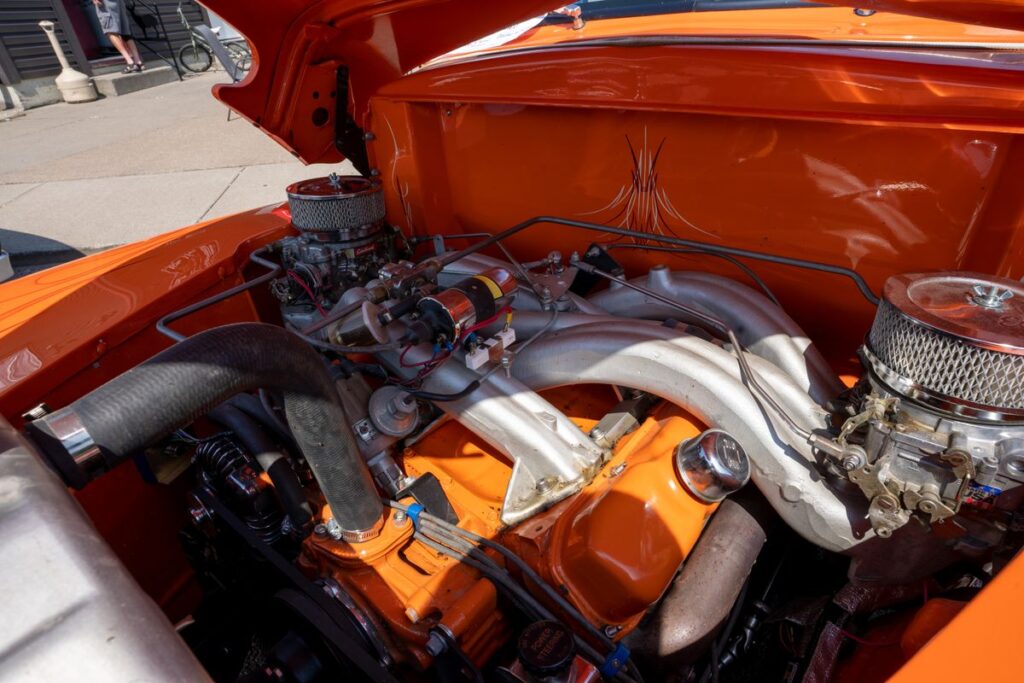
    V8 engine in an orange engine bay

    5. Starts Some Days, Not Others

    An intermittent no-crank that shows up in warm weather as well as cold is a strong starter clue. Worn brushes or a dead spot on the armature mean the motor works only when it happens to stop in a good position.

    A tap on the starter may get you home once, but it signals a starter near the end, not a fix.

    6. No Crank When the Engine Is Hot

    The car starts fine in the morning, but after a drive and a short stop it will not crank, then starts again once it cools. Starters often sit near the exhaust, and heat raises resistance in worn windings. This heat-soak pattern usually means the starter is wearing out.

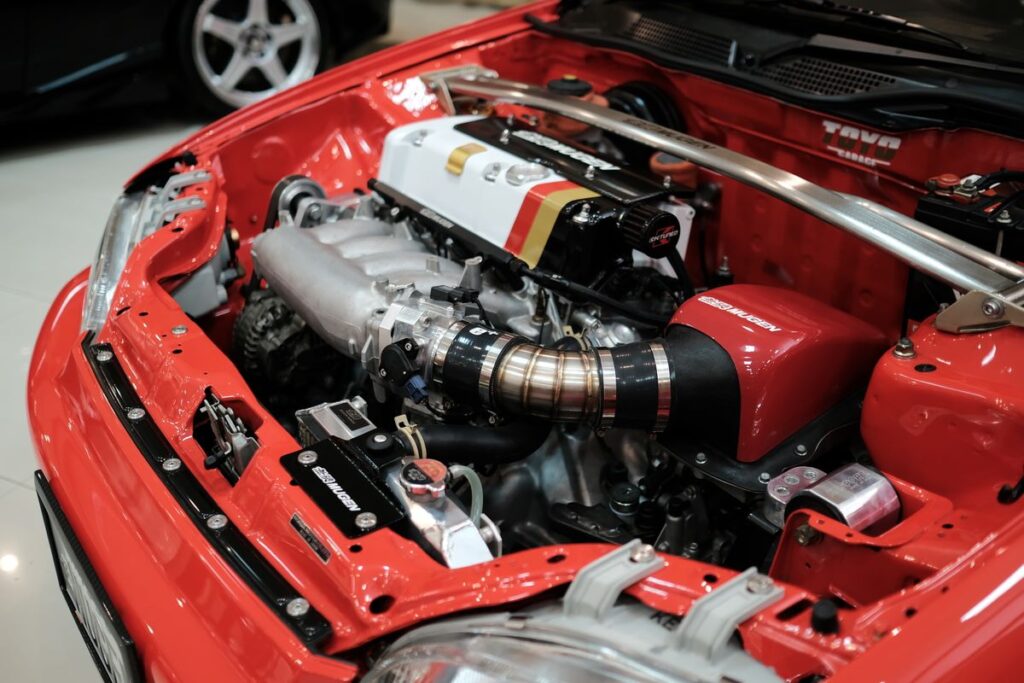
    Engine bay of a red car with the hood open

    7. Smoke or a Burning Smell

    Repeated cranking with a failing starter pulls heavy current and can overheat the motor or its cable. If you see smoke or smell hot wiring from under the car, stop trying to start it. Let it cool and get it inspected.

    Starter, Battery or Wiring?

    Many no-crank problems are not the starter at all. A few simple checks help narrow it down:

    • Dash lights: bright lights with no crank lean toward the starter or its circuit. Lights that dim heavily or go out lean toward the battery or its cables.
    • A jump start: if the car still just clicks with a good jump, the battery is probably not the problem.
    • Battery terminals: white or green corrosion and loose clamps can block current and mimic a bad starter.

    If the battery keeps going flat after sitting, the cause is usually a drain, covered in our guide to a car battery that dies overnight. If it dies while driving or the battery light comes on, read about bad alternator symptoms and charging problems.

    Gauges with warning lights lit on the dashboard

    How a Mechanic Tests a Starter

    A new starter will not fix a corroded cable or a bad relay. Automotive Training Centre’s guide to bad starter symptoms and what techs test first lays out the usual order. Typical steps include:

    1. Test the battery’s state of charge and its health under load.
    2. Check the starter relay and confirm the starter gets its signal when the key turns.
    3. Run a voltage drop test on the main cable and the ground circuit while cranking.
    4. Measure the current the starter draws. High draw suggests internal drag, low draw suggests poor contact or engagement.
    5. Inspect the cables, ground straps and the starter mounting for corrosion or looseness.

    Only after the battery, signal and wiring check out does the starter get the blame.

    Person holding jumper cables at an open hood

    Bad Starter Symptoms Compared by Urgency

    Use this table to decide how soon to book.

    SymptomStarter, battery or wiring?How urgent
    Starter keeps running after the engine startsStarter solenoid, relay or ignition switchHigh Shut it off and get it checked now
    Smoke or burning smell when crankingStarter motor or its cable overheatingHigh Stop cranking and have it inspected
    Grinding while crankingStarter pinion or ring gear teethSoon Book within days to protect the ring gear
    Single click, bright lights, no crankUsually the starter or its signal circuitSoon Expect to be stranded until it is fixed
    Whirring with no crankStarter drive or one-way clutchSoon Book a diagnosis
    Intermittent or hot-engine no-crankWorn starter or a loose connectionModerate Get it tested before it fails for good
    Rapid clicking, dim lightsBattery low or weakModerate Test and charge the battery
    Corroded or loose battery terminalsBattery connectionsLow Clean and tighten, then recheck
    Bad starter symptoms: the likely cause and how urgent each sign is

    Starters and West Michigan Winters

    Cold mornings make every starter work harder, because thick oil drags on the engine and a cold battery delivers less power. Road salt also corrodes cable ends and grounds, which can cause bad starter symptoms when the starter is fine.

    Our car electrical repair in Grand Rapids covers starting and charging diagnosis on foreign and domestic vehicles. Hendrick Hoffman, our owner and head mechanic, is ASE and State of Michigan certified in electrical.

    Frequently Asked Questions

    Can a starter work sometimes and not others?

    Yes. Worn brushes, a dead spot on the armature or a loose connection can make a starter work one time and fail the next. An intermittent starter usually fails completely before long.

    What does a bad starter sound like?

    It depends on what failed. A single click points to the solenoid or motor, grinding points to the gears not meshing, a whir with no crank points to the drive, and a whine after the engine starts means the starter has stayed engaged.

    Can a bad starter drain the battery?

    It can. A starter that stays engaged or has an internal short pulls heavy current, and repeated cranking with a weak starter also runs the battery down. A battery that goes flat while the car sits is more often caused by another drain.

    Can you drive with a bad starter?

    Once the engine is running, the starter is not needed, so the car will drive. The risk is being stranded the next time you shut it off. If the starter keeps running after the engine starts, do not drive it.

    Need starter or electrical diagnosis in Grand Rapids? Call 456 AutoFix at 616-279-3832, Monday to Friday 8am to 5pm, or book through our contact page.

    Can’t make it during the day? Use our after-hours drop-off. We’re at 456 Carrier St NE in Creston.