
As an Amazon Associate, 456 AutoFix earns from qualifying purchases. Product links below go to Amazon, where you can confirm the right part for your vehicle.
Two orange and yellow jugs sit side by side on almost every oil shelf in town, and plenty of drivers are unsure which one to grab. The valvoline vs pennzoil question sounds like brand loyalty, but at the full synthetic level the two companies sell oils with different selling points, different label specs and different promises printed on the back.
To keep this fair, we lined up one full synthetic from each brand in the same grade, 5W-30, added Valvoline’s high mileage full synthetic for older engines, and read only what each maker and Amazon listing actually states. If you would rather see a wider field of brands, our full synthetic oil roundup compares six of them.
Quick answer
Is Valvoline or Pennzoil the better synthetic oil?
Neither wins outright, since both 5W-30s list API SQ and ILSAC GF-7A. Valvoline Restore & Protect focuses on removing piston deposits from engines with some age. Pennzoil Platinum adds GM dexos1 Gen 3 and a 15,000-mile protection guarantee. Let your owner’s manual decide first.
Our Quick Picks
One 5W-30 full synthetic from each brand, plus Valvoline's high mileage full synthetic for engines past 75,000 miles, each reviewed in full below.

Valvoline Restore & Protect 5W-30
Premium synthetic built around removing and preventing piston deposits.

Pennzoil Platinum 5W-30
Everyday Pennzoil synthetic with dexos1 Gen 3 and a mileage guarantee.
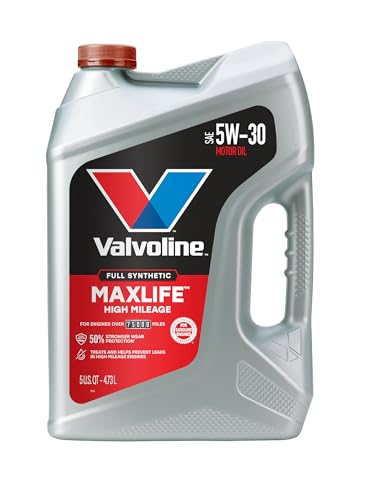
Valvoline MaxLife High Mileage 5W-30
Full synthetic with seal conditioners aimed at leaks and oil use in older engines.
Two Old Brands, Two Different Pitches
Valvoline calls itself America’s first motor oil brand, and its current premium line is Restore & Protect. On its Restore & Protect product page, Valvoline says the oil removes up to 100% of piston deposits with continuous use and helps stop new ones from forming. The same page lists the grades as 0W-16, 0W-20, 5W-20 and 5W-30, and it answers plainly that the line is not dexos certified.
Pennzoil, a Shell brand, sells its synthetics on the base oil itself. The Platinum listing says the oil is made with natural gas and built to maximize engine protection. Where Valvoline talks about cleaning an engine that is already dirty, Pennzoil talks about keeping pistons cleaner than the industry test requires from the start.
How each lineup is stacked
Valvoline’s shelf runs from Advanced Full Synthetic and Extended Protection up to Restore & Protect, with the MaxLife family for older engines. Valvoline’s own FAQ points dexos buyers to Advanced and Extended Protection instead of Restore & Protect. That detail matters on many GM vehicles, so read it before you buy.
Pennzoil’s ladder goes from conventional and High Mileage through Platinum to Ultra Platinum at the top. Platinum is the everyday full synthetic most shoppers see first, and it is the Pennzoil bottle with the broadest carmaker spec list on Amazon. You can find its 0W-20 sibling, Ultra Platinum, in our cold weather motor oil guide.
Valvoline vs Pennzoil on the Label: Specs Side by Side
The quickest way to compare two oils is to read the specification lines, not the slogans. The first one is the grade itself, which follows the SAE J300 viscosity classification, so a 5W-30 from either brand has to meet the same cold and hot limits. The table below uses only what each Amazon US listing and Valvoline’s product page state.
| Point | Valvoline Restore & Protect 5W-30 | Pennzoil Platinum 5W-30 | Valvoline MaxLife High Mileage 5W-30 |
|---|---|---|---|
| Base | Full synthetic | Full synthetic made with natural gas | Full synthetic with seal conditioners |
| API category | API SQ, API SP, SN PLUS, Resource Conserving | API SQ Resource Conserving and earlier categories | API SQ, API SP, SN PLUS, Resource Conserving |
| ILSAC | GF-7A | GF-7A | GF-7A |
| Carmaker specs named | Ford WSS-M2C961-A1, Chrysler MS-6395 | Chrysler MS-6395 and MS-13340, Ford WSS-M2C971-A1 | Ford WSS-M2C961-A1, Chrysler MS-13340 |
| GM dexos | Not certified, per Valvoline | dexos1 Gen 3 listed | Not named in listing |
| Headline claim | Removes up to 100% of piston deposits | Pistons cleaner than required, based on Sequence IIIH | Seal conditioners to curb leaks and oil use |
| Promise in listing | None stated | 15,000-mile protection guarantee, terms apply | None stated |
| Pack | One 5 quart jug | One 5 quart jug | One 5 quart jug |
On paper the three sit closer than the marketing suggests, since each carries the newest API and ILSAC categories. The clearest gaps are Pennzoil’s dexos1 Gen 3 listing and its mileage guarantee against Valvoline’s deposit removal claim. Shelf stock changes, so check the Starburst and spec lines on the jug that arrives rather than trusting an older photo.
Valvoline vs Pennzoil: Three 5W-30 Bottles in Detail
Every oil below is a 5W-30 full synthetic in a 5 quart jug sold through Amazon US. The Pennzoil Platinum 5W-30 is also reviewed in our six-oil synthetic roundup, and we use it again here because it remains the brand’s everyday full synthetic in this grade.
Valvoline Restore & Protect 5W-30: Full Synthetic Motor Oil with Active Clean Technology
- Full synthetic 5W-30 in a 5 quart jug
- Active Clean and Liqui-Shield deposit control
- ILSAC GF-7A, API SQ and API SP
- Lists Ford WSS-M2C961-A1 and Chrysler MS-6395
Restore & Protect is Valvoline’s top full synthetic, and this listing covers the 5W-30 grade in a single 5 quart jug. Valvoline presents it as the first motor oil shown to return pistons to factory clean, stating that it removes up to 100% of deposits over four consecutive oil changes. After that, the oil is meant to keep new buildup from forming as long as you keep using it.
Two named technologies do the work, according to the listing. Active Clean Technology targets hidden piston deposits that Valvoline links to lost fuel economy and power, and Liqui-Shield is there to limit future deposits and friction. Valvoline also claims 79% stronger anti-wear protection than a GF-6 qualified oil. The spec line is current, naming ILSAC GF-7A, API SQ, API SP, API SN with SN PLUS and Resource Conserving, plus Ford WSS-M2C961-A1 and Chrysler MS-6395.
This oil makes the most sense for an engine with some age on it, or one that lives on short trips, where carbon tends to collect. It also works from a car’s first oil change, as Valvoline notes. It does not suit a GM vehicle that requires dexos, since Valvoline says the line is not dexos certified, and it lists no European approvals.
View Valvoline Restore & Protect 5W-30 on Amazon
Pennzoil Platinum 5W-30: Full Synthetic Motor Oil Made from Natural Gas, dexos1 Gen 3
- Full synthetic 5W-30 in a 5 quart jug
- Made with natural gas, per Pennzoil
- API SQ, ILSAC GF-7A, GM dexos1 Gen 3
- 15,000-mile protection guarantee stated
Platinum is the full synthetic most Pennzoil buyers reach for, and this listing covers the 5W-30 grade in a single 5 quart jug. Pennzoil says the oil is made with natural gas and designed to maximize engine protection. It is the same ASIN we covered in our wider synthetic oil roundup, included here because it is the brand’s main full synthetic in this grade.
The spec line is the strong point. The listing names API SQ Resource Conserving and ILSAC GF-7A, then Chrysler MS-6395 and MS-13340, Ford WSS-M2C971-A1 and GM dexos1 Gen 3. Pennzoil also states that the oil keeps pistons cleaner than the toughest industry standard requires, based on Sequence IIIH results, and claims better fuel economy, faster low-temperature flow and protection in extreme heat. A 15,000-mile protection guarantee is mentioned with an asterisk, so read the terms before you count on it.
This oil suits newer cars whose manuals call for 5W-30 with dexos or one of the listed Chrysler and Ford specs, and owners who like a written mileage promise. It makes no claim to strip existing deposits, so a sludged older engine is not its focus. No European approvals are listed either, so check your manual first.
View Pennzoil Platinum 5W-30 on Amazon
Valvoline MaxLife High Mileage 5W-30: Full Synthetic Motor Oil with Seal Conditioners for 75,000+ Mile Engines
- Full synthetic 5W-30 in a 5 quart jug
- Seal conditioners for engines past 75,000 miles
- ILSAC GF-7A, API SQ and API SP
- Lists Ford WSS-M2C961-A1 and Chrysler MS-13340
MaxLife High Mileage Full Synthetic is the Valvoline bottle aimed at engines with 75,000 miles or more on the clock, sold here as one 5 quart jug of 5W-30. Where Restore & Protect goes after carbon on the pistons, this one is built around the gaskets and seals that start to weep and shrink as an engine piles on years and miles.
The listing credits seal conditioners with helping prevent oil leaks, cut oil consumption and improve fuel economy. Valvoline also claims 50% stronger wear protection, 20% stronger sludge defense and 2.5 times better heat protection than industry standards. Its spec line names ILSAC GF-7A, API SQ, API SP and API SN with SN PLUS and Resource Conserving, plus Ford WSS-M2C961-A1 and Chrysler MS-13340.
Pick this jug when the dipstick drops between changes or a few drops show up under the car, and the manual allows 5W-30. It is the only Valvoline oil here that names Chrysler MS-13340. The listing names no dexos approval and no European approvals, so a GM that requires dexos or a European car with a set approval should look elsewhere.
View Valvoline MaxLife High Mileage 5W-30 on Amazon
Where the Two Oils Really Differ
Cleaning up versus staying clean
Valvoline’s pitch is aimed at engines that already carry carbon on the pistons. It says Restore & Protect removes up to 100% of those deposits over four consecutive oil changes, and that the loosened material stays suspended in the oil until it drains. Pennzoil makes no restore claim. Its argument is prevention, backed by a Sequence IIIH piston cleanliness result.
Wear and fuel economy claims
Each brand quotes its own benchmark. Valvoline lists 79% stronger anti-wear protection compared with a GF-6 qualified oil, while Pennzoil claims better fuel economy under the latest industry standards and faster oil flow at low temperatures. These are different measures, so the numbers cannot be lined up against each other. What you can say is that both meet API SQ, the newest gasoline category.

Guarantees and approvals, as stated
Pennzoil’s listing mentions a 15,000-mile protection guarantee marked with an asterisk, so read Pennzoil’s terms and keep your receipts if you plan to lean on it. Valvoline’s listing states no guarantee for Restore & Protect. Its FAQ does say that using the grade and spec your carmaker recommends will not cause warranty issues with the vehicle itself.
If your car needs a European approval such as VW 502 00 or BMW Longlife, none of the three listings claims one. That includes turbocharged Audi engines, which are fussy about oil, as our piece on Audi 2.0T oil consumption explains. Buy an oil that prints your exact approval on the bottle instead.
Which Driver Should Pick Which Jug
The valvoline vs pennzoil choice comes down to your car’s requirements first and your priorities second. Use this table as a starting point, then confirm the grade and spec in your owner’s manual or on the oil filler cap.
| Your situation | Better fit | Why |
|---|---|---|
| Older engine with sludge or carbon history | Valvoline Restore & Protect | Deposit removal is its main claim |
| GM car that requires dexos | Pennzoil Platinum | Listing names dexos1 Gen 3 |
| Chrysler that calls for MS-13340 | Pennzoil Platinum or Valvoline MaxLife High Mileage | Both listings name MS-13340 |
| You like a written mileage promise | Pennzoil Platinum | 15,000-mile guarantee stated, terms apply |
| Mostly short trips, many years on the engine | Valvoline Restore & Protect | Built to clear and block new deposits |
| Past 75,000 miles with seeps or top-ups | Valvoline MaxLife High Mileage | Seal conditioners aimed at leaks and oil use |
| Car needs a European approval | None of these three | Choose an oil that prints that approval |
Put simply, a newer GM or Chrysler owner will find the valvoline vs pennzoil pick easier on the Pennzoil side, while an owner of a well-used engine with no dexos requirement has a good reason to try Valvoline. For engines past 75,000 miles that seep or burn a little oil, the MaxLife High Mileage jug above is the closer fit, and our high mileage oil guide weighs more options in that category.
Cold Starts and Short Trips Around Grand Rapids
A West Michigan winter is hard on oil in ways a highway commute is not. Short trips in freezing weather let moisture and fuel collect in the crankcase, and the engine rarely gets hot enough to burn them off. That is the kind of use where deposits build up and where a fresh fill of quality synthetic earns its keep, whichever brand you pick.
All three 5W-30s have to flow at cold starts as their grade requires, so the first number on the jug matters more than the logo. If your manual allows a 0W option for winter, our cold weather guide explains when that switch makes sense. Pick one interval and keep to it, because a stretched change hurts more than any brand choice helps.
Not sure how far you can push it? Our article on how long you can go without an oil change walks through what happens to oil as the miles pile up. If you are still deciding between synthetic and older-style oil, our synthetic vs conventional oil explainer covers that first step.
When the Oil Question Needs a Mechanic
Changing brands will not fix an engine that is losing oil, smoking on startup or showing a pressure warning. If you top up between changes, see blue smoke or notice oil on the driveway, the problem is mechanical and worth a proper look before the next fill. No valvoline vs pennzoil decision will cover for a worn seal or a leaking gasket.

We handle routine oil changes at our Creston shop using the grade and spec your car calls for. If a leak, smoke or a warning light is part of the story, mention it when you book so we can look into it. Our head mechanic, Hendrick Hoffman, has worked in automotive service since 2005 and is ASE and State of Michigan certified for engine repair.
More Buying Guides
Frequently Asked Questions
Is Valvoline better than Pennzoil?
Not in a way that holds for every car. All three 5W-30s here meet API SQ and ILSAC GF-7A, so the right one is the one whose specs match your owner’s manual. Valvoline Restore & Protect focuses on deposit removal, while Pennzoil Platinum adds dexos1 Gen 3 and a stated mileage guarantee.
Can I switch from Pennzoil to Valvoline, or back?
Yes. As long as the new oil is the same grade and meets the spec your carmaker lists, you can change brands at any oil change. Valvoline’s own FAQ says Restore & Protect can follow a different brand and starts working in the first interval.
Can I mix the two oils when topping up?
A quart of one brand in a crankcase of the other is fine for a top-up if both are the same grade and API category. To get the full benefit of either oil’s claims, run a complete fill of one brand at the next change.
Is either oil dexos approved?
Valvoline says Restore & Protect is not dexos certified and points GM owners to its Advanced and Extended Protection lines. The MaxLife High Mileage listing names no dexos approval either. Pennzoil Platinum 5W-30 lists GM dexos1 Gen 3, so it is the one of these three to consider for a GM car that requires it.
Rather have someone else handle the oil and the grade? Call 456 AutoFix at 616-279-3832, Monday to Friday 8am to 5pm, or request an oil change through our contact page.
Busy through the workday? Bring the car to 456 Carrier St NE in Grand Rapids after closing and leave it with our after-hours drop-off.