As an Amazon Associate, 456 AutoFix earns from qualifying purchases. Product links below go to Amazon, where you can confirm the right part for your vehicle.
Walk down any oil aisle and the red and blue Valvoline jugs sit a shelf away from Castrol’s silver and green. The valvoline vs castrol choice looks like a coin toss from the front labels, so this page turns the jugs around and reads the backs instead.
We hold everything else equal: one premium full synthetic from each brand, both in 5W-30. That means Valvoline Extended Protection against Castrol EDGE, with Valvoline MaxLife Extended Protection joining them for engines past 75,000 miles. For a wider field of brands, our guide to full synthetic motor oil lines up several more.
Quick answer
Should you pour Valvoline or Castrol in a 5W-30 engine?
The two flagship jugs compared here list API SQ and GM dexos1 Gen 3, so either suits most modern engines that call for 5W-30. Valvoline Extended Protection leans on wear, deposit and heat claims. Castrol EDGE leans on film strength and a 20,000-mile or one-year drain claim. Your owner’s manual settles anything beyond that.
Our Quick Picks
One premium 5W-30 full synthetic from each brand, matched on grade and tier, plus the high mileage Valvoline for older engines. Full reviews of all three jugs follow below.

Valvoline Extended Protection 5W-30
Valvoline's top everyday synthetic, pitched on wear, deposit and heat protection.

Castrol EDGE 5W-30
Castrol's flagship synthetic, sold on strength under load and long drains.
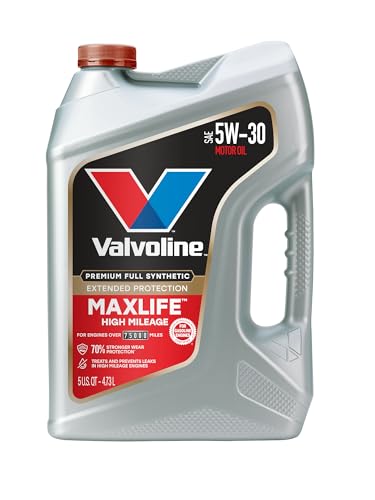
Valvoline MaxLife Extended Protection 5W-30
Valvoline's high mileage take on Extended Protection, with seal conditioners added for worn engines.
How Valvoline and Castrol Got Here
Valvoline is an American brand with roots in the 1860s, and today it sells motor oil under its own name in parts stores across the country. Castrol began in London at the very end of the 1800s and is now part of BP. Both companies make oil for racing, fleets and ordinary cars, and both run several product families side by side.
What each brand sells on Amazon
On Amazon US, Valvoline’s lineup runs from Advanced Full Synthetic to Extended Protection, Restore and Protect, MaxLife High Mileage in blend and full synthetic forms, and a European Vehicle range. Extended Protection is the top of its everyday ladder. Castrol splits its range into GTX, which covers conventional, high mileage and full synthetic jugs, and EDGE, which adds Extended Performance, High Mileage and Euro versions.
Picking the right tier matters more than picking the right brand. Comparing a budget blend from one company with a premium synthetic from the other tells you nothing useful, so we matched the two lines each brand markets as its flagship for daily drivers.
Why these three jugs and not others
We already set Valvoline Advanced against Mobil 1 in our Mobil 1 and Valvoline 5W-30 comparison, and Valvoline Restore and Protect against Pennzoil in our Valvoline and Pennzoil matchup. Castrol EDGE Extended Performance already appears in the synthetic oil guide. None of the three jugs on this page has been reviewed on our site before.
The Fine Print on Each Jug
Everything in this table comes from the Amazon US listing for each oil. Where a listing is silent on a point, the cell says not stated, because guessing would not help you.
| Point | Valvoline Extended Protection 5W-30 | Castrol EDGE 5W-30 | Valvoline MaxLife Extended Protection 5W-30 |
|---|---|---|---|
| Type and pack | Full synthetic, one 5 quart jug | Full synthetic, one 5 quart jug | High mileage full synthetic, one 5 quart jug |
| API and ILSAC | API SQ, SP, SN PLUS; ILSAC GF-7A; Resource Conserving | Exceeds API SQ, SP, SN PLUS, SN; ILSAC GF-7 | API SQ, SP, SN PLUS; ILSAC GF-7A; Resource Conserving |
| GM approval | dexos1 Gen 3 | dexos1 Gen 3 | Not stated |
| Ford and Chrysler specs | Ford WSS-M2C961-A1, Chrysler MS-13340 | Ford WSS-M2C946-B1 and WSS-M2C961-A1, Chrysler MS 6395 tests | Ford WSS-M2C961-A1, Chrysler MS-13340 |
| Headline claim | 60% stronger wear protection vs industry standards | 3X stronger than the leading full synthetic, footnoted | 70% stronger wear protection vs industry standards |
| Drain claim | Not stated | 20,000 miles or one year, whichever comes first | Not stated |
| Additive story | Dual Defense Additive Technology | Not named in the bullets | Dual Defense plus premium seal conditioners |
The surprise here is how close the approval lists are. The two flagships share the current API and GM marks, so their real differences sit in the marketing claims and the drain promise. The high mileage Valvoline matches on API and Ford but leaves dexos off its listing.
Valvoline vs Castrol: Three 5W-30 Jugs Reviewed
All three listings are single 5 quart jugs, which covers many four-cylinder engines with a little left over. Bigger V6 and V8 sumps can take six quarts or more, so look up your capacity before you click.
Valvoline Extended Protection 5W-30: Full Synthetic Motor Oil with Dual Defense Additives, 5 Quart
- Full synthetic 5W-30 in one 5 quart jug
- Dual Defense Additive Technology
- API SQ, ILSAC GF-7A, GM dexos1 Gen 3
- Ford WSS-M2C961-A1, Chrysler MS-13340
Extended Protection sits above Valvoline Advanced as the brand’s premium everyday full synthetic. This listing is a single 5 quart jug of 5W-30, which fills a typical four-cylinder engine with a small amount left for topping up later. Larger engines with six or seven quart sumps will need extra, so look up your capacity before ordering.
Valvoline builds the pitch around four causes of engine breakdown it names on the listing: deposits, wear, heat and friction. Valvoline credits the 5W-30’s protection to its Dual Defense additive package of anti-wear boosters and extra detergents. The bullets claim 60% stronger wear protection, 40% better deposit defense and 20X better heat protection, all measured against industry standards rather than a rival brand. The label lists ILSAC GF-7A, API SQ and SP, Resource Conserving, Ford WSS-M2C961-A1, Chrysler MS-13340 and GM dexos1 Gen 3.
This jug suits a driver who changes oil on a regular mileage sticker and cares most about keeping the engine clean inside, including older engines that have seen a few late changes. Valvoline does not state a drain interval for it, so the manual sets the schedule. It is not the pick for a European engine that requires a VW, BMW or Mercedes-Benz approval, since none is listed.
View Valvoline Extended Protection 5W-30 on Amazon

Castrol EDGE 5W-30: Advanced Full Synthetic Motor Oil with 20,000-Mile Drain Claim, 5 Quarts
- Full synthetic 5W-30 in one 5 quart jug
- Film strength claim from viscosity tests
- 20,000 miles or one year, as listed
- API SQ, ILSAC GF-7, GM dexos1 Gen 3
EDGE is Castrol’s main premium full synthetic line, a step above GTX Full Synthetic. This is the standard 5W-30 version in a single 5 quart jug, separate from the EDGE Extended Performance jug we cover in our synthetic oil guide. A typical four-cylinder engine takes most of the jug, while larger engines will need an extra quart or two.
Castrol’s headline claim is that EDGE is three times stronger than the leading full synthetic, based on viscosity breakdown in the Kurt Orbahn shear test on the 5W-30 grade. A second claim says it delivers ten times better high stress performance, measured in the Sequence IX test under high load and torque against API SQ limits. The listing also states 20,000 miles between changes, or one year, whichever comes first. It exceeds API SQ and ILSAC GF-7, carries GM dexos1 Gen 3 and meets Ford WSS-M2C946-B1 and WSS-M2C961-A1.
This oil suits drivers who log long highway miles and follow the oil life monitor, plus owners of small turbocharged engines that run hot and hard. The long drain claim still sits below your carmaker’s schedule and the severe service rules for short trips and towing. Like both Valvoline jugs, it lists no European carmaker approval, so check the manual first.
View Castrol EDGE 5W-30 on Amazon

Valvoline MaxLife Extended Protection 5W-30: High Mileage Full Synthetic with Seal Conditioners, 5 Quart
- Full synthetic 5W-30 for engines past 75K miles
- Premium seal conditioners for leaks and oil use
- Dual Defense Additive Technology
- API SQ, ILSAC GF-7A, Ford WSS-M2C961-A1
MaxLife Extended Protection is the high mileage branch of the same Valvoline family, written for engines that have crossed 75,000 miles. It comes as a 5 quart jug of full synthetic 5W-30, the same grade and pack size as the two flagships above, so owners of older cars that still call for 5W-30 can weigh it on equal terms.
The formula carries over Dual Defense Additive Technology, pairing boosters with a fortified detergent system aimed at deposits, corrosion and sludge. On top of that, Valvoline blends in premium seal conditioners meant to treat and prevent leaks and cut oil consumption. The listing claims 70% stronger wear protection, 20% better sludge defense and 20X better heat protection, each measured against industry standards. It meets ILSAC GF-7A, API SQ and SP, Resource Conserving, Ford WSS-M2C961-A1 and Chrysler MS-13340.
Reach for this jug when the odometer is deep into six figures and you find yourself adding oil between services or spotting small drips on the garage floor. Unlike the regular Extended Protection listing, this one names no GM dexos1 approval, so a GM owner still under warranty should pick a licensed oil. It prints no drain interval and no European carmaker approval either.
View Valvoline MaxLife Extended Protection 5W-30 on Amazon
Reading the Claims Without the Hype
Percentages and multipliers
Valvoline measures its numbers against “industry standards”, meaning the test limits an oil must pass to earn its ratings. Castrol measures one claim against an unnamed leading full synthetic and another against API SQ limits in a high load engine test. Those are different yardsticks, so the figures cannot be laid side by side to crown a winner.
What the numbers do tell you is where each company spent its effort. Valvoline talks about wear, deposits and heat across the whole engine. Castrol talks about the oil holding its thickness under stress, which is the property that protects bearings and cam lobes when a turbo engine works hard.

The 20,000-mile line
Castrol’s listing says EDGE can go 20,000 miles between changes, or one year, whichever arrives first. Valvoline does not print a drain figure for Extended Protection at all. Neither listing outranks your carmaker’s schedule or the oil life monitor, and short trips, towing and dusty roads count as severe service in most manuals. Our article on how long an engine can go without an oil change covers what happens when the interval slips.
dexos and the API marks
GM keeps a public list of licensed oils on its dexos licensed brands site, split into dexos1 Gen 3 for gasoline engines and separate specs for diesels and some other engines. If you drive a GM car still under warranty, check that the exact product is on that list. The American Petroleum Institute runs the engine oil licensing program behind the donut and starburst symbols on the back of each jug.
European cars are a separate story. None of these three listings names a Volkswagen, BMW or Mercedes-Benz approval, so a turbocharged European engine that calls for one needs a jug that prints it. Our post on oil consumption in the Audi 2.0T shows why the wrong spec can cost more than the oil.
Matching Each Oil to Your Driving
Once the grade and approval in your manual are covered, the table below settles the valvoline vs castrol question by the kind of driving and maintenance you actually do.
| Your situation | Leans toward | Why |
|---|---|---|
| Changes by a fixed 5,000 to 7,500 mile sticker | Valvoline Extended Protection | Listing is built around wear, deposit and heat protection, not distance |
| Long highway miles, follows the oil life monitor | Castrol EDGE | Listing states 20,000 miles or one year |
| Small turbo engine that works hard | Castrol EDGE | Claims center on film strength under high load |
| Older engine with sludge history | Valvoline Extended Protection | Fortified detergent system and deposit claim |
| Past 75,000 miles, small leaks or oil use | Valvoline MaxLife Extended Protection | Seal conditioners on top of the Dual Defense additives |
| Manual names a carmaker spec | Whichever jug prints it | The spec decides, not the logo |
If you land in both columns, buy the jug your local store keeps in stock. Staying with one oil from change to change also makes it easier to notice if the engine starts using more between services.
Salt, Slush and Short Hops in West Michigan
A car parked outside overnight in a Grand Rapids January asks a lot of its oil in the first thirty seconds. All three jugs on this page share the same 5W cold rating, so neither has an edge on a frozen morning. If your manual also allows 0W-30 or 0W-20, those grades flow a little faster when cold, and our winter motor oil roundup covers them.

Short errands in slush are the other winter problem. An engine that never fully warms up gathers water and unburned fuel in the oil, which is exactly the severe service case that cuts any long drain claim short. For most local commuters, that makes the manual’s severe schedule a smarter guide than the number on the jug.
So the valvoline vs castrol decision matters less in winter than simply changing on time. Fresh oil, a new filter and the correct grade do more for a cold engine than any switch between these two brands.
Signs Your Engine Needs More Than a Brand Swap
Changing brands will not cure an engine that drips onto the driveway, burns a quart between services or flashes a warning on the dash. Low readings on the dipstick, blue smoke on startup or a milky cap are worth a proper look. Our page on the oil pressure light explains what to check first and when to stop driving.

If you would rather someone else handles it, our Creston oil change service uses the grade and approval your manual lists. Hendrick Hoffman has worked on cars since 2005, and our about page covers his training and the shop’s ASE and State of Michigan credentials.
More Buying Guides
Frequently Asked Questions
Is Valvoline better than Castrol?
Not across the board. The two flagship 5W-30 jugs here share API SQ and dexos1 Gen 3, so both suit most engines that call for that grade. Choose Valvoline Extended Protection if deposit and wear claims matter most to you, or Castrol EDGE if you want a stated long drain and film strength under load.
Can I mix Valvoline and Castrol or switch between them?
Yes. Oils with the same grade and the same API rating are designed to be compatible, so topping up with the other brand is fine. You can also switch at any change without a flush.
Does Castrol EDGE really last 20,000 miles?
The listing says 20,000 miles or one year, whichever comes first, but your carmaker’s schedule comes first. Short trips, towing and cold weather fall under severe service in most manuals, which calls for shorter intervals.
How do Valvoline and Castrol compare with Mobil 1 or Pennzoil?
All four brands sell premium full synthetics in the same tier. We compare Mobil 1 with Valvoline and Valvoline with Pennzoil in separate posts, and the same rule applies to each: the grade and approval on the label matter more than the brand.
Want a second opinion on the oil your engine should be getting? Phone 456 AutoFix at 616-279-3832, Monday to Friday 8am to 5pm, or ask for an oil change appointment through our contact page.
Working the same hours we do? Bring the car to 456 Carrier St NE after we close and leave it in the after-hours drop-off with a note on what it needs.