
A brake pedal hard to push almost always means the brakes have lost some or all of their power assist. The brakes themselves still work, but your leg is now doing the job the brake booster normally does for you.
Here is what causes it, a quick test you can do in your driveway, and how urgent each cause is.
Quick answer
Why is my brake pedal hard to push?
Most often the brake booster is not getting or holding the vacuum it needs, because of a cracked vacuum hose, a failed check valve or a torn booster diaphragm. A stalled engine, low engine vacuum or a hydro-boost fault can do the same. The car still stops, but it needs far more force, so get it checked before driving much.

Hard Pedal vs Soft Pedal: Know Which One You Have
A hard pedal feels stiff and high, like pushing against a block of wood that barely moves. That is an assist problem. A soft pedal is the opposite: it feels spongy or slowly sinks, which points to air, a leak or a master cylinder fault.
If your pedal is sinking rather than resisting, read our guide on a brake pedal that goes to the floor and what it means.
Why a Brake Pedal Is Hard to Push
Most cars use a vacuum brake booster, the round canister on the driver’s side of the firewall. It uses engine vacuum to multiply the force of your foot. When that vacuum is missing or leaking, the pedal gets hard.
1. The Engine Is Off or Has Stalled
With the engine off, the booster holds only enough stored vacuum for one or two presses. After that, the pedal goes hard. This is normal, and it is also why a car that stalls while moving suddenly feels very hard to stop.
2. A Cracked Vacuum Hose or Failed Check Valve
A rubber hose carries vacuum from the engine to the booster, with a one-way check valve where it plugs in. Old rubber cracks, softens or pops loose, and a check valve can stick open or closed. A leak often brings a hiss from the engine bay, and sometimes a rough or high idle.
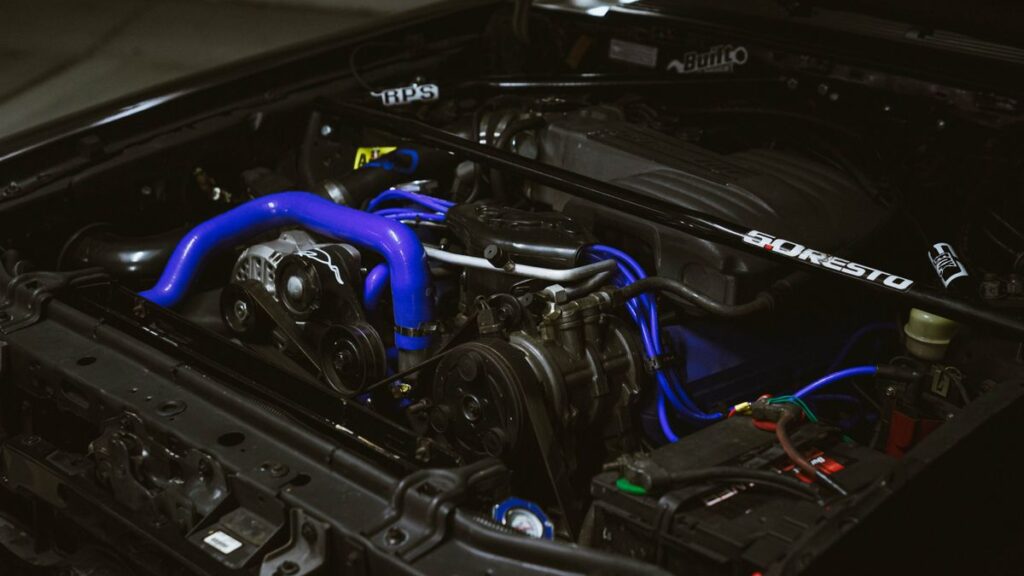
A failing check valve can also let stored vacuum bleed away after you park. In that case the pedal feels fine while driving but hard on the first stop after the car sits.
3. A Torn Booster Diaphragm
Inside the booster is a large rubber diaphragm. If it tears or a seal fails, the booster leaks and cannot help your foot. A common clue is a hissing sound from under the dashboard when you press the pedal.
Phoenix Systems, a brake equipment maker, puts it plainly in its article on what causes a brake pedal to feel hard and unresponsive: when the booster fails, you are applying all of the braking force with your leg alone.
4. Low Engine Vacuum
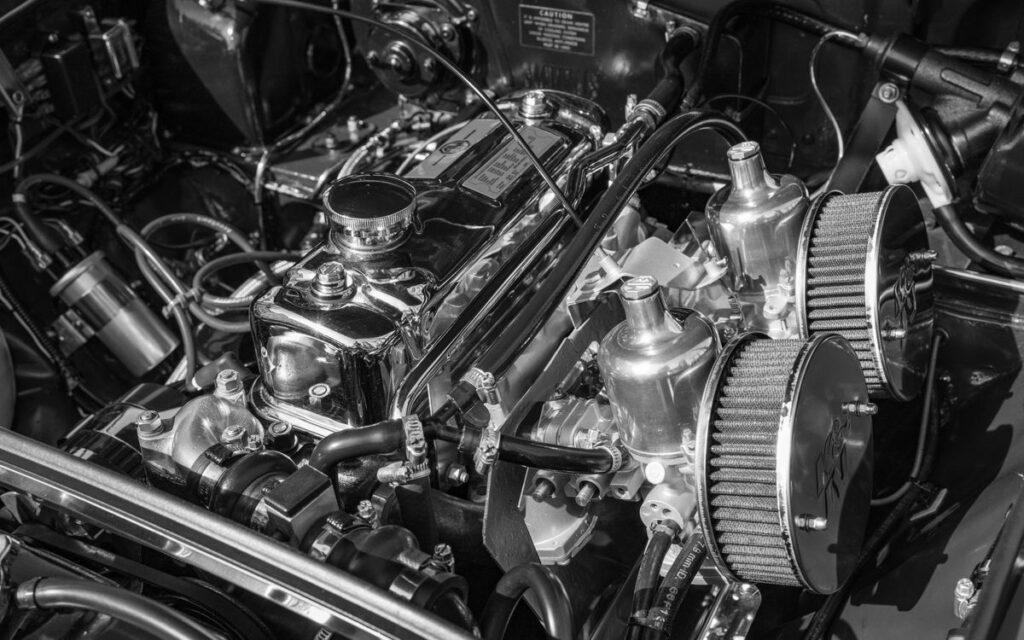
A large intake leak or a badly misfiring engine can leave the booster short of vacuum. The engine usually runs poorly too, often with the check engine light on.
5. Hydro-Boost and Electric Boosters
Some trucks, diesels and heavier vehicles use hydro-boost, which gets its assist from power steering fluid pressure instead of vacuum. A slipping belt, low power steering fluid or a weak pump can make both the brakes and the steering feel heavy at the same time.
Many hybrids, electric cars and newer models use an electric or electronically controlled booster. There, a hard pedal usually comes with a dash warning and needs a scan tool to diagnose.

6. Rarer Causes Outside the Booster
A brake hose can collapse inside, or a caliper can seize. Either one usually makes the car pull to one side, and you may smell hot brakes after a drive. A sticking master cylinder, a binding pedal or a bunched-up floor mat can also stiffen it.
A Simple Brake Booster Test You Can Do at Home
Do this parked, with the parking brake set:
- With the engine off, pump the brake pedal five or six times until it feels firm. This uses up the stored vacuum.
- Hold steady, moderate pressure on the pedal.
- Start the engine while you keep holding it.
- The pedal should drop slightly under your foot as vacuum builds. If it does not move at all, the booster is not getting or using vacuum.
- With the engine idling, listen near the pedal and under the hood for a hiss as you press and release.
This test applies to vacuum boosters only. On hydro-boost or electric systems, skip it.

Why It Often Shows Up on Cold Mornings
Many drivers first notice a hard pedal on a frosty morning. Old rubber hoses and seals shrink and stiffen in the cold, so a small leak gets bigger until the engine warms up. Moisture inside the hose or check valve can also freeze and block vacuum.
Short winter trips, West Michigan cold snaps and road salt all age rubber under the hood. If the pedal is hard on cold starts and fine later, start with the vacuum hose and check valve.
Hard Brake Pedal Causes Compared
Match your clues to a likely cause. An inspection confirms which part failed.
| Likely cause | Typical clue | How urgent |
|---|---|---|
| Pedal suddenly hard while driving | Assist gone without warning, warning light or stall | High Pull over safely and don’t drive it |
| Torn booster diaphragm | Hiss under the dash when braking, booster test fails | High Book an inspection right away |
| Collapsed hose or seized caliper | Car pulls to one side, hot brake smell | High Book an inspection right away |
| Hydro-boost or electric booster fault | Heavy brakes and steering, or a brake warning light | High Book an inspection right away |
| Cracked vacuum hose or check valve | Hard on cold starts or first stop, rough idle | Soon Get it checked within days |
| Engine off, one or two presses | Normal stored vacuum used up | Low Normal, no repair needed |
Is It Safe to Drive With a Hard Brake Pedal?
The brakes still work without assist, but stopping takes far more leg force and more distance. If the pedal goes hard suddenly while you are driving, press firmly and steadily, pull over when it is safe, and don’t drive it any further. Call us instead.
A hard pedal is different from routine wear like squealing or thin pads, which we cover in our list of signs you need new brakes. Old, moisture-laden fluid can also make seals stick over time, so it pays to know how often to change brake fluid.
We check the vacuum supply, hose, check valve, booster and hydraulics in order instead of guessing. Our brake repair in Grand Rapids covers foreign and domestic vehicles. Hendrick Hoffman, our owner and head mechanic, is ASE and State of Michigan certified in brakes.
Frequently Asked Questions
Is it safe to drive with a hard brake pedal?
The car will still stop, but it needs much more force and distance, which is risky in an emergency. If the pedal went hard suddenly, don’t drive it.
How do I test my brake booster?
With the engine off, pump the pedal until it is firm, hold steady pressure, then start the engine. The pedal should drop slightly as vacuum builds. If it does not move, the booster or its vacuum supply has a problem.
Why is my brake pedal hard when the car is off?
That is normal. The booster stores only enough vacuum for one or two presses with the engine off, and after that the pedal stays hard until the engine runs again.
Why is my brake pedal hard only on cold mornings?
Cold rubber shrinks and stiffens, so a cracked vacuum hose or worn seal leaks more until the engine warms up. Moisture can also freeze in the check valve.
Need brake repair in Grand Rapids? Call 456 AutoFix at 616-279-3832, Monday to Friday 8am to 5pm, or book through our contact page.
Can’t make it during the day? Use our after-hours drop-off. We’re at 456 Carrier St NE in Creston.