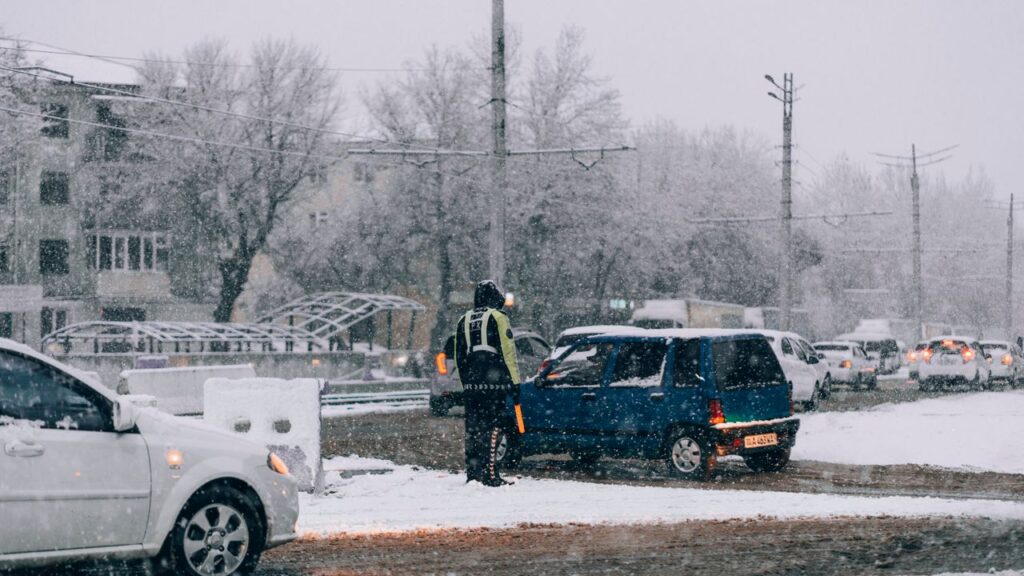
On a frosty Grand Rapids morning, it is tempting to start the car and let it idle for ten minutes while you finish your coffee. But if you are asking how long to warm up car in winter, the honest answer for most modern cars is much shorter than you might think.
Below, we explain why a short warm-up is enough, what long idling really costs, and the few times it makes sense to wait a little longer.
Quick answer
How long should you warm up your car in winter?
Most modern fuel-injected cars only need about 30 seconds to a minute of idling, then gentle driving for the first several minutes. Driving warms the engine faster than idling does. The real reason to wait longer is safety: every window, mirror and light must be clear of snow, ice and frost before you pull away.

Why Modern Engines Don’t Need a Long Warm-Up
The habit of long warm-ups comes from the carburetor era. Older engines mixed fuel and air mechanically and ran poorly, or stalled, until they were warm. Today’s fuel-injected engines use sensors and a computer to adjust the mixture from the first second, so they run smoothly almost right away.
The U.S. government’s fuel economy site puts it simply in its guide to fuel economy in cold weather: most manufacturers recommend driving off gently after about 30 seconds. The same page notes that the engine warms up faster when the car is driven, and that idling gets zero miles per gallon.
Driving also warms parts that idling never touches. The transmission fluid, wheel bearings, shocks and tires all stay cold while the car sits still. They only warm up once the wheels are turning.
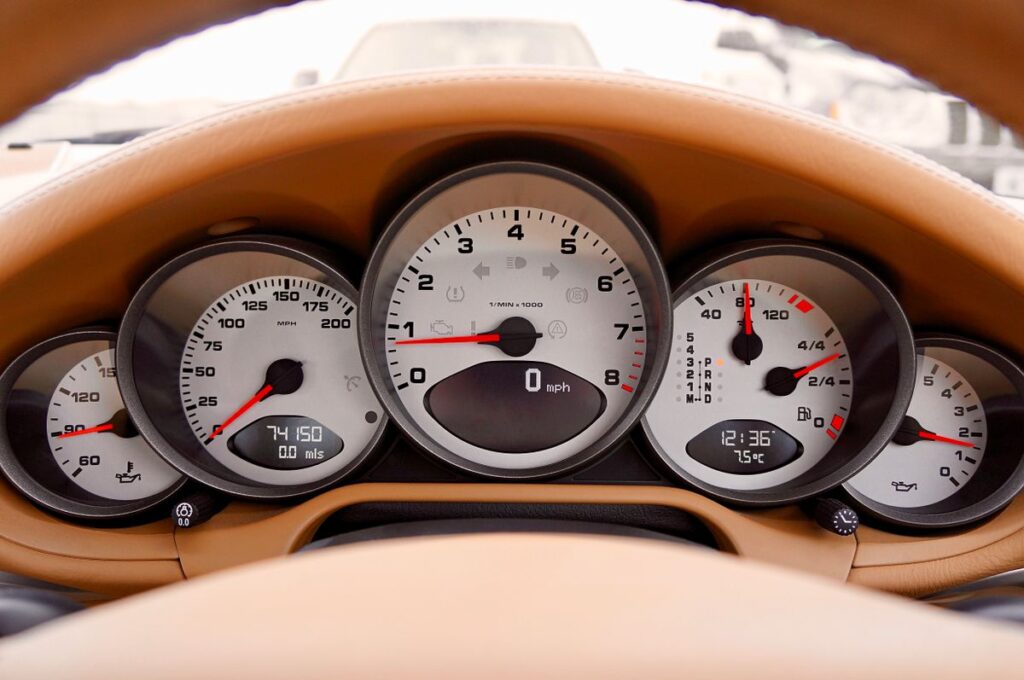
What Long Idling Costs You
A ten-minute idle every morning feels harmless, but it adds up in three ways:
- Wasted fuel. The engine burns gas the whole time and moves you nowhere.
- Fuel in the oil. A cold engine runs a richer mixture. During long idles, some unburned fuel and moisture can slip past the piston rings into the oil, thinning it.
- Extra engine hours. Idling counts as running time even though the odometer doesn’t move, so wear builds without the miles to show for it.
Lots of idling is one reason many owner’s manuals put short trips and extended idling under severe service. Our guide on how often to change your oil in Michigan driving conditions explains what that means for your interval. Oil choice matters too, since thinner oils flow faster on a cold start, as covered in our comparison of synthetic vs conventional oil for cold starts.

How Long to Warm Up Car in Winter: A Temperature Guide
Advice from automakers and auto clubs varies, so treat these times as a rough guide and check your owner’s manual first. In every case, drive gently for the first five to ten minutes: moderate speed, no hard acceleration and no high revs.
| Outside temperature | Typical idle before driving | Notes |
|---|---|---|
| Above 32°F | About 30 seconds | Buckle up and go. Clear any frost first. |
| 0°F to 32°F | 30 seconds to 1 minute | A normal West Michigan winter morning. Scraping the glass usually takes longer than the engine needs. |
| Below 0°F | 1 to 2 minutes | Gives cold oil a little longer to circulate. Keep the first miles extra gentle. |
| Far below zero, or a diesel | A few minutes | Follow your owner’s manual. Diesels and very cold engines may need longer. |
If your car struggles to start at all on the coldest days, the warm-up isn’t the problem. See our guide to a car not starting in cold weather and what to check, which also covers block heaters.

When It Is Worth Waiting Longer
Clearing Snow, Ice and Frost
This is the one exception that always applies. Before you drive, the windshield, side windows, rear window, mirrors, lights and roof should be clear. Snow left on the roof can slide onto your windshield when you brake, or fly off into the car behind you.
Running the engine with the defroster on while you brush and scrape is sensible, and that is usually what sets your real warm-up time. Don’t pull away while peering through a small hole in the frost.
Extreme Cold and Diesels
On a bitter subzero morning, a minute or two of idling gives thick oil time to reach everything. Diesel engines warm up slowly and some manuals call for a longer idle in severe cold, so follow the manufacturer’s advice for your truck.
Older Carbureted Cars
A classic car with a carburetor and choke may hesitate or stall until it warms up. A few minutes of idling, or until it idles smoothly off the choke, is reasonable for these.
Hybrids and Electric Cars
Many hybrids and EVs let you heat the cabin and battery ahead of time from the car’s app or settings. Doing that while the car is still plugged in uses wall power instead of driving range.

Remote Start: Handy, but Keep It Short
Remote start is a real comfort in a Michigan winter. It gets the defroster working before you walk out, which makes clearing the glass faster and safer. Many factory systems shut the engine off automatically after a set time.
The downside is that it makes long idling easy. Starting the car 15 or 20 minutes early every day brings back the same wasted fuel and fuel-thinned oil described above. A few minutes is usually plenty for the defroster to start working, and the heater gets hot faster once you drive.
Never Warm Up a Car in a Closed Garage
Exhaust contains carbon monoxide, a gas you can’t see or smell. In a closed garage, it can build up to dangerous levels in minutes. An open garage door is not a safe fix either, because fumes can still collect and drift into an attached house.
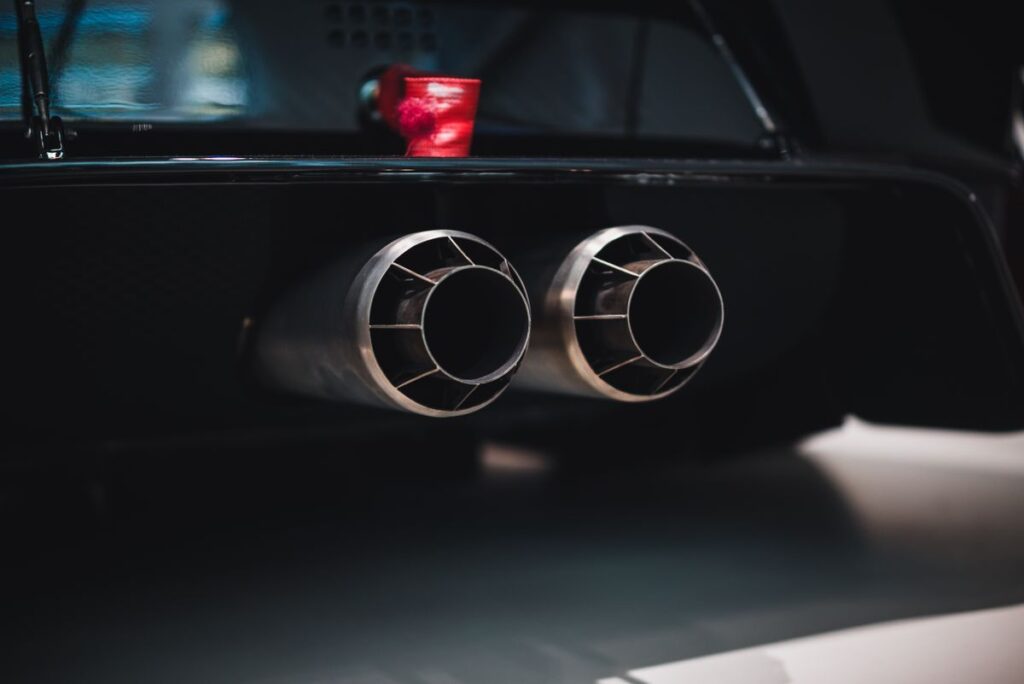
Back the car out first, then let it run in the driveway. Never use remote start while the car is inside a garage. The same caution applies when a car is stuck in deep snow: keep the tailpipe clear, because a blocked exhaust can push fumes into the cabin.
Winter Maintenance That Makes Cold Starts Easier
A healthy engine starts easier and warms up smoothly. Fresh oil of the grade your manual calls for flows better on a cold start, so an oil change in Creston before winter is a good habit for drivers who do a lot of short trips and idling.
Keeping up with factory scheduled maintenance in Grand Rapids catches worn parts, weak hoses and other problems before the cold exposes them. We work on foreign and domestic vehicles, and Hendrick Hoffman, our owner and head mechanic, has been in automotive service since 2005.
Frequently Asked Questions
Is it bad to let your car idle for 10 minutes in winter?
It won’t ruin the engine, but it wastes fuel and isn’t needed for a modern car. Long idles can also let unburned fuel and moisture thin the oil. About 30 seconds to a minute, followed by gentle driving, warms the engine faster.
Should I wait for the temperature gauge to move before driving?
No. The gauge rises slowly at idle and much faster once you drive. Just drive gently, avoiding hard acceleration and high revs, until the gauge reaches its normal position.
Is it safe to warm up my car in the garage with the door open?
No. Carbon monoxide can still build up in a garage with the door open and seep into an attached home. Back the car out into the driveway before letting it run.
How long should I run my remote start in winter?
A few minutes is usually enough to get the defroster working and make clearing the glass easier. Running it for 15 or 20 minutes every day mostly wastes fuel, since the engine and heater warm up faster once you drive.
Need an oil change or scheduled maintenance in Grand Rapids before winter? Call 456 AutoFix at 616-279-3832, Monday to Friday 8am to 5pm, or book through our contact page.
Can’t make it during the day? Use our after-hours drop-off. We’re at 456 Carrier St NE in Creston.