
Windshield wipers not working is one of those problems that always seems to show up in the middle of a storm. One moment the blades are sweeping, the next they sit still, hum, crawl or stop halfway across the glass.
The good news is that what the wipers do tells you a lot about the cause. Here is the order to check things, what each symptom usually means, and the winter habits that keep a wiper motor alive.
Quick answer
Why are my windshield wipers not working?
In winter, start with ice: blades frozen to the glass can overload the motor and blow the wiper fuse. Next come the fuse, the relay, the wiper switch or control module, a loose pivot nut or broken linkage, and finally a worn motor. If the motor hums but the arms stay still, the linkage is the usual suspect.

First, Check for Ice and Snow at the Base
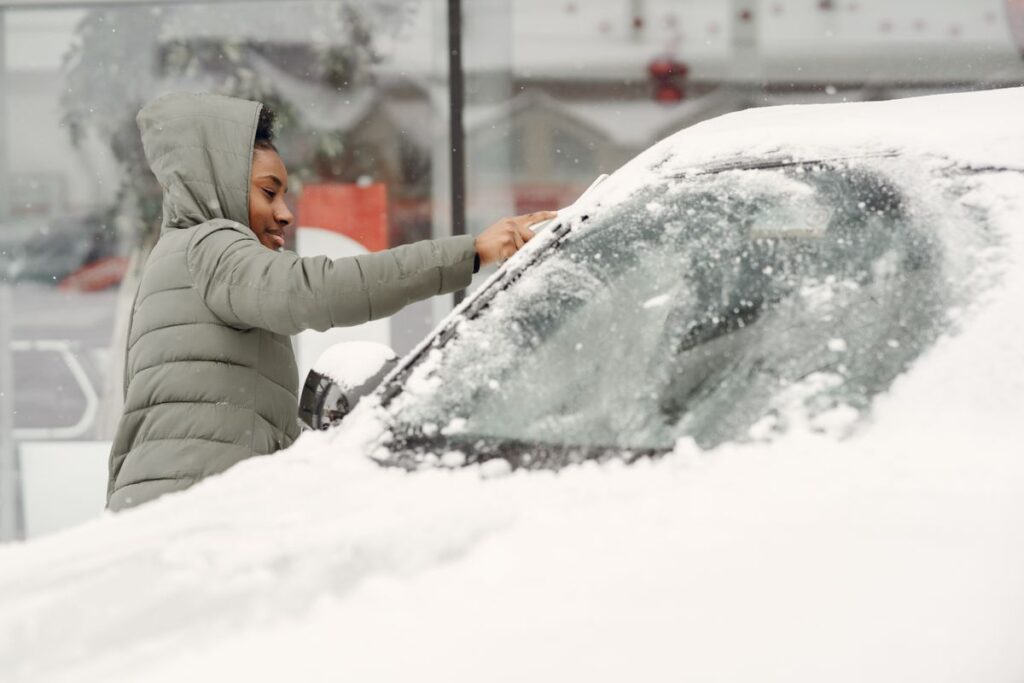
Before you blame anything electrical, look at the blades and the cowl, the area at the base of the windshield where the wiper arms park. Blades frozen to the glass, or a ridge of packed snow at the bottom, can stop the arms from moving at all.
When the wipers are switched on against that resistance, the motor draws far more current than normal. A Valeo technical bulletin on wiper motor fuse overload describes exactly this: in cold weather, a wiper frozen to the glass made the motor draw enough current to blow its fuse. Valeo found motors being replaced when only the fuse had failed.
So if your wipers quit during a freeze, clear the glass and the base, free the blades by hand, and then check the fuse before anything else.

Windshield Wipers Not Working: Causes in Order
Work from the simple parts toward the motor. Each step matches a symptom you can see or hear.
1. A Blown Wiper Fuse
If the wipers are completely dead, with no hum and no movement at any speed, the fuse is the first electrical suspect. Your owner’s manual shows which fuse protects the wipers. A fuse that blows again right away points to a short or a jammed linkage, not bad luck.
2. A Faulty Wiper Relay
Many cars switch the wiper motor through a relay. A sticking relay can leave the wipers dead, stuck on one speed, or running when they should be off. Our post on a rear defroster not working and how fuses and relays fail explains the basics of this kind of circuit.
3. The Wiper Switch or Control Module
On older cars, the stalk switch sends power straight to the motor, and worn contacts can kill one or more speeds. On many newer cars, the stalk is only an input: it asks a body control module to run the wipers. A good motor can then sit idle because of a switch, wiring or module fault, which a scan tool can confirm.

4. A Loose Pivot Nut or Broken Linkage
The motor turns a set of rods and ball sockets, called the linkage, that push the arms back and forth. If you hear the motor running but the wipers don’t move, a socket has popped apart or a bushing has cracked.
If only one arm moves, the nut holding that arm to its pivot shaft is often loose, so the shaft spins inside the arm. Fighting ice often loosens it.
5. A Worn Wiper Motor
Signs of a worn motor include wipers that move slowly, work only on one speed, stop and start on their own, or quit when warm. Corrosion at the motor’s connector from salty slush can cause similar symptoms, so it gets checked first.

6. Park Position Faults
A small switch inside the motor tells it where to stop. When it fails, the wipers may stop in the middle of the glass when you turn them off, or keep running after you switch them off.
What the Wipers Do and What It Usually Means
Match what you see to the likely cause and how soon to book.
| What the wipers do | Likely cause | How urgent |
|---|---|---|
| Nothing at all, rain or snow falling | Blown fuse, relay, switch or module | High Don’t drive until they work |
| Quit after running on an iced windshield | Fuse blown by motor overload | High Clear the ice, check the fuse |
| Motor hums, arms don’t move | Broken linkage or stripped pivot | Soon Get it checked within days |
| Only one arm moves | Loose pivot nut on that arm | Soon Get it checked within days |
| Slow, one speed or intermittent fails | Worn motor, switch or corroded connector | Moderate Plan a repair before winter |
| Won’t park or keeps running | Park switch in the motor or relay | Moderate Have the circuit tested |
| Streaks or chatter but moves normally | Worn blades, not the motor | Low Replace the blades |
Winter Habits That Protect Your Wiper Motor
Grand Rapids winters are hard on wipers. Snow, freezing rain and salty slush give the motor plenty of ice to fight. A few habits prevent most cold-weather failures:
- Clear the windshield and the cowl area before you switch the wipers on.
- Free frozen blades gently by hand or let the defroster soften them first. Never use the wipers to break ice.
- Turn the wipers off before you shut the car down in a storm, so they don’t try to sweep a frozen windshield at the next start.
- Lift the blades off the glass when freezing rain is forecast.
Blades and washer fluid matter too. Our winter car maintenance checklist for wipers, fluids and lights covers those, while this post sticks to the motor, linkage and electrics.
What a Mechanic Checks When the Wipers Stop
A wiper diagnosis follows the circuit from the switch to the arms. Typical checks include:
- The wiper fuse, and why it blew if it did
- Power and ground at the motor, plus the connector for corrosion
- The relay and the stalk switch, or the module input with a scan tool on newer cars
- The linkage, ball sockets, bushings and pivot nuts under the cowl
- Motor speed, current draw and the park function
Testing before replacing parts matters here. As the Valeo bulletin shows, a good motor is easy to condemn when the real fault is a fuse or a frozen blade.

Wiper Electrical Repair in Grand Rapids
Wipers share a lot with other convenience circuits. If your heated seats are not working or a power window is not working, the same fuse, switch, motor and module logic applies.
Our car electrical repair in Grand Rapids covers foreign and domestic vehicles. Hendrick Hoffman, our owner and head mechanic, is ASE and State of Michigan certified in electrical, so we trace the fault before replacing parts.
Frequently Asked Questions
Why did my wipers suddenly stop working?
The most common sudden cause is a blown fuse, often after the wipers were switched on while frozen to the glass or packed with snow. A failed relay, switch or loose linkage can also stop them without warning, so check the fuse first and then have the circuit tested.
Why does the wiper motor hum but the wipers don’t move?
The motor is getting power and turning, but the movement isn’t reaching the arms. A popped ball socket, a cracked linkage bushing or a stripped pivot is the usual cause.
Can ice burn out a wiper motor?
Ice usually blows the fuse first, which protects the motor. Repeatedly running the wipers against frozen blades can still strain the linkage and wear the motor, so free the blades before you switch them on.
Is it safe to drive with windshield wipers not working?
Not in rain, snow or slush. Without working wipers you can lose your view of the road within seconds. On a dry day you can drive carefully to a shop, but get the wipers fixed before the next storm.
Need car electrical repair in Grand Rapids? Call 456 AutoFix at 616-279-3832, Monday to Friday 8am to 5pm, or book through our contact page.
Can’t make it during the day? Use our after-hours drop-off. We’re at 456 Carrier St NE in Creston.