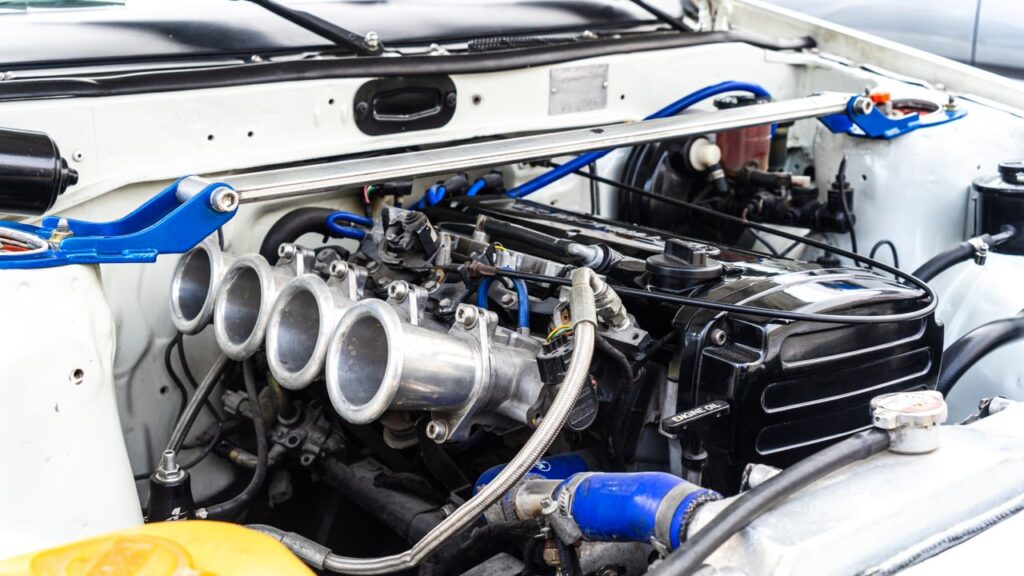
If your Audi shakes at idle on cold mornings or stumbles when you pull away, carbon on the intake valves is one possible reason. Audi carbon buildup symptoms tend to creep in slowly, so many owners get used to a rough engine before they connect the dots.
Here is why direct-injection Audi engines collect carbon, which symptoms point to it, and how the cleaning methods compare. We also cover the step most people skip: ruling out simpler misfire causes first.
Quick answer
What are the symptoms of carbon buildup on an Audi?
The usual signs are a rough idle, misfires right after a cold start, hesitation when you accelerate, misfire codes with a check engine light, and a slow loss of power and fuel economy. They are most common on direct-injection FSI and TFSI engines, and they often get worse in cold weather and with short trips.

Why Direct-Injection Audi Engines Build Carbon
Older engines sprayed fuel into the intake port, where it washed over the back of the intake valve and kept it fairly clean.
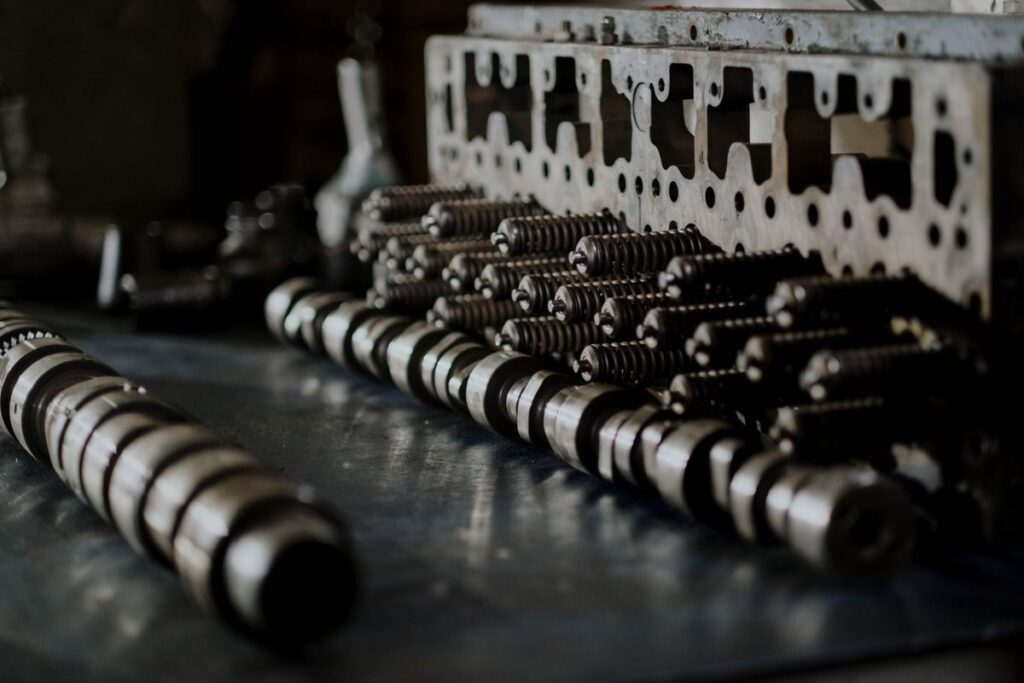
Audi’s FSI and TFSI engines use direct injection, which sprays fuel straight into the cylinder. That improves power and efficiency, but nothing washes the intake valves anymore. Oil vapor from the crankcase ventilation system and a little exhaust gas still pass over the hot valves, and over time they bake on as hard, crusty deposits.
Research published by SAE International, a study on how intake valve deposits form in gasoline direct injection engines, found the deposits come from a mix of engine oil, engine wear elements, unburned fuel and exhaust contaminants. The authors also found that the oil’s formulation affects how fast they build up.
Common Audi Carbon Buildup Symptoms
None of these signs proves carbon on its own. Together, and on a direct-injection engine with some miles on it, they make carbon a strong suspect.
Rough Idle and Cold-Start Misfires
The engine shakes or stumbles for the first minute or two after a cold start, then smooths out once it warms up. Deposits act like a sponge for fuel and air on a cold engine, which upsets the mixture until everything heats up.
Hesitation When You Accelerate
A flat spot or stumble when you press the pedal, especially from a stop or at low revs, is common as deposits grow.
Misfire Codes and a Check Engine Light
As airflow gets worse, the engine computer starts logging misfires. You may see random misfire codes (P0300) or codes for one or more cylinders (P0301 to P0308). The light might come on only in cold weather at first.
Lost Power and Worse Fuel Economy
Restricted valves mean less air and less power. Fuel economy usually drops slowly too, so it is easy to miss.
Carbon Buildup Symptoms and How Urgent They Are
Use this table to judge how soon to act. A scan and inspection is the only way to confirm the cause.
| Symptom | What it can suggest | How urgent |
|---|---|---|
| Flashing check engine light | Active, severe misfire that can overheat the catalytic converter | High Ease off and get it checked right away |
| Steady light with misfire codes | Carbon, coils, plugs, injectors or a vacuum leak | Soon Have it scanned within days |
| Hesitation or lost power | Restricted airflow from deposits, or a boost or fuel issue | Soon Book a diagnosis this week |
| Rough idle only when cold | Early intake valve deposits | Moderate Plan an inspection in the next few weeks |
| Slow drop in fuel economy | Deposits, tires, driving pattern or sensors | Low Mention it at your next service |
A flashing light is different from a steady one. Our guide to a check engine light flashing while you drive explains why it needs attention the same day.
When It Shows Up and What Makes It Worse
There is no fixed mileage. Owner reports and repair data typically put noticeable symptoms somewhere between about 30,000 and 100,000 miles, depending on the engine and how the car is driven. Some cars run fine well past that, and Audi does not publish a set cleaning interval.
Several things speed it up:
- Short trips. An engine that rarely gets fully hot leaves more moisture and oil vapor behind. West Michigan winters, with short cold runs around town, are hard on intake valves.
- A worn PCV valve or oil separator. A failed diaphragm can pull extra oil vapor into the intake. Our article on Audi 2.0T oil consumption and the PCV system covers how this part fails.
- Oil burning. An engine that uses oil sends more of it past the rings and into the intake tract.
- Oil quality and change intervals. Oil that meets the VW/Audi spec in your manual, changed on time, gives off less vapor than old or wrong-spec oil.

Newer Audi engines with dual injection add port injectors that spray onto the valves part of the time, so they tend to build less carbon.
Rule Out Other Misfire Causes First
Carbon gets blamed for a lot of rough running it did not cause. On Audis, ignition coils and spark plugs are frequent misfire culprits, and they are far simpler to fix. Leaking injectors, vacuum leaks or a weak high-pressure fuel pump can feel the same from the driver’s seat.
A proper diagnosis usually works in this order:
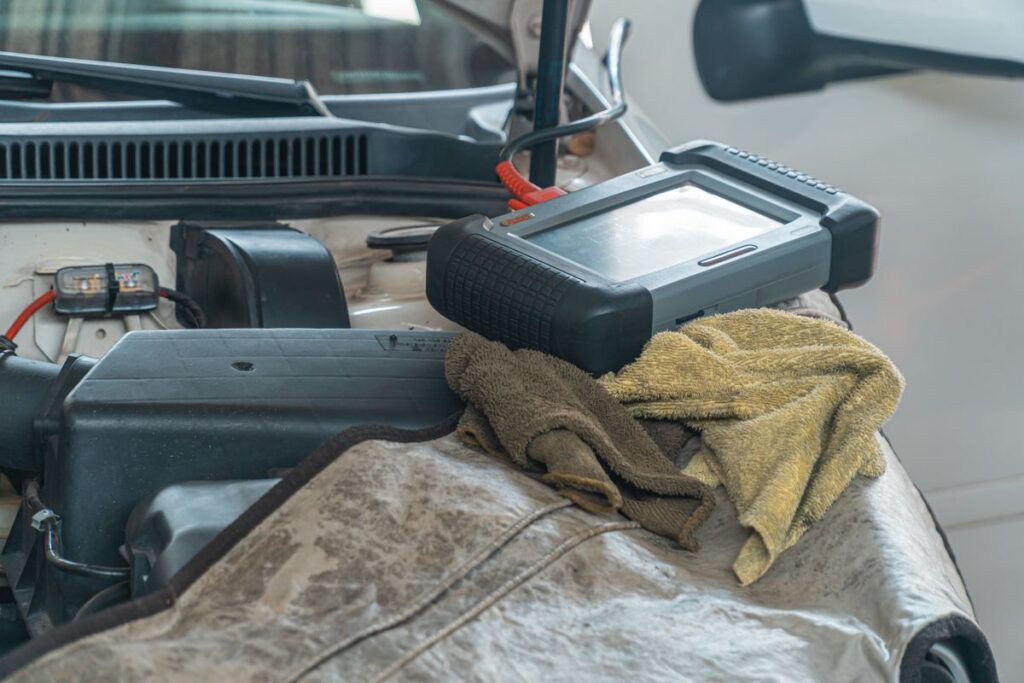
- Read the codes, misfire counts and fuel trims.
- Test the coils and inspect the plugs.
- Smoke test for vacuum leaks and check the PCV system.
- Look at the valves with a borescope.
If the light is on but the car feels normal, read our post on a check engine light on but the car runs fine. For a full scan, see our check engine light diagnostic in Grand Rapids.
Intake Valve Cleaning Methods Compared
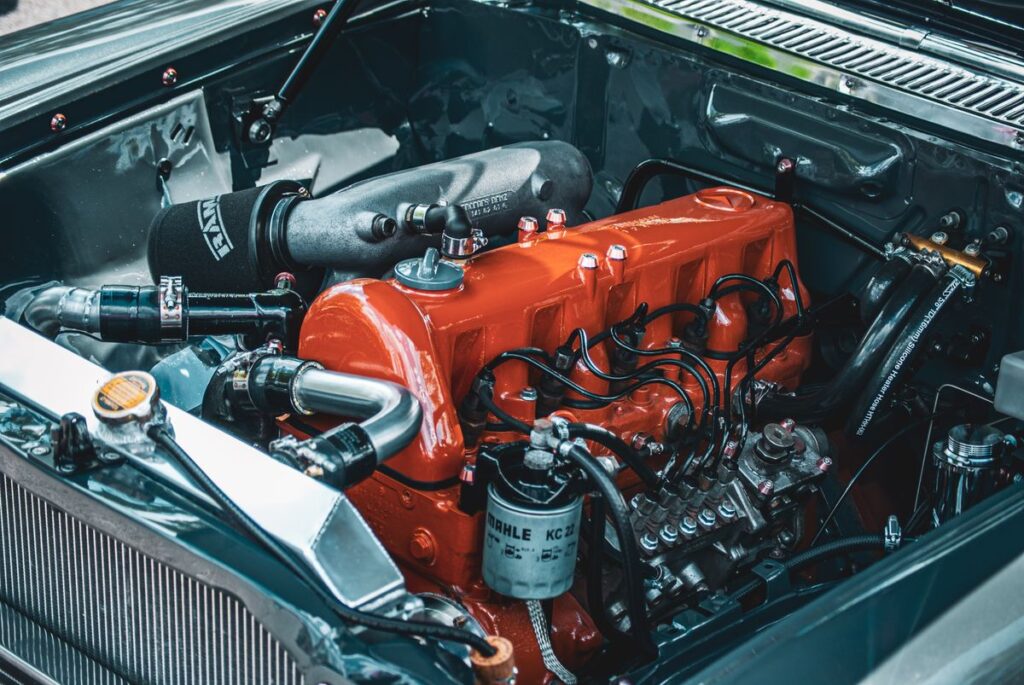
Once an inspection confirms heavy deposits, the valves need cleaning. Pour-in fuel additives can’t do it on a direct-injection engine, because the fuel never touches the intake valves.
| Method | How it works | Pros | Cons |
|---|---|---|---|
| Walnut shell blasting | Intake manifold off, crushed walnut shell blasted at each valve | Most thorough on hard, heavy deposits | More labor; leftover media must be fully removed |
| Chemical or induction cleaning | Cleaner fed into the intake with the engine running | No teardown, less invasive | Works best on light deposits; some chemicals are hard on seals |
| Manual cleaning | Manifold off, deposits softened with solvent and scraped by hand | No special blasting equipment needed | Slow, and it is hard to reach every surface evenly |
Any method treats the result, not the cause. Deposits come back over time, so fix a failed PCV valve or oil separator at the same visit.
To slow the return, drive long enough for the engine to reach full temperature regularly, use the oil spec in your manual, and stay on top of oil changes in Creston and your factory scheduled maintenance in Grand Rapids. Our Audi repair in Grand Rapids is led by Hendrick Hoffman, our owner and head mechanic, who is Audi factory trained and ASE and State of Michigan certified in engine repair and engine tune-up.
Frequently Asked Questions
How often does an Audi need its intake valves cleaned?
There is no Audi schedule for it. Enthusiasts often quote around 60,000 miles, but engines vary widely. Clean them when an inspection shows heavy deposits and symptoms.
Do fuel additives remove carbon from Audi intake valves?
Not on a direct-injection engine. The fuel is sprayed into the cylinder and never reaches the back of the intake valves, so tank additives can’t clean them. They may help keep injectors clean.
Does an oil catch can prevent carbon buildup?
The evidence is mixed. A catch can traps some oil vapor before it reaches the intake, and some owners report cleaner valves, while others see little difference.
Is it safe to keep driving with carbon buildup?
Mild buildup with a slightly rough cold idle is not an emergency. Steady misfires, lost power or a flashing check engine light should be diagnosed soon, because ongoing misfires can damage the catalytic converter.
Need help with a rough-running Audi in Grand Rapids? Call 456 AutoFix at 616-279-3832, Monday to Friday 8am to 5pm, or book through our contact page.
Can’t make it during the day? Use our after-hours drop-off. We’re at 456 Carrier St NE in Creston.