456 Carrier St NE, Grand Rapids, MI 49505 Mon to Fri, 8:00am to 5:00pm. After-hours drop-off available 456autofix@gmail.com

Category: Audi & European

  • Audi Steering Malfunction Warning: Yellow vs Red and What to Do

    Audi Steering Malfunction Warning: Yellow vs Red and What to Do

    An Audi steering malfunction warning usually shows up at the worst moment: pulling out of the driveway on a cold morning, or halfway through a turn. A steering wheel symbol lights up in yellow or red, and the wheel may feel heavier than normal.

    The color tells you most of what you need to know right now. Here is what each one means and what to do next.

    Quick answer

    What does the Audi steering malfunction warning mean?

    It means the power steering system has found a fault. A yellow warning usually means reduced steering assist: drive carefully and have it checked soon. A red warning means stop safely, because steering assist may fail and the wheel can become very heavy. Common causes are low battery voltage, sensor or module faults, wiring and steering gear problems.

    Driver's hand on a steering wheel

    How Steering Assist Works on a Modern Audi

    Most Audis built over roughly the last decade and a half use electromechanical steering instead of a hydraulic pump, with the changeover year depending on the model. An electric motor on the steering gear adds assist, guided by a torque sensor and a power steering control module that reads how hard you turn the wheel.

    The system checks itself constantly and turns on the warning when something looks wrong. For the general picture of heavy steering on any car, our guide to a steering wheel that is hard to turn covers electric assist faults and low charging voltage. Older Audis with a hydraulic pump give different clues, such as a power steering whining noise when the fluid runs low.

    Yellow vs Red: Reading the Audi Steering Malfunction Warning

    Carista, a scan-tool maker, sums it up in its guide to Audi warning lights and what to do: red means stop safely, and yellow or orange means inspect soon.

    For the steering light specifically, the guide says to drive carefully if the light is yellow and steering feels normal. It says to stop if the warning is red, if steering assistance fails or if the wheel becomes hard to turn.

    Dashboard lights glowing at night
    • Yellow: the system has a fault and may be giving reduced assist. You can usually steer normally, but book a check soon and avoid long trips.
    • Red: a serious steering fault. Assist may drop out completely, and the wheel can feel very heavy. Stop driving and call a shop.

    What to Do the Moment It Comes On

    1. Grip the wheel and slow down. Expect it to feel heavier, and give yourself room in turns.
    2. Note the color and any message.
    3. If it is red, pull over safely. Switch off and call us at 616-279-3832 to talk through the next step.
    4. If it is yellow, turn off extra electrical loads such as seat heaters and the rear defroster, then get it checked.
    5. Don’t trust a restart. The light may go out after you switch the car off and on, but the fault is usually still stored in the module.

    As Carista puts it, clearing a light does not fix the problem.

    Car headlights on a foggy roadside

    Common Causes of the Steering Warning

    Carista lists low voltage, steering angle sensor faults, electric steering problems, wiring issues, module faults and calibration errors.

    1. Low Battery or Charging Voltage

    The steering motor draws a lot of current, so a weak battery or a voltage dip at startup can trigger the warning. That is why it often appears on cold West Michigan mornings and then disappears once the car warms up. If the battery is aging or was recently replaced, our guide to Audi battery replacement and registration explains why voltage matters so much on these cars.

    Low voltage can light up other warnings at the same time. If the EPC light came on with it, see our guide to the Audi EPC light.

    2. Torque or Angle Sensor Faults

    The control module needs a believable signal from the steering torque and position sensors. When a signal looks implausible, the module limits or shuts off assist and turns on the warning.

    Trucks on a snowy mountain road

    3. Control Module Software or Calibration

    Some warnings come from the module’s own software or a lost calibration, for example after battery work or a steering angle reset that was never completed. The 2013 Audi bulletin covered below names software as part of the cause, and the repair can involve a software update or steering gear replacement, depending on what the scan shows.

    4. Steering Gear Hardware

    Because the motor and electronics are built onto the steering gear, an internal motor or mechanical fault can mean replacing the gear as a unit. That should follow a proper diagnosis, never a first guess.

    5. Wiring and Connections

    Corroded grounds, loose connectors or damaged harnesses can cause warnings that come and go. Road salt and winter moisture make corrosion more likely here.

    Bundle of colored wires

    Steering Warning Signs and How Urgent They Are

    WarningWhat it usually meansHow urgent
    Red steering warning, wheel heavySerious steering fault, assist may be goneHigh Now: stop driving and call a shop
    Yellow warning with heavy steeringReduced assist from a sensor, module or voltage faultSoon Drive gently, get it checked within days
    Yellow warning, steering feels normalStored fault, often voltage or a sensor signalModerate Book a scan soon
    Warning only on cold starts, then clearsWeak battery or voltage dip at startupModerate Test the battery and charging system
    Warning came once and never returnedPossible one-time voltage dip, code still storedLow Mention it at your next service
    Audi steering malfunction warning: yellow vs red, likely meaning and how urgent each one is

    Why a Scan Comes Before Parts

    Audi’s own service bulletin shows why guessing is a bad idea. Audi technical service bulletin 2033391/1, from March 2013, covers a steering warning in the instrument cluster on several 2013 models with electromechanical steering. It traces the warning to issues with the hardware and software, and it notes that there was no loss of steering control associated with those warnings.

    Before any part is replaced, the bulletin has the technician verify that specific fault codes are stored in the power steering control module. Only then does it call for a new steering gear, and Audi says it wants that information to make sure part replacement is necessary. Its labor list also includes measuring the front and rear wheel alignment afterward.

    Two men checking under a car's hood

    On any model year, a scan of the steering module and related modules, a battery and charging test, and a look at wiring tell you whether the fix is a battery, a sensor, a software update or the steering gear itself. If the steering gear is replaced, a wheel alignment is needed afterward.

    Our Audi repair in Grand Rapids starts with that diagnosis. Hendrick Hoffman, our owner and head mechanic, is Audi factory trained and ASE and State of Michigan certified in steering and suspension. Steering work on any make is part of our suspension and steering repair in Grand Rapids.

    Frequently Asked Questions

    Can I drive with the Audi steering warning light on?

    If it is yellow and the steering feels normal, you can usually drive carefully to get it checked. If it is red, or the wheel turns heavy, stop safely and call a shop instead of driving on.

    What is the difference between the yellow and red steering light?

    Yellow means a fault with reduced or limited assist, so have it inspected soon. Red means a serious fault where steering assist may fail, so stop driving.

    Why did the steering warning go away after I restarted the car?

    The system rechecks itself at every start, so a passing fault such as a voltage dip may not show again right away. The fault code usually stays stored in the module, and a scan can still read it.

    Can a weak battery cause the Audi steering malfunction warning?

    Yes. The steering motor needs steady voltage, so a weak battery or charging problem can trigger the warning, often on cold starts. Testing the battery and charging system is one of the first checks.

    Need an Audi steering warning checked in Grand Rapids? Call 456 AutoFix at 616-279-3832, Monday to Friday 8am to 5pm, or book through our contact page.

    Can’t make it during the day? Use our after-hours drop-off. We’re at 456 Carrier St NE in Creston.


  • Audi Start-Stop Not Working? Normal Lockouts vs a Real Fault

    Audi Start-Stop Not Working? Normal Lockouts vs a Real Fault

    An Audi start stop not working at red lights is a puzzle many owners run into once the mornings turn cold. The engine just keeps idling, and it seems the system has quit.

    Most of the time nothing is broken. The system is built to stay out of the way whenever conditions are not right, and a Michigan winter breaks several of those conditions at once. Here is how to tell a lockout from a fault.

    Quick answer

    Why is my Audi start-stop not working?

    Usually because one of its conditions is not met: the engine is still cold, the cabin has not reached your set temperature, defrost is on, the battery charge is low, or a door, hood or seat belt is open. If it never engages even on warm days, or a message appears, have the battery and control modules checked.

    Cars stopped at a red light at night

    How Audi Start-Stop Decides When to Shut the Engine Off

    Audi’s own service bulletin on the start-stop system covers models with start-stop from 2013 through 2022, depending on the model. It lists every condition that has to be true before the engine switches off at a stop. Miss one and the engine keeps running.

    According to the bulletin, the engine only shuts off when:

    • the engine has reached its minimum temperature
    • the car has passed about 6 mph since you turned the ignition on, then come to a full stop
    • the battery has enough charge to restart the engine
    • defrost is off and the cabin has reached the temperature you set
    • your seat belt is on and the driver door and hood are closed
    • the road incline is under 10 degrees and the steering wheel is not turned more than three quarters of a turn
    • on an automatic, you keep the brake pedal pressed firmly

    The bulletin adds that in many cases concerns about it “may actually be normal operation or influenced by the actions of the driver or passenger.”

    Instrument cluster with gauges lit

    Audi Start Stop Not Working on Cold Mornings

    Winter in Grand Rapids stacks the deck against start-stop. The engine needs time to reach its minimum temperature, and the bulletin explains that the system will not interrupt that warm-up because it wants the heater working as quickly as possible.

    Then come the comfort settings. If you set the cabin to 72 and it is still cold inside, the target temperature has not been reached, so the engine stays on. Running the windshield defrost, which most of us do on a frosty or slushy morning, also keeps it running.

    The battery is under pressure too. Heated seats, the rear defroster and the blower all draw current. When the battery charge is not high enough to guarantee a restart, the battery manager keeps the engine running. On a short winter commute, start-stop may never engage, and that is normal.

    Frost on the windshield of an old car

    Other Everyday Reasons It Stays On

    Not every lockout is about temperature. The bulletin also lists these situations where the engine is not switched off:

    • The button is off: start-stop was turned off with the button on the center console.
    • Light brake pressure: on an automatic, the brake pedal is not pressed hard enough.
    • Parking aid on: the parking sensors are switched on.
    • Trailer connected: a trailer is plugged into the factory trailer wiring.
    • Steering or slope: the wheel is turned too far, or the car is on too steep a hill.

    The engine can also restart by itself if the cabin drifts from your set temperature, the battery charge drops or defrost is turned on. That is usually the system doing its job.

    Normal Lockout or a Real Fault?

    A system that works on mild days and quits on cold ones is almost always normal. A system that never works, in any weather, deserves a closer look.

    What you noticeNormal lockout or fault?How urgent
    Start-stop off plus a battery warning, slow cranking or dim lightsWeak battery or a charging problemHigh The car may not restart, get it checked now
    A start-stop or starting system message in the clusterLikely a fault stored in a control moduleSoon Book a diagnostic scan
    Never engages, even on warm days with the cabin comfortableLikely a fault, an aging battery or a battery that was not adaptedModerate Have the battery and modules checked
    Stopped working right after a battery replacementBattery not adapted, or still learningModerate Confirm the battery was registered
    Works in summer, rarely in winterNormal: cold engine, heat, defrost or low chargeLow No action needed
    Audi start stop not working: normal lockouts vs signs of a fault, with how urgent each one is

    One more line from the bulletin explains why a fault elsewhere can switch start-stop off: the system only works when there are no malfunctions and no fault entries in any control module that could affect it. Our guide to common Audi fault codes and what they mean covers the codes we see most.

    Climate control display set to 23 degrees

    The Battery Side: Registration, Type and Age

    The battery is the most common reason a start-stop system quits for good. The bulletin says the system stays switched off if a replaced battery was not adapted, and that after adaptation it takes about 10 start cycles to learn the new battery. The battery maker VARTA explains in its article on why start-stop does not work that a battery of the wrong technology, or one not correctly registered, keeps the battery management system from doing its job.

    If the battery needs replacing, it must be the right type and registered to the car. Our guide to Audi battery replacement and registration explains the battery types and why registration matters. An aging battery can also keep start-stop off while the car still starts fine.

    If the battery keeps going flat while the car is parked, see our guide to a car battery that dies overnight. If it is not getting charged while you drive, our list of bad alternator symptoms is the place to start.

    Mechanic working near the battery in an engine bay

    How We Diagnose a Start-Stop Problem

    Audi’s bulletin is blunt about parts swapping: “Please do not replace parts without proper diagnosis.” Because so many conditions affect the system, we work through it in order:

    1. Talk through the pattern: when it works, when it does not, and in what weather.
    2. Scan every control module: any stored fault that affects start-stop has to be found and fixed first.
    3. Test the battery and charging system: charge level, battery health and whether the battery is registered correctly.
    4. Check the switches: hood, door and seat belt signals.
    Mechanic leaning into an open engine bay

    Our Audi repair service in Grand Rapids is led by Hendrick Hoffman, our owner and head mechanic, who is Audi factory trained. The battery testing and module scan fall under our car electrical repair in Grand Rapids, and Hendrick is ASE and State of Michigan certified in electrical work.

    Frequently Asked Questions

    Does Audi start-stop work in cold weather?

    It can, but often it does not. The engine has to reach its minimum temperature, the cabin has to reach your set temperature, defrost has to be off and the battery needs enough charge. On short winter trips those conditions may never all line up.

    Can I permanently disable Audi start-stop?

    You can switch it off for a drive with the button on the center console. Audi’s service bulletin states that if a vehicle has the start-stop system, it cannot be legally disabled, so we do not turn it off permanently.

    Why did my start-stop stop working after a new battery?

    The system stays off until a replacement battery is adapted to the car, and then it needs about 10 start cycles to learn it. A battery of the wrong type can also keep it switched off.

    Is it safe to drive if start-stop is not working?

    Usually, yes. The engine simply idles at stops. If start-stop quits along with a battery warning, slow cranking or dim lights, get it checked soon, because the car may not restart next time.

    Need your Audi’s start-stop system checked in Grand Rapids? Call 456 AutoFix at 616-279-3832, Monday to Friday 8am to 5pm, or book through our contact page.

    Can’t make it during the day? Use our after-hours drop-off. We’re at 456 Carrier St NE in Creston.

  • Audi Timing Belt or Chain? Which Engines Have Which, and What It Means for You

    Audi Timing Belt or Chain? Which Engines Have Which, and What It Means for You

    Audi timing belt or chain? It is one of the first questions to ask about any Audi you own or plan to buy, because the answer decides whether there is a big scheduled job in your future. Audi has used both, sometimes in the same model line.

    Here is how the engine families split, how to confirm yours, and what each type needs.

    Quick answer

    Does my Audi have a timing belt or a timing chain?

    It depends on the engine, not the model. Many older Audis, such as those with the 1.8T, 2.0T FSI, 2.8 V6 or 2.7T, use a timing belt that must be replaced on schedule. The 2.0 TFSI (EA888) and 3.0 TFSI use chains. Confirm your engine code before you plan any work.

    Black Audi sedan parked outside a garage

    The Short Version: Older Belts, Newer Chains

    As a broad pattern, Audis from the late 1990s through roughly the mid-2000s commonly used timing belts, especially the turbo four-cylinders and the 30-valve V6 engines. Many Audi gas engines from the late 2000s on use chains instead, starting with the 2.0 TFSI four-cylinder that went into a long list of models.

    The years overlap at the changeover. For the general difference between the two designs, see our guide to timing belt vs timing chain and how each one fails.

    Audi Timing Belt or Chain: Engine Families Compared

    Model years are approximate, and one model and year often had two or three engines, so confirm with the engine code.

    Engine familyBelt or chainWhat it needsHow urgent if overdue
    2.8 V6, 30-valve (A4, A6, late 1990s to about 2001)BeltBelt, hydraulic tensioner and idlers on schedule; water pump commonly done tooHigh Replace now if there’s no record
    2.7T twin-turbo V6 (through about 2004)BeltSame job as the 2.8 V6, with extra intake parts in the wayHigh Replace now if there’s no record
    1.8T turbo four (older A4 and TT)BeltBelt, tensioner and rollers on scheduleHigh Replace now if there’s no record
    2.0T FSI turbo four (mid-2000s)BeltBelt, tensioner and rollers on scheduleHigh Replace now if there’s no record
    2.0 TFSI EA888 (A3, A4, A5, Q5, TT from about 2008 on)ChainNo scheduled change; tensioner and chain checks, on-time oil changesSoon Check any cold-start rattle within days
    3.0 TFSI V6 (including 2011-2014 models)Chain, at the back of the engineNo scheduled change; listen for tensioner noise at cold startModerate Have a brief rattle diagnosed
    Audi timing belt or chain by engine family, what each needs and how urgent neglect is
    Engine with front pulleys and belt drive

    The Belt Engines

    A derFix trade article for Audi technicians, With Audi, It’s All a Matter of Timing, walks through the belt job on a late 1990s A6 V6. It says the same procedure applies to the 2.8L V6 engines through 2001 and the 2.7L turbo V6 engines through 2004. On these V6s the radiator support is pulled forward just to make room.

    The 1.8T and the 2.0T FSI four-cylinders are also commonly listed as belt-driven. Treat the belt on these as scheduled maintenance, not a repair you wait for.

    The Chain Engines

    Audi’s own paperwork confirms chains on the two engines most owners will meet today. An Audi warranty bulletin on timing chains and tensioners covers vehicles with the 2.0L EA888 engine, including certain A3 (2008-2012), A4 (2009-2013), A5 Cabriolet, Q5 (2011-2012) and TT (2009-2012) models. A separate Audi service bulletin on the V6 3.0 TFSI cold-start rattle places its timing chains at the back of the engine, on 2011-2014 models.

    Many newer Audis use chains too, but diesels and small engines can differ, so don’t assume.

    How to Confirm What Your Audi Has

    1. Find the vehicle data sticker. On most Audis it is in the service booklet and often in the spare tire well. It lists a short engine code, such as AHA or ATQ.
    2. Check the paperwork. Invoices for a “timing belt kit” or “tensioner” show type and history.
    3. Run the VIN. Any Audi-capable shop can look up the engine from the VIN.
    Blank notebook for service records

    Our Audi repair and service in Grand Rapids starts with this check. Hendrick Hoffman, our owner and head mechanic, is Audi factory trained and has spent eight years focused on Audi and foreign cars.

    If Your Audi Has a Timing Belt

    Replace it by the schedule in your maintenance booklet, not when it starts making noise. Audi’s intervals vary by engine, model year and market, so the booklet for your exact car is the source to trust. For context, the derFix article on the V6 cites a manufacturer recommendation of 104,000 miles for the belt and tensioner on that engine.

    Age matters too: a low-mileage older Audi may still have a very old belt. Our guide on when to replace a timing belt and what gets replaced with it covers the general rules.

    Mechanic leaning into an engine bay

    The belt is rarely the only part. The derFix authors suggest checking the idler pulley, water pump and tensioner bearings while the belt is off, note that the thermostat sits behind the belt, and insist on a new hydraulic tensioner. The water pump is commonly replaced at the same time, since a later failure means another teardown.

    If Your Audi Has a Timing Chain

    There is no scheduled chain replacement, but that is not the same as never. The tensioner and guides wear, and early 2.0 TFSI tensioners have a known history. Our guide to Audi timing chain tensioner symptoms and the updated part explains which engines are affected and what the warning signs sound like.

    Oil is the chain’s lifeline. The Audi warranty bulletin for the 2.0L EA888 asked owners to prove they had kept up with scheduled oil changes, which tells you how closely the two are linked. Change the oil on time with the correct spec, and keep the receipts.

    Mechanic beside an engine on a stand

    Listen at the first start of a cold morning, when oil is thickest. Audi’s 3.0 TFSI bulletin describes a rattle from the chain drive lasting one to three seconds, caused by an upper tensioner, and says that particular noise does not lead to damage. On other engines a similar rattle can mean real wear, and West Michigan winters make it easiest to hear.

    Buying a Used Audi? Ask This Question First

    On a belt engine, no paperwork means you should treat the belt as due. On a chain engine, ask whether the tensioner has been updated and look for regular oil changes in the records.

    Our checklist for buying a used Audi and the records to ask for covers the rest, and a pre-purchase inspection lets a mechanic confirm the engine code and listen to a true cold start.

    Mechanic inspecting an engine with a flashlight

    When to Bring It In

    Book a visit if your belt engine is near its interval or has no record of a change, or if a chain engine rattles at cold start or sets a check engine light.

    Our timing belt and timing chain service covers both on Audi, foreign and domestic vehicles. We’ll confirm which one your engine uses, tell you what we find and what it needs.

    Frequently Asked Questions

    Does the Audi 2.0T have a timing belt or chain?

    It depends on which 2.0T. The earlier 2.0T FSI from the mid-2000s is commonly belt-driven. The 2.0 TFSI EA888 used from about 2008 on has a timing chain. Check the engine code to be sure.

    When should an Audi timing belt be changed?

    Follow the interval in the maintenance booklet for your exact engine and year, and consider the belt’s age as well as the mileage. If there is no record of the last change, treat it as due.

    Do Audi timing chains need replacing?

    Not on a schedule. Chains are meant to last, but tensioners and guides can wear, especially without on-time oil changes. A cold-start rattle is the sign to have it checked.

    What else is replaced with an Audi timing belt?

    Usually the tensioner and idler rollers, and the water pump is commonly replaced at the same time. On some V6 engines the thermostat sits behind the belt too.

    Need an Audi timing belt or chain checked in Grand Rapids? Call 456 AutoFix at 616-279-3832, Monday to Friday 8am to 5pm, or book through our contact page.

    Can’t make it during the day? Use our after-hours drop-off. We’re at 456 Carrier St NE in Creston.

  • Audi EPC Light On? What It Means and Whether You Can Drive

    Audi EPC Light On? What It Means and Whether You Can Drive

    An Audi EPC light usually shows up at the worst moment: you press the gas, the car barely responds, and a yellow “EPC” lamp sits next to the speedometer.

    Here is what it means, what usually causes it and how urgent it is.

    Quick answer

    What does the Audi EPC light mean, and can you drive with it on?

    EPC stands for Electronic Power Control, the system that runs the electronic throttle. The light means the engine computer found a fault and may limit power to protect the engine. If the car drives normally, drive gently to a shop soon. If power is cut, pull over safely and have the codes read before driving far.

    Dashboard gauges seen from the driver's seat

    What the Audi EPC Light Actually Means

    Your Audi has no cable between the gas pedal and the engine. The pedal is a sensor, and the engine computer reads it, then opens an electric throttle body to let in the right amount of air. EPC is the warning light for that drive-by-wire chain.

    When the computer sees a signal it doesn’t trust, it turns on the light and stores a fault code. If the fault could make the throttle behave unpredictably, it also limits power. This reduced power mode is often called limp mode.

    The EPC light often comes on with another warning. The check engine light is the most common partner, and the ABS or stability control lights can join it when the fault involves the brake pedal signal. Klavkarr, a maker of OBD scan tools, explains in its guide to the EPC warning light and power loss that the light can appear with or without reduced power, depending on how serious the fault is.

    Mechanic working on an engine in a garage

    Common Causes of an Audi EPC Light

    Throttle Body Faults

    The throttle body is the electric valve that controls airflow into the engine. Carbon buildup can make the plate stick, and the motor or its position sensors can fail. Either can cause a sudden loss of power.

    Accelerator Pedal Position Sensor

    The pedal has two sensors that must agree with each other. If their signals drift apart, the computer can’t be sure how far you are pressing the pedal, so it plays it safe and cuts power. A loose connector at the pedal can cause the same complaint.

    Brake Light Switch

    The engine computer watches the brake switch so it can drop the throttle when you brake, and it compares that signal with the brake pressure reading. When the switch fails or reads wrong, the EPC light can come on, and your brake lights or cruise control may act up too.

    Close-up of a glowing car taillight

    Misfires and Ignition Coils

    A failing coil or worn spark plug can misfire, which upsets the engine enough to trigger EPC along with the check engine light. If the check engine light is flashing, treat it as a priority. Our post on a flashing check engine light and what to do explains why.

    Engine Sensors

    The mass airflow sensor and crankshaft position sensor feed the computer data it needs to manage power. A bad reading from either one can set the light.

    Low Battery Voltage and Wiring

    Modern Audis are sensitive to voltage. A weak battery or a corroded ground can make sensor signals look wrong, and several warning lights may come on at once after a hard start. Our Audi battery replacement guide covers the signs of a tired battery.

    Man working under the hood of an old car

    EPC Warning Scenarios Compared by Urgency

    How the car behaves tells you more than the light alone. Use this table to decide how fast to act.

    What you noticeLikely areaHow urgent
    EPC light with flashing check engine light or heavy shakingMisfire, ignition coil, fuel deliveryHigh Pull over and avoid driving on it
    EPC light and the car won’t accelerate past a crawlThrottle body, pedal sensor, limp modeHigh Get off the road safely and have it checked
    EPC with brake lights stuck on or not workingBrake light switchSoon Fix quickly, since drivers behind rely on those lights
    EPC after a slow, hard start on a cold morningLow battery voltage, groundsModerate Test the battery and charging system
    EPC on, car drives normally, light comes and goesLoose connector, sensor starting to failModerate Book a diagnosis before it gets worse
    Audi EPC light scenarios compared by likely cause and urgency

    What to Do When the EPC Light Comes On

    1. Check how the car feels. Normal power means you can drive gently. Reduced power, shaking or stumbling means find a safe place to stop.
    2. Look at the other lights. Note any check engine, ABS or stability lights, and whether one is flashing.
    3. Check your brake lights. Ask someone to watch while you press the pedal. Lights that stay on or never come on point toward the brake switch.
    4. Don’t keep restarting. Power may return briefly, but the fault can come back in traffic.
    5. Don’t clear the codes or disconnect the battery. That erases data a technician needs.
    6. Get the codes read. Use a scan tool that reads Audi’s own modules, not just generic engine codes.

    If the car also hesitates or stumbles when you accelerate, our guide to a car that hesitates when accelerating covers the overlap between throttle, ignition and fuel causes.

    Car headlights on a foggy road at night

    Why Proper Diagnosis Matters on an Audi

    A basic code reader from a parts store only sees generic engine codes. Many EPC faults also leave details in other control modules, such as the brake electronics, plus live data like pedal sensor readings and throttle angle. Without that data, it is easy to replace a throttle body when the real problem is a wire or a switch.

    Once the cause is repaired, some parts, such as a new throttle body, may need an adaptation step so the computer learns their position. Our post on common Audi fault codes and what they mean explains why a code is a starting point rather than a final answer.

    Our shop handles warning light diagnosis for foreign and domestic cars, and Hendrick Hoffman, our owner and head mechanic, is Audi factory trained. Our check engine light diagnostic in Grand Rapids starts with the codes and the live data, then confirms the cause before any part is replaced. For everything else your car needs, see our Audi repair service in Grand Rapids.

    Mechanic with a diagnostic tablet at an open hood

    West Michigan Weather and the EPC Light

    Cold mornings are hard on batteries, and a battery that barely starts the car can leave voltage low enough to confuse the electronics. If your Audi EPC light shows up only after a slow winter start, have the battery and charging system tested first.

    Road salt and slush also work their way into connectors and grounds over time. Corrosion at a sensor plug can cause the kind of on-and-off EPC light that disappears for a week and then comes back.

    Frequently Asked Questions

    What does EPC mean on an Audi?

    EPC stands for Electronic Power Control. It is the warning light for the electronic throttle system, which includes the gas pedal sensor, the throttle body and the engine computer that links them.

    Can I drive with the EPC light on?

    If the car drives normally, you can usually drive gently to a shop soon. If power is reduced, the engine shakes or the check engine light is flashing, pull over safely and avoid driving on it until the cause is found.

    Can a brake light switch cause the EPC light?

    Yes. The engine computer uses the brake switch signal in its throttle logic, so a failing or misadjusted switch can turn on the EPC light. Brake lights that stay on or don’t work are a common clue.

    Will the EPC light go off by itself?

    Sometimes, if the fault was brief and the computer confirms the system works over the next few drives. The fault code usually stays stored, and the light will return if the cause is still there, so it is worth having the codes read.

    Need your Audi EPC light diagnosed in Grand Rapids? Call 456 AutoFix at 616-279-3832, Monday to Friday 8am to 5pm, or book through our contact page.

    Can’t make it during the day? Use our after-hours drop-off. We’re at 456 Carrier St NE in Creston.

  • Audi Control Arm Failure Symptoms: Front-End Clunks, Wander and Tire Wear

    Audi Control Arm Failure Symptoms: Front-End Clunks, Wander and Tire Wear

    Audi control arm failure symptoms usually start small: a dull clunk over an expansion joint, a creak when you park, or a car that needs more steering corrections on the highway than it used to. Because many Audis have more front arms than a typical car, there are more bushings and ball joints that can wear.

    Here is what each symptom points to, how urgent it is, and whether you need to replace every arm at once.

    Quick answer

    What are the signs of a failing Audi control arm?

    The common signs are a clunk or knock from the front over bumps, a creak or groan when turning slowly at full lock, vague or wandering steering on the highway, a pull when braking, and wear on the inner edges of the front tires. Worn bushings and ball joints cause most of it, and a lifted inspection confirms which arm.

    Gray Audi sedan on a city street

    Why Audis Have So Many Control Arms

    Many Audi models with a lengthwise-mounted engine, such as most generations of the A4, A5, A6, Q5 and Q7, use a multi-link front suspension. Instead of one lower arm per side, there are typically two upper arms and two lower arms per side, each with its own rubber bushings, and most with a ball joint at the wheel end.

    That layout gives precise steering, but it means up to eight front arms to wear instead of two, and owners commonly report the short upper arms as the first to develop play. Smaller Audis like the A3 and Q3 often use a simpler strut front end, so check what your model and year actually have.

    Front wheel of a silver car

    Audi Control Arm Failure Symptoms to Watch For

    Control arm bushings take much of the force during braking, accelerating and cornering. Suspension parts maker Mevotech’s guide to checking for worn or loose chassis parts notes that a clunk when you pull away from a stop can point to worn control arm bushings. On an Audi, watch for these.

    A Clunk or Knock Over Bumps

    This is the most common complaint. A worn ball joint or split bushing lets the arm shift, and you hear a dull knock from one front corner over expansion joints and broken pavement. Sway bar links and strut mounts can clunk too: our guide to a clunking noise over bumps on any car covers the general causes.

    A Creak or Groan When Parking

    A creak at walking speed with the wheel turned far left or right often comes from a dry or worn upper arm ball joint or bushing. It tends to be worst on cold mornings. A squeak that only shows up in winter can also be ordinary rubber, which we explain in why a car squeaks when going over bumps.

    Open car door showing the interior

    Vague or Wandering Steering

    Worn upper arms let the wheel’s angles change as the car moves. The steering feels loose around center, and you find yourself making small corrections to stay in your lane, especially on grooved highway pavement or in crosswinds.

    A Pull or Shimmy When Braking

    Braking loads the lower arms hardest. A torn lower bushing lets the wheel move backward under braking, so the car can tug to one side or the steering wheel can shimmy. Warped rotors cause a similar shake, so check the brakes too.

    Wear on the Inner Tire Edges

    When bushings sag, the top of the tire can lean in and the toe setting drifts. The inside shoulder of the tread then wears faster, which is easy to miss from the curb, so run a hand along the inner edge.

    Pile of old, worn tires

    Control Arm, Strut or Tie Rod?

    These three get confused because they share symptoms. A worn strut mostly changes the ride: floating, bouncing and nose dive under braking, which we cover in how to tell if struts are bad. Control arms change where the wheel sits, so they show up as clunks, wander and tire wear.

    Tie rods connect the steering rack to the wheel, so they mainly cause play in the steering wheel and uneven toe wear. Our guide to bad tie rod symptoms and steering play explains how to tell them apart.

    Hands working on parts under the hood

    How a Mechanic Checks Audi Control Arms

    A good inspection combines a test drive with a close look at the raised car. Typical steps include:

    • A road test over bumps, at full lock and on the highway
    • Prying each arm against its mount to spot bushing movement
    • Checking each ball joint for play, unloaded and loaded
    • Looking for split, bulging or oil-soaked rubber, since some Audi lower arms use fluid-filled bushings
    • Reading the front tire wear, especially the inner edges
    • Checking struts, sway bar links and tie rods so the right part gets replaced
    Car raised on a lift in a garage

    Audi Control Arm Symptoms Compared by Urgency

    Use this table to decide how soon to book an inspection.

    SymptomWhich arm or bushing it often points toHow urgent
    Loud knock, steering suddenly loose or the car dartsA ball joint with heavy play, which could separateHigh Stop driving and have it inspected
    Pull or shimmy when brakingWorn or torn lower arm bushingSoon Get it checked within days
    Clunk over bumps from one cornerUpper arm ball joint or bushingSoon Get it checked within days
    Wandering steering on the highwayWorn upper arms changing the wheel anglesModerate Plan a repair in the next few weeks
    Inner-edge tire wearSagging bushings changing camber and toeModerate Inspect before buying new tires
    Light creak at full lock on cold morningsDry upper ball joint or stiff rubberLow Mention it at your next service
    Audi control arm failure symptoms: what each one points to and how urgent it is

    Should You Replace All the Arms at Once?

    Not always. Arms are often replaced in left and right pairs so the car handles evenly, and the two upper arms on each side are often done as a set because they wear at a similar rate. If only one lower bushing is torn on a car with healthy arms elsewhere, replacing that part alone can make sense.

    An alignment is needed after control arm replacement, because new arms and bushings change the wheel angles. The bolts should also be tightened with the car at normal ride height, or the new bushings can twist and wear early.

    Why West Michigan Roads Wear Them Faster

    Freeze-thaw potholes hit the arms and ball joints hard, and road salt dries out rubber and corrodes the arm bolts. If your Audi started clunking after a hard hit, run through our pothole damage signs to check after a hard hit too.

    Hendrick Hoffman, our owner and head mechanic, is Audi factory trained with 8 years’ focus on Audi and foreign cars, and is ASE and State of Michigan certified in steering and suspension. Our Audi repair and maintenance service and our suspension and steering repair cover the full front end.

    Frequently Asked Questions

    Why does my Audi clunk over bumps?

    The most common cause is a worn ball joint or split bushing on one of the front control arms, usually an upper arm. Sway bar links and strut mounts can make a similar sound, so a lifted inspection is the way to find the exact part.

    How long do Audi control arms last?

    There is no single number. Life depends on the model, road conditions and driving, and potholes and road salt shorten it. Have the front arms inspected regularly once the car has high mileage or whenever a new noise appears.

    Is it safe to drive with a bad control arm?

    A mild creak is not an emergency, but a loud knock, sudden loose steering or a car that darts over bumps can mean a ball joint is close to separating. In that case, stop driving and have it inspected before going further.

    Do I need an alignment after replacing control arms?

    Yes. New arms and bushings change the wheel angles, so an alignment is needed afterward to keep the car tracking straight and protect your tires.

    Need Audi suspension repair in Grand Rapids? Call 456 AutoFix at 616-279-3832, Monday to Friday 8am to 5pm, or book through our contact page.

    Can’t make it during the day? Use our after-hours drop-off. We’re at 456 Carrier St NE in Creston.

  • Audi Brake Pad Warning Light: What It Means, How Long You Have and Why It Won’t Reset

    Audi Brake Pad Warning Light: What It Means, How Long You Have and Why It Won’t Reset

    The Audi brake pad warning light is a yellow circle with dashed arcs on each side, and it means a pad has worn down to its electronic wear sensor. A small wire built into the pad has physically worn through.

    Here is how the sensor works, how long you can reasonably keep driving, and why the light often stays on even after new pads go in.

    Quick answer

    What does the Audi brake pad warning light mean?

    It means at least one brake pad has worn far enough to break or ground the wire loop in its wear sensor. Typically only a few millimeters of pad material remain. Plan to have the brakes checked soon, and expect to replace the sensor along with the pads, because a worn sensor will keep the light on.

    Mechanic setting up wheel service equipment in a shop

    How Audi Brake Pad Wear Sensors Work

    Most Audis from roughly the last two decades use an electronic wear sensor instead of the metal squeal tab found on many other cars. The sensor is a small plastic tip with a wire loop inside. It clips into the pad, or on some models is molded into it.

    The tip sits at the pad’s minimum wear depth. As the friction material wears, the rotor eventually reaches the tip and grinds through the wire. The circuit opens (or on some designs, grounds against the rotor), and the instrument cluster turns on the light.

    Front, Rear or Both?

    Audi does not put a sensor on every pad. Many models use one sensor per axle, usually on one inner pad, and some only have a front sensor. Which wheel carries it varies by model and year.

    Gloved hands sorting brake shoes

    How Long Can You Drive With the Light On?

    There is no honest mileage number, because it depends on your driving and how much material the sensor was set to leave. Treat it as “book a brake check within days”, not “wait for the next oil change”.

    Waiting has a real cost. Once the pad is gone, the steel backing plate grinds into the rotor, turning a pad job into a pad and rotor job. If you also hear grinding, feel pulsing or the car pulls to one side, check our guide to the signs you need new brakes and what each one means.

    Since the sensor watches only one pad, the others can be thinner than it suggests. Inner pads, hidden behind the caliper, often wear faster than the outer pad you see through the wheel spokes.

    Workers packing brake parts in a warehouse

    Why the Audi Brake Pad Warning Light Won’t Reset

    New pads are on, but the yellow light is still glowing. These are the usual reasons.

    1. The Old Sensor Was Reused

    The sensor is single use. Once the rotor has cut the wire, it is open for good, and the light stays on no matter how thick the new pads are. There is usually no button that clears it, because the sensor itself is the switch.

    Even a sensor that never touched the rotor has spent years in brake heat, so it is good practice to replace it with every pad set. Some aftermarket pad sets do not include one, so check the box.

    2. A Damaged Wire or Corroded Connector

    The sensor lead runs through the wheel well to a small connector. A pinched, rubbed-through or snapped wire reads as worn pads, and so does a corroded connector. Then the light can come on even when the pads still have plenty of life.

    Mechanic removing a wheel from a car on a lift

    3. Rear Pads on an Electronic Parking Brake

    Many Audis have an electronic parking brake with a small motor on each rear caliper. On those cars the rear pistons generally cannot be pushed back by hand. The calipers have to be opened in a service mode with a scan tool that supports Audi parking brake service, then closed and tested once the new pads are in.

    Skipping or rushing those steps can leave the brake and pad warnings on, or damage the caliper motors. The Ross-Tech wiki’s Audi A6 electronic parking brake service procedure shows how many steps are involved and warns against cycling the brake with the calipers apart.

    4. A Stored Code or Service Reminder

    On some models, a fault code stays stored after the repair, or the service display tracks pad wear and needs resetting with a scan tool. If the light does not clear after a few drives, the codes should be read rather than guessed at.

    Gauges glowing on a dashboard at night

    Pad Light, BRAKE Light or ABS Light?

    Audi dashboards can show three different brake warnings, and they do not carry the same weight. Check your owner’s manual for your exact symbols.

    Warning or causeWhat it usually meansHow urgent
    Red BRAKE light while drivingLow brake fluid or a brake system fault (also lit when the parking brake is set)High Stop safely and have it checked before driving on
    Brake and pad lights on after a rear pad jobElectronic parking brake service steps not completedHigh Have the rear brakes checked right away
    Yellow pad light, pads wornSensor wire worn through, a few millimeters of pad leftSoon Book a brake check within days
    Yellow ABS lightFault in the anti-lock system; normal braking usually remainsSoon Get the codes read promptly
    Yellow pad light, pads look fineBroken sensor wire or corroded connectorModerate Have pads measured and wiring checked
    Pad light still on after new padsOld sensor reused or a stored codeLow Fit a new sensor and clear codes
    Audi brake pad warning light compared with other brake warnings, by meaning and urgency

    For more on the anti-lock warning, read our guide to an ABS light that stays on and what causes it.

    Salt, Connectors and Uneven Pad Wear in West Michigan

    Road salt works on Audi brakes in two ways. It corrodes the little sensor connectors tucked in the wheel wells, which can trigger the light early. It also seizes caliper slide pins, so one pad, often the inner one, wears much faster than its partner.

    Old sedan parked in snow

    Rinsing the wheel wells through the winter helps, and so does having pads measured at every service visit. Audi’s maintenance intervals include a brake inspection, which our guide to Audi minor vs standard service and what each includes walks through.

    Getting Audi Brake Pads and Sensors Replaced

    A proper repair means measuring every pad and rotor, fitting new wear sensors, checking the wiring, servicing the slide pins and using service mode for rear calipers on electronic parking brake cars.

    Our Audi repair and maintenance in Grand Rapids is led by Hendrick Hoffman, our owner and head mechanic, who is Audi factory trained. He is also ASE and State of Michigan certified in brakes, and our brake repair in Grand Rapids covers foreign and domestic vehicles.

    Frequently Asked Questions

    How long can I drive with the Audi brake pad light on?

    There is no safe mileage figure, because it depends on how much pad the sensor leaves and how you drive. Typically only a few millimeters remain, so book a brake check within days to avoid grinding into the rotors.

    Why is my brake pad light still on after new pads?

    The most common reason is that the old wear sensor was reused. Once its wire is cut it stays open, so the light stays on. A damaged wire, a corroded connector, unfinished parking brake service steps or a stored code can also keep it lit.

    Can I reuse the old brake pad wear sensor?

    Not if the light came on, because the wire inside has been worn through. Even an untouched sensor has aged in brake heat, so replacing it with every pad set is good practice.

    Do I need a computer to change rear brake pads on an Audi?

    On many Audis with an electronic parking brake, yes. The rear calipers must be opened in service mode with a scan tool that supports Audi parking brake service, then closed and tested after the new pads are fitted.

    Need Audi brake pads or a wear sensor replaced in Grand Rapids? Call 456 AutoFix at 616-279-3832, Monday to Friday 8am to 5pm, or book through our contact page.

    Can’t make it during the day? Use our after-hours drop-off. We’re at 456 Carrier St NE in Creston.

  • Audi Battery Replacement: Why Your New Battery Needs to Be Registered

    Audi Battery Replacement: Why Your New Battery Needs to Be Registered

    An Audi battery replacement is not always a simple swap. Most modern Audis watch the battery closely through an energy management system, and that system needs to be told when a new battery goes in.

    Skip that step and the car may keep treating the fresh battery like the worn-out one. Here is what registration does, what goes wrong without it and how to spot a failing battery.

    Quick answer

    Does an Audi battery replacement need to be registered?

    On most newer Audis, yes. The battery energy management system tracks the battery’s age, type and capacity to decide how hard the alternator charges it. Registering the new battery with a scan tool resets that history. Without it, the car can overcharge the battery, disable start-stop and log electrical warnings.

    Man holding jumper cables at an open hood

    Why Your Audi Needs to Know About the New Battery

    A sensor on the negative battery terminal measures voltage, current and temperature all the time. A control module uses those readings to estimate how healthy the battery is and how much charge it can accept.

    As a battery ages, the system raises charging voltage to make up for wear and limits which features run with the engine off. That strategy makes sense for an old battery. It does not suit a new one.

    What Registration Tells the Car

    Registration, sometimes called coding or adaptation, enters the new battery’s details into the energy management module. That usually includes:

    • The battery type: AGM, EFB or standard flooded
    • The capacity in amp-hours
    • An identification code, maker and serial number

    Battery maker OPTIMA explains in its guide to Audi battery registration that this step lets the car adjust alternator output to suit a new battery. It is battery and electrical work. It has nothing to do with keys or immobilizer programming.

    What Happens If the New Battery Isn’t Registered

    Some owners skip registration and notice nothing at first. On cars with start-stop and a full energy management system, the problems tend to show up over weeks or months:

    • Overcharging: the alternator keeps charging as if the battery were worn, which can shorten the new battery’s life.
    • Start-stop stops working: the system won’t shut the engine off at lights because it doubts the battery.
    • Comfort features shut off early: heated seats, rear defrost or the infotainment may cut out to save power.
    • Warnings and fault codes: low battery messages or undervoltage codes stored in several modules.
    • A battery meter that never changes: the charge reading stays stuck at the old battery’s level.
    Dashboard showing warning messages

    Registration matters most when the new battery differs from the old one in capacity or type. Then the coding may need updating too.

    Signs Your Audi Battery Is Failing

    Audis tend to warn you before the battery leaves you stranded. Watch for:

    • Slower cranking, especially on cold mornings
    • A “battery low” or energy management message in the instrument cluster
    • Start-stop that rarely or never activates
    • Comfort features switching off soon after you park
    • A swollen case, corrosion or a rotten egg smell near the battery
    Mechanic leaning into an engine bay

    A battery that goes flat after the car sits for a day or two may not be worn out at all. Something could be draining it. Our guide to why a car battery dies overnight explains how a drain is tracked down, so you don’t replace a good battery for nothing.

    AGM vs EFB vs Flooded: Which Battery Does Your Audi Take?

    Many Audis leave the factory with an AGM battery, and others use EFB. The type is usually printed on the label of the original battery and recorded in the car’s coding.

    Battery typeHow it is builtTypical useSwap guidance
    AGM (absorbent glass mat)Acid held in glass fiber mats, sealedAdvanced start-stop, heavy electrical loadsReplace with AGM only
    EFB (enhanced flooded)Strengthened flooded designSimpler start-stop systemsEFB or an upgrade to AGM, with coding updated
    Standard floodedLiquid acid, conventional platesOlder Audis without start-stopSame type, or the type the car is coded for
    AGM, EFB and flooded car batteries compared for Audi owners

    VARTA’s technical article on EFB and AGM battery differences states that a car with an extended start-stop system must get an AGM replacement. The wrong type can cause start-stop faults and failures of comfort functions.

    Mechanics working at a garage workbench

    Capacity matters too. A larger battery may not fit, and the car must be told its real amp-hour rating.

    Where the Battery Sits in Many Audis

    Don’t assume the battery is under the hood. On many Audi models it sits in the trunk, under the floor panel near the spare tire well. Some larger models place it under a front seat, and others keep it in the engine bay.

    Your owner’s manual shows the exact spot and the jump-start points, which are often under the hood even when the battery is not. Trunk-mounted batteries also use a vent tube that must be reconnected after any battery work.

    Dashboard touchscreen display

    Saving Settings and What Resets

    Disconnecting the battery can clear some stored settings. Before battery work, note your radio presets and seat and mirror memory positions.

    After reconnecting, you may need to reset the clock and the one-touch up and down function on each power window. Some models also ask for a radio code, which is usually listed in the owner’s paperwork.

    Warning Signs After an Audi Battery Replacement

    If you already have a new battery, use this table to judge what you’re seeing.

    What you noticeLikely reasonHow urgent
    Battery or charging warning while drivingCharging fault or loose connectionHigh Have it checked right away
    Several electrical warnings at onceUndervoltage codes in multiple modulesSoon Book a scan within days
    Start-stop never activatesBattery not registered, or wrong typeModerate Have the registration checked
    Battery meter stuck at the old levelRegistration skippedModerate Register before it shortens battery life
    Window one-touch or clock resetNormal after disconnectingLow Reset using the owner’s manual
    Audi warning signs after a new battery, with likely reason and urgency

    Cold Michigan Mornings Find Weak Batteries First

    Cold slows battery chemistry while thick oil makes the engine harder to turn. A battery that coped all summer can give up on the first sub-freezing morning in Grand Rapids.

    Snowy parking lot with mountains behind

    Short winter trips with heaters and defrosters running leave little time to recharge. A battery and charging test belongs on your fall to-do list, and a properly registered battery gets the charging it needs through the winter.

    Audi Electrical Diagnosis and Battery Registration in Grand Rapids

    A new battery won’t fix a charging fault, a drain or a sensor problem. Our shop handles body and engine electronics, so we can test the charging system, read the energy management data and check whether a battery was registered correctly. Our car electrical repair in Grand Rapids covers foreign and domestic vehicles.

    For Audis specifically, Hendrick Hoffman, our owner and head mechanic, is Audi factory trained and ASE and State of Michigan certified in electrical work. See our Audi repair in Grand Rapids page, our list of common Audi fault codes and what they mean, and our comparison of an Audi dealer vs an independent mechanic.

    Frequently Asked Questions

    What happens if you don’t code a new battery in an Audi?

    The car may keep charging it like the old, worn battery, which can overcharge it and shorten its life. You may also see start-stop stop working, comfort features shutting off early and low battery warnings.

    Can I replace an AGM battery with a regular battery?

    No. If your Audi came with an AGM battery, it needs another AGM. A flooded battery can’t handle the start-stop and electrical load the car is designed around.

    Can I put a bigger battery in my Audi?

    Sometimes, if it physically fits and the car is coded with its real capacity and type. Registering it as the old size gives the energy management system the wrong information.

    Is battery registration the same as key programming?

    No. Registration only updates the battery energy management module with the new battery’s details. It is electrical work and does not involve keys or the immobilizer.

    Need Audi electrical diagnosis in Grand Rapids? Call 456 AutoFix at 616-279-3832, Monday to Friday 8am to 5pm, or book through our contact page.

    Can’t make it during the day? Use our after-hours drop-off. We’re at 456 Carrier St NE in Creston.

  • Audi Minor vs Standard Service: What Each Visit Covers and When It’s Due

    Audi Minor vs Standard Service: What Each Visit Covers and When It’s Due

    If your dashboard says service is due, the next question is which visit you need. The short version of Audi minor vs standard service: one is a shorter routine visit, the other is a deeper inspection, and in Audi’s US schedule they usually take turns.

    Here is what each visit typically includes, what triggers it, and how to keep your records straight. Details vary by model and model year, so treat your owner’s manual or warranty and maintenance booklet as the final word.

    Quick answer

    What is the difference between Audi minor and standard service?

    A minor service typically covers an oil and filter change, a brake check and a multi-point inspection. A standard service includes all of that plus deeper checks of the suspension, cooling system, lighting, safety belts and body, finished with a road test. On most recent US schedules the two alternate every 10,000 miles or yearly.

    Instrument cluster lit at night

    How the Audi Maintenance Pattern Alternates

    Audi USA recommends maintenance every 10,000 miles or every 12 months, whichever comes first. Its 2022 maintenance schedule for all models follows that same cadence, alternating minor and standard services.

    On recent US schedules, those visits alternate in a simple rhythm:

    1. First visit: a minor service at about 10,000 miles or one year after the car was new.
    2. Second visit: a standard service at about 20,000 miles or two years.
    3. After that: minor and standard keep taking turns, so each type comes around roughly every 20,000 miles or two years.

    The “whichever comes first” part matters. If you drive 5,000 miles a year, the calendar triggers your service, not the odometer. Oil ages and seals dry out even when the car sits in the garage.

    Some older model years and other regions use different steps, including kilometer-based schedules. If your car is a few years old or was imported, check the booklet that came with it.

    Instrument cluster showing the odometer reading

    Audi Minor vs Standard Service Compared

    Audi’s own 2022 maintenance schedule for all models describes the same two tiers. This table pulls the typical contents side by side. Exact lists differ by model, engine and year.

    ItemMinor serviceStandard service
    Typical triggerEvery other visit, starting at about 10,000 miles or 1 yearEvery other visit, starting at about 20,000 miles or 2 years
    Engine oil and filterChangedChanged
    Brake checkPads and rotors inspectedPads and rotors inspected
    Multi-point inspectionYes, fluid levels, wipers, warning lightsYes, plus a longer checklist
    Suspension and steering partsUsually notInspected
    Cooling systemLevel checkHoses and system inspected
    Lights, belts, body and corrosionBasic checkInspected in detail
    Road testUsually notYes
    Audi minor vs standard service: typical contents and triggers compared

    What a Minor Service Is For

    Think of the minor visit as the oil change with a trained set of eyes attached. The technician changes the oil and filter to Audi’s specification, checks brake pad thickness, tops up fluids and scans for anything obvious. The schedule also lists tire items, such as checking condition and the tire repair kit.

    What a Standard Service Adds

    The standard visit repeats the minor list, then goes further. Suspension and steering joints, cooling hoses, exterior lights, safety belts and the body are inspected, and the car gets a road test to check braking, steering and noises. This is where small leaks, torn boots and worn bushings tend to get caught early.

    Mechanics working under a car on a lift

    Items That Run on Their Own Clock

    Some maintenance does not follow the minor and standard rhythm. These items are added at certain times or mileages, so a given visit may include extra work. Depending on your model year, the schedule may call for:

    • Brake fluid: recent US schedules list it every 2 years regardless of mileage. Our guide on how often to change brake fluid explains why moisture matters.
    • Spark plugs: may be due at a set mileage or age, which varies a lot by engine.
    • Cabin dust and pollen filter: may be replaced on a time or mileage interval.
    • Engine air filter: may be inspected or replaced at longer intervals.

    Oil choice matters at every visit too. Audi engines call for oil that meets a specific Audi or VW approval, which is a full synthetic. Our comparison of synthetic vs conventional oil covers why conventional oil is not a stand-in here.

    Mechanic's hands working in an engine bay

    How the Dashboard Service Reminder Works

    Your Audi tracks both distance and time since the last service and shows it in the service interval display. As a visit gets close, a message appears in the instrument cluster or MMI screen, usually with the days or miles left.

    A few points trip owners up:

    • The reminder does not always say “minor” or “standard”. Your last service record tells you which one is next.
    • Many models have separate counters for the oil change and the inspection. Resetting one does not reset the other.
    • After a reset, the display may show dashes for a while until the car recalculates the next interval.
    • The reminder counts time too, so a low-mileage car still comes due about once a year.

    Some resets can be done from the car’s menu, while others need a scan tool. A shop should reset the right counter as part of the service.

    Snowy road lined with parked cars

    Driving in West Michigan Counts as Hard Use

    Audi’s intervals assume normal operating conditions. Its schedules note that severe use can call for service between visits. Short trips in freezing weather, long idling to warm up and months of road salt are hard on oil, brakes and the underbody.

    If most of your driving is short hops around town in winter, it can make sense to change oil a little sooner than the display asks. The standard visit’s body and corrosion check is also worth taking seriously after a salty season.

    Dealer or Independent Shop: Keeping Your Records

    You do not have to visit a dealer to keep your new car warranty. US law lets you use any qualified shop for routine maintenance, as long as the work follows the schedule and uses parts and fluids that meet the specification. Our article on whether an independent shop can void your Audi warranty explains the details.

    What protects you is paperwork. For every visit, keep an invoice that shows:

    • the date and mileage
    • which service was done (minor or standard) and any added items
    • the oil specification and the parts used
    • the shop’s name and contact details
    Hand pointing to a service form on a clipboard

    If you are weighing where to go, our comparison of an Audi dealer vs an independent mechanic lays out the trade-offs. Prepaid plans such as Audi Care are tied to dealers, so check the terms if you already bought one.

    At our shop, we handle factory scheduled maintenance in Grand Rapids for foreign and domestic vehicles and follow the schedule for your exact car. Hendrick Hoffman, our owner and head mechanic, is Audi factory trained, and our Audi repair and service in Grand Rapids covers what the inspection turns up.

    Frequently Asked Questions

    How do I know if my Audi needs a minor or standard service next?

    Check your last service invoice or booklet. On most recent US schedules the two alternate, so if the last visit was a minor service, the next one is usually a standard service.

    Do I need Audi service if I barely drive?

    Yes. The schedule runs on time as well as miles, typically once a year, because oil and brake fluid age even when the car sits. The dashboard reminder counts the days too.

    Is the Audi standard service worth it?

    It is the visit where suspension, cooling and body problems get spotted early, and skipping it leaves gaps in your service history. Following the schedule also supports your warranty record.

    Can an independent shop do Audi minor and standard services?

    Yes. Any qualified shop can perform scheduled maintenance without voiding the warranty, as long as it follows the schedule, uses parts and oil that meet Audi’s specification and gives you a detailed invoice.

    Is your Audi due for its next Minor or Standard visit? Call 456 AutoFix at 616-279-3832, Monday to Friday 8am to 5pm, or book through our contact page.

    Can’t make it during the day? Use our after-hours drop-off. We’re at 456 Carrier St NE in Creston.

  • Common Audi Fault Codes Behind a Check Engine Light (and What They Usually Mean)

    Common Audi Fault Codes Behind a Check Engine Light (and What They Usually Mean)

    Most common Audi fault codes fall into a handful of families: misfires, lean mixture, cam timing, boost, catalyst, evaporative emissions and coolant temperature. Each code names the system that flagged a problem, rarely the exact failed part.

    Here is what each one commonly points to and how soon it needs attention.

    Quick answer

    What do the most common Audi fault codes usually mean?

    On Audis, misfire codes (P0300 to P0304) often point to coils, plugs or carbon buildup. Lean codes (P0171) usually mean a vacuum or PCV leak. P0016 can signal a timing chain problem, P0299 a boost leak, P0420 a tired catalytic converter, EVAP codes a vapor leak and P0128 a thermostat that opens too early.

    Dashboard warning lights glowing at night

    Common Audi Fault Codes and What They Usually Point To

    When a sensor reading stays outside its expected range, the engine computer stores a code and turns on the check engine light. These families come up most on turbocharged Audi engines.

    Misfire Codes: P0300 to P0304

    P0300 means random or multiple misfires, while P0301 to P0304 name a single cylinder on a four-cylinder engine (V6 and V8 engines go higher). Common causes are a failing ignition coil, worn spark plugs or a leaking injector. On direct injection engines, intake valve carbon can also cause misfires.

    Our guide to Audi carbon buildup symptoms on direct injection engines explains that last cause. If the light is blinking rather than steady, read what a flashing check engine light means before you drive further.

    Lean Codes: P0171 and P0174

    A lean code means unmetered air is getting in, so the computer keeps adding fuel. On Audis, the usual suspects are a failed PCV valve or diaphragm, a cracked vacuum hose or a leaking intake boot. A dirty mass airflow sensor or low fuel pressure can set the same code.

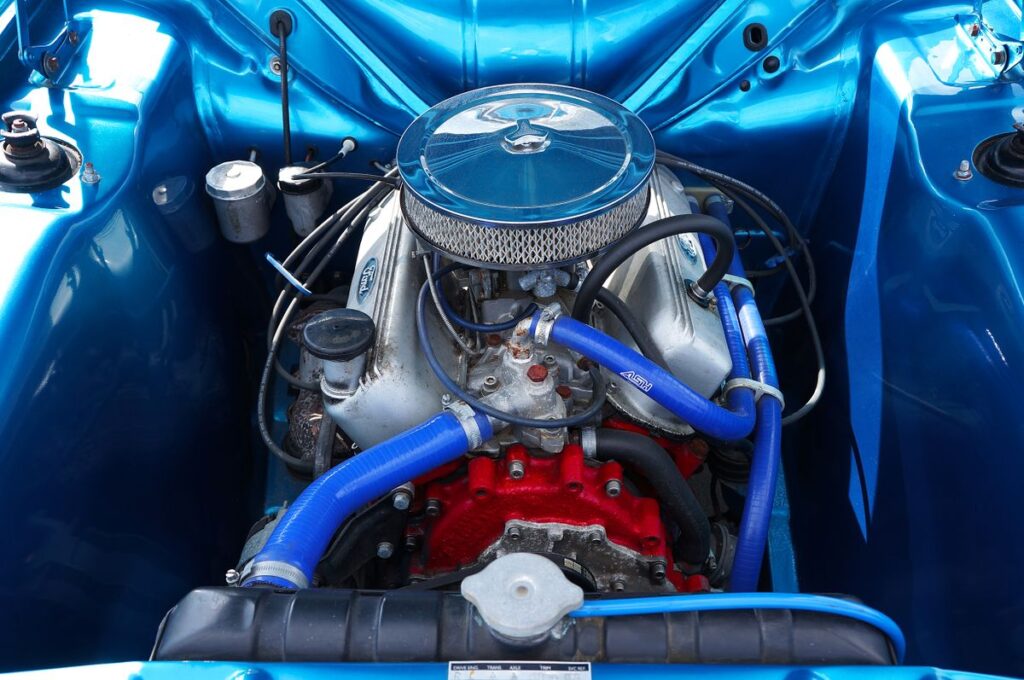
    Engine bay with a chrome air cleaner and blue hoses

    A smoke test, which fills the intake with visible vapor, is a common way to find the leak. Replacing an oxygen sensor for a lean code rarely fixes it.

    Cam and Crank Correlation: P0016 and P0011

    P0016 means the camshaft and crankshaft sensors disagree about engine timing. The Ross-Tech wiki entry for P0016 lists a timing issue or a camshaft adjuster problem as the possible causes. On many timing chain engines, a stretched chain or a worn tensioner is a common reason.

    P0011 points to intake cam timing that is off target, often from low or dirty oil, a sticking adjuster valve or chain wear. See our guide to Audi timing chain tensioner symptoms for the warning signs.

    Boost Codes: P0299

    P0299 is an underboost code: the turbo is not making the pressure the computer asked for. On many Audi turbo engines, a torn diverter valve diaphragm, a split boost hose or intercooler pipe, or a worn wastegate linkage is often to blame. Rule out leaks before suspecting the turbo.

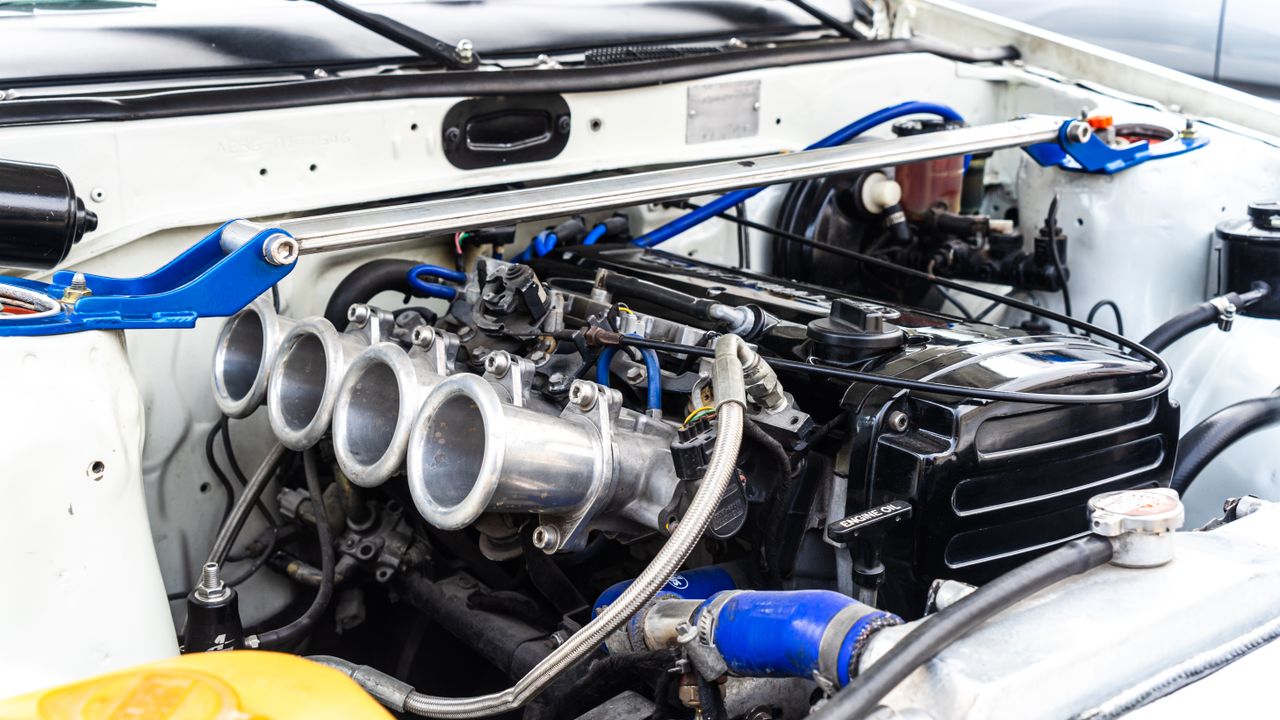
    Modified engine bay under an open hood

    Catalyst Efficiency: P0420

    P0420 means the rear oxygen sensor sees the catalytic converter cleaning less than it should. Sometimes the converter is worn out, but often an earlier misfire damaged it, or a sensor or exhaust leak gives a false reading.

    Our post on bad catalytic converter symptoms covers the other clues.

    EVAP Codes: P0441, P0455 and P0456

    The evaporative emissions system traps fuel vapor from the tank. P0455 and P0456 flag a large or small leak, and a loose or worn gas cap is the first thing to check. P0441 flags incorrect purge flow, commonly from a sticking purge valve or cracked line.

    Coolant Temperature: P0128

    P0128 means the engine took too long to reach its normal operating temperature. A thermostat stuck partly open is the usual cause, with a faulty temperature sensor second. On many four-cylinder Audi engines, the thermostat shares a housing with the water pump, so a coolant leak nearby is worth checking too.

    Instrument cluster with several warning lights lit

    Our guide to Audi water pump failure symptoms explains that connection. In a West Michigan winter, a weak heater is often the first clue.

    Why a Generic Code Reader Is Not Enough on an Audi

    A basic reader shows the standard emissions codes stored in the engine computer. But an Audi has many more control modules, such as transmission, ABS, airbag and body electronics, and their faults often never appear on a generic tool.

    Audi also uses its own fault numbers alongside the P-codes. For example, the Ross-Tech wiki lists P0016 as 16400, and P0171 commonly shows up as 16555. Audi-capable tools such as VCDS add manufacturer codes, freeze frame data and live readings like fuel trims and cam timing.

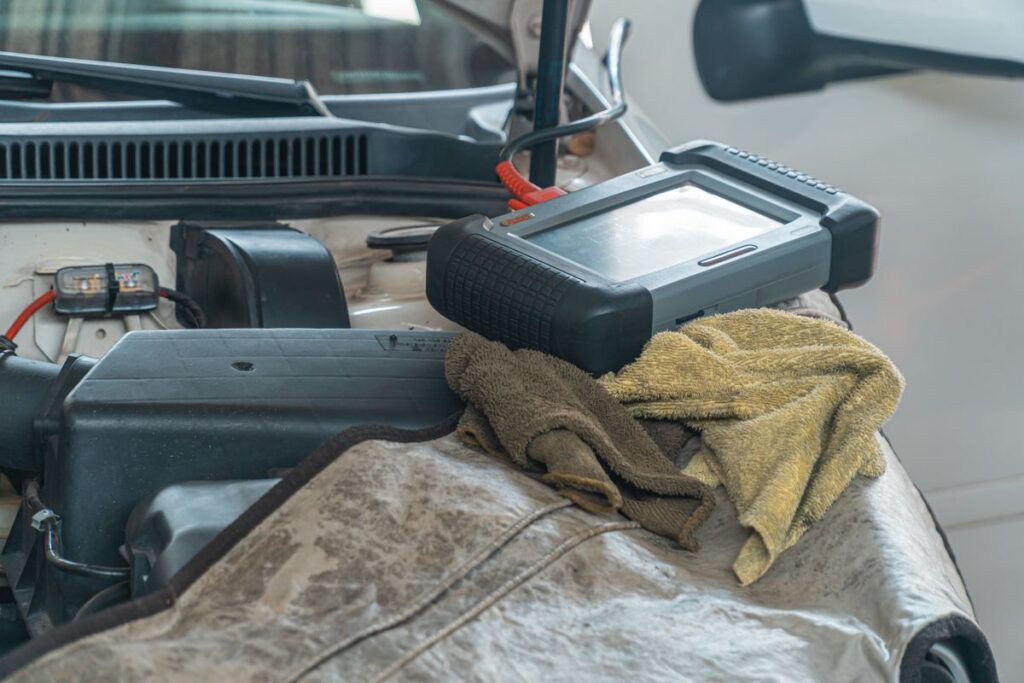
    Mechanic working at a diagnostic computer in a garage

    Those live readings separate a vacuum leak from a weak fuel pump, or a stretched chain from a sticking cam adjuster.

    Code, Meaning and How Urgent at a Glance

    Use this table as a rough guide. Treat any new symptom as a reason to move up a level.

    CodeWhat it usually points toHow urgent
    P0300 to P0304 (light flashing)Active misfire from a coil, plug, injector or carbonHigh Stop driving and book a check
    P0016 or P0011Cam timing off, often chain, tensioner or adjuster valveHigh Book an inspection right away
    P0300 to P0304 (light steady)Occasional misfire, often an early coil or plug faultSoon Get it checked within days
    P0171 or P0174Vacuum or PCV leak, airflow sensor or fuel pressureSoon Get it checked within days
    P0299Boost leak, diverter valve or wastegate wearSoon Get it checked within days
    P0420Worn converter, or damage from misfires or lean runningModerate Plan a diagnosis in the next few weeks
    P0128Thermostat stuck open or a faulty temperature sensorModerate Plan a diagnosis in the next few weeks
    P0441, P0455 or P0456Gas cap, purge valve or a vapor line leakLow Fix at your next service visit
    Common Audi fault codes: what each usually points to and how urgent it is

    A Code Is a Starting Point, Not a Diagnosis

    A code tells you which test the computer failed, not why. P0420 can be a converter, a sensor or a leak. Buying parts on the code name alone often leaves you with a new part and the same light.

    Clearing the code with a reader turns the light off, but it also erases the freeze frame data a technician would use. If the fault is still there, the code usually returns within a few drives. Write the code down and note how the car felt when the light came on.

    Mechanic working under a car raised on a lift

    If your Audi feels normal with the light on, our guide on a check engine light that is on while the car runs fine explains how to judge whether it can wait.

    Getting Audi Codes Diagnosed Properly

    Hendrick Hoffman, our owner and head mechanic, is Audi factory trained, with 8 years’ focus on Audi and foreign cars. Our Audi repair in Grand Rapids covers check engine lights, timing chains, electronics and factory scheduled maintenance.

    For any make, our check engine light diagnostic service starts with the code and then tests the system behind it before recommending a repair.

    Frequently Asked Questions

    Is P0171 on an Audi always a vacuum leak?

    Not always, but often. A failed PCV valve or a cracked hose is a common cause on Audis. A dirty mass airflow sensor or low fuel pressure can set the same code.

    Which coil is bad if I have a P0302 code?

    P0302 means a misfire in cylinder 2, but the coil is only one possible cause. A common test is to swap the coil with another cylinder and see whether the misfire follows it. If it does not, the plug or injector is the next suspect.

    Can I clear an Audi fault code myself?

    Yes, most readers can clear engine codes. Clearing erases the freeze frame data, though, and the code usually comes back if the fault remains. Write the code down first.

    Will a generic OBD2 scanner read all the codes on my Audi?

    It reads the standard engine and emissions codes. It usually cannot see faults stored in other modules such as the transmission, ABS or airbag systems, and it may not describe Audi-specific codes.

    Need Audi repair in Grand Rapids? Call 456 AutoFix at 616-279-3832, Monday to Friday 8am to 5pm, or book through our contact page.

    Can’t make it during the day? Use our after-hours drop-off. We’re at 456 Carrier St NE in Creston.

  • Audi Carbon Buildup: Symptoms, Causes and When to Clean the Intake Valves

    Audi Carbon Buildup: Symptoms, Causes and When to Clean the Intake Valves

    If your Audi shakes at idle on cold mornings or stumbles when you pull away, carbon on the intake valves is one possible reason. Audi carbon buildup symptoms tend to creep in slowly, so many owners get used to a rough engine before they connect the dots.

    Here is why direct-injection Audi engines collect carbon, which symptoms point to it, and how the cleaning methods compare. We also cover the step most people skip: ruling out simpler misfire causes first.

    Quick answer

    What are the symptoms of carbon buildup on an Audi?

    The usual signs are a rough idle, misfires right after a cold start, hesitation when you accelerate, misfire codes with a check engine light, and a slow loss of power and fuel economy. They are most common on direct-injection FSI and TFSI engines, and they often get worse in cold weather and with short trips.

    Driver's hand near the tachometer on a lit dashboard

    Why Direct-Injection Audi Engines Build Carbon

    Older engines sprayed fuel into the intake port, where it washed over the back of the intake valve and kept it fairly clean.

    Audi’s FSI and TFSI engines use direct injection, which sprays fuel straight into the cylinder. That improves power and efficiency, but nothing washes the intake valves anymore. Oil vapor from the crankcase ventilation system and a little exhaust gas still pass over the hot valves, and over time they bake on as hard, crusty deposits.

    Research published by SAE International, a study on how intake valve deposits form in gasoline direct injection engines, found the deposits come from a mix of engine oil, engine wear elements, unburned fuel and exhaust contaminants. The authors also found that the oil’s formulation affects how fast they build up.

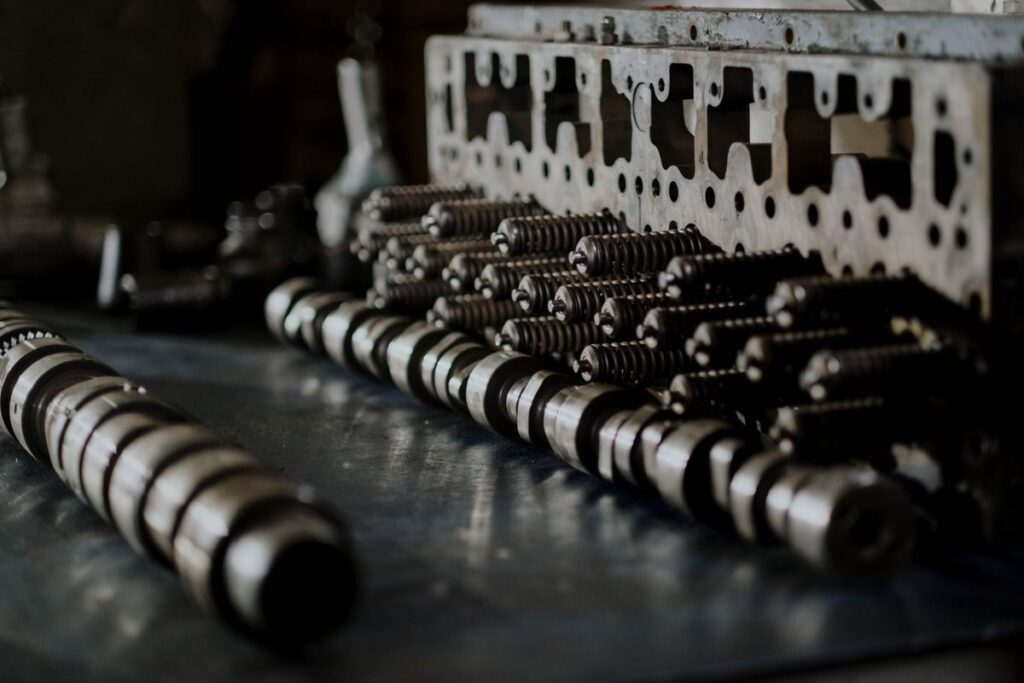
    Camshafts and valve springs laid out on a workbench

    Common Audi Carbon Buildup Symptoms

    None of these signs proves carbon on its own. Together, and on a direct-injection engine with some miles on it, they make carbon a strong suspect.

    Rough Idle and Cold-Start Misfires

    The engine shakes or stumbles for the first minute or two after a cold start, then smooths out once it warms up. Deposits act like a sponge for fuel and air on a cold engine, which upsets the mixture until everything heats up.

    Hesitation When You Accelerate

    A flat spot or stumble when you press the pedal, especially from a stop or at low revs, is common as deposits grow.

    Misfire Codes and a Check Engine Light

    As airflow gets worse, the engine computer starts logging misfires. You may see random misfire codes (P0300) or codes for one or more cylinders (P0301 to P0308). The light might come on only in cold weather at first.

    Lost Power and Worse Fuel Economy

    Restricted valves mean less air and less power. Fuel economy usually drops slowly too, so it is easy to miss.

    Carbon Buildup Symptoms and How Urgent They Are

    Use this table to judge how soon to act. A scan and inspection is the only way to confirm the cause.

    SymptomWhat it can suggestHow urgent
    Flashing check engine lightActive, severe misfire that can overheat the catalytic converterHigh Ease off and get it checked right away
    Steady light with misfire codesCarbon, coils, plugs, injectors or a vacuum leakSoon Have it scanned within days
    Hesitation or lost powerRestricted airflow from deposits, or a boost or fuel issueSoon Book a diagnosis this week
    Rough idle only when coldEarly intake valve depositsModerate Plan an inspection in the next few weeks
    Slow drop in fuel economyDeposits, tires, driving pattern or sensorsLow Mention it at your next service
    Audi carbon buildup symptoms compared by likely meaning and urgency

    A flashing light is different from a steady one. Our guide to a check engine light flashing while you drive explains why it needs attention the same day.

    Diagnostic scan tool resting on an engine

    When It Shows Up and What Makes It Worse

    There is no fixed mileage. Owner reports and repair data typically put noticeable symptoms somewhere between about 30,000 and 100,000 miles, depending on the engine and how the car is driven. Some cars run fine well past that, and Audi does not publish a set cleaning interval.

    Several things speed it up:

    • Short trips. An engine that rarely gets fully hot leaves more moisture and oil vapor behind. West Michigan winters, with short cold runs around town, are hard on intake valves.
    • A worn PCV valve or oil separator. A failed diaphragm can pull extra oil vapor into the intake. Our article on Audi 2.0T oil consumption and the PCV system covers how this part fails.
    • Oil burning. An engine that uses oil sends more of it past the rings and into the intake tract.
    • Oil quality and change intervals. Oil that meets the VW/Audi spec in your manual, changed on time, gives off less vapor than old or wrong-spec oil.
    Cars on a snowy road in winter

    Newer Audi engines with dual injection add port injectors that spray onto the valves part of the time, so they tend to build less carbon.

    Rule Out Other Misfire Causes First

    Carbon gets blamed for a lot of rough running it did not cause. On Audis, ignition coils and spark plugs are frequent misfire culprits, and they are far simpler to fix. Leaking injectors, vacuum leaks or a weak high-pressure fuel pump can feel the same from the driver’s seat.

    A proper diagnosis usually works in this order:

    1. Read the codes, misfire counts and fuel trims.
    2. Test the coils and inspect the plugs.
    3. Smoke test for vacuum leaks and check the PCV system.
    4. Look at the valves with a borescope.

    If the light is on but the car feels normal, read our post on a check engine light on but the car runs fine. For a full scan, see our check engine light diagnostic in Grand Rapids.

    Engine with a red block in an engine bay

    Intake Valve Cleaning Methods Compared

    Once an inspection confirms heavy deposits, the valves need cleaning. Pour-in fuel additives can’t do it on a direct-injection engine, because the fuel never touches the intake valves.

    MethodHow it worksProsCons
    Walnut shell blastingIntake manifold off, crushed walnut shell blasted at each valveMost thorough on hard, heavy depositsMore labor; leftover media must be fully removed
    Chemical or induction cleaningCleaner fed into the intake with the engine runningNo teardown, less invasiveWorks best on light deposits; some chemicals are hard on seals
    Manual cleaningManifold off, deposits softened with solvent and scraped by handNo special blasting equipment neededSlow, and it is hard to reach every surface evenly
    Intake valve cleaning methods for Audi carbon buildup compared

    Any method treats the result, not the cause. Deposits come back over time, so fix a failed PCV valve or oil separator at the same visit.

    Modified turbocharged engine in a car's engine bay

    To slow the return, drive long enough for the engine to reach full temperature regularly, use the oil spec in your manual, and stay on top of oil changes in Creston and your factory scheduled maintenance in Grand Rapids. Our Audi repair in Grand Rapids is led by Hendrick Hoffman, our owner and head mechanic, who is Audi factory trained and ASE and State of Michigan certified in engine repair and engine tune-up.

    Frequently Asked Questions

    How often does an Audi need its intake valves cleaned?

    There is no Audi schedule for it. Enthusiasts often quote around 60,000 miles, but engines vary widely. Clean them when an inspection shows heavy deposits and symptoms.

    Do fuel additives remove carbon from Audi intake valves?

    Not on a direct-injection engine. The fuel is sprayed into the cylinder and never reaches the back of the intake valves, so tank additives can’t clean them. They may help keep injectors clean.

    Does an oil catch can prevent carbon buildup?

    The evidence is mixed. A catch can traps some oil vapor before it reaches the intake, and some owners report cleaner valves, while others see little difference.

    Is it safe to keep driving with carbon buildup?

    Mild buildup with a slightly rough cold idle is not an emergency. Steady misfires, lost power or a flashing check engine light should be diagnosed soon, because ongoing misfires can damage the catalytic converter.

    Need help with a rough-running Audi in Grand Rapids? Call 456 AutoFix at 616-279-3832, Monday to Friday 8am to 5pm, or book through our contact page.

    Can’t make it during the day? Use our after-hours drop-off. We’re at 456 Carrier St NE in Creston.