As an Amazon Associate, 456 AutoFix earns from qualifying purchases. Product links below go to Amazon, where you can confirm the right part for your vehicle.
A Honda front end usually tells you about a tired ball joint with a knock over broken pavement or a steering wheel that never quite settles. The best ball joint for Honda repairs is the one built for your exact model, year and corner, because a Civic joint and a Pilot joint share almost nothing beyond the name.
This guide sorts replacement joints for the Civic, Accord, CR-V, Odyssey, Pilot and Element, and explains when Honda expects you to replace the whole control arm instead. Not sure the joint is the problem yet? Start with our guide to bad ball joint symptoms.
Quick answer
Which ball joint should you buy for your Honda?
Match the part to your model and side first. A 2006-2011 Civic takes the MOOG K500070 on the left, a 2002-2006 CR-V or early Element takes the MOOG K80223, and a 2003-2008 Pilot suits the Detroit Axle lower pair. Accord and Odyssey listings follow below, so confirm fit on Amazon before ordering.
Our Quick Picks
Three listings that cover the most common Honda front ends. Confirm your year, model, trim and side on Amazon before you order.

MOOG K500070
A side-specific MOOG lower joint for the eighth-generation Civic.

MOOG K80223
One MOOG lower joint that covers two related Honda crossovers.

Detroit Axle Pilot Ball Joints
Both front lower joints for the first-generation Pilot in one order.
Separate Joint or Complete Control Arm?
Honda has used two broad layouts. Many older models, including the 1999-2004 Odyssey, the 2002-2006 CR-V and the first-generation Pilot, have a lower ball joint pressed into the steering knuckle and held by a snap ring. You can buy that joint on its own and press it in with the right adapters.
On several newer models, the joint is part of the lower control arm, or Honda sells it only that way. Amazon results for the 2009 and later Pilot and the 2018 and later Odyssey are mostly complete arm assemblies for that reason. If your Honda falls in that group, our look at control arm brands and how they compare is the better starting point.
Before you order anything, write down the year, model, trim and engine from your registration or door sticker. Then check whether the part you are replacing is a pressed joint or a full arm by looking under the car or asking a shop.
What Sets One Honda Ball Joint Apart From Another
Once you know the joint comes separately, a few details decide which listing suits you:
- Position: most Honda joints sold alone are front lowers, though a few models also have a replaceable upper joint.
- Side: some Civics use different left and right parts, so a single listing may cover one side only.
- Greaseable or sealed: a grease fitting lets you flush out water and grit; sealed joints need no service but cannot be topped up.
- Single or pair: a pair saves a second order and keeps both sides at the same age.
- Brand: MOOG, TRW and Detroit Axle all sell OE-style joints for Hondas, and the right part number matters more than the logo.
The Car Care Council’s overview of vehicle systems lists potholes and skipped chassis lubrication among the things that wear steering and suspension parts. It also suggests having these systems checked at least once a year, usually along with a wheel alignment, which is a sensible habit for any Honda with high miles.
Best Ball Joint for Honda: Model-by-Model Picks
Every listing below names specific Honda models, years and a position. Treat those names as a shortlist, then put your own car into Amazon’s fit checker and read any notes before you buy.
1. MOOG K500070: Front Left Lower Ball Joint for 2006-2011 Civic
- Front left lower position
- Listed for 2006-2011 Civic and Acura CSX
- OE-grade replacement from MOOG
- Right side sold separately as K500069
The MOOG K500070 is a front left lower ball joint. Its Amazon listing names the 2006-2011 Honda Civic and the Acura CSX of the same years, so it covers the eighth-generation Civic sedan and coupe. The lower joint carries much of the front weight, so on these cars it is usually the first part of the front end to loosen.
This generation uses separate left and right lower joints, and MOOG sells the matching right-hand part as the K500069. The listing describes the K500070 as an OE-grade replacement built to handle everyday road stress and to restore stable steering response. It lists a long set of interchange numbers in the title, which helps if you are matching it against a part you already pulled off the car or a number from a parts counter.
Because this is one joint for one side, plan on ordering the K500069 too if both lowers are worn. It does not suit the 2012 and later Civic, which uses a different lower joint, unless the fit checker says otherwise. Enter the year, trim and engine on Amazon, read any qualifier notes, and budget for an alignment after the job is done.
2. TRW JBJ7604: Front Upper Ball Joint for 2003-2007 Accord and TSX

- Front upper position
- Listed for 2003-2007 Accord and 2004-2008 Acura TSX
- Endurance tested to 500K cycles, per TRW
- Rubber dust cover
The TRW JBJ7604 is a front upper ball joint. Its Amazon listing names the 2003-2007 Honda Accord and the 2004-2008 Acura TSX. The seventh-generation Accord uses a double wishbone front end, so each side has an upper and a lower joint, and the upper one can wear out on its own once the boot splits.
Before approval, TRW puts each design through four rounds of testing and review, including a 500,000-cycle endurance check. The listing describes a low friction design meant to bring steering and suspension feel back to original, along with dust covers made from high quality rubber to extend service life. TRW also asks buyers to confirm fit with Amazon’s Confirmed Fit tool, which is good advice on an Accord with several trims and two engine families.
Many owners replace the whole upper control arm on this Accord rather than pressing in a single joint, so look at your arm and its bushings before you decide. If the bushings are cracked, an arm assembly may be the better buy. This joint is not for the 2008 and later Accord. For the lower position on the same car, see our general ball joint guide.
3. MOOG K80223: Front Lower Ball Joint for 2002-2006 CR-V and 2003-2005 Element
- Front lower position
- Listed for 2002-2006 CR-V and 2003-2005 Element
- Heat-processed ball stud and Belleville preload washer
- Pressed-in cover plate to seal out debris
The MOOG K80223 is a front lower ball joint listed for the 2002-2006 Honda CR-V and the 2003-2005 Honda Element. The two crossovers share a lot of chassis hardware from that era, so one part number covers both. The joint presses into the steering knuckle, which means you need a press and the right receiver cups to swap it.
The listing gives more detail than most. MOOG says the ball studs are heat processed to match or exceed original requirements for fatigue strength, and a Belleville preload washer helps keep the bearing package tight as it wears. A patented pressed-in cover plate seals out debris and limits looseness, which matters on a crossover that spends winters on salted roads and gravel lots.
This is a single joint, so order two if both sides are worn. It does not fit the 2007 and later CR-V, which our general guide covers, or the later Element, which uses a different MOOG part. The listing asks you to check the Amazon Confirmed Fit bar and any blue information notes for trim qualifiers before you buy, and that step is worth the minute it takes.
4. MOOG K90359: Greaseable Front Lower Ball Joint for 1999-2004 Odyssey

- Front lower position
- Listed for 1999-2004 Odyssey
- Greaseable socket
- Belleville preload washer
The MOOG K90359 is a front lower ball joint for the 1999-2004 Honda Odyssey, the second-generation minivan. A loaded Odyssey carries a lot of weight on its front lower joints, and on high-mileage vans these are a common source of clunks over speed bumps and driveway ramps.
What sets this one apart from many Honda replacements is its greaseable socket. MOOG says fresh lubricant flushes debris out of the joint, which slows corrosion and wear. The listing also describes ball studs heat processed for fatigue strength and a Belleville preload washer that keeps the bearing package tight as it wears in. A grease fitting only helps if you use it, so give it a few pumps at each oil change or at least before winter.
This is one joint, so plan on two if you are doing both sides. It does not fit the 2005 and later Odyssey, which uses a different lower joint and, on recent vans, a complete control arm. The listing reminds buyers to enter year, make, model, engine and trim to confirm fit and to check the qualifier notes. After installation, book a front alignment so the van tracks straight.
5. Detroit Axle Front Lower Ball Joints: Pair for 2003-2008 Pilot and 2001-2006 MDX
- Two front lower ball joints in one kit
- Listed for 2003-2008 Pilot and 2001-2006 Acura MDX
- Impact, wear and fatigue tested, per Detroit Axle
- 10-year warranty, as listed
This Detroit Axle kit contains two front lower ball joints. The listing names the 2003-2008 Honda Pilot and the 2001-2006 Acura MDX, which share their front suspension design. Getting both sides in one box is handy on a three-row SUV, since the two lower joints have covered the same miles and tend to wear at a similar rate.
The brand cites impact, wear and fatigue tests for its suspension parts, and the listing carries a 10-year warranty. Keep the order details somewhere you can find them if you ever need to use it. The joints press into the knuckle, so you will need a ball joint press with adapters that suit the Pilot’s knuckle, or a shop that has one.
This kit does not fit the 2009 and later Pilot, which Amazon mostly lists as complete lower control arms with the joint built in. It also covers only the lower joints, so check the tie rod ends and sway bar links while the front end is apart. Confirm your year and trim with Amazon’s fit checker before you order, and plan for an alignment once the new joints are installed and torqued.
View Detroit Axle Pilot Ball Joints on Amazon
6. TRW JBJ921: Front Lower Ball Joint for 2003-2011 Element

- Front lower position
- Listed for 2003-2011 Element
- Endurance tested to 500K cycles, per TRW
- High quality rubber dust cover
The TRW JBJ921 is a front lower ball joint, and its listing names the Honda Element from 2003 to 2011. That is the whole production run of the boxy crossover, which makes this listing useful for later Elements that the MOOG K80223 does not cover. Element owners also tend to load the cargo area heavily, which adds wear to the front lower joints.
TRW states that each part passes four levels of testing and review before approval, including endurance testing of 500,000 cycles. The listing describes a low friction design that restores original steering feel and long lasting dust covers made from high quality rubber. The boot matters on an Element that sees salted Michigan roads, since a split cover lets water reach the socket.
Element front lower parts changed during the run, and MOOG lists different joints for early and later models, so treat the broad 2003-2011 listing with care. Use the Confirmed Fit option TRW points to, enter your exact year and trim, and read the notes. One rival listing excludes the SC trim, so check it closely. This is a single joint, so order two for both sides and book an alignment afterwards.
Honda Fit Chart: Model, Years and Listing
The table follows what each Amazon listing names. Use it to find your row quickly, then confirm the exact part for your car on Amazon.
| Honda model | Years named | Position | Listing to check |
|---|---|---|---|
| Civic (and Acura CSX) | 2006-2011 | Front lower, left | MOOG K500070 (K500069 for the right) |
| Accord (and Acura TSX) | 2003-2007 | Front upper | TRW JBJ7604 |
| CR-V and Element | 2002-2006 CR-V, 2003-2005 Element | Front lower | MOOG K80223 |
| Odyssey | 1999-2004 | Front lower | MOOG K90359 |
| Pilot (and Acura MDX) | 2003-2008 Pilot | Front lower, pair | Detroit Axle 2-piece |
| Element | 2003-2011 | Front lower | TRW JBJ921 |
Newer Hondas are missing from the chart on purpose. On many of them the joint is serviced with the arm, so a standalone ball joint listing may not exist or may not suit the repair.
Salt, Potholes and the Honda Front End
West Michigan winters work against ball joints in two ways. Road salt finds any split in a dust boot and rusts the ball inside its socket, and freeze-thaw potholes hit the lower joint hardest. A torn boot is worth replacing the joint over, even if it still feels tight, because the damage keeps going once water is inside.
Salt also seizes the joint into the knuckle. A pressed Honda joint that should come out with a press and a receiver cup can need heat and patience after a decade of winters. That is worth knowing before you start on a Saturday morning.
Knocks and bounce do not always come from the joint. Worn struts can make a sound front end feel loose, so check them while the wheel is off. Our picks of shocks and struts for daily drivers cover the dampers, and our broader guide to ball joints for common cars and crossovers covers more Honda years than this page.
Fitting It in the Driveway or Handing It Off
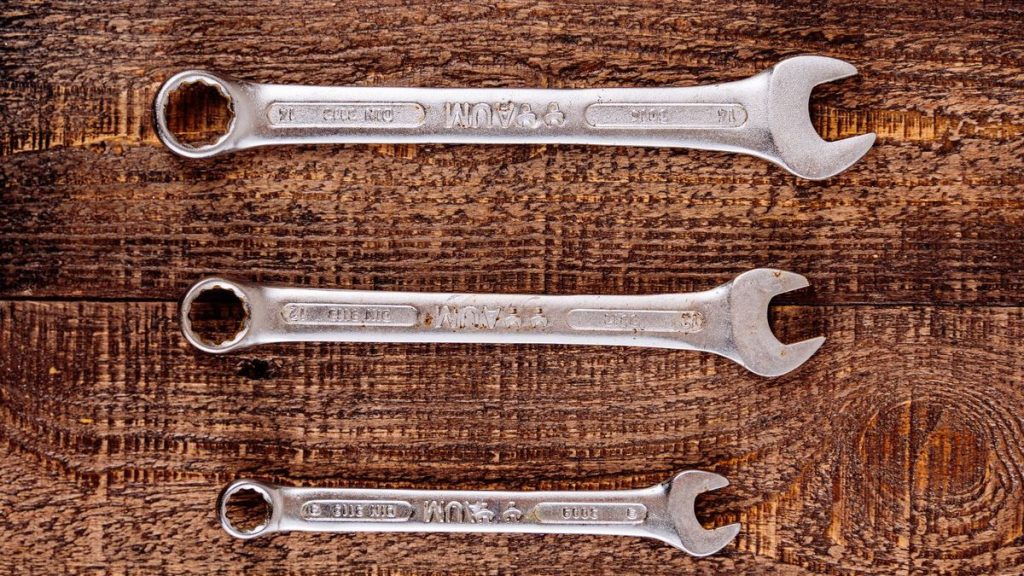
A pressed Honda joint needs a C-frame press with the right adapters, a snap ring tool and a torque wrench. Our roundup of ball joint press kits explains what to look for. Support the car on stands, wear eye protection and torque the castle nut and pinch bolt to the factory figure.
Picking the best ball joint for Honda models is only part of the repair, since the joint holds the wheel to the car. Book an alignment once the new part is in. If you would rather leave it to us, our suspension repair service in Grand Rapids can check the whole front end, fit the joints and look over the steering parts. Hendrick holds ASE and State of Michigan certification in steering and suspension work.
More Buying Guides
Frequently Asked Questions
Can I replace only the ball joint on my Honda?
On many older models, yes. The Odyssey, CR-V and Pilot generations covered here have a separate pressed-in lower joint, and so does the 2006-2011 Civic. On several newer Hondas the joint comes with the control arm, so check your car before buying.
Which brand makes the best ball joint for Honda cars?
No single brand wins for every model. MOOG, TRW and Detroit Axle all list OE-style joints for Hondas. Pick the brand that lists your exact year, model and position, then compare features like a grease fitting or a two-piece pack.
Are the left and right lower joints the same on a Civic?
Not on the 2006-2011 Civic. MOOG lists the K500070 for the front left and the K500069 for the front right, so order one of each when you do both sides.
Do I need an alignment after a ball joint replacement?
Yes. Pressing out the old joint and fitting a new one can shift camber slightly, and an alignment keeps the car tracking straight and saves the tires.
Honda knocking over bumps or wandering in its lane? Call 456 AutoFix at 616-279-3832, Monday to Friday 8am to 5pm, or set up a front end inspection through our contact page.
Stuck at work until close? Park your Honda at 456 Carrier St NE, Grand Rapids, MI 49505 after hours and leave the keys in our drop-off.