
A car horn not working is easy to ignore until the moment you need it. Someone backs toward you in a parking lot, you press the center of the wheel, and nothing happens. Most horn faults come down to a short list of parts, and what the horn does tells you where to look.
Quick answer
Why is my car horn not working?
The usual causes are a blown fuse, a failed horn relay, a broken wire or corroded connector, a bad ground, a worn-out horn, or a faulty horn switch or clock spring in the steering wheel. If the airbag light is also on, suspect the clock spring and have a shop check it.

How Your Horn Circuit Works
When you press the horn pad, a switch in the steering wheel closes. That signal passes through the clock spring, a coiled ribbon cable that keeps the wheel’s buttons and the driver’s airbag connected while the wheel turns. On most cars it then tells a relay to send full battery power, protected by a fuse, to the horn.
The horn itself usually sits behind the grille or bumper and needs a solid ground to complete the circuit.
Car Horn Not Working? Check These Causes in Order
HELLA, a horn manufacturer, describes a working horn as an essential active safety component in its workshop guide to identifying and fixing horn faults. Its advice is to work through the circuit methodically: check for voltage at the horn, then the ground, then the horn itself.
1. The Horn Fuse
The fuse is always one of the first things to check. HELLA notes that fuses can fail from age, moisture or a brief voltage spike, and that corroded fuse holders are a common cause in older vehicles. It also warns that a quick look is often not enough, because a hairline crack in the fuse element is hard to see without a meter.
A fuse that blows again right after replacement points to a short somewhere in the circuit. The fuse-box logic is the same one we walk through for windshield wipers that stop working and a rear defroster that won’t clear the glass.
2. The Horn Relay
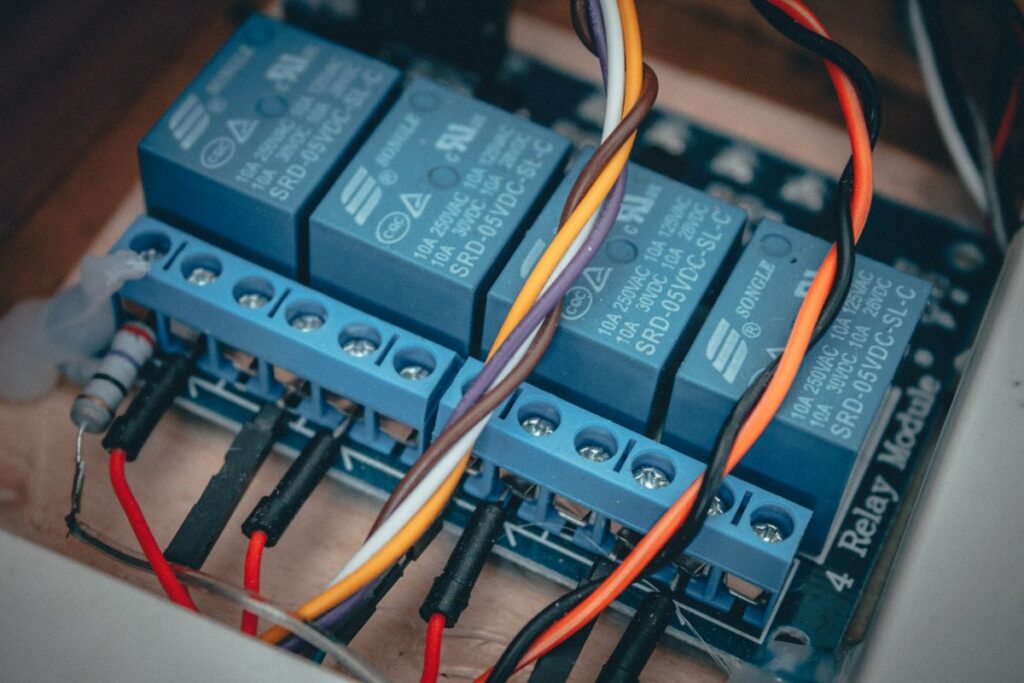
Many horns run through a relay in the fuse box. Have a helper press the horn while you listen near the box. A click with no horn sound suggests the relay is switching but power isn’t reaching the horn, while no click at all points back toward the relay, the switch or the clock spring.
3. Broken Wires and Corroded Connectors
HELLA says a complete horn failure is often caused by a broken wire, especially near the connector or where the harness passes from the body into the engine bay. Oxidized plug contacts are another common culprit, and they typically show up as a weak or irregular horn.
4. A Bad Ground
The horn needs a clean, tight ground connection. According to HELLA, a corroded or dirty ground point produces a weak, distorted or irregular sound rather than total silence. Cleaning the contact and protecting it from moisture is usually the fix.
5. The Horn Itself
Inside the horn, a diaphragm vibrates to make the sound. HELLA explains that if power is reaching the horn but it stays silent or only hums, the horn itself has usually failed and needs replacing.

6. The Horn Switch or Clock Spring
If power and ground check out and pressing the pad still does nothing, the fault may be the horn switch or the clock spring. A worn clock spring often brings other clues: the airbag warning light comes on, and steering wheel buttons such as cruise control or audio controls may stop working too.
The clock spring sits directly behind the driver’s airbag. Testing or replacing it means working around the airbag system, so this is a job for a shop, never a driveway repair. Please don’t remove the steering wheel or the airbag yourself.
What the Horn Does and What It Usually Means
The way the horn fails is the best clue to where the fault is. Use this table to decide how soon to book.
| What the horn does | Likely cause | How urgent |
|---|---|---|
| Silent, and the airbag light is on | Clock spring or another fault in the steering wheel circuit | High Have the airbag system checked right away |
| Sounds on its own or won’t stop | Stuck horn switch, relay or a short in the wiring | High Get it checked right away |
| Completely silent, no warning lights | Fuse, relay, broken wire or a failed horn | Soon Book a diagnosis within days |
| Relay clicks, but no sound | No power reaching the horn, or a dead horn | Soon Book a diagnosis within days |
| Weak, raspy or only works sometimes | Corroded ground or connector, or a worn horn | Moderate Plan a repair in the next few weeks |

What You Can Safely Check Yourself
A few checks need no tools beyond your owner’s manual and a flashlight:
- Look at the warning lights. Note whether the airbag light is on and whether the steering wheel buttons still work.
- Find the horn fuse. Your owner’s manual shows which fuse protects the horn. Replace a blown fuse only with one of the same rating.
- Listen for the relay. Have a helper press the horn while you listen at the fuse box for a click.
- Look at the horn. If you can see it behind the grille, check for rust, a loose mount or a green, crusty connector.
If the horn is stuck on, removing its fuse or relay silences it until it can be repaired. Leave anything inside the steering wheel alone.
Why West Michigan Winters Are Hard on Horns
Because the horn sits at the very front of the car, it takes a direct hit from slush, road salt and spray all winter. Salty water creeps into the connector and the ground point, which is why a horn that sounds weak in February is so often a corrosion problem rather than a dead horn. HELLA’s guide recommends mounting horns so they are protected from direct splash water for the same reason.
Cold, damp weather is hard on other body electronics too. Our guide to a power window that won’t go up or down covers another common winter failure. Add a horn test to your winter car maintenance checklist before the first snow.

When to Bring It In
If a new fuse doesn’t bring the horn back, or the airbag light is on, it’s time for a proper diagnosis. A mechanic checks voltage at the horn, tests the ground and relay, and scans the airbag system for fault codes.
Our car electrical diagnosis and repair in Grand Rapids covers horns, wiring and other body electronics on foreign and domestic vehicles. Hendrick Hoffman, our owner and head mechanic, is ASE and State of Michigan certified in electrical repair.
Frequently Asked Questions
Why did my car horn suddenly stop working?
A sudden failure is most often a blown fuse, a failed relay or a broken wire. If the airbag light came on at the same time, the clock spring in the steering wheel is a likely cause and should be checked by a shop.
Can a clock spring cause the horn not to work?
Yes. The clock spring carries the horn signal from the steering wheel, so a worn one can silence the horn. It usually also turns on the airbag light and can disable other steering wheel buttons.
Why does my horn click but not honk?
A click usually means the relay is switching, but power isn’t reaching the horn or the horn itself has failed. A broken wire, a corroded connector or a bad ground are the common causes.
Why is my car horn weak or quiet?
A weak, raspy or irregular horn usually points to a corroded ground or connector, which is common after a salty winter. A worn horn diaphragm can cause the same sound.
Need car electrical repair in Grand Rapids? Call 456 AutoFix at 616-279-3832, Monday to Friday 8am to 5pm, or book through our contact page.
Can’t make it during the day? Use our after-hours drop-off. We’re at 456 Carrier St NE in Creston.