
As an Amazon Associate, 456 AutoFix earns from qualifying purchases. Product links below go to Amazon, where you can confirm the right part for your vehicle.
Stand in the detailing aisle and the labels start to blur: paste wax, liquid sealant, polymer glaze, polish. The car wax vs sealant decision is simpler than the shelf makes it look. Both leave a thin protective layer on top of the clear coat, but one leans on natural carnauba for a warm glow and the other relies on man-made polymers built to hang on longer.
This guide explains how the two differ, where polish fits in, and then looks at one product from each group. Product details come from each maker’s Amazon listing, so always follow the directions on the container you buy.
Quick answer
Should you protect your paint with wax or a sealant?
Choose a sealant if you want protection that usually lasts longer between applications, which helps through a salty Michigan winter. Choose a carnauba wax if you enjoy waxing often and want a warm, deep shine. Polish is a separate step that removes fine defects before either one goes on.
Our Quick Picks
For the car wax vs sealant choice, here is one carnauba paste wax and one synthetic sealant side by side, plus a related third pick, a hand polish for the step before either.

Meguiar's Gold Class Paste Wax
A classic carnauba paste for a warm, deep shine.

Wolfgang Deep Gloss Paint Sealant 3.0
A slick, glossy synthetic layer built to last for months.

Mothers California Gold Pure Polish
Cleans and refines the paint before protection goes on.
Three Bottles, Three Different Jobs
Car wax is traditionally built around carnauba, a hard natural wax harvested from palm leaves, blended with oils and solvents so it spreads. Many modern waxes mix in polymers to make them easier to apply and a little tougher. Owners like wax for the rich, slightly warm look it gives darker colors, and for how forgiving it is to put on by hand.
A paint sealant is fully synthetic. Its polymers link to the clean paint as they cure, forming a slick, glassy film that generally shrugs off heat, detergents and road grime for longer than a natural wax. The trade-off is that sealants want a properly prepared surface and some patience while they set up.
Polish is the odd one out, because it is not protection at all. It contains fine abrasives that level the top of the clear coat to remove light swirls, oxidation and water spots. The five basic detailing steps from Wolfgang Car Care place polishing in the paint correction stage, with wax or sealant as one of the final steps.
Wolfgang also points out that waxes and sealants come as pastes, liquids and sprays. All three forms do the same basic job; paste takes the most effort, while spray is the quickest to apply.
Car Wax vs Polish vs Sealant: Match the Product to Your Goal
Your paint looks dull or hazy. Start with polish. No wax or sealant can remove oxidation or swirl marks; at best, a filler-rich product hides them for a few washes. Polish first, wipe the residue off, then protect the corrected finish.
You want the longest gap between coats. A sealant is the usual answer. It suits commuters who park outside, leased cars and anyone who would rather spend one careful afternoon in fall than wax every few weeks. Expect to read and follow the cure time on the label.
You enjoy the ritual and want maximum warmth. A carnauba wax is the classic choice for weekend drivers, show cars and older paint. It goes on easily by hand and re-coating is quick, which matters because natural wax tends to wear away sooner than a synthetic film.
You want both. Many detailers lay down a sealant on clean, bare paint first, let it cure fully, then add a wax on top for extra depth. Reversing the order rarely works well, since a sealant needs direct contact with the paint to bond.
Car Wax vs Sealant: The Three Products in Detail
Below is one carnauba-based wax, one synthetic sealant and, as a related third pick, a hand polish for the correction step that comes first. Each suits a different stage of the job, so you may end up using two or even all three.
Meguiar’s Gold Class Carnauba Plus Premium Paste Wax: 11 oz Carnauba and Polymer Blend
- Carnauba and polymer blend
- 11 oz paste in a tin
- Rich, glossy shine
- Safe for clear coat finishes
This tin represents the wax side of the comparison. Meguiar’s Gold Class Carnauba Plus is a paste that blends natural carnauba with polymers, aiming for the warm, glossy look carnauba is known for while making the wax a little easier to work with. The listing describes it as clear coat safe and easy to use, and it comes in an 11 ounce container.
Paste wax suits owners who like to apply protection by hand, one panel at a time. Swipe a foam applicator lightly across the surface, spread a thin coat, let it haze according to the directions and buff it off with a clean microfiber towel. Because a little paste covers a lot of paint, a single tin tends to last through many sessions.
The trade-off is longevity. Like most carnauba products, it is usually reapplied more often than a synthetic sealant, especially on a car that sees frequent washes or winter salt. That makes it a good fit for garage-kept cars, classics and owners who enjoy waxing regularly, and less suited to anyone hoping for one coat to cover a whole season. It also cannot remove swirls or oxidation, so polish first if the paint looks dull.
View Meguiar's Gold Class Paste Wax on Amazon
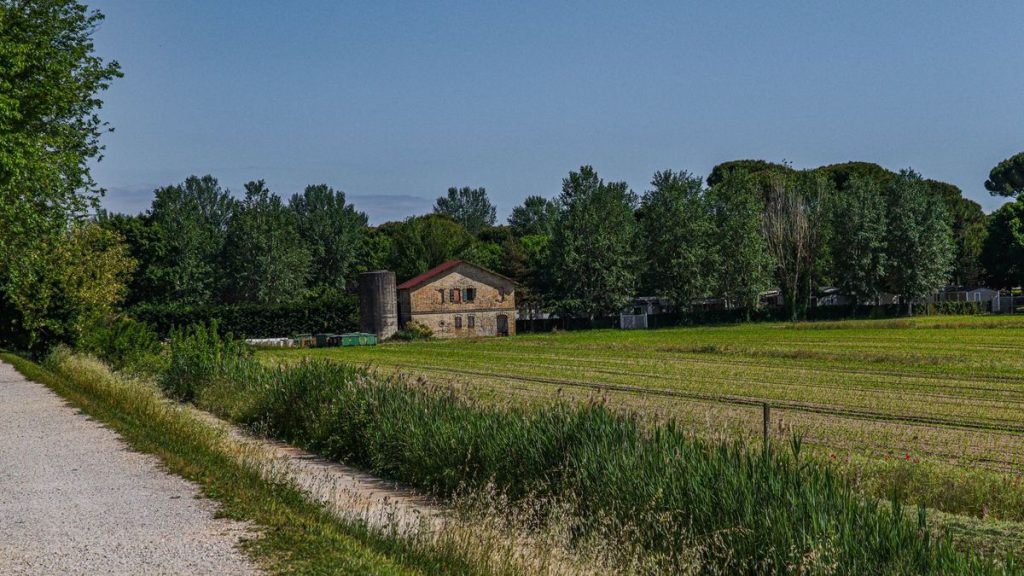
Wolfgang Deep Gloss Paint Sealant 3.0: 16 oz German Polymer Formula for Months of Protection
- German polymer sealant formula
- Thin coat by hand or machine
- Defends against UV, road salt and moisture
- Usable in hot, humid weather
On the sealant side, Wolfgang’s Deep Gloss Paint Sealant 3.0 uses what the maker calls a German polymer formula to lay a smooth, slick film over the paint. The listing says the layer helps defend against UV rays, road salt, ozone and moisture, and that it is meant to protect the finish for months rather than weeks.
Application is straightforward but needs patience. Wolfgang asks for a very thin coat applied by hand or machine, a wait of 30 to 45 minutes, a buff, and then at least 12 hours of keeping the finish dry while it cures. Because only a thin layer is needed, the 16 ounce bottle goes a long way, and the maker says the formula can be used in hot, humid conditions.
This product makes the most sense for cars parked outside and driven through Michigan winters, where a longer-lasting layer saves repeat work. Apply it to freshly washed, decontaminated and, if needed, polished paint so the polymers can reach the clear coat. Owners who want a warmer carnauba look can add a coat of wax on top once the sealant has fully cured.
View Wolfgang Deep Gloss Paint Sealant 3.0 on Amazon
Mothers California Gold Pure Polish: 16 oz Step 1 Polish for Swirls and Oxidation
- Removes oxidation, swirls and water spots
- Step 1 of the Ultimate Wax System
- Prepares paint for wax or sealant
- Safe for clearcoat and single-stage paint
Polish belongs in this comparison because it is the step people most often mix up with wax and sealant. Mothers California Gold Pure Polish is the first step in the company’s Ultimate Wax System, and its job is to clean and refine the paint, not to protect it. The listing says it removes oxidation, contaminants, micro-scratches, swirls, water spots and blemishes.
Mothers describes it as safe for both modern clearcoats and traditional single-stage paint, which makes it a reasonable choice for older cars as well as newer ones. Work it into a small section with a foam applicator or polishing pad, then wipe the residue away before it dries hard. The goal is clearer, smoother paint that gives a wax or sealant a clean surface to sit on.
Because it is a correction product, it should always be followed by protection; polished paint left bare will dull again quickly. Light defects respond well, but deep scratches that catch a fingernail need a stronger compound or professional paint work. Skip this step on paint that already looks clear, since there is no reason to polish a finish that does not need it.
View Mothers California Gold Pure Polish on Amazon
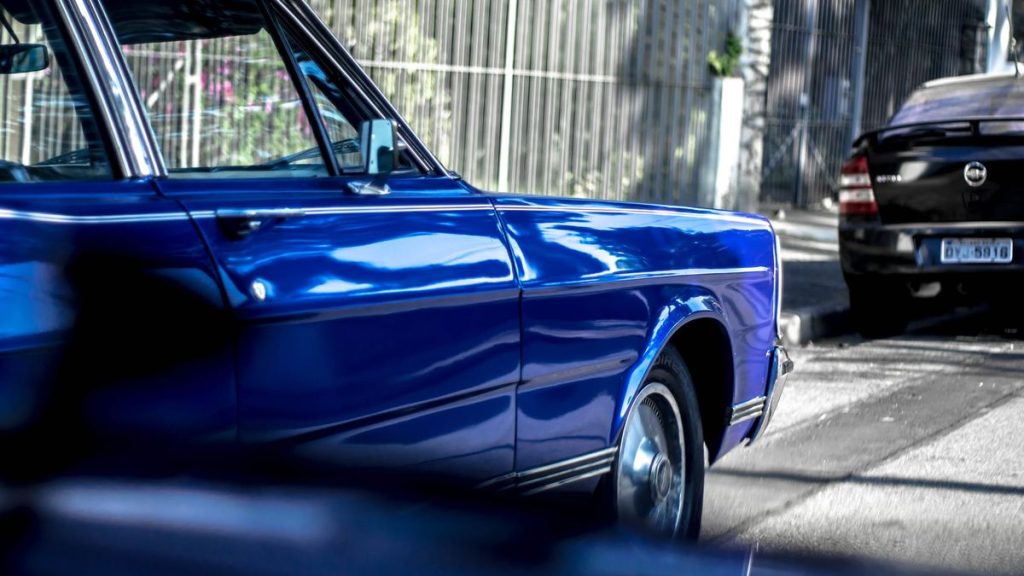
Wax, Sealant and Polish at a Glance
This table sums up how the three products differ, based on the makers’ listings and general detailing practice. Durability depends heavily on weather, washing habits and preparation, so treat the label as your guide rather than a fixed number of months.
| Point | Meguiar’s Gold Class Paste Wax | Wolfgang Deep Gloss Sealant 3.0 | Mothers California Gold Pure Polish |
|---|---|---|---|
| Main job | Protect and add warm shine | Protect for longer between coats | Remove light defects before protection |
| Base | Carnauba and polymer blend | Synthetic German polymers | Polishing compound |
| Leaves protection? | Yes | Yes | No, follow with wax or sealant |
| Fits well | Frequent hand waxers, show cars | Daily drivers parked outside | Dull, swirled or oxidized paint |
Whatever you choose, preparation decides how well it performs. Wash the car, dry it completely and run a hand inside a thin plastic bag across the hood. If it feels gritty, clay the paint before polishing or protecting it; our clay bar kit guide covers complete kits with lubricant.

Work one panel at a time, out of direct sun, with a thin, even layer. Thick coats do not add protection; they only make buffing harder and waste product. Use clean microfiber towels for removal and flip them often.
If a carnauba finish is what you are after, our car wax buying guide compares six waxes in paste, liquid and spray form. Curious how a hard ceramic layer stacks up against both? Read car wax vs ceramic coating before you decide.
Protecting Paint Before a Grand Rapids Winter
Salt brine, slush and grit sit on West Michigan cars for months, and frequent touchless washes slowly strip whatever protection is on the paint. That is why many local owners lean toward a sealant in the fall: one well-applied coat usually holds up longer than a carnauba layer. A wax on top is optional extra gloss.
Timing matters more than brand. Sealants need dry conditions to cure, and Wolfgang’s listing asks owners to keep the finish dry for at least 12 hours after buffing. Plan the job for a mild autumn weekend or a heated garage, and check the temperature range on the bottle before you start.

For the deepest cold-weather protection options, compare our car wax for winter protection picks. Paint care is only one item on the winter car maintenance checklist, though. Salt does more harm underneath, so read about undercoating for road salt and watch for brake line rust, which no wax or sealant can prevent.
When the Finish Hints at a Bigger Problem
Close-up paint work reveals things a quick glance misses. Bubbling along wheel arches, rust creeping from seams or a panel that will not take a shine can signal corrosion under the paint, which needs body or rust repair rather than another coat of protection.

Shopping for a used car? Odd water lines, silt in crevices or a musty interior call for a closer look, so read how to tell if a car has flood damage. Before you sign anything, schedule a pre-purchase inspection in Grand Rapids so the brakes, suspension and underbody get checked by a technician. Hendrick Hoffman, our owner and head mechanic, is a Universal Technical Institute graduate who has worked on cars since 2005.
More Buying Guides
Frequently Asked Questions
Which lasts longer, car wax or sealant?
A synthetic sealant usually lasts longer than a natural carnauba wax, because its polymers bond to the paint and resist heat and detergents. Real-world life depends on weather, parking and how often you wash, so check the maker’s guidance and re-apply when water stops beading.
What is the difference between car wax, polish and sealant?
Polish uses fine abrasives to remove swirls, oxidation and water spots, and it leaves no lasting protection. Wax and sealant both protect the finish afterward. Wax is carnauba-based for a warm look, while sealant is synthetic and generally more durable.
Can you put wax over a paint sealant?
Yes. Apply the sealant to clean paint, let it cure for the time on the label, then add a coat of wax for extra depth. Putting sealant over wax is less effective, since the sealant needs direct contact with the paint to bond.
Do I need to polish before waxing or sealing?
Only if the paint shows swirls, haze or oxidation. On paint that already looks clear, a wash, a clay treatment if needed and a wipe-down are enough before protection. Polishing removes a thin layer of clear coat, so do it only when the finish needs correcting.
Shiny paint is the easy part; rusty brake lines and worn suspension parts are not. Ring 456 AutoFix at 616-279-3832 on a weekday from 8am to 5pm, or reach us through our contact form to set up a visit.
Working during shop hours? Bring the car by 456 Carrier St NE, Grand Rapids, MI 49505 and use our after-hours drop-off at a time that fits your schedule.