
Finding a milky substance under the oil cap is enough to make any driver think the worst. In a Michigan winter, though, that creamy tan film is usually just water from condensation mixed with a little oil.
Sometimes it does mean coolant is getting into the oil, and that needs attention. Here is how to tell the two apart, and what to do next.
Quick answer
Does a milky substance under the oil cap mean a blown head gasket?
Usually not. In cold weather it is most often condensation from short trips, and it stays on the cap and filler neck. It points to coolant in the oil when the dipstick also shows milky oil, the coolant level keeps dropping, or you see white exhaust smoke or overheating. Those signs need a diagnosis soon.

Why Milky Residue Forms Under the Oil Cap in Winter
Every engine makes water. Burning fuel produces water vapor, and a small amount slips past the piston rings into the crankcase along with other combustion gases. Humid outside air also gets drawn in through the ventilation system.
Once the oil is fully hot, that moisture boils off and leaves through the ventilation system. On a short winter trip, the oil never gets hot enough. The vapor condenses on the coldest metal it can find, and the oil cap and valve cover sit right in the cold air under the hood.
The engine’s moving parts churn that water with oil mist into an emulsion. That is the mayonnaise you see. A car that only makes five-minute trips in January, or sits outside for days between drives, is the classic case.
The PCV System’s Job
The positive crankcase ventilation (PCV) system pulls vapor out of the crankcase and sends it back into the intake to be burned. It is the engine’s main way of getting rid of moisture. A PCV valve, hose or breather that is clogged with sludge can’t do that job, so water builds up faster.
In deep cold, the moisture can freeze inside the PCV hoses or valve. Pressure then builds in the crankcase and can push oil out past seals.

When It Points to Coolant in the Oil
The serious version happens when engine coolant leaks into the oil. Common paths include a failing head gasket, a cracked cylinder head, an intake gasket that seals coolant passages on some engines, or a leaking oil cooler.
Coolant does real harm to oil. The trade journal Machinery Lubrication explains in its article on the effects of glycol contamination in engine oils that antifreeze thickens oil, can form a gel called “black mayonnaise” and creates acids that corrode engine parts.
Signs that usually come with it:
- Milky or light brown oil on the dipstick, not just on the cap
- A coolant reservoir that keeps dropping with no visible leak
- White, sweet-smelling exhaust smoke after the engine is warm
- A temperature gauge that climbs or a coolant warning light
If you are seeing smoke, our guide to white smoke from the exhaust and when it means burning coolant covers that symptom in detail.
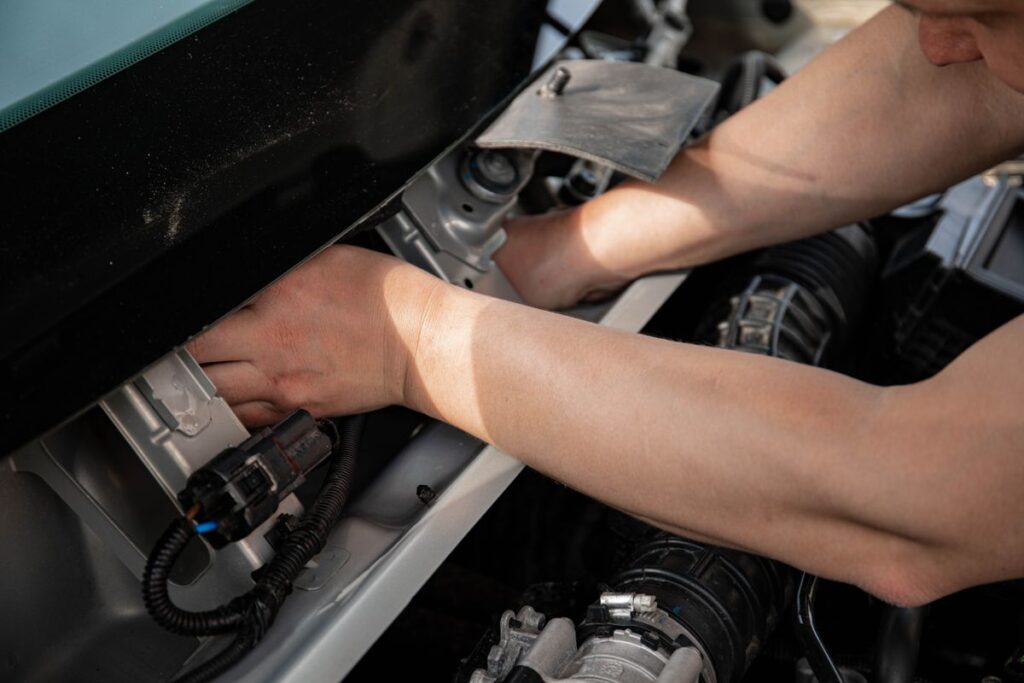
How to Tell Condensation From Coolant
You can narrow it down at home with four checks. Do them on level ground, and check the coolant only when the engine is cold.
- Pull the dipstick. Wipe it, reinsert it and pull it again. Normal oil looks amber to dark brown. Oil that looks like chocolate milk or coffee with cream is a warning sign.
- Check the coolant level cold. Note where the level sits against the MIN and MAX marks, then recheck over the next week. A steady drop with no puddle under the car is a red flag.
- See how far it extends. A thin film only on the cap and the top of the filler neck is typical of condensation. Thick sludge deep in the valve cover, on the dipstick or in the oil itself points to a bigger problem.
- Wipe, drive and recheck. Clean the cap, take a longer drive at highway speed, then look again after a few days of normal use. Condensation fades or stays small. Coolant contamination comes back and gets worse.
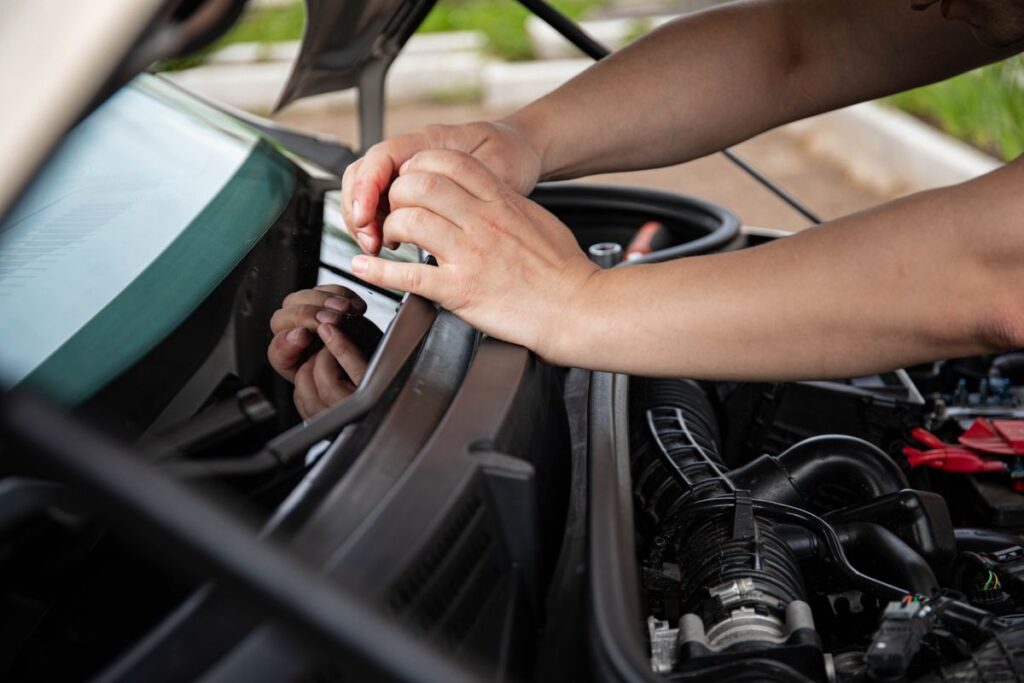
Milky Substance Under Oil Cap: Condensation vs Coolant
Treat this as a guide: a pressure test or oil analysis is what confirms a coolant leak.
| What you see | Likely cause | How urgent |
|---|---|---|
| Milky oil on the dipstick plus overheating or white smoke | Coolant leaking into the oil | High Stop driving and have it diagnosed |
| Coolant level dropping, no visible leak | Possible internal coolant leak | Soon Book a diagnosis within days |
| Residue keeps returning after long drives | Clogged or iced PCV system, or a coolant leak | Moderate Have the PCV and cooling system checked |
| Thin film on the cap only, dipstick and coolant normal | Winter condensation from short trips | Low Wipe it, drive longer and recheck |
What to Do Next
If your checks point to condensation, the fix is mostly driving habits. Give the car a longer drive at steady highway speed once a week or so, long enough for the temperature gauge to sit at normal for a good while. Check that the oil cap seals well, since a worn cap seal can let damp air in.
If the oil on the dipstick itself looks milky, change the oil and filter rather than waiting for the normal interval. Short-trip winter driving often counts as severe service, which our guide on how often to change your oil in a Michigan winter explains.
A few things to avoid:
- Don’t keep driving if the temperature gauge climbs. Pull over safely and shut the engine off.
- Don’t just change the oil over and over if coolant is the cause. The leak has to be found first.
- Don’t ignore heavy sludge. It can block the oil pickup, and a red oil pressure light coming on means stop right away.
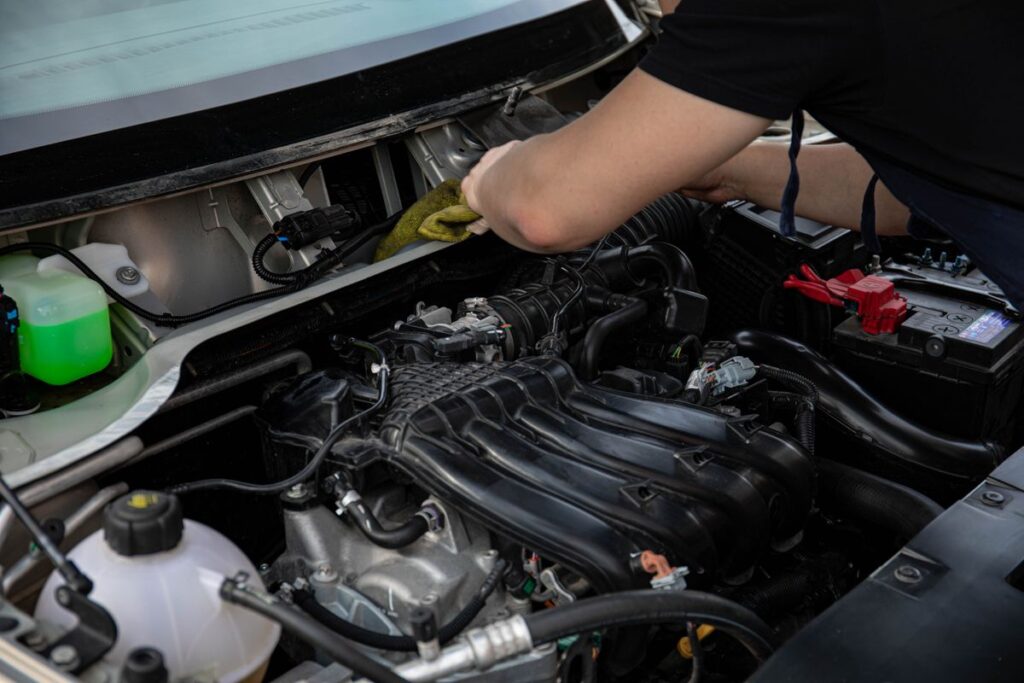
Winter Habits That Make It Worse
Grand Rapids winters bring cold mornings, damp air and lots of short drives. A quick run to the store and back may never get the oil hot enough to clear the moisture from the last trip.
Long idling in the driveway doesn’t help much, because the engine warms slowly at idle. Pressure washing the engine bay can force water in around the oil cap, so keep the spray gentle and away from seals.
Getting It Checked at Our Shop
Book an oil change at our Creston shop and mention the milky cap, and we’ll tell you what we see in the old oil and the cooling system.
If the signs point to coolant in the oil, we’ll check it and tell you what it needs before anything else is done. Hendrick Hoffman, our owner and head mechanic, is ASE and State of Michigan certified in engine repair.
Frequently Asked Questions
Is milky residue under the oil cap normal in winter?
A small amount is common in cold weather, especially on cars that make mostly short trips. If it stays on the cap, the dipstick looks normal and the coolant level holds steady, it is almost always condensation.
Can I keep driving with a milky oil cap?
If it is only condensation, yes, and a longer drive helps clear it. If the dipstick is milky, the coolant keeps dropping or the engine overheats, stop driving and have it checked.
Will an oil change fix a milky oil cap?
An oil change clears moisture-heavy oil, and longer drives keep condensation from coming back. If coolant is leaking into the oil, a new oil change only hides the problem until the leak is found and repaired.
Can a bad PCV valve cause milky oil under the cap?
Yes. The PCV system carries moisture out of the engine, so a clogged or frozen valve or hose lets water build up. Residue that returns even after long drives is a reason to have the PCV parts checked.
Need an oil change or a milky oil cap checked in Grand Rapids? Call 456 AutoFix at 616-279-3832, Monday to Friday 8am to 5pm, or book through our contact page.
Can’t make it during the day? Use our after-hours drop-off. We’re at 456 Carrier St NE in Creston.