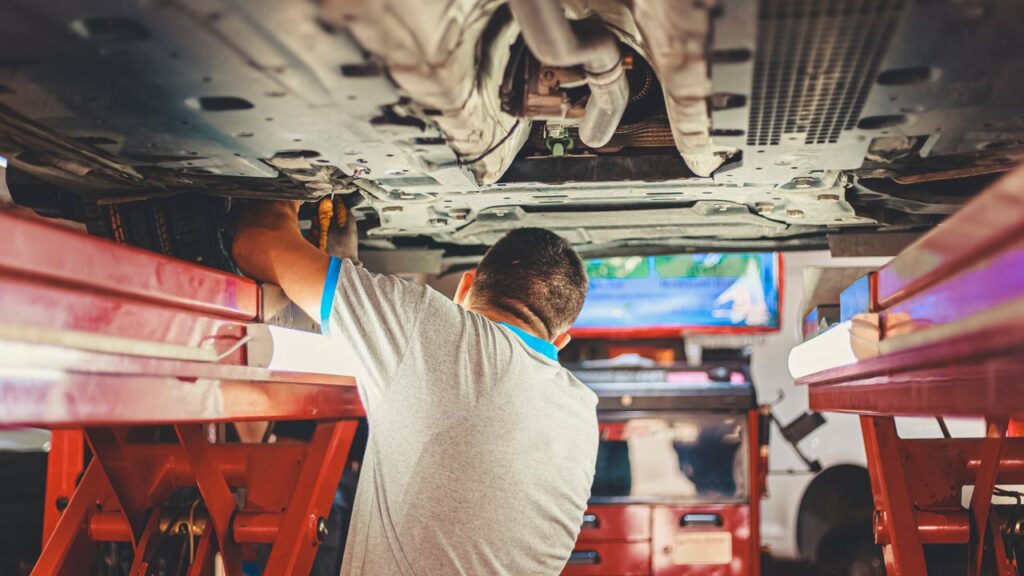
A seller can tell you a used car “runs great,” and it might. But a quick drive around the block won’t show you rusted brake lines, a cleared check engine code or a slow coolant leak. That is the gap a pre-purchase inspection fills.
Here is what a mechanic actually checks, system by system, plus what an inspection can’t promise and how to use the report when you talk price.
Quick answer
What does a pre-purchase inspection include?
A pre-purchase inspection is a mechanic’s check of a used car before you buy it. It typically includes a test drive and cold start, an underbody and rust check, brakes, suspension, steering, tires, engine and cooling system, a computer scan for stored and pending codes, body damage signs and a VIN and recall check.

What a Pre-Purchase Inspection Includes, Area by Area
Checklists vary by shop, but a thorough inspection covers the same ground. Here is each area and the red flags that should make you slow down.
| Area | What’s checked | Red flags |
|---|---|---|
| Test drive | Cold start, idle, braking, steering, noises | Rough start, pulling, clunks, warning lights |
| Underbody and frame | Frame rails, rockers, brake and fuel lines | Heavy scaling, holes, fresh undercoating on an old car |
| Brakes | Pads, rotors, calipers, lines, fluid | Grinding, pulsing pedal, corroded lines |
| Suspension and steering | Ball joints, tie rods, bushings, shocks, wheel bearings | Play in the wheel, leaking struts |
| Tires | Tread depth, wear pattern, age | Uneven wear, cracking |
| Engine | Leaks, noises, belts, fluid condition | Milky oil, rattle at start-up, smoke |
| Transmission feel | Shift quality on the road test | Slipping, harsh engagement |
| Cooling and climate | Coolant, hoses, radiator, heater, A/C | Overheating, weak heat |
| Electrical and codes | Battery, lights, computer scan | Stored or pending codes, monitors not ready |
| Body and paperwork | Panel gaps, paint, flood signs, VIN, recalls | Overspray, musty smell, VIN mismatch |
The Test Drive and Cold Start
The most useful start is a cold one. An engine that has sat overnight shows problems a warm engine can hide, like a timing chain rattle, a slow crank or smoke that clears after a minute. If you can, ask the seller not to run the car before the inspection.
On the road, we check whether the car tracks straight, how the brakes feel and whether anything clunks over bumps. Some vibrations only show up at highway speed.

Underbody, Frame and Michigan Rust
In West Michigan, the underbody is often where a used car’s real story is. Months of road salt and slush eat at frame rails, rocker panels, exhaust hangers and steel brake and fuel lines. Surface rust is normal, but scaling, flaking metal and holes are not.
Brake lines can look fine from a distance and still be close to leaking. Our guide to road salt and brake line rust in Michigan explains what corroded lines look like. Fresh undercoating on an older car can hide damage, so it gets a closer look.
Brakes, Suspension, Steering and Tires
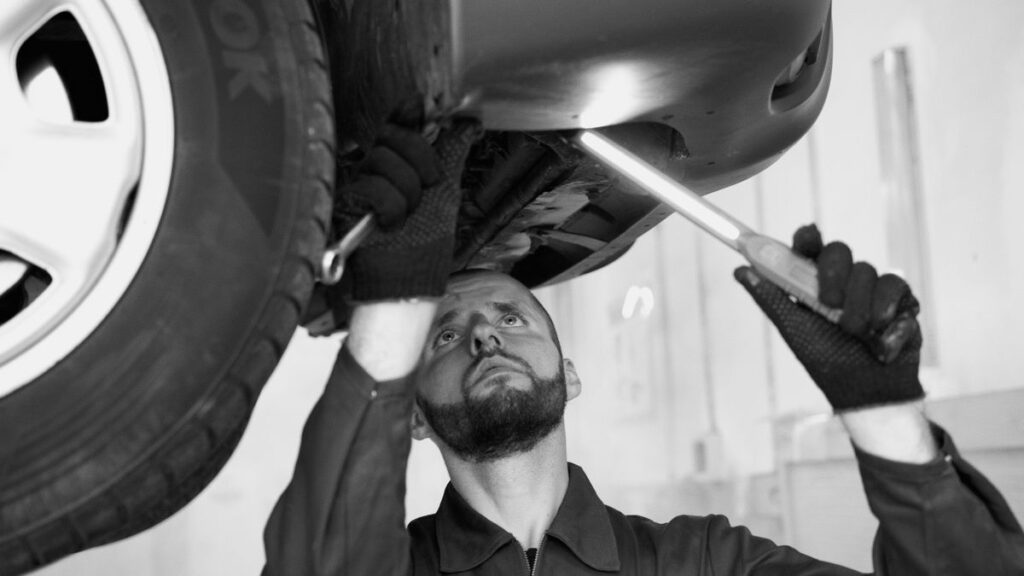
On a lift, a mechanic can measure pads, check rotors and look for sticking or leaking calipers. It helps to know whether the brakes have a year left or a month.
Grand Rapids potholes are hard on front ends. Worn ball joints, tie rod ends and bushings show up as play when the wheels are rocked by hand. See our page on suspension and steering repair in Grand Rapids and our list of pothole damage signs to check for. Tire wear on one edge often points to an alignment or suspension problem.
Engine, Cooling and Transmission Feel
Under the hood, the checks are about leaks, noises and fluid condition. Milky oil, burnt-smelling coolant or a fresh wet spot under the engine all mean questions for the seller.
The cooling system also feeds your heater, which matters through a Michigan winter. A weak heater or a creeping temperature gauge deserves a closer look.
The transmission is judged mainly on the road test. Slipping, a flare in revs between gears or a hard thump into drive are signs to ask more questions.
Electrical and the Computer Scan
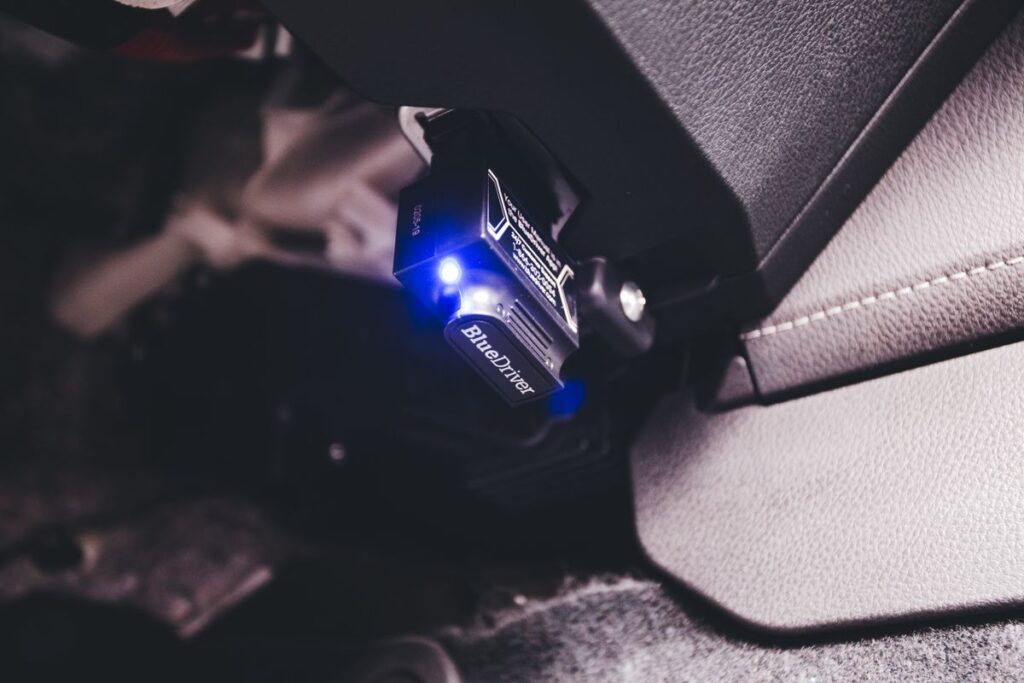
A scan tool reads codes the dashboard may not show. Stored codes are confirmed faults, while pending codes are problems the computer has seen but not yet confirmed.
The scan also shows readiness monitors, the car’s own emissions self-tests. If several read “not ready,” the codes may have been cleared recently, sometimes just before a sale. That isn’t proof of anything, but it’s a fair question to ask, and our post on a flashing check engine light explains why some codes can’t wait.
Body, Accident and Flood Signs
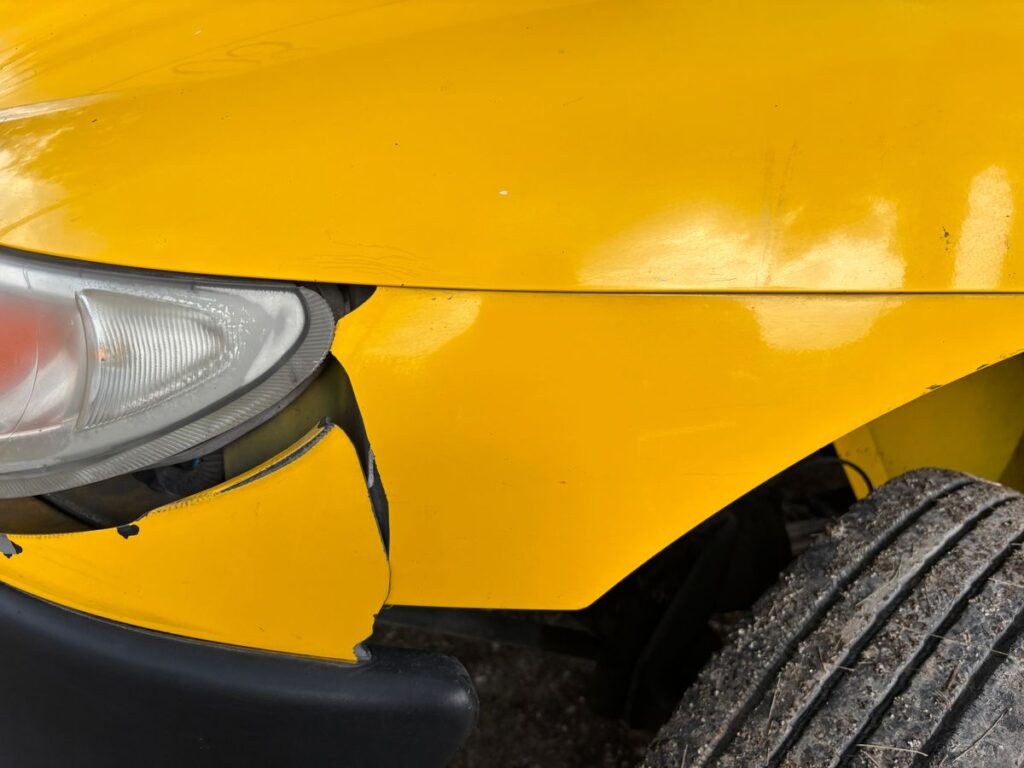
Uneven panel gaps, paint that doesn’t quite match and overspray on rubber trim all suggest accident repair. A repair isn’t a dealbreaker, but you want to know about it.
Flood damage is harder to spot. Signs include a musty smell, new carpet in an older car, silt under the seats and corroded wiring connectors.
Paperwork: VIN, Recalls and Service History
The VIN on the dashboard, the driver’s door jamb and the title should all match. You can enter the 17-character VIN in the Check To Protect VIN recall lookup to see any open safety recalls, which a dealer for that brand repairs at no charge. Regular service records are a good sign.
Title, registration and the rest of the buying process are covered in our used car buying checklist for Michigan.

What a Pre-Purchase Inspection Can’t Tell You
An inspection is a careful look at the car on one day, not a guarantee. Nothing is taken apart, so it has limits:
- It can’t see internal engine or transmission wear.
- It can’t predict exactly when a part will fail.
- It can’t catch a fault the car isn’t showing that day.
What it does is turn “seems fine” into a list of known issues you can plan for.
How to Read the Report and Negotiate
Most reports mix serious findings with normal wear. Sorting them helps you decide whether to buy, ask for a lower price or walk away.
| Finding type | Example | How urgent |
|---|---|---|
| Safety issue | Leaking brake line, rotted frame, loose ball joint | High Fix before driving, or walk away |
| Major repair risk | Overheating, slipping shifts, milky oil | Soon Get a repair estimate before deciding |
| Near-term maintenance | Thin brake pads, old coolant, worn tires | Plan Use it to negotiate the price |
| Normal wear | Light surface rust, small chips | Low Expected on most used cars |
When you negotiate, stick to facts from the report. Ask the seller to fix specific items or lower the price to cover them. If a safety item turns up and the seller won’t budge, keep looking.
At our Creston shop, we inspect foreign and domestic cars and explain what we find in plain language. You can see how our pre-purchase car inspection in Grand Rapids works, and if you’re looking at an import, our foreign car repair in Grand Rapids page covers those cars.
Frequently Asked Questions
Can a mechanic tell if check engine codes were cleared?
Often, yes. Several “not ready” readiness monitors suggest the codes were cleared recently. Some newer cars also keep permanent codes until the fault is fixed.
Does a pre-purchase inspection check for recalls?
A good inspection includes a recall check, and you can run the VIN yourself on the NHTSA recall lookup. Open safety recalls are repaired by a dealer for that brand at no charge.
Is a pre-purchase inspection worth it on a newer car?
Yes. Newer cars can still hide accident repairs, flood damage or stored codes.
What if the seller won’t allow an inspection?
Treat it as a warning sign. A seller with nothing to hide usually agrees, so consider another car.
Need a pre-purchase inspection in Grand Rapids? Call 456 AutoFix at 616-279-3832, Monday to Friday 8am to 5pm, or book through our contact page.
Can’t make it during the day? Use our after-hours drop-off. We’re at 456 Carrier St NE in Creston.