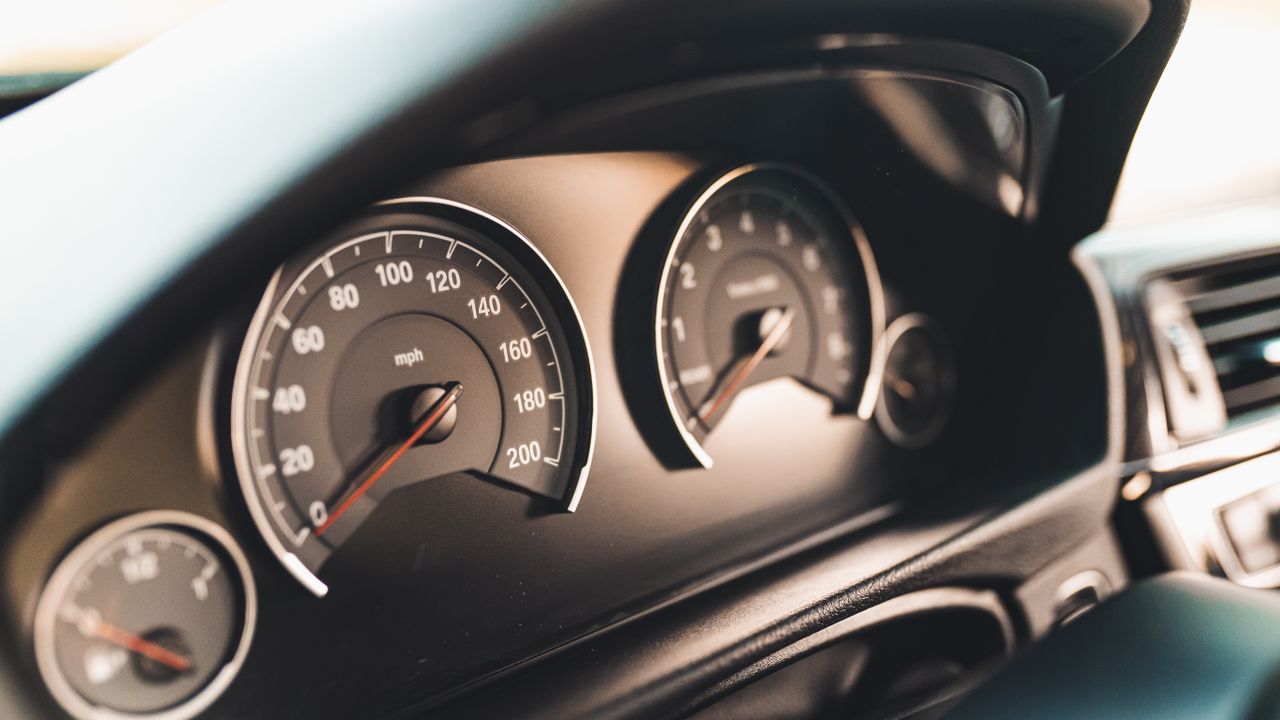
Buying a high mileage car can be a smart move or an expensive one, and the odometer alone rarely tells you which. Two cars with the same number can be in very different shape.
Here is what matters more than the number: the kind of miles, the records, the wear parts and Michigan salt.
Quick answer
Is buying a high mileage car a good idea?
It can be, if the car has a clear service history, mostly gentle miles and no serious rust. Records showing the big mileage-based maintenance was done matter more than the odometer. Have a mechanic inspect any high mileage car before you buy, because worn parts are not always visible on a quick look.

Why the Odometer Is Only Part of the Story
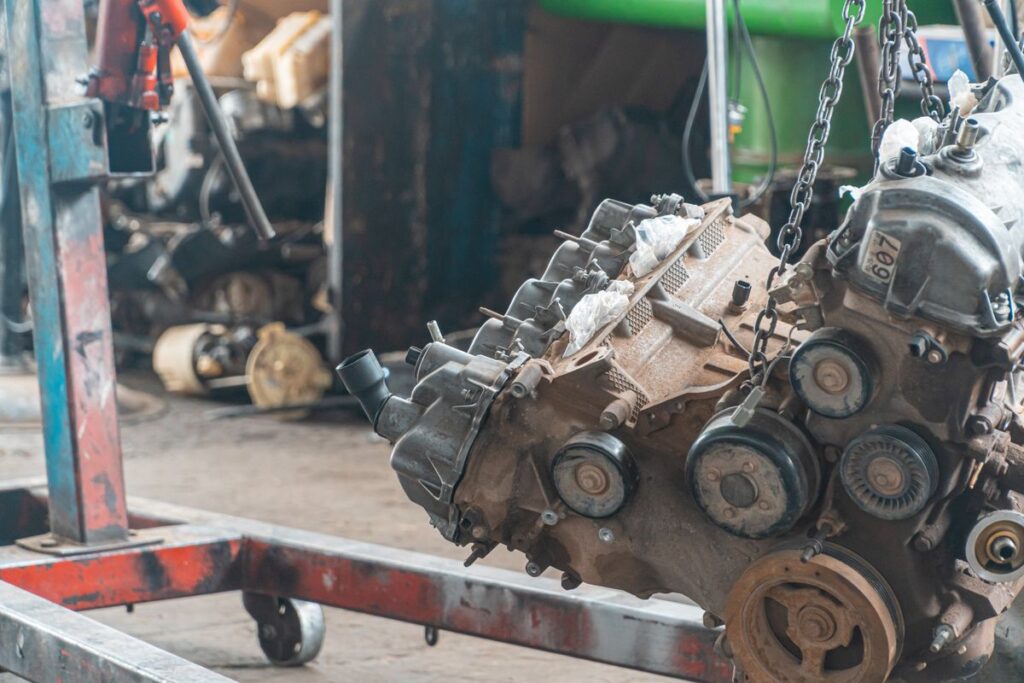
Modern engines and drivetrains are built to go much further than cars of a few decades ago. Chase’s guide to what to know about buying a high-mileage car makes the same point: the quality of a car’s miles and its maintenance history can matter more than the mileage number alone.
So when you are buying a car with high mileage, ask two questions before you look at the number. How were these miles put on, and what proof is there that the car was looked after?
How the Miles Were Driven Matters
Not all miles wear a car the same way. Here are the main differences to ask the seller about.
Highway Miles vs City Miles
Highway driving means steady speeds and fewer shifts. Chase notes that this gives the transmission a break, and that highway miles can be gentler on brakes and tires than stop-and-go traffic. A highway commuter can be in better shape than a lower-mileage city car.
Towing and Heavy Loads
A vehicle that regularly towed a trailer or hauled heavy loads puts more strain on its suspension, brakes and cooling system. A worn hitch is a clue.

A Car That Sat Too Long
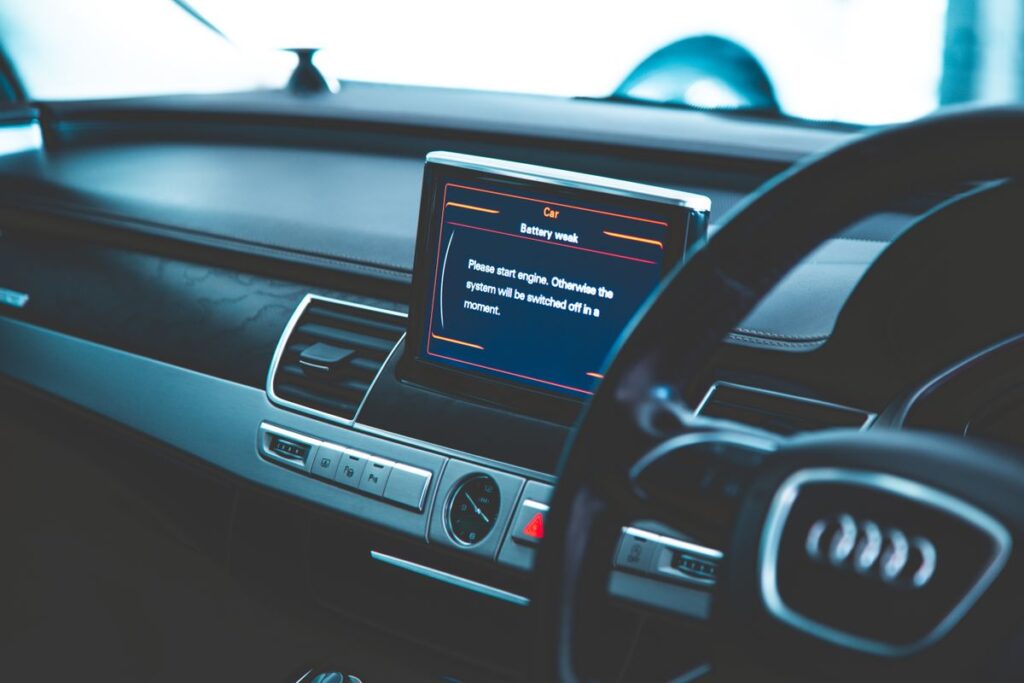
Low miles are not always good news. Chase points out that a car used daily can be healthier than one that sat idle for years, because regular driving keeps parts lubricated. Long storage can leave dried-out seals, a weak battery, flat-spotted tires and rusted brake parts.
Service Records Come First
When buying a high mileage car, a folder of receipts is worth more than a clean interior. The records tell you whether the expensive mileage-based jobs were already done, or whether they are waiting for the next owner.
Compare the records to the maintenance schedule in the owner’s manual. Intervals vary by make, but by around 100,000 miles many cars are typically due for these items:
- Timing belt, if the engine has one. Ask for the receipt; our guide on when to replace a timing belt and why records matter explains what to look for.
- Spark plugs, which many engines need at long but fixed intervals. See how often to change spark plugs.
- Brake fluid, which absorbs moisture over time. Our guide on how often to change brake fluid covers the usual schedule.
- Coolant and other fluids, as listed in the manual.
- Regular oil changes, ideally with dates and mileage on each receipt.

Check That the Odometer Adds Up
Read the vehicle history report alongside the receipts. The mileage should rise steadily from one service, inspection or title transfer to the next. A reading that goes backward, or a long gap with no records at all, deserves a question before you go any further.
Mileage Milestones: What Should Already Be Done
Use this table as a rough guide when you compare a car’s records to its mileage. Always check the owner’s manual for that exact model.
| Mileage | What should already be done | What to check | Risk if there are no records |
|---|---|---|---|
| Around 60,000 to 90,000 | Regular oil changes, first brake fluid change, first brake pads on many cars | Oil change history, brake condition, fluid condition | Moderate Budget for catch-up maintenance |
| Around 100,000 | Timing belt if equipped, spark plugs, coolant, per the manual | Timing belt receipt, signs of leaks, how the engine idles | High Treat a missing belt record as not done |
| Around 120,000 to 150,000 | Second round of fluids, often struts, shocks and suspension parts | Bushings, ball joints, wheel bearings, mounts, exhaust | Soon Expect wear parts to need work |
| Past 150,000 | Everything above, sometimes more than once | Overall condition, rust, leaks and records | High Only buy with an inspection |
What Wears Out With Miles
Some parts simply wear with distance, no matter how well a car was treated. When buying a high mileage car, expect a mechanic to look closely at:
- Suspension bushings and joints: rubber bushings crack and ball joints and tie rod ends develop play.
- Struts and shocks: worn dampers make the car bounce and float. Our guide on how to tell if struts are bad lists the signs.
- Wheel bearings: a hum that changes with speed is the usual clue.
- Brakes: pads, rotors and the hardware around them.
- Exhaust: pipes, hangers and mufflers corrode over time.
- Engine and transmission mounts: worn mounts cause a clunk when shifting or a vibration at idle.

SlashGear’s guide to things to look for when buying a high-mileage car also recommends checking the fluids for discoloration and debris, and squeezing the radiator hoses for cracks and dry rot.
If the engine shows signs of age, our post on whether high mileage oil is worth it covers oil choice for older engines.
Michigan Salt Matters as Much as Miles
A car that spent ten winters on salted Grand Rapids roads can be in worse shape underneath than a car with more miles from a dry climate. Salt eats at brake lines, fuel lines, subframes, rocker panels and suspension parts, and the damage hides under the car.
Ask where the car has lived, and look at the history report for clues. Corroded brake lines are a common find on older cars here, and our guide to brake line rust and when it becomes unsafe explains why it matters.

Why an Inspection Matters More When Buying a High Mileage Car
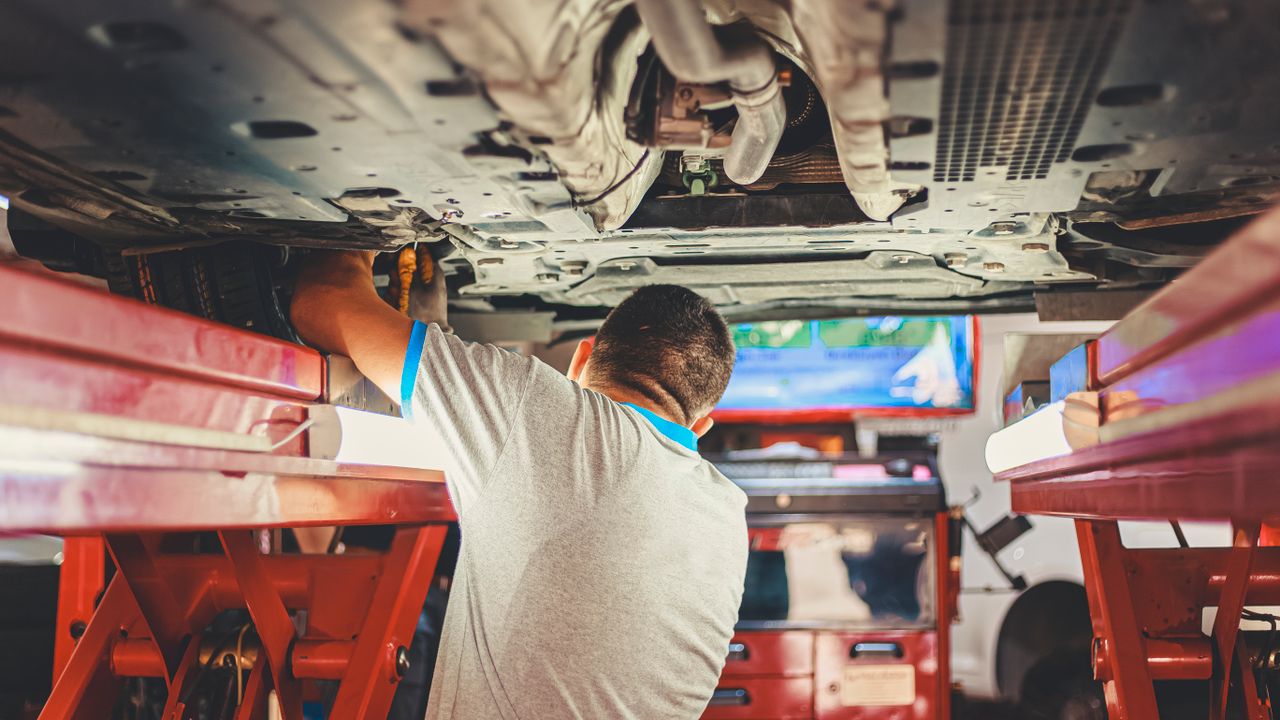
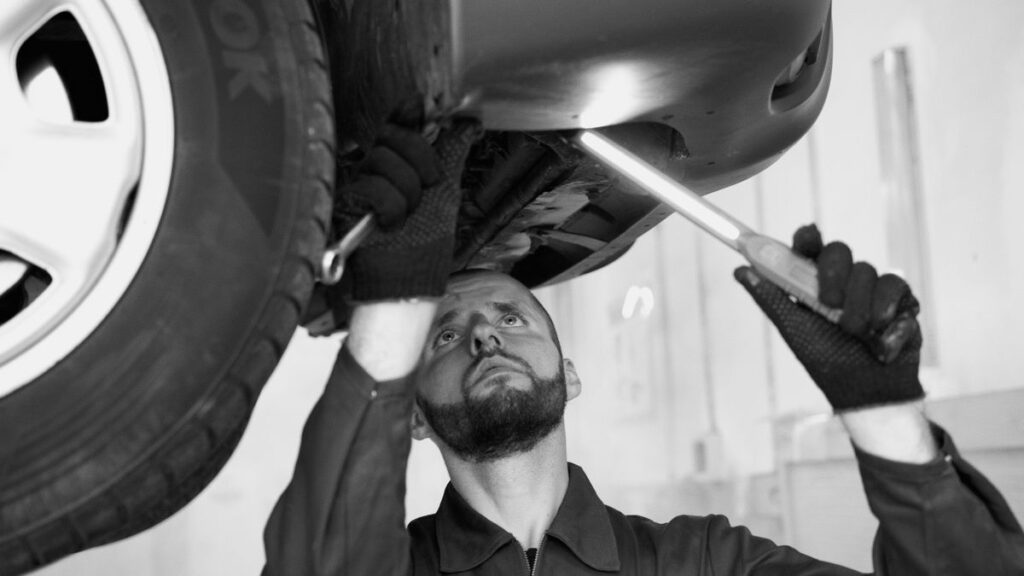
On a newer car, a quick look and a test drive catch most problems. On a high mileage car, the expensive issues are often hidden: a leaking seal, a worn joint, rust on a subframe or a belt that was never changed. A mechanic checking the car from underneath sees what you can’t from the driveway.
Our pre-purchase inspection in Grand Rapids checks the suspension, brakes, exhaust, fluids and underbody, and we check how the transmission shifts on the test drive. Hendrick Hoffman, our owner and head mechanic, is ASE and State of Michigan certified in brakes, steering and suspension, and engine repair. For what each area of the inspection covers, read what a pre-purchase inspection includes.
For the walkaround, test drive and paperwork steps that apply to any used car, use our general used car buying checklist. Shopping in the cold? See buying a used car in winter. Audi buyers can read our guide to buying a used Audi.

Frequently Asked Questions
How many miles is too many for a used car?
There is no single number. A car with high miles, full service records and little rust can be a better buy than a lower-mileage car that was neglected or sat for years. Condition and history matter more than the odometer.
Is a car with 150,000 miles worth buying?
It can be, if the records show the major maintenance was done, the underbody is not badly rusted and an inspection finds no serious problems. Without records or an inspection, a car at that mileage is a gamble.
Are highway miles better than city miles?
Generally, yes. Highway driving means steady speeds, fewer shifts and less braking, which is easier on the transmission, brakes and tires than stop-and-go city traffic.
Need a pre-purchase inspection in Grand Rapids? Call 456 AutoFix at 616-279-3832, Monday to Friday 8am to 5pm, or book through our contact page.
Can’t make it during the day? Use our after-hours drop-off. We’re at 456 Carrier St NE in Creston.