
How long can you go without an oil change? It usually comes up when the dash reminder has been on for weeks. The honest answer depends on how far past due you are, what shape the engine is in and how you drive.
Here is what old oil does and what to do if you are overdue.
Quick answer
How long can you go without an oil change?
A short delay past your manual’s interval or the oil life monitor is usually low risk for a healthy engine. The risk climbs once the oil’s additives are used up: oil thickens, varnish and sludge build, and small oil passages can clog. If you are well past due, check the level and book a change soon.
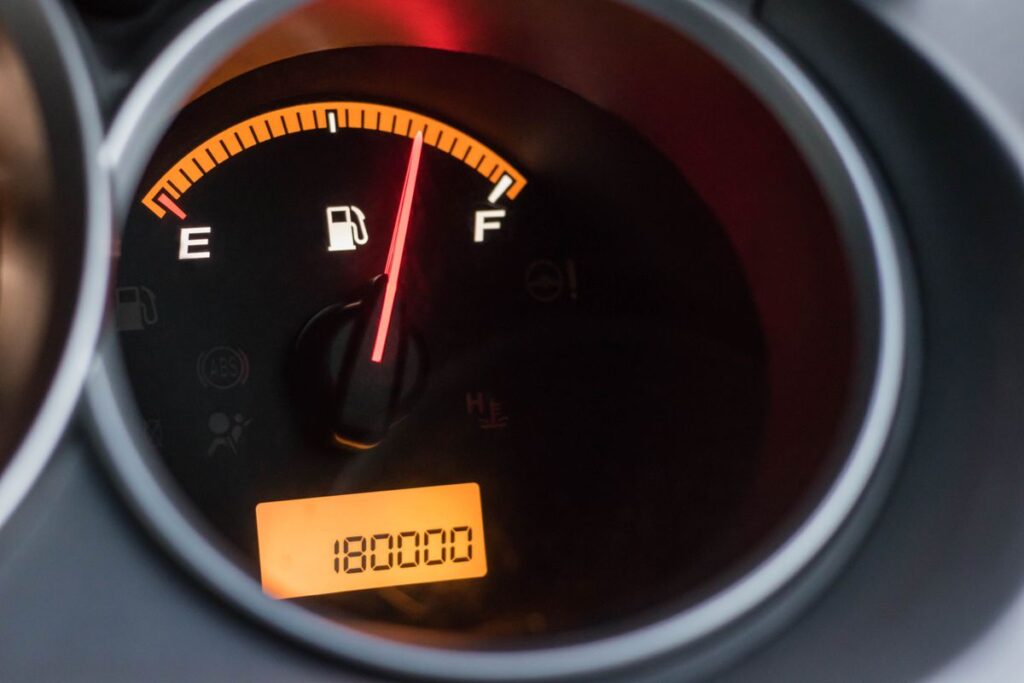
Start With Your Own Interval
“Overdue” only means something next to your car’s own schedule. Your owner’s manual lists a mileage and a time limit, and many newer cars use an oil life monitor instead. Our guide on how often to change oil in a Michigan winter explains how to read both, including when short trips put you on the severe schedule.
This post covers what happens once you have missed it.
What Happens to Oil the Longer You Wait
Oil wears out in stages, and the later stages move faster.
The Additives Get Used Up
Fresh oil carries additives that slow its own breakdown and keep dirt suspended. The oil analysis lab OELCHECK explains in its entry on oil oxidation that heat and oxygen break oil down into acids and insoluble material. Antioxidant additives hold that back, but once they are used up, the lab says, the aging process accelerates almost unchecked.
That is why a little overdue and a lot overdue are so different. The first stretch past due uses spare capacity; after that, nothing slows the aging.

Acids, Fuel and Water Build Up
Every engine lets a little combustion gas, unburned fuel and moisture slip into the crankcase. Fresh oil neutralizes the acids and carries the moisture until it boils off on a longer drive. Old oil does both poorly. Winter condensation is one visible sign, covered in our post on a milky substance under the oil cap.
The Oil Thickens and Leaves Varnish
As oxidation goes on, the oil gets thicker and darker. OELCHECK notes that the acids and insoluble material it forms often cause varnish-like resin and sludge-like deposits. Thicker oil is also slower to reach the top of the engine on a cold start.
Sludge Blocks Oil Passages
Sludge settles where oil moves slowly, such as the oil pan and under the valve cover. The real danger is the oil pickup screen and the small drillings that feed bearings, cam parts and turbochargers. When those narrow down, parts get less oil than they need, and that is where wear turns into damage.

How Long Can You Go Without an Oil Change Before It Hurts the Engine?
No single number fits every engine, but this table shows how the risk generally grows with the delay.
| How far overdue | Likely effect | How urgent |
|---|---|---|
| Slightly past the reminder, level full | Additives still mostly working, little or no harm on a healthy engine | Low Book a change in the next few weeks |
| Low miles but past the time limit in the manual | Moisture and fuel from short trips have built up even without much driving | Moderate Change it soon, even though the miles look low |
| Well past the reminder, oil dark and level dropping | Additives running out, oil thickening, deposits starting to form | Soon Top up with the correct oil and change it right away |
| Many thousands of miles or years without a change | Varnish and sludge likely, with a risk of clogged passages and bearing wear | Soon Change it and have the engine checked |
| Oil pressure light on or no oil on the dipstick | Parts may not be getting enough oil | High Stop driving and shut the engine off |
Turbocharged engines and cars that work hard, such as stop-and-go driving or towing, sit toward the higher-risk end of every row.
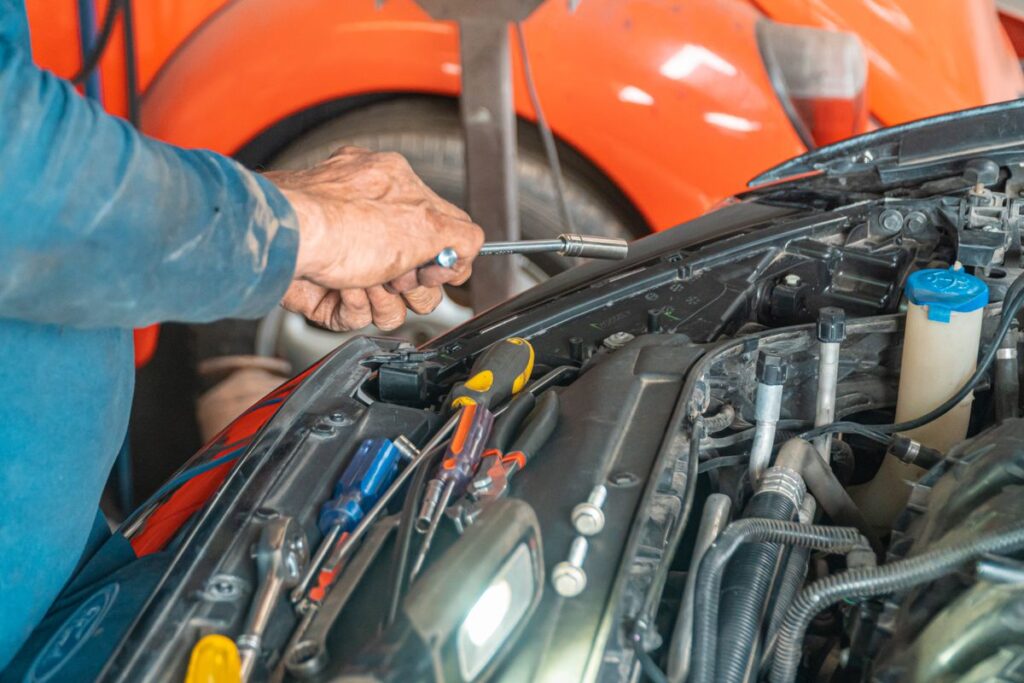
What a Neglected Engine Looks Like Inside
Motor1 covered a video teardown that shows the far end of that table: an engine taken apart after years without oil changes. The turbocharged four-cylinder came from a pickup with 104,000 miles. Its vehicle history report showed no oil changes logged for the previous 50,000 miles.
The timing chain cover was coated in varnish, and there was sludge under the valve cover. A thick layer of sludge sat in the oil pan, with more varnish on the block, oil pump, camshafts and crankshaft. One rod bearing had spun and fused itself to the crankshaft.
The host suspected someone had poured an oil flush additive into the engine to clean it. In his view, that loosened the sludge, which then clogged several small oil passages and starved the bearing. A neglected engine needs a careful look, not a quick chemical fix.
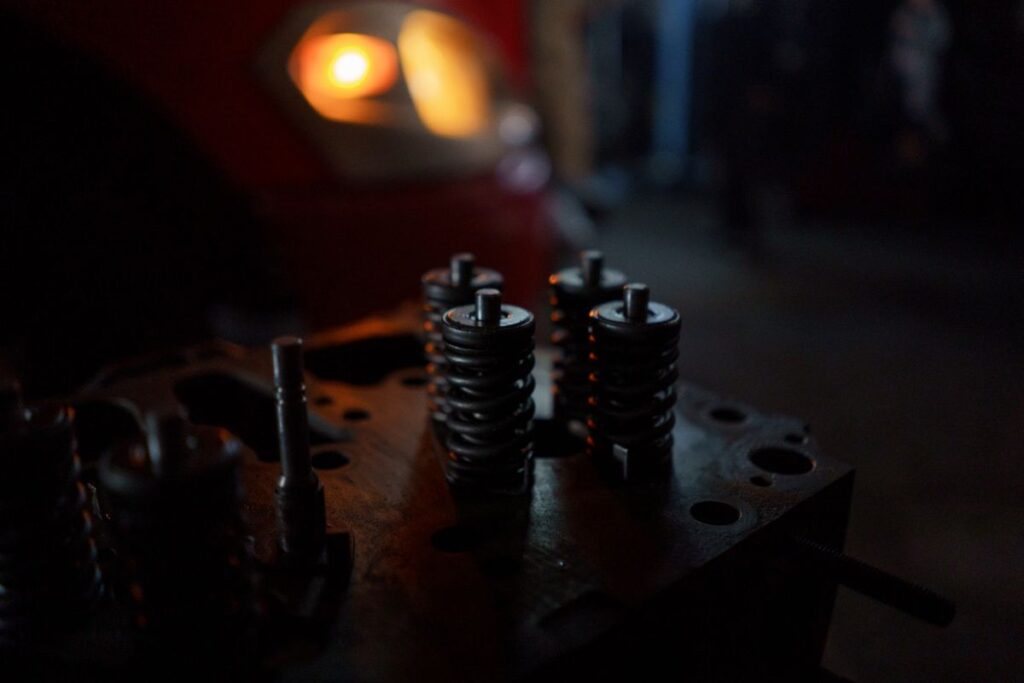
Signs You Have Waited Too Long
Check the dipstick on level ground with the engine off. These signs say the oil is past its useful life:
- Oil that is very dark, thick or gritty between your fingers
- A level near or below the minimum mark
- More ticking or tapping from the top of the engine right after a cold start
- An oil life monitor at zero or a service reminder you keep dismissing
A red oil pressure warning is different: it means stop now. Our guide on what to do when the oil pressure light comes on walks through it.
Overdue Right Now? What to Do
- Check the level first. Low oil is a bigger problem than old oil. If it is low, top up with the grade your manual lists.
- Book the change soon. Topping up restores the level but not the worn-out additives.
- Drive gently until then. Skip towing and hard acceleration.
- Skip the flush products. In a heavily neglected engine, loosened sludge can end up where it does the most harm.
- Use the right oil. If you are unsure what your engine needs, see synthetic vs conventional oil and which your car needs.
- Keep the receipt. Our post on how to avoid voiding your Audi warranty explains why paperwork matters.
Just bought a car with no service history? Treat it as overdue and change the oil right away. See our guide to buying a high mileage car.

Why West Michigan Drivers Miss the Time Limit
Many drivers here put fewer miles on in winter, yet short trips in freezing weather and frequent cold starts leave moisture and fuel in the oil that never fully cooks off. The calendar runs out before the miles do.
If your car sat through a long winter on old oil, change it before summer heat and road trips. An oil change at our Creston shop covers foreign and domestic vehicles, and we check the level, look for leaks and reset the reminder.
Frequently Asked Questions
Is it OK to be 1,000 miles overdue for an oil change?
For a healthy engine with a full oil level, one change that is a little late is rarely a disaster. Check the level and book the change soon. Turbocharged engines and hard driving leave less margin.
What happens if you never change your oil?
The additives run out, the oil oxidizes and thickens, and varnish and sludge build up inside the engine. Sludge can then block oil passages and starve bearings.
Will one oil change fix an engine that went too long?
Fresh oil stops things getting worse, but it will not remove heavy sludge or undo wear. After a very long gap, have the engine checked.
Can you just add oil instead of changing it?
Adding oil fixes a low level, which matters, but the old oil and its worn-out additives are still there. Top up to get by, then change the oil and filter soon.
Need an oil change in Grand Rapids? Call 456 AutoFix at 616-279-3832, Monday to Friday 8am to 5pm, or book through our contact page.
Can’t make it during the day? Use our after-hours drop-off. We’re at 456 Carrier St NE in Creston.