
As an Amazon Associate, 456 AutoFix earns from qualifying purchases. Product links below go to Amazon, where you can confirm the right part for your vehicle.
Walk down the diesel aisle and every bottle seems to promise more power, cleaner injectors and easy winter starts. The best diesel additive for your truck depends on which problem you are trying to solve, because anti-gels, lubricity formulas and cetane boosters do different jobs.
Below, we sort out those jobs, then review six treatments. If you mostly drive a gas vehicle, our guide to the best fuel system cleaner is the better starting point.
Quick answer
Which diesel additive should you use?
For a Michigan winter, use an anti-gel with added lubricity, such as Power Service Diesel Fuel Supplement +Cetane Boost or Howes Diesel Treat. For warmer months, an every-fill treatment like Hot Shot’s Secret EDT adds cetane and cleaning. If wear protection is your main worry, a dedicated lubricity formula such as Stanadyne’s fits.
Our Quick Picks
Three bottles that cover the main jobs: a winter anti-gel with cetane, an every-fill cleaner, and a lubricity formula for pump and injector wear. All six treatments are reviewed below.

Power Service +Cetane Boost
A familiar white-bottle anti-gel that also adds cetane and lubricity.

Hot Shot's Secret EDT
A small-dose treatment built for regular use rather than winter rescue.
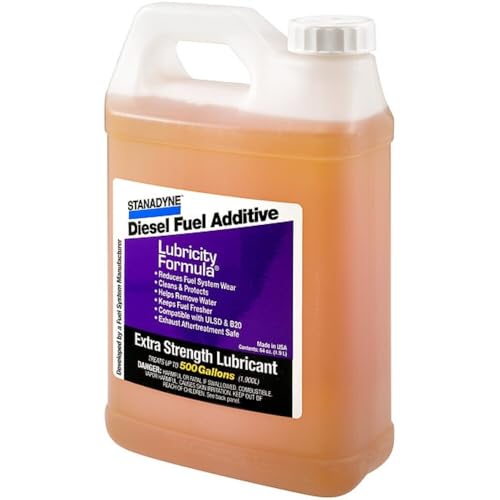
Stanadyne Lubricity Formula
A single-purpose formula for owners worried about pump and injector wear.
What Is an Additive for Diesel Fuel?
A diesel additive is a concentrated treatment you pour into the tank at a fill-up so it mixes with the fuel. It changes how the fuel behaves in the cold, how well it lubricates the pump and injectors, how readily it ignites, or how clean it keeps the injector tips.
Much of the interest comes from changes to the fuel itself. According to the U.S. Energy Information Administration, most diesel sold for road vehicles in the United States is now ultra-low sulfur diesel, with a maximum of 15 parts per million of sulfur. The refining that removes sulfur also strips out some of the fuel’s natural lubricating compounds, which is why lubricity comes up so often in diesel circles.
Four Jobs a Diesel Additive and Cleaner Can Do
Most bottles mix these four jobs, and few do all of them equally well, so decide which matter for your truck and season.
- Anti-gel: diesel contains paraffin wax that starts to form crystals as it gets cold. Wax crystal modifiers keep those crystals small enough to pass through the fuel filter.
- Lubricity: extra lubricating compounds help protect the high-pressure pump and injectors, which are cooled and lubricated by the fuel itself.
- Cetane: cetane describes how easily diesel ignites under compression. A higher number can mean quicker cold starts and smoother running.
- Cleaning and water control: detergents target injector deposits, while demulsifiers help water drop out of the fuel so the water separator can catch it.
A diesel additive and cleaner leans on detergents and cetane, while a winter product leans on wax control. The best diesel additive for you is the one whose label matches the job you need.
Best Diesel Additive Picks: Six Bottles Up Close
The six treatments below cover winter anti-gels, every-fill cleaners and lubricity formulas. All claims are as each maker lists them, so follow the dose on the bottle and your owner’s manual.
1. Power Service Diesel Fuel Supplement +Cetane Boost: 12 oz Anti-Gel with Lubricator
- Wax crystal modifier to prevent gelling
- Guards against fuel-filter icing
- Cetane boost for smoother cold starts
- Slickdiesel lubricator for pumps and injectors
Power Service Diesel Fuel Supplement +Cetane Boost is the white bottle many diesel owners reach for when the forecast turns cold. Its main job is preventing gelling: the listing says it contains a wax crystal modifier that keeps fuel flowing to the engine in extreme cold. It also targets fuel-filter icing, where water in the fuel freezes on the filter facings and cuts flow.
The formula does more than cold flow. Power Service lists a cetane boost to improve combustion, with smoother running and quicker cold starts, plus its Slickdiesel lubricator to help protect fuel pumps and injectors from wear. The listing also states it is endorsed by Cummins for use in diesel engines and safe for use in all diesel engines.
The 12 ounce size is handy for a pickup owner who wants a bottle behind the seat for a cold snap or a single fill-up, while larger jugs suit fleets and farms. Because it is a winter product first, it makes most sense from late fall until temperatures stay above freezing. It is designed to prevent gelling rather than reverse it, so add it before the fuel gets cold, not after the truck has already stalled with a waxed filter.
View Power Service +Cetane Boost on Amazon
2. Howes Diesel Treat: 32 oz Anti-Gel and Diesel Fuel Lubricator

- Anti-gel for cold-weather operation
- Added lubricity for ULSD fuel
- Detergent package against injector deposits
- Demulsifies water with no alcohol
Howes Diesel Treat is a long-running anti-gel and fuel conditioner made by a family business. The 32 ounce bottle is a convenient size for a pickup owner who treats several tanks over a winter. The listing describes it as preventing gelling in even the coldest weather, which is the main reason most buyers pick it up in the fall.
Like most modern winter treatments, it also adds lubricity. Howes says it helps protect injectors, pumps and upper cylinders when running ultra-low sulfur diesel, and it includes a detergent package meant to prevent injector deposits. The way it handles water is a key difference. Rather than emulsifying water into the fuel, the Howes Diesel Treat product page says the petroleum-based formula demulsifies it, pushing water out of the fuel without alcohol or harsh solvents.
That approach suits trucks with a water separator, since the separated water collects where it can be drained. The maker also lists it as effective in biodiesel blends and home heating oil, which helps on farms and in shops that run several kinds of diesel equipment. Remember to drain the separator as your manual directs, because a demulsifier only moves water to where it can be removed. Most owners keep it for the winter months.
View Howes Diesel Treat on Amazon

3. Hot Shot’s Secret Everyday Diesel Treatment: 16 oz Cetane Boost and Injector Cleaner
- Raises cetane by up to 7 points (as listed)
- Cleans internal and external injector deposits
- Adds lubricity and fights rust and corrosion
- 1 or 2 oz per 25 gallons, treats 400 gallons
Hot Shot’s Secret Everyday Diesel Treatment, usually shortened to EDT, is built to go in at every fill-up. The dose is small: the listing calls for 1 ounce per 25 gallons, or 2 ounces when you want more cetane and lubricity. That means the 16 ounce bottle treats up to 400 gallons, which lasts a daily driver a good while.
The maker lists a cetane increase of up to 7 points, aimed at better combustion and fuel economy. EDT is also a diesel additive and cleaner in one, with detergents for both internal and external injector deposits. On top of that, it adds lubricity to help protect the pump and injectors, demulsifies moisture, helps stabilize fuel against oxidation and protects the fuel system from rust and corrosion.
Because it is meant for everyday use, it suits owners who want one routine bottle through spring, summer and fall, especially trucks that tow or work hard. It is not sold as a winter anti-gel, so most owners in cold climates pair it with a dedicated anti-gel during the coldest months. Like any additive, it supports a healthy fuel system and does not replace a fuel filter change or a failing injector.
View Hot Shot's Secret EDT on Amazon
4. Stanadyne 38561 Lubricity Formula: 64 oz Diesel Lubricity Additive
- Approved by original equipment makers (as listed)
- Five times the lubricating content of other Stanadyne additives
- Recommended where excessive wear is a concern
- Demulsifies water for the filter and separator
Stanadyne is a long-established maker of diesel fuel injection pumps and filtration parts, so it is no surprise that its Lubricity Formula focuses on protecting fuel system hardware. Part number 38561 comes in a 64 ounce jug, a sensible size for a truck owner who treats every tank or keeps more than one diesel.
The listing states that the formula has five times more lubricating content than other Stanadyne additives and that it is recommended when excessive wear is a problem. It also says the product is approved by original equipment manufacturers. Like several of the treatments in this guide, it demulsifies water, which helps the filter and water separator do their job instead of letting water stay mixed into the fuel.
This is the bottle for owners whose main concern is the high-pressure pump and injectors, a frequent worry with modern common rail engines running ultra-low sulfur diesel. It is a narrower product than an all-in-one: the listing does not claim anti-gel or cetane boost, so winter users should add a separate anti-gel when temperatures drop. Lubricity additives support wear protection but cannot repair a pump that is already damaged, so unusual noises or hard starts still call for a proper diagnosis before you buy more product.
View Stanadyne Lubricity Formula on Amazon

5. Opti-Lube Summer+ Cetane Booster: 1 Quart Diesel Additive, Treats 640 Gallons

- Adds lubricity to ultra-low sulfur diesel
- Cetane booster for efficient combustion
- Injector cleaning and rust prevention
- Separates water and extends fuel storage life
Opti-Lube Summer+ is a concentrated, multi-purpose treatment designed for warm weather. One quart treats up to 640 gallons, according to the listing, so a single bottle can cover a long run of summer fill-ups or a few tanks of stored fuel.
The listing describes four main benefits. It increases the lubricity of ultra-low sulfur diesel to reduce wear on the fuel pump and injectors, and it acts as a cetane booster to support efficient combustion and fuel mileage. It also includes injector cleaning to remove residue and limit future buildup, and it helps prevent rust and corrosion. The maker adds that it helps separate water from diesel and more than doubles the storage life of standard diesel fuel.
That storage claim makes it useful for equipment, generators and trucks that sit through part of the summer. The summer formula is also aimed at reducing thermal breakdown of fuel in hot conditions. Treat it as a spring-to-fall product and switch to an anti-gel before the first hard freeze, since nothing on the listing says it prevents gelling. As always, dose to your tank size and keep up with filter changes.
View Opti-Lube Summer+ on Amazon
6. Motorcraft PM-23-A: 20 oz ULSD Anti-Gel and Performance Improver
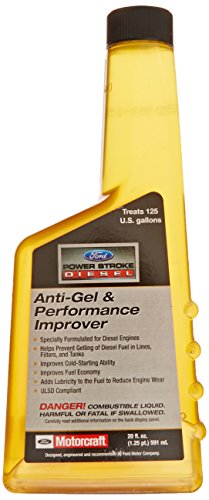
- Ford genuine fluid, ULSD compliant
- Helps prevent gelling in lines, filters and tanks
- Improves starting in cold weather
- Smoother operation and better fuel economy (as listed)
Motorcraft PM-23-A is sold as a Ford genuine fluid, which appeals to owners who prefer to stay with factory-brand products. The 20 ounce bottle is listed as an anti-gel and performance improver that is compliant with ultra-low sulfur diesel. Ford describes it as specially formulated for diesel engines to combat the effects of poor-quality diesel fuel.
Its winter role is clear from the listing. It helps prevent diesel fuel from gelling in lines, filters and tanks, and it is meant to improve starting ability in cold weather. The maker also lists smoother engine operation and improved fuel economy among the benefits. Compared with some of the other bottles here, the listing gives fewer details about lubricity, detergents or water handling, so read the label for the dose and any specific instructions before you use it.
This bottle makes the most sense for Ford diesel owners who want a factory-branded anti-gel on the shelf for winter, though nothing on the listing limits it to Ford engines. If you drive a newer truck under warranty, the owner’s manual will tell you whether Ford recommends an additive for your engine and in what situations. Owners of other makes will usually find the Power Service or Howes bottles easier to find, and both list more detail about what they do.
View Motorcraft PM-23-A on Amazon
Matching the Bottle to the Season
The best diesel additive for summer is rarely the right bottle for January, so many owners keep two on the shelf. The table shows how the picks line up.
| Main job | When it helps most | Picks in this guide | Watch for |
|---|---|---|---|
| Anti-gel plus lubricity | Late fall through early spring | Power Service +Cetane Boost, Howes Diesel Treat, Motorcraft PM-23-A | Add before fuel gels, not after |
| Every-fill cetane and cleaning | Year round, daily drivers and towing | Hot Shot’s Secret EDT | Dose to the tank size, every fill |
| Lubricity focus | Year round, pump and injector wear concerns | Stanadyne Lubricity Formula | No anti-gel claim on the listing |
| Warm-weather cetane | Summer driving and stored fuel | Opti-Lube Summer+ | Summer formula, not for gelling |
If your truck sits for weeks at a time, stability matters too. Our guide to the best fuel stabilizer covers stored fuel; choose a product the maker lists as safe for diesel.
How to Use Diesel Additive the Right Way

Even the best diesel additive only works at the right dose, which every bottle prints as ounces per gallons treated. This routine suits most pickups and diesel cars:
- Know your tank size: check the owner’s manual so you can measure the dose for a full tank.
- Pour first, then fuel: adding the treatment before the pump runs lets the incoming diesel mix it through the tank.
- Stay with the label rate: more is not better, and some products give a separate rate for extreme cold or a first treatment.
- Keep it consistent: an anti-gel only protects fuel it has been mixed into, so treat every winter fill-up, not just the first one.
In Grand Rapids, the first hard freeze often beats the winter routine. Start an anti-gel in late fall, keep the tank above a quarter full to limit condensation, and carry a spare bottle in the cab. Most anti-gels are made to prevent gelling, so once the filter has waxed up, a warm garage and a new filter are often the real fix.

Diesel cars, including European models, often carry specific additive guidance in the owner’s manual, and some makers approve only certain products. Read that section before you pour anything in.
Problems No Bottle Will Fix
An additive cannot replace a fuel filter, drain a tank full of water or repair an injector that is leaking or stuck. Smoke, misfires or lost power after a few treated tanks usually point to a mechanical cause. Our guide to fuel system cleaner for diesel trucks covers stronger cleaning products, but a lit warning lamp deserves a scan first.

A check engine light diagnostic in Grand Rapids reads the stored codes so you are not guessing with chemicals. Routine visits help too: when your diesel is in for an oil change in Creston, we can look over fluids and walk you through the maintenance schedule in your owner’s manual.
More Buying Guides
Frequently Asked Questions
What is the best diesel additive to use in winter?
Pick an anti-gel that lists a wax crystal modifier and lubricity, such as Power Service Diesel Fuel Supplement +Cetane Boost or Howes Diesel Treat. Add it before the fuel gets cold, and treat every tank until spring.
What is the best diesel additive for a car?
Start with the owner’s manual, since some diesel car makers, including several European brands, list approved products or limit additives. Where additives are allowed, a small-dose every-fill treatment or a winter anti-gel suits a car’s smaller tank.
Do I need a lubricity additive for a CP4 pump?
Many owners of trucks with Bosch CP4 pumps add a lubricity formula, because the pump is lubricated by the fuel. An additive can add lubricity to the fuel, but it is not a guarantee against pump failure, and water or debris in the fuel is still a risk.
Can you use too much diesel additive?
Yes. Overdosing wastes product and goes past the rate the maker designed the formula around. Measure for your tank size and follow the label, using the higher rate only where the maker gives one for extreme cold or a first treatment.
Rough starts and smoky mornings are easier to sort out with a proper look than with another bottle. Give 456 AutoFix a ring at 616-279-3832 any weekday from 8am to 5pm, or request a visit through our contact page.
Working when the shop is open? Our after-hours drop-off at 456 Carrier St NE, Grand Rapids, lets you leave the truck on your own schedule.