As an Amazon Associate, 456 AutoFix earns from qualifying purchases. Product links below go to Amazon, where you can confirm the right part for your vehicle.
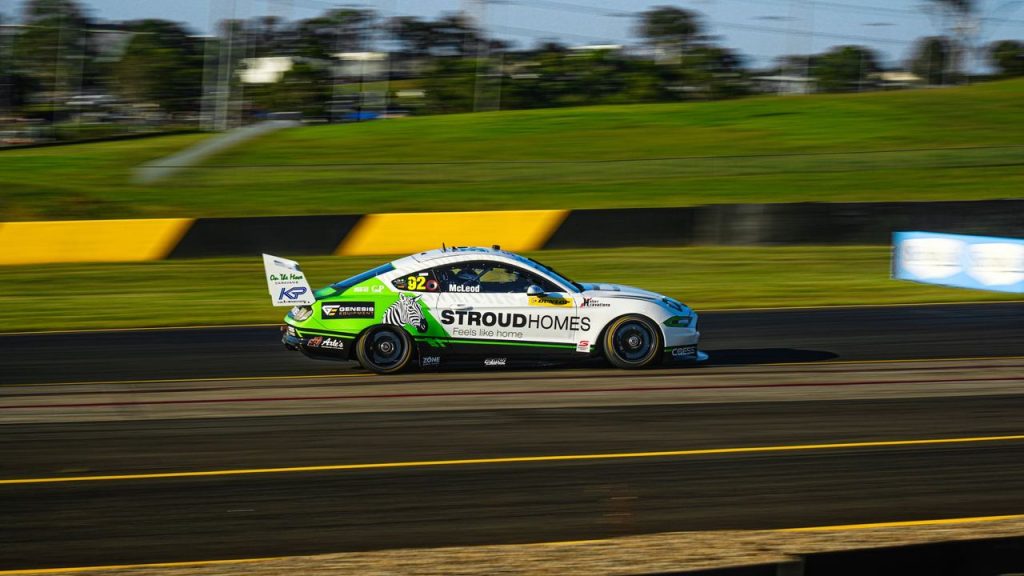
Factory pads are tuned for quiet commutes, so a few hard laps or a fast run down a twisty road can leave them smelling hot and the pedal feeling long. The best brake pads for performance driving keep their grip as temperatures climb, release cleanly and still behave on the drive home.
This guide explains how street performance, crossover and track compounds differ, then reviews five pads on one popular sports car so you can compare them fairly. If your driving never goes past the speed limit, our guide to brake pads for daily driving is the better place to start.
Quick answer
Which brake pads suit performance driving?
Match the compound to the heat you make. Hawk HPS 5.0 or Power Stop Z26 suit hard street driving, Hawk HP Plus and EBC Yellowstuff cover autocross and mixed use, and Ferodo DS2500 is the track-day choice you can still drive home on. Confirm the part for your exact car and axle.
Our Quick Picks
Three pads that cover hard street driving, track days and cleaner wheels. Links are example front sets for the BRZ, FR-S and 86, so confirm your fit on Amazon.

Hawk HPS 5.0
More bite than stock without a race-pad temper.

Ferodo DS2500
Track-pad fade resistance you can drive home on.

Power Stop Z26
A street performance pad with ceramic manners.
Street, Crossover and Track Compounds Compared
Every pad compound has a temperature window where it grips best. An everyday ceramic pad is happiest in the low range that commuting produces, so it feels smooth and quiet but can fade when repeated stops from high speed push it past that range. A performance pad moves the window higher, trading a little cold bite, extra dust or some noise for friction that holds up when the rotors glow.
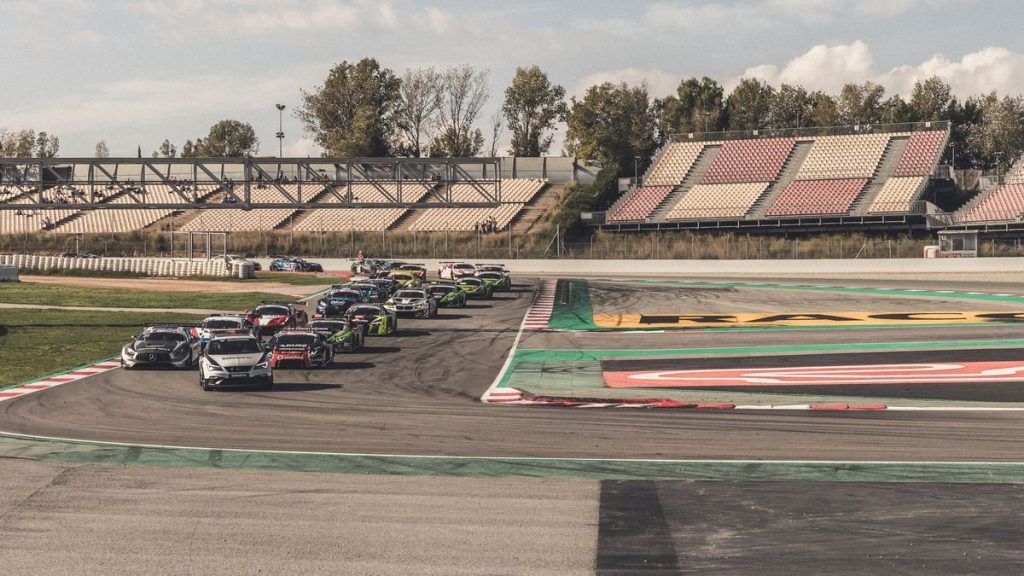
Street performance pads raise the ceiling modestly and still work from cold. Crossover pads are built for autocross and short sessions, so they run hotter and may feel less eager on the first stop of the day. Dedicated track compounds go further again and often need heat in them to bite properly, which is why many regulars keep a separate set for event weekends.
How to Match a Pad to the Way You Drive
The wrong choice usually comes from buying more pad than the driving needs. Run through these points before you order:
- Where the heat comes from: mountain roads and fast street driving, cone events, or full sessions on a road course.
- Temperature range: compare the operating and optimal ranges the maker publishes, not just the friction letter on the box.
- Cold behavior: a pad that needs warmth can feel weak on a frosty first stop.
- Rotor type: most performance compounds are made for iron rotors, so carbon ceramic discs need their own pads.
- Exact fitment: year, trim, axle and brake package all change the pad shape, especially on cars with an optional big-brake kit.
Best Brake Pads for Performance Driving: Five Compounds Up Close
We chose these five from maker data, the details in each Amazon listing and their long use in enthusiast and club racing circles. Every link points to a set for one reference platform, the 2013-2020 Subaru BRZ, Scion FR-S and Toyota 86 with standard brakes rather than the Brembo package some trims carry. That part number is only an example: the compound is the recommendation, so look up your own car in Amazon’s fit checker before buying.
1. Hawk Performance HPS 5.0 HB711B.661: Ferro-Carbon Street Pads for High Deceleration
- Ferro-Carbon street compound
- 100-750 F operating range (Hawk)
- Built for high deceleration with ABS
- Front set, .661 in thick
HPS 5.0 is the newer of Hawk’s two High Performance Street compounds. Hawk’s HPS 5.0 page calls it a Ferro-Carbon material meant to shorten stops and hold up under heavy braking while keeping manners that suit a road car. The maker quotes an operating range of 100 to 750 degrees Fahrenheit and an optimal window of 100 to 550 degrees.
Part HB711B.661 is a front set, and Hawk’s part lookup lists it for the 2013-2016 Scion FR-S, 2013-2015 Subaru BRZ, 2013 Toyota 86 and the 2025 GR86 Premium without Brembo brakes, plus several Impreza, Forester and Legacy years. The Amazon page names only the part number, and its bullet points describe a different Hawk compound, so lean on Hawk’s own data and run your car through Amazon’s fit checker before ordering.
Because it works from a fairly low temperature, this pad fits owners who drive hard on weekends but still commute on the same set. Hawk lists aggressive torque, smooth release and good pad and rotor life as its aims. Like every Hawk compound, it is made for iron rotors, not carbon ceramic discs. Drivers who log full track sessions will heat it past its sweet spot and should look at a crossover or race compound.
2. Hawk Performance HP Plus HB711N.661: Street and Motorsport Pads for Autocross

- Crossover street/motorsport compound
- 100-800 F operating range (Hawk)
- Fade resistant, predictable torque
- Front set, .661 in thick
HP Plus sits a step above the street compounds in Hawk’s range. Hawk’s HP+ page describes it as fade resistant with smooth, predictable torque and calls it ideal for autocross. The listed operating range runs from 100 to 800 degrees Fahrenheit, with an optimal window of 300 to 600 degrees, which tells you it is built to work hotter than an everyday pad.
This HB711N.661 front set shares the same shape as the HPS 5.0 above, so Hawk’s lookup ties it to the same 2013-2016 FR-S, early BRZ and 86 front axle, along with several Subaru sedans and wagons. As with the other Hawk listing, the Amazon bullets do not match this compound, and the page itself carries no vehicle list. Treat the part number as an example and confirm year, trim and brake package before you buy.
Hawk markets HP Plus to both its street and motorsport buyers, and the higher temperature window is the reason. It suits a driver who runs cone events most weekends and wants a pad that bites well once warm. Expect it to feel less eager on the first cold stop of a January morning than a street pad, and plan on bedding it in carefully after fitting new or resurfaced rotors.
3. EBC Yellowstuff DP41884R: High-Friction Street and Track Pads for FR-S, BRZ and 86

- High-friction race-developed compound
- Listed as effective from cold
- For street or race track use
- Listing names 2012-on Scion FR-S
Yellowstuff is the 4000 Series in EBC’s sport range, the compound the brand places above its Redstuff and Greenstuff street pads. Across EBC’s Yellowstuff listings the line is described as a high-friction pad for better high-speed stopping, with a zero-fade compound developed from racing. The same listings say it brakes effectively from cold and can be used on the street or on a race track.
The DP41884R listing names Subaru, Scion and Toyota fitments and states a fit type of 2012-on Scion FR-S, which places it on the same platform as the other picks here. It does not say front or rear in the details the API returns, so check the axle carefully on Amazon’s fit checker and against EBC’s own lookup before ordering. The kit is a single axle set, not a full car.
Working from cold is the practical selling point for a car that sees both commutes and track days. You do not have to warm the pads before the first stop leaves the driveway, which matters on a Michigan morning. High-friction compounds can be harder on rotors and dustier than a ceramic street pad, so budget for rotor checks at each pad change and wash the wheels more often.
View EBC Yellowstuff on Amazon
4. Ferodo DS2500 Front and Rear Set: Hybrid Track and Street Pads for BRZ, FR-S and GT-86
- Front and rear pads in one listing
- Hybrid track and street compound
- Moderately high bite, solid fade resistance
- Listed for BRZ, FR-S and GT-86
DS2500 comes from Ferodo Racing, the motorsport division of the Ferodo friction brand, and it is the compound the company pitches as a bridge between road and circuit. This listing describes it as a hybrid track and street pad with the moderately high bite and solid fade resistance of a track pad. Other DS2500 listings quote a friction coefficient of 0.50 and say the pads are made in Italy.
Unlike the other picks, this listing bundles front and rear pads and names the Subaru BRZ, Scion FR-S and Toyota GT-86 by model. GT-86 is the European badge for the car sold here as the Toyota 86, and the title gives no years or brake package. Pads for the Brembo-equipped trims are a different shape, so confirm both axles on Amazon’s fit checker before you buy.
Ferodo’s own wording on related listings rates the DS2500 for track days and light race use, with low to moderate noise and moderate dust. That makes it a strong fit for a driver who runs several high-performance driving events a season and drives to the track. It needs a proper bed-in to work as described, and it is more pad than a commuter who never leaves the street will use.

5. Power Stop Z26 Z26-1539: Carbon-Fiber Ceramic Street Performance Front Pads with Hardware
- Carbon-fiber ceramic compound
- Low dust and fade resistance (listing)
- Installation hardware included
- Front set for 2017-2020 Toyota 86
Z26 is the Street Performance line from Power Stop, sold under the Muscle Car banner on Amazon. The listing describes a carbon-fiber ceramic compound with low dust and fade resistance, aimed at high-horsepower and modified cars that need shorter stops during hard driving. Power Stop calls it a direct-fit upgrade, and each box holds two pads plus installation hardware for the caliper.
Part Z26-1539 is listed for the front of the 2017-2020 Toyota 86, with the Toyota GR86 and Subaru Impreza also named in the title. That is the same front pad shape the other picks fit on non-Brembo cars. Power Stop itself asks buyers to confirm fitment with the Amazon Confirmed Fit bar or the product description, so enter your year and trim there first, and the listing notes a 12 month or 12,000 mile limited warranty.
Of the five, this is the pad closest to a premium street ceramic. It suits a driver with a lowered, tuned or simply quick car who wants more stopping power than stock without the dust of a high-friction compound. Power Stop does not market Z26 as a track pad, so owners heading to an open lapping day should choose the Ferodo or a Hawk crossover compound instead.
Five Performance Pads Side by Side
Use the temperature figures as a guide to intent rather than a contest. A higher ceiling only helps if your driving actually reaches it.
| Pad | Type (as listed) | Example listing | Good match for |
|---|---|---|---|
| Hawk HPS 5.0 | Street, 100-550 F optimal | HB711B.661 front | Hard street driving that also commutes |
| Power Stop Z26 | Carbon-fiber ceramic street | Z26-1539 front | Modified cars, cleaner wheels |
| EBC Yellowstuff | Street and track, works from cold | DP41884R | Mixed use with the odd track day |
| Hawk HP Plus | Crossover, 300-600 F optimal | HB711N.661 front | Regular autocross |
| Ferodo DS2500 | Hybrid track and street | Front and rear set | Several track days a season |
Even the best brake pads for performance driving ask something of the rest of the system. A high-friction compound can wear rotors faster and leave darker dust, while a street ceramic like Z26 keeps the wheels cleaner but gives up some heat tolerance. If you only drive hard a few times a year, a street pad with a fresh rotor and good fluid often does more than a race compound that never reaches its window.

Fluid, Rotors and Bed-In Before Your First Track Day
Pads get the attention, but boiled fluid is the more common reason a pedal goes soft on track. Fresh fluid with a high boiling point should come first, and our guide to brake fluid for performance driving covers the options. Track drivers bleed far more often than the schedule in how often to change brake fluid suggests for road cars.
Rotors need to be above minimum thickness, flat and free of cracks around the vanes and holes. New pads on a grooved or lipped rotor will not seat fully, and our brake rotor buying guide explains blank, drilled and slotted designs. Many European cars also use pad wear sensors that need renewing, which is the usual reason an Audi brake pad warning light stays on after a pad swap.
Bedding-in lays an even film of pad material on the rotor, and skipping it causes judder and uneven bite. Hawk’s install and bed-in instructions call for 6 to 10 moderate stops from about 30 to 35 mph, then 2 or 3 harder stops from 40 to 45 mph, without dragging the brakes. After that, let the system cool for 15 minutes before normal driving.

Performance Pads Through a West Michigan Year
Track season here runs roughly from spring to fall, and the rest of the year is cold starts and salted roads. A crossover or track compound that suits a hot August session can feel dull on a frosty morning, so many drivers fit a street pad for winter and swap to the hotter compound before the first event. Keep the track set in a dry place and check the backing plates for rust before refitting them.
Road salt also seizes slide pins and corrodes caliper brackets, which can make a pad drag and overheat on the street. Clean and grease the pins whenever the pads come out, and look over the hoses and dust boots for cracks after a winter of freeze-thaw potholes.
When to Have a Shop Look at Your Brakes
Brakes are a safety system, and performance use magnifies any small fault. Book an inspection if the pedal sinks, the car pulls under braking or you see cracked rotors, and read what to do when the brake pedal goes to the floor if it happens on the road. Hard driving also shortens pad life, which how long brake pads last explains by driving style.
Some newer cars have an electronic parking brake, and those rear calipers need a scan tool to retract the piston before the pads come out. Our brake repair service in Grand Rapids covers pads, rotors, fluid flushes and caliper work on foreign and domestic vehicles, and we can look the system over before your next event.
More Buying Guides
Frequently Asked Questions
Can I drive on track pads every day?
Some you can, many you should not. Hybrid pads such as Ferodo DS2500 are sold for driving to and from the track, but dedicated race compounds can be noisy, dusty and weak when cold. For daily use with occasional hard driving, a street performance pad is the safer choice.
Are ceramic brake pads good for performance driving?
For hard street driving, a performance ceramic such as Power Stop Z26 works well and keeps the wheels cleaner. For repeated track sessions, most drivers move to a compound rated for higher temperatures, because a street ceramic can fade once it passes its working range.
Do I need new rotors with performance pads?
Not always. If the rotors are above minimum thickness, flat and free of cracks, they can be reused after cleaning or a light sanding. A worn, grooved or heat-cracked rotor should be replaced so the new pads seat properly.
Should I change brake fluid before a track day?
Yes. Old fluid holds moisture, which lowers its boiling point, and boiled fluid gives a soft or sinking pedal. Bleed in fresh fluid with a high boiling point before the event and check the pedal feel again afterward.
Planning a track weekend and want a second set of eyes on the brakes first? Call 456 AutoFix at 616-279-3832, Monday to Friday from 8am to 5pm, or schedule a brake inspection through our contact page.
If your workday runs late, the after-hours drop-off is open to you. Park at 456 Carrier St NE, Grand Rapids, drop the keys in and leave a note about the event date and any pedal or noise concerns.