
Wondering how often to change cabin air filter elements in your car? It is one of the easiest maintenance items to forget, because the filter sits out of sight and rarely causes a breakdown.
This guide covers typical intervals, the signs a filter is overdue, the main filter types and how West Michigan seasons load it up.
Quick answer
How often should you change your cabin air filter?
Many vehicles call for a new cabin air filter about once a year, or typically somewhere between 12,000 and 30,000 miles. Your owner’s manual gives the exact interval. Change it sooner if you drive on dusty roads, sit in heavy traffic, deal with allergies or notice weak airflow, a musty smell or windows that are slow to clear.
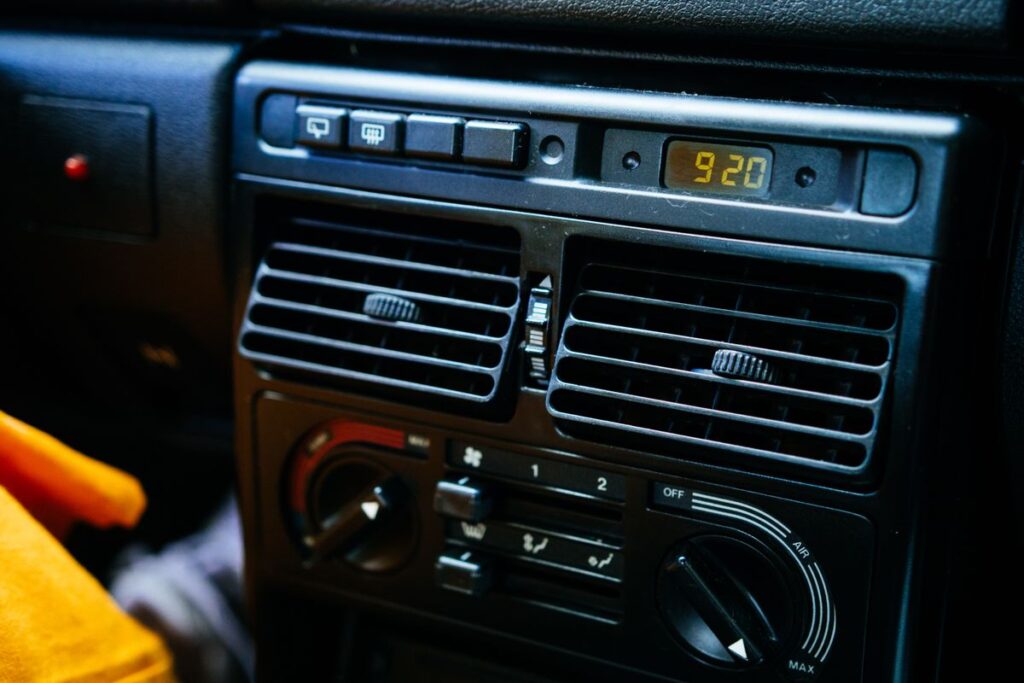
What the Cabin Air Filter Does and Where It Lives
Every time your heater, A/C or defroster runs, the blower pulls outside air into the car. The cabin air filter (sometimes called a pollen filter) cleans that air first. It traps dust, pollen, soot, leaf bits and road grime before they reach the vents and your lungs.
On most modern cars the filter sits behind the glove box, which drops down or unclips for access. On others it lives under the cowl, the plastic panel at the base of the windshield below the wipers. A few older or simpler vehicles have no cabin filter at all, so the manual is the place to check.

How Often to Change Cabin Air Filter: Typical Intervals
There is no single number for every car. Most automakers list the cabin filter in the maintenance schedule at roughly yearly intervals or by mileage, and the figures vary by make and model. Consumer Reports notes in its guide to keeping your car free of pollen that most manufacturers recommend changing the filter at least once a year and more often in dusty conditions.
Think of the manual’s number as the outer limit. These conditions usually mean a shorter interval:
- Gravel or dirt roads: dust loads the filter quickly.
- Stop-and-go city traffic: you pull in exhaust soot from the cars ahead.
- High pollen seasons: spring tree pollen can coat a filter in weeks.
- Parking under trees: leaves and seeds collect in the cowl and get drawn toward the filter.
- Allergies or asthma: a fresh filter matters more when you are sensitive to dust and pollen.
If you drive few miles a year, go by time rather than mileage. A filter that sits in a damp housing for years can grow musty even when it looks only moderately dirty.

Signs Your Cabin Air Filter Is Overdue
The signs of a clogged filter creep in gradually. Here are the most common ones and how much they matter.
| Symptom | What it usually means | How urgent |
|---|---|---|
| Windows fog up and are slow to clear | Restricted airflow to the defroster, sometimes with damp debris in the filter | Soon Clear vision matters, so replace or check within days |
| Weak airflow even on high fan | Filter packed with dust, pollen or leaves | Moderate Replace at your next convenient chance |
| Musty or sour smell when the fan runs | Damp, dirty filter or moisture on the A/C evaporator | Moderate Replace the filter and have the smell checked if it stays |
| Blower sounds louder or whistles | Motor working harder to pull air through a blocked filter | Moderate Replace the filter, then listen again |
| More dust on the dash, sneezing in the car | Filter saturated or missing, letting dust and pollen through | Low Replace at your next service visit |
Fogging deserves the quickest action because it affects how well you can see. Our guide to why car windows fog up inside and how to stop it covers the other causes, from wet floor mats to a leaking heater core.
Weak airflow is not the same as warm air. A dirty filter reduces how much air comes out, but the air should still be cold on A/C. If it blows plenty of air that is not cold, read our post on car A/C blowing warm air and its common causes.

Particulate vs Activated Carbon Filters
When you buy a replacement, you will usually see two types. Both fit the same housing, so the choice comes down to what you want filtered.
| Filter type | What it traps | Good fit for |
|---|---|---|
| Standard particulate | Dust, pollen, soot, leaf debris | Most drivers, rural and suburban roads |
| Activated carbon (charcoal) | Particles plus many odors and exhaust fumes | City and highway traffic, drivers sensitive to smells |
A carbon layer adds odor control but does not make the filter last longer. Follow the same interval either way, and always match the part to your exact vehicle.
Cabin Air Filter vs Engine Air Filter
These two are often confused, but they do different jobs in different places.
| Point | Cabin air filter | Engine air filter |
|---|---|---|
| What it protects | You and the heating and A/C system | The engine’s intake |
| Typical location | Behind the glove box or under the cowl | In a box under the hood |
| When clogged | Weak vent airflow, smells, fogging | Can reduce engine performance |
| Interval | Set by your manual, often about yearly | Set separately in your manual |
West Michigan Seasons and Your Cabin Filter
Grand Rapids weather puts a cabin filter through a lot in a year. In spring, tree pollen coats cars yellow, and the filter catches much of it. Consumer Reports suggests using recirculation during pollen season when possible, which pulls less outside air through.
Fall brings leaves and seeds that pile up in the cowl below the windshield. Wet leaves trap moisture near the air intake, which can lead to musty smells and can block the cowl drains. Clearing the cowl by hand is a good habit after leaf drop.
Winter is when a clean filter pays off most. You rely on the defroster every morning, and a clogged filter slows how fast the glass clears. A filter check fits naturally on your winter car maintenance checklist for Michigan drivers.

Changing It Yourself or at a Service Visit
On many cars, changing the cabin filter is a fair do-it-yourself job. You open the glove box or cowl panel, slide out the old filter and slide in the new one with the airflow arrow pointing the way the manual shows.
If you would rather not, the cabin filter is part of routine service. Our factory scheduled maintenance in Grand Rapids follows your manufacturer’s schedule on foreign and domestic vehicles, filters included. If a new filter does not fix weak airflow or a lingering smell, our car heater and A/C repair in Grand Rapids can look at the blower, blend doors and evaporator. Hendrick Hoffman, our owner and head mechanic, is ASE and State of Michigan certified in heating and air conditioning.
Frequently Asked Questions
What happens if you never change your cabin air filter?
Airflow drops, the blower works harder, smells can build up and windows clear more slowly. Dust and pollen also pass into the cabin once the filter is saturated.
Can a dirty cabin air filter affect the A/C?
Yes. It reduces how much cool air reaches the vents, so the A/C feels weak. It does not usually make the air warm, which points to other causes.
Is the cabin air filter the same as the engine air filter?
No. The cabin filter cleans the air you breathe inside the car. The engine air filter cleans the air going into the engine, and each has its own interval in your manual.
Why does my car still smell musty after a new filter?
The smell may come from moisture on the A/C evaporator or a blocked drain rather than the filter. Have the heating and A/C system checked if it stays.
Need factory scheduled maintenance in Grand Rapids? Call 456 AutoFix at 616-279-3832, Monday to Friday 8am to 5pm, or book through our contact page.
Can’t make it during the day? Use our after-hours drop-off. We’re at 456 Carrier St NE in Creston.