
Car windows fogging up inside is one of the most common winter complaints we hear in Grand Rapids. You climb in on a cold morning, start the heater, and the windshield turns milky right when you need to see the road.
Usually it is simple physics and the wrong settings. Sometimes, though, stubborn fog points to a heating or A/C fault. Here is how to tell the difference.
Quick answer
Why do car windows fog up inside in winter?
Warm, moist cabin air hits glass that is colder than its dew point, so the moisture condenses on the inside. To clear it, turn on defrost with the A/C on, choose fresh air instead of recirculate, and raise the heat. Fog with a sweet smell or greasy film can mean a heater core leak.
Why Car Windows Fog Up Inside
Air always carries some water vapor. The National Weather Service defines the dew point as the temperature air must be cooled to before it becomes saturated. When cabin air touches glass colder than that, the extra water comes out as tiny droplets on the window.
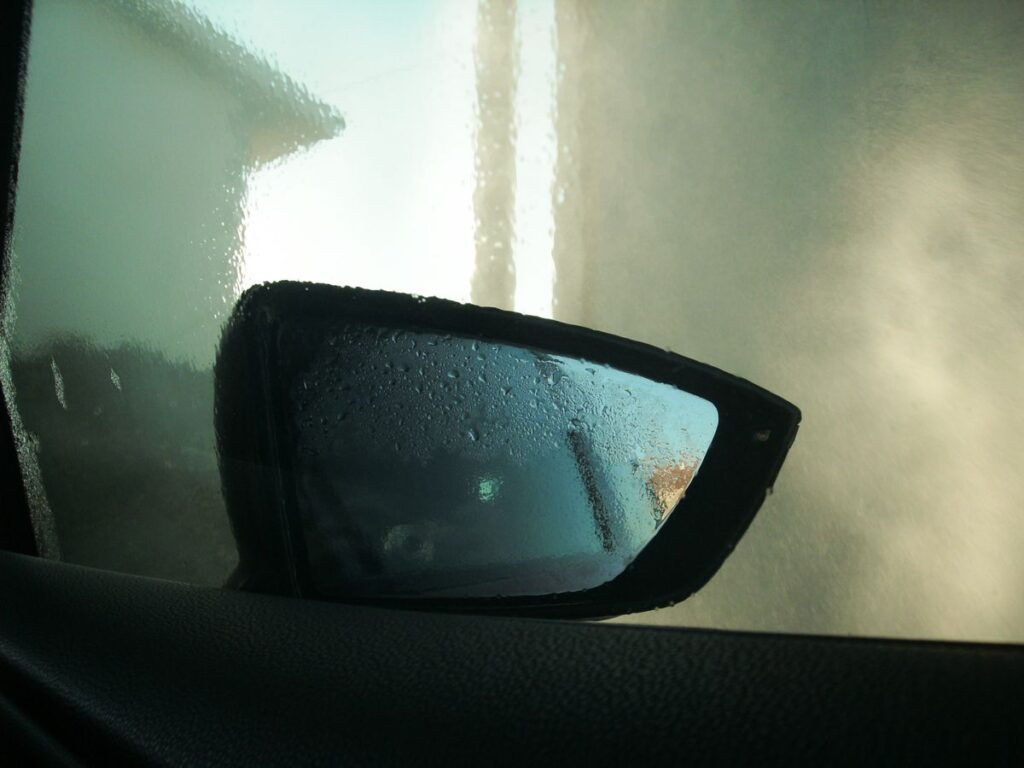
In winter the glass is chilled by the outside air, while the cabin fills with warm, damp air from your breath and the heater. That gap is why the inside of the windshield fogs on cold mornings and during long drives with passengers.

Where the Extra Moisture Comes From
In a Michigan winter, a car collects water fast. The usual sources are:
- Snow and slush carried in on boots, which melt into the carpet
- Soaked floor mats that stay wet for days in a cold car
- Wet coats, gloves, hats and umbrellas
- Breathing, especially with several people on board
- Hot coffee and spilled drinks
Once the carpet is damp, every warm drive lifts more water into the air, so fog can get worse through the season.

How to Defog Your Windshield Fast
The goal is to dry the air and warm the glass at the same time. This routine works in most cars:
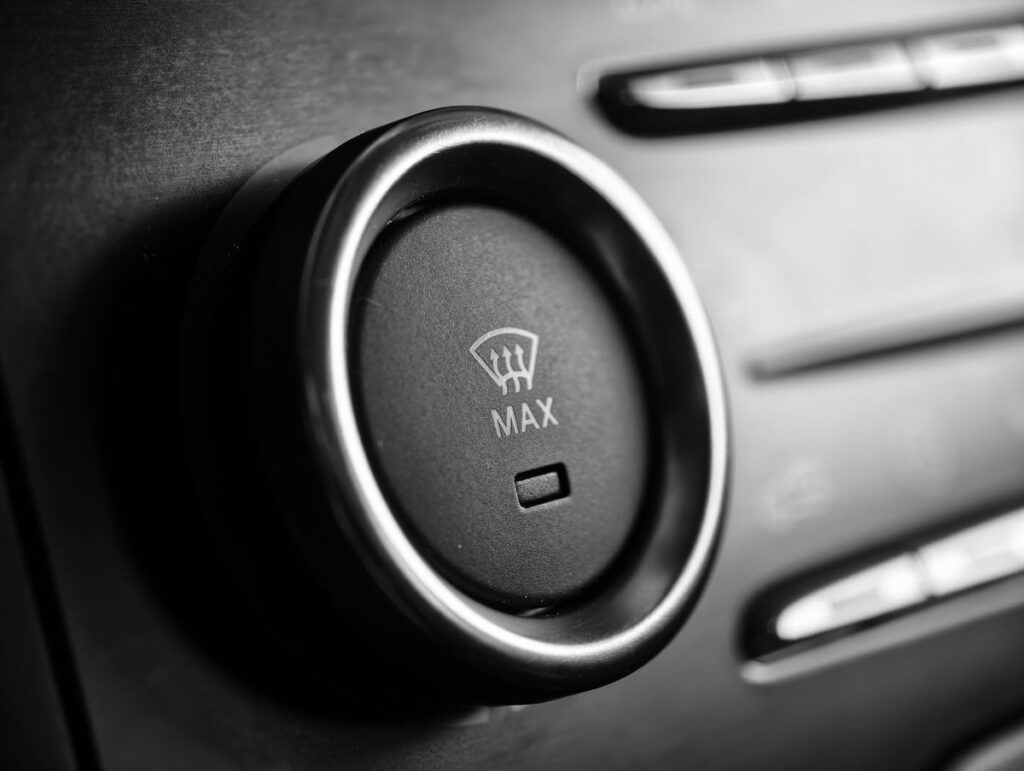
- Select the windshield defrost setting and turn the fan up high.
- Turn the A/C on. Even in winter, the A/C pulls water out of the air as it passes the cold evaporator, and the heater then warms that dry air. Many cars do this automatically in defrost mode.
- Switch off recirculation so the system pulls in drier outside air instead of recycling damp cabin air.
- Raise the temperature once the engine is warm, so the glass heats up and stops collecting water.
- Crack a side window for a minute if the fog is heavy, to let humid air escape.
Wiping with a sleeve leaves streaks and oil that make the next fog worse. Keep a microfiber cloth handy instead.
How to Keep Your Windows From Fogging Again
A few habits cut down on fog all winter long:
- Knock snow off your boots before you get in.
- Use rubber floor mats and empty the melted slush often. Bring soaked carpet mats inside to dry.
- Clean the inside of the glass. Dirt and the film from vinyl dashboards give water droplets something to cling to.
When Fogging Points to a Problem
If you use the right settings and the glass still won’t clear, or the fog keeps coming back on dry days, look for one of these faults.
A Leaking Heater Core
The heater core is a small radiator behind the dashboard that hot engine coolant flows through. When it leaks, coolant vapor blows out of the vents and settles on the windshield as a greasy, smeary film that is hard to wipe off. You may notice a sweet, syrupy smell and a damp carpet on the passenger side.
Other clues include a coolant level that keeps dropping and a heater that runs lukewarm. Our guide to a car heater blowing cold air covers that side of it. Don’t ignore a heater core leak: breathing coolant vapor is unpleasant, and low coolant can lead to engine overheating.
An A/C Compressor That Won’t Engage
Your defroster relies on the A/C to dry the air. If the compressor doesn’t kick on, because the refrigerant is low or there is an electrical fault, the system just blows warm, wet air at cold glass. One clue: the A/C light comes on, but you never hear the compressor click on.
If the A/C also struggled last summer, read our post on a car AC blowing warm air. The same fault often shows up as stubborn winter fog.
A Clogged Cabin Air Filter
The cabin filter cleans the air coming into the car. When it is packed with leaves and dirt, airflow to the windshield drops, so the glass clears slowly. A damp filter can also add moisture and a musty smell. Your owner’s manual lists the replacement interval for your car.
Blocked Drains or Leaking Seals
Cars have drains under the cowl at the base of the windshield and a drain tube for the A/C evaporator. When leaves or debris plug them, water can collect and get drawn into the fresh air intake, or drip onto the floor. Worn door and window seals let melting snow seep in the same way. Wet carpet that keeps coming back usually means a drain or seal problem.
Car Windows Fogging Up Inside: Normal or Needs a Check?
Use this table to match what you see. A hands-on inspection is the only way to confirm a leak.
| What you notice | Likely cause | How urgent |
|---|---|---|
| Greasy film, sweet smell, wet passenger carpet | Heater core leaking coolant | High Have it checked right away |
| Fog plus a falling coolant level | Coolant leak in the heater core or engine | High Check before more driving |
| Fog won’t clear with A/C on and fresh air | A/C compressor not engaging, low refrigerant | Soon Book a check this week |
| Carpet wet again and again, musty smell | Blocked drains or leaking door seals | Soon Find the leak before mold sets in |
| Weak airflow from the vents | Clogged cabin air filter | Moderate Replace the filter soon |
| Light fog on a cold start that clears in minutes | Normal condensation | Low Use the defrost routine above |
Winter Visibility in Grand Rapids
West Michigan winters bring lake-effect snow, slush and road salt. A salty haze outside the windshield plus fog inside can leave you nearly blind at dusk.
The National Weather Service winter driving preparation tips suggest checking your wipers and antifreeze and clearing snow and ice off the whole car before you drive. Add the heater, defroster and A/C to your winter car maintenance checklist so you find problems before the first cold snap.

If your windows still fog with the right settings, our car heater and A/C repair in Grand Rapids covers heating and A/C problems on foreign and domestic vehicles. Hendrick Hoffman, our owner and head mechanic, is ASE and State of Michigan certified in heating and air conditioning.
Frequently Asked Questions
Why do my windows fog up when the heater is on?
The heater warms the cabin air, and warm air holds more moisture from wet mats and breath. If the A/C is off or recirculation is on, that moisture lands on the cold glass. A greasy film and sweet smell point to a heater core leak instead.
Is it safe to drive with a leaking heater core?
It is not a good idea for long. Coolant vapor coats the windshield and is unpleasant to breathe, and the leak lowers the coolant level, which can lead to overheating. Have it inspected right away.
Why do my car windows fog up overnight when parked?
Moisture from wet mats, snow and your last drive stays trapped inside. As the car cools overnight, the glass drops below the dew point and the water condenses. Drying the carpet and running fresh air before parking helps.
Need car heater or A/C repair in Grand Rapids? Call 456 AutoFix at 616-279-3832, Monday to Friday 8am to 5pm, or book through our contact page.
Can’t make it during the day? Use our after-hours drop-off. We’re at 456 Carrier St NE in Creston.