
Door lock actuator symptoms usually start small: one door stays unlocked when you press the fob, or you hear a buzz inside the door panel.
Usually it is a worn part, not an emergency. A door that will not latch shut is the exception.
Quick answer
What are the symptoms of a bad door lock actuator?
The common signs are one door that ignores the fob and the lock switch, a buzzing or grinding sound inside the door, slow or intermittent locking, and locks that cycle on their own. On many cars the door ajar switch lives in the same latch, so the dome light, chime or alarm can misbehave too.

Common Door Lock Actuator Symptoms
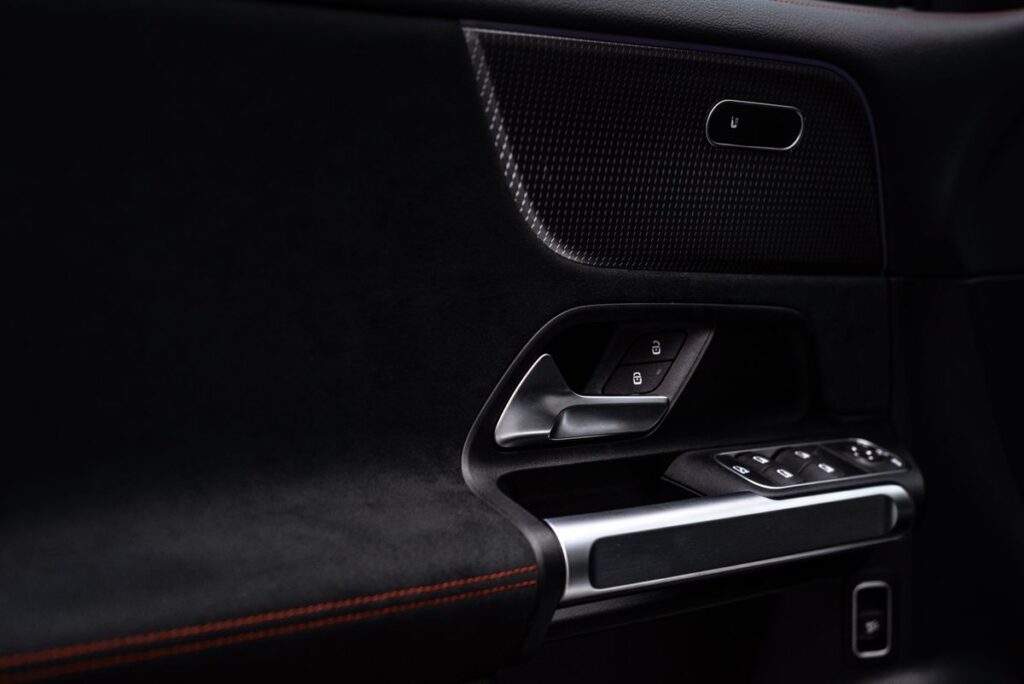
The actuator is a small electric motor with plastic gears that moves the lock inside each door. On many newer cars it is built into the latch assembly.
One Door Ignores the Fob and the Switch
Every other door clicks, but one stays put, whether you use the remote or the armrest switch. The manual knob usually still works, because only the electric drive has failed.
When a single door is the problem, the shared fuse and the fob are probably fine. That narrows it to the actuator in that door or the wiring that feeds it.
Buzzing, Grinding or Clicking Inside the Door
A buzz or grind when you press lock usually means the motor is spinning but the worn or stripped gears are not moving the lock. The noise often fades over a few weeks until the door goes silent.

Slow, Weak or Intermittent Locking
A healthy lock moves instantly. A tired actuator may lag behind the other doors, stop halfway, or work on the third press. Some lock but will not unlock, or the reverse.
Locks That Cycle on Their Own
Doors that lock and unlock by themselves can point to a failing actuator, an internal short or a damaged wire. A lock that keeps cycling can also run the battery down. If you keep finding a dead battery in the morning, our guide to why a car battery dies overnight explains how a drain is tracked down.
Dome Light, Chime or Alarm Acting Up
On many cars, the door ajar switch sits inside the latch next to the actuator. If it fails, you might see a door ajar warning with the door shut, a dome light that stays on, or an alarm that goes off by itself.
Many of these switch faults start with water getting inside the actuator, which is why they often show up after a wet or freezing stretch of weather.
What Else Can Stop One Door From Locking
Not every lock problem is the actuator. Before buying parts, it helps to rule out these causes:
- Key fob battery: a weak fob battery shortens range or makes the remote unreliable on every door. Try the spare fob first.
- Fuse or relay: if no door locks at all, a shared fuse, relay or control module is more likely than four actuators failing at once.
- Wiring in the door jamb boot: the wires that run through the rubber boot between the body and the door flex every time you open it. Over the years they can crack and cut power to that door.
- A broken or binding latch: a seized latch or a loose linkage rod can stop the lock even when the motor is fine.

If the window in that door also quit, see our guide on a power window not working and how to tell switch, motor or regulator.
Symptoms Compared by Likely Cause and Urgency
Use this table to match what you notice. A technician confirms the cause by checking for power at the actuator connector with the door panel off.
| Symptom | Likely cause | How urgent |
|---|---|---|
| Door will not latch or pops open | Broken latch or linkage | High Keep that seat empty and get it checked right away |
| Locks cycle on their own or battery keeps dying | Failing actuator, short or damaged wiring | Soon Get it checked within days |
| Door ajar light or dome light stays on, false alarms | Door ajar switch inside the latch | Soon Get it checked within days |
| One door silent with the fob and the switch | Actuator motor or wiring in the jamb boot | Moderate Plan a repair in the next few weeks |
| Buzzing or grinding, lock barely moves | Worn or stripped actuator gears | Moderate Plan a repair in the next few weeks |
| Fob works poorly on every door | Weak key fob battery | Low Replace the fob battery and retest |
Quick Checks You Can Do Safely
These steps take a few minutes:
- Try the lock with the fob, the driver’s switch and the manual knob, and note which ones work.
- Stand next to the problem door and listen while someone presses lock. A buzz points to the actuator gears. Silence points to the motor or its wiring.
- Open the door and look at the rubber boot between the door and the body for cracks or pinched wires.

Avoid spraying penetrating oil into the latch. It does not repair a worn motor or a broken gear.
When a Door Won’t Latch, Treat It as Urgent
A door that will not lock is a security problem. A door that will not stay latched is a safety problem, because it can swing open in a turn. Keep anyone, especially children, out of that seat until it is fixed.
Door latches have been the subject of several safety recalls. Enter your VIN in the Check To Protect VIN recall lookup to see whether your car has an open recall before you pay for a latch.
How Michigan Winters Affect Door Locks
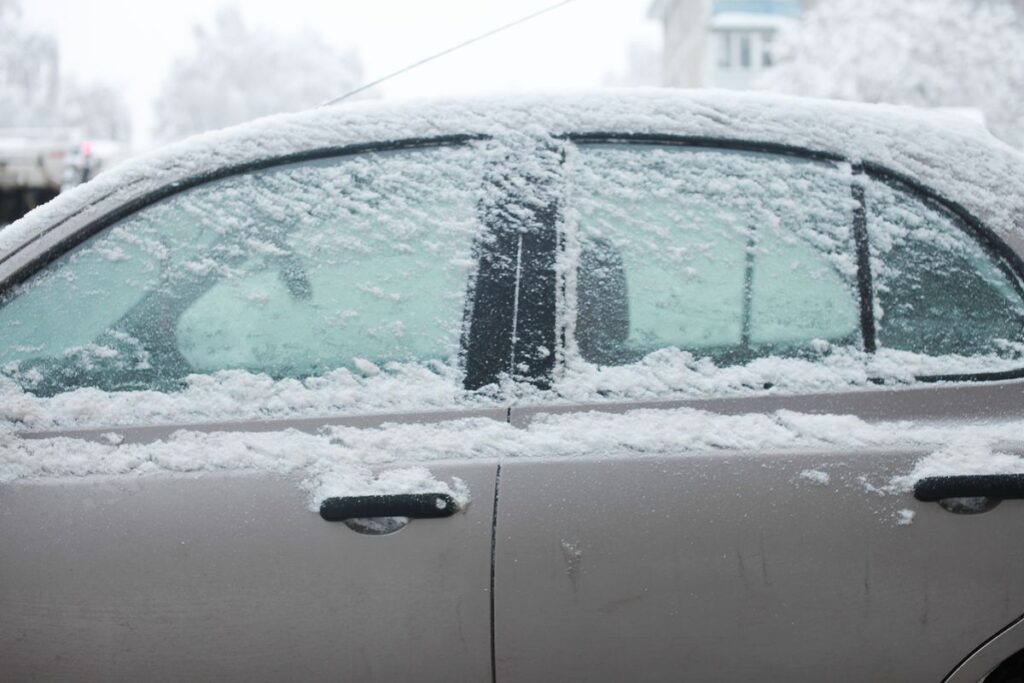
West Michigan weather is hard on door hardware. Wet springs and salty winter slush push moisture past worn weatherstrips, where it can corrode the actuator connector and the wiring in the jamb boot.
Water inside the door can also freeze around the latch, and a weak actuator that works in July may stall at single digits. A quick look at door seals is worth adding to your winter car maintenance checklist each fall.
Getting the Door Diagnosed
A proper diagnosis means removing the door panel, checking the linkage and testing for power at the actuator. If power arrives and the lock does not move, the actuator is bad. If no power arrives, the fault is in the switch, wiring or module, and a new actuator would not help.
Our car electrical repair in Grand Rapids covers body electronics like power locks on foreign and domestic vehicles. Hendrick Hoffman, our owner and head mechanic, is ASE and State of Michigan certified in electrical.
Shopping for a used car? Test every door with the fob and the switch before you buy. Our used car buying checklist for Grand Rapids buyers covers the rest.
Frequently Asked Questions
What does a bad door lock actuator sound like?
Usually a buzz, grind or rapid clicking from inside the door when you press lock or unlock. That means the motor runs but worn gears are not moving the lock. A completely silent door points to a dead motor or a wiring break.
Can a bad door lock actuator drain the battery?
It can. An actuator that keeps cycling, or a stuck door ajar switch that keeps the dome light or electronics awake, can drain the battery overnight.
Is it the fuse or the actuator if only one door won’t lock?
If the other doors work, the shared fuse is almost always fine. The cause is usually that door’s actuator or the wiring that runs through the door jamb boot.
Why does my car door only fail to lock in cold weather?
Cold thickens grease and can freeze moisture inside the door, so a worn actuator no longer has the strength to move the lock. It often fails completely soon after, so have it checked.
Need power door lock repair in Grand Rapids? Call 456 AutoFix at 616-279-3832, Monday to Friday 8am to 5pm, or book through our contact page.
Can’t make it during the day? Use our after-hours drop-off. We’re at 456 Carrier St NE in Creston.