
When your car stalls when stopping, it usually runs fine on the road and then dies as you roll up to a light. The engine is at its weakest at idle, so small faults that go unnoticed at speed show up right at the stop line.
Here are six common causes, what to do when it happens, and how a diagnosis narrows it down.
Quick answer
Why does my car stall when I come to a stop?
Most stalls at a stop come from an idle problem: a dirty throttle body or idle air control valve, a vacuum leak (including the brake booster hose), a dirty mass airflow sensor, weak fuel delivery or a stuck-open EGR valve. On automatics, a torque converter clutch that won’t release is a rule-out. Reading the codes and live data comes first.
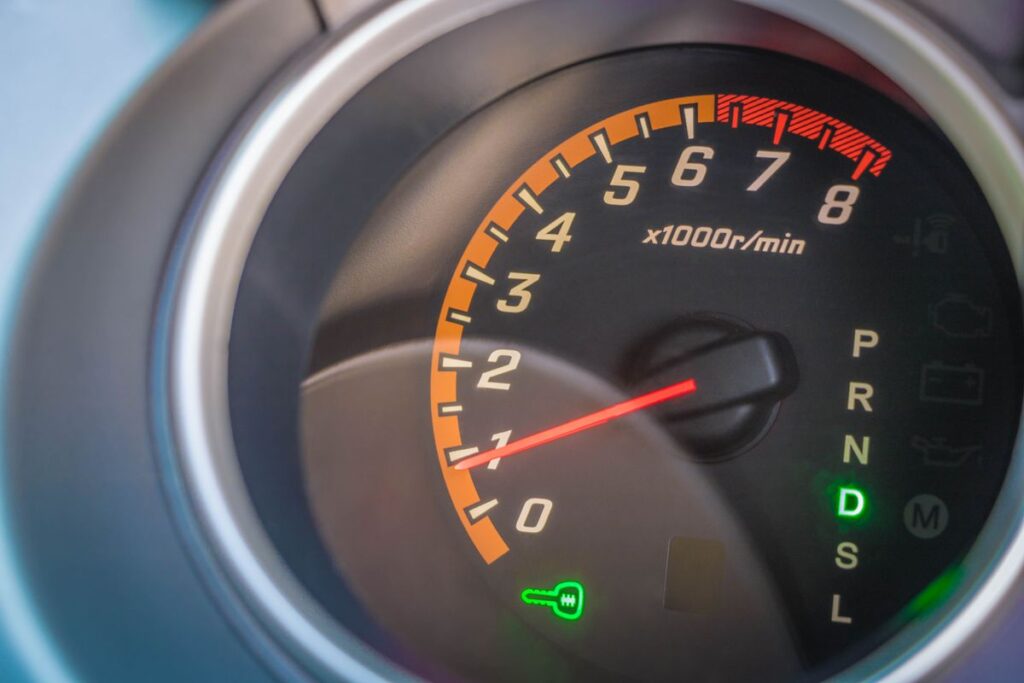
Why Idle Is the Weak Point
At idle, the throttle is almost closed and the engine pulls in only a trickle of air, balanced with just enough fuel and spark to keep it turning.
At cruising speed, a small leak or dirty sensor barely matters. At idle, the same error is a large share of the airflow. Add a load like the A/C compressor and the idle can dip below the point where the engine keeps running.
6 Reasons Your Car Stalls When Stopping
1. A Dirty Throttle Body or Idle Air Control Valve
Older engines use an idle air control (IAC) valve near the throttle body to let a measured amount of air bypass the closed throttle plate. Scan tool maker Innova explains in its guide to symptoms of a faulty idle air control valve that carbon buildup can clog the valve, leading to stalling, an erratic idle and hard starts.
Newer cars with electronic throttles control idle air with the throttle plate itself, and carbon around its edge chokes that small opening. Cleaning often helps, but many need an idle relearn afterward.
2. A Vacuum Leak
A cracked hose, loose PCV line or leaking intake gasket lets in air the sensors never measured. The engine runs lean, and at idle that extra air is a big enough share to cause a rough idle or a stall.
Vacuum leaks also cause hesitation on the gas, which we cover in why a car hesitates when accelerating. A faint hiss at idle is a useful clue.
3. A Leaking Brake Booster or Booster Hose
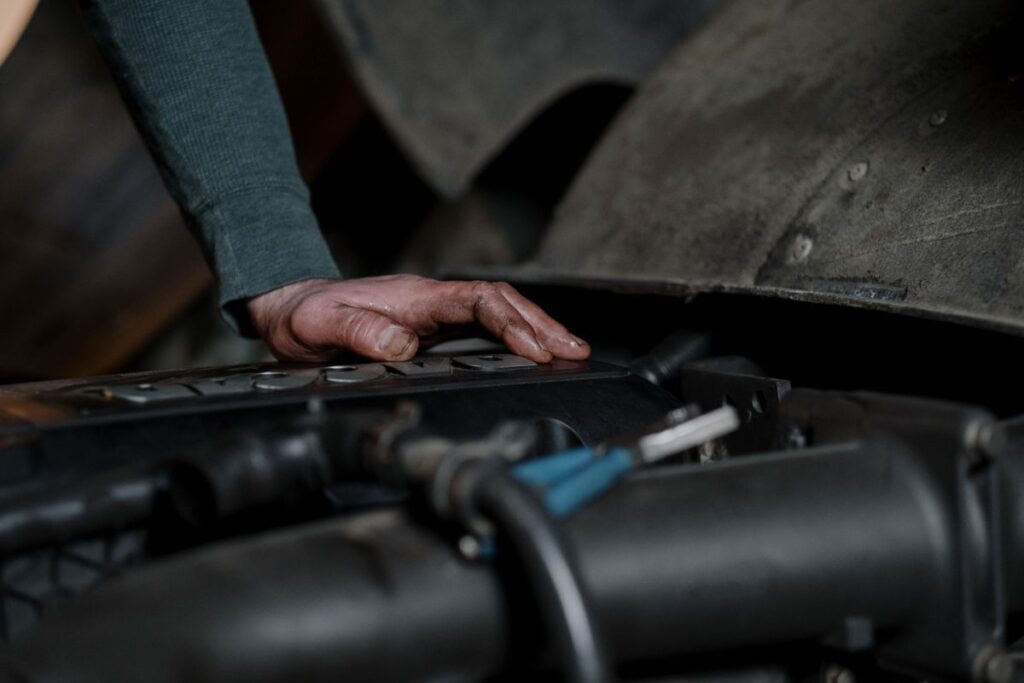
The power brake booster runs on engine vacuum through a large hose. If the hose cracks or the diaphragm tears, pressing the pedal opens a big vacuum leak just as you slow to a stop, so the idle drops and the engine may die.
A booster leak often brings a firm pedal too, explained in our guide to a brake pedal that is hard to push.
4. A Dirty Mass Airflow Sensor
A contaminated MAF sensor under-reads airflow, so the computer adds too little fuel. The error is largest at idle, where airflow readings are smallest, and that can let the engine stumble and die as you stop.
5. Weak Fuel Delivery
A tired fuel pump, clogged filter or faulty pressure regulator can keep up while cruising but let pressure sag as you coast to idle. Checking fuel pressure is part of a stall diagnosis, so we can tell you whether the fuel system is the cause.

6. An EGR Valve Stuck Open
The exhaust gas recirculation (EGR) valve feeds a little exhaust into the intake at cruise and should close at idle. When carbon keeps it from seating, exhaust floods the intake at a stop and the engine stalls.
A classic pattern is a car that runs well on the highway, then stalls at the bottom of the exit ramp. This fault usually sets a check engine code for excessive EGR flow.
Rule Out the Transmission: Torque Converter Clutch
Automatics use a torque converter clutch to lock the engine to the transmission at cruise. It must release as you slow down. If it stays locked, the engine stalls like a manual car with the clutch left out.
The clue is an abrupt stall right as the car comes to rest, while the idle is fine in Park. We check for converter clutch codes and data during the diagnosis and will tell you plainly if the problem points to the transmission.

What to Do If Your Car Stalls in Traffic
When the engine dies, the brakes and steering still work, but the power assist drops off. The booster holds a reserve for a press or two, then the pedal turns hard, and hydraulic power steering goes heavy.
- Keep firm, steady pressure on the brake pedal. Don’t pump it.
- Steer to a safe spot if you are still rolling.
- Shift to Park or Neutral and turn on your hazard lights.
- Restart the engine. If it stalls again right away, stay stopped.
A car that stalls at stops is not safe in busy intersections, so have it checked soon.

Stalling Causes Compared by Clue and Urgency
Match what you notice to the likely cause.
| Likely cause | Common clue | How urgent |
|---|---|---|
| Brake booster or booster hose leak | Stalls when you press the brake, hiss near the pedal, firm pedal | High Braking assist is affected, book now |
| Torque converter clutch stuck on | Abrupt stall as the car stops, idles fine in Park | High Limit driving until diagnosed |
| Vacuum leak | Rough or high idle, hissing, lean codes | Soon Get it checked within days |
| EGR valve stuck open | Stalls after highway driving, rough idle, EGR code | Soon Get it checked within days |
| Weak fuel delivery | Stumbles when coasting to a stop, long cranking | Soon Have fuel pressure tested |
| Dirty throttle body or IAC valve | Idle dips with the A/C on, surging idle | Moderate Book a diagnosis soon |
Cold Weather and A/C Load in Grand Rapids
Winter brings two stall triggers. Defrost mode runs the A/C compressor, so a marginal idle can die at a stop once the defroster is on. Cold starts also begin with a fast idle that drops as the engine warms, and a clogged throttle body can let it fall too far.
Rubber vacuum hoses also crack more easily in the cold. Our post on how long to warm up a car in winter covers normal cold-start idle behavior.

How We Diagnose a Stall
Replacing the wrong part rarely fixes a stall. A proper diagnosis usually includes:
- Reading stored and pending codes, even if the light is off
- Watching live data at idle: fuel trims, airflow, idle speed and EGR commands
- A smoke test to find vacuum leaks, including the booster hose
- Checking fuel pressure and the throttle body condition
- A road test to recreate the stall
Codes are often stored before the light comes on, as covered in what it means when the check engine light is on but the car runs fine. Our check engine light diagnostic in Grand Rapids covers foreign and domestic vehicles. Hendrick Hoffman, our owner and head mechanic, is ASE and State of Michigan certified in engine repair.
Frequently Asked Questions
Can a vacuum leak cause stalling?
Yes. A vacuum leak lets in air the sensors don’t measure, so the engine runs lean. At idle that extra air is a large share of the total, which can cause a rough idle or a stall as you stop.
Is it safe to drive a car that stalls?
Not for long. When the engine dies, power braking and steering assist drop off, which makes stopping and turning harder. A stall in the middle of an intersection is a real risk, so have it diagnosed soon.
Why does my car stall when the A/C is on?
The A/C compressor adds load at idle, so the engine must raise its idle. A dirty throttle body, a sticking idle air control valve or a vacuum leak can keep it from doing that, so the idle dips and the engine stalls.
Is your car stalling at stops? Call 456 AutoFix at 616-279-3832, Monday to Friday 8am to 5pm, or book through our contact page.
Can’t make it during the day? Use our after-hours drop-off. We’re at 456 Carrier St NE in Creston.