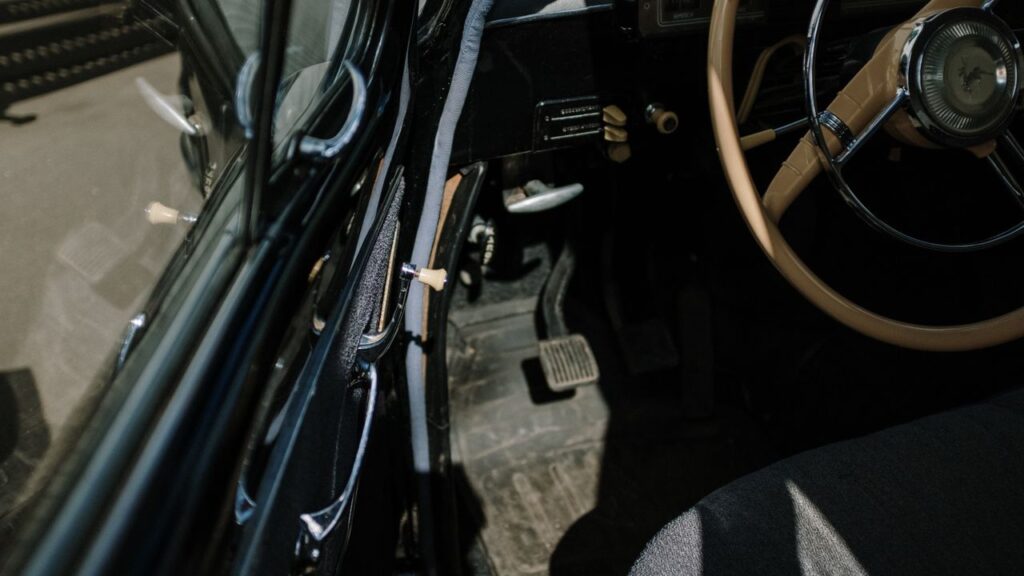
When a car hesitates when accelerating, the engine is not getting the spark, air or fuel it needs at the moment you ask for power. You press the gas and the car stumbles or bogs before it finally pulls.
Most causes are fixable and many give early warnings. A few, like a misfire that makes the check engine light flash, need attention right away.
Quick answer
Why does my car hesitate when I press the gas?
The most common causes are worn spark plugs or a failing ignition coil, a dirty mass airflow sensor, a vacuum leak, weak fuel delivery, a dirty throttle body or faulty sensor, a clogged catalytic converter, or carbon buildup on direct-injection engines. Reading the stored codes is the fastest way to narrow it down.

What Hesitation Feels Like (and When It Happens)
The words you use help a mechanic. A stumble is a brief miss or shudder as you press the pedal. A bog is a heavy, lazy pull where the engine seems to choke before it catches up.
A flat spot is a dead zone at one point in the pedal travel. A jerk or surge is power that cuts in and out. Note when it happens, too:
- From a stop: often air metering, throttle or vacuum leak problems.
- Uphill or at highway speed: often weak ignition or fuel delivery.
- Only when cold: often a weak coil, a leaky vacuum hose or carbon on intake valves.
7 Common Reasons a Car Hesitates When Accelerating
Your engine needs a strong spark, the right amount of air and the right amount of fuel. Anything that upsets that balance shows up first when demand rises, which is why hesitation appears on acceleration rather than at a steady cruise.
1. Worn Spark Plugs or Failing Ignition Coils
Worn plugs need more voltage to fire, and a weak coil cannot always supply it under load. The result is a misfire: one cylinder skips, and you feel a stumble or shudder, often worst when climbing a hill.
If the check engine light flashes while the car stumbles, the misfire can damage the catalytic converter. Our guide to what a flashing check engine light means explains why you should ease off and get it checked.

2. A Dirty Mass Airflow Sensor
The mass airflow (MAF) sensor measures incoming air so the computer can add matching fuel. Parts maker Hella’s air mass sensor guide notes that a sensor delivering incorrect airflow values can cause a loss of power and a poor driving experience, and it recommends replacing a dirty sensor rather than cleaning it. When dirt on the sensing element makes it under-read airflow, fuel does not rise enough on acceleration, and the engine hesitates or stumbles.
A badly clogged engine air filter can add to the problem, so check it first.
3. A Vacuum Leak
A cracked hose, a loose intake boot or a failed PCV valve lets in air the sensor never measured. The engine runs lean, which often shows as a rough idle plus a stumble from a stop. You may hear a hiss under the hood.
4. Weak Fuel Delivery
A clogged fuel filter, a tired fuel pump or dirty injectors can supply enough fuel at idle but not when you floor it. The car may feel fine around town, then bog or surge when merging. Fuel pressure testing separates this from an ignition problem.
5. A Dirty Throttle Body or Faulty Sensor
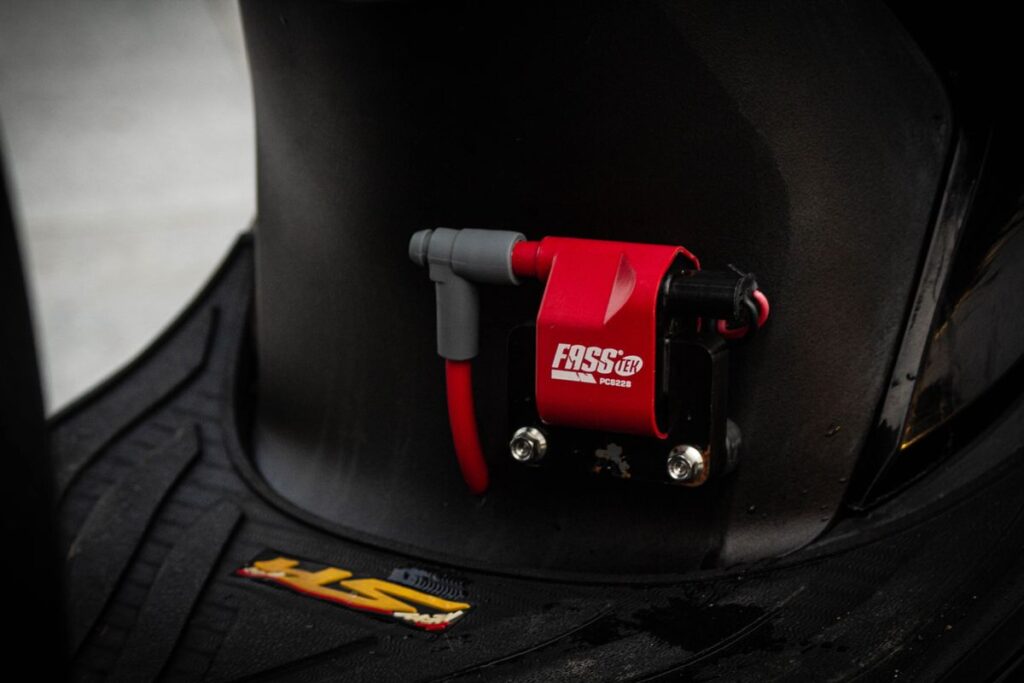
Carbon around the throttle plate disturbs airflow just off idle, giving a flat spot as you first press the pedal. A worn throttle position sensor can send erratic pedal signals that cause jerks or surges. An aging oxygen (O2) sensor can also skew the fuel mixture, and sensor faults usually set a code.
6. A Clogged Catalytic Converter
If the converter’s honeycomb melts or plugs, exhaust cannot get out fast enough. The car feels gutless under load and may get weaker the longer you drive. Our post on bad catalytic converter symptoms covers the smells and codes that go with it.

7. Carbon Buildup on Direct-Injection Engines
Direct-injection engines spray fuel straight into the cylinder, so nothing washes the intake valves. Carbon slowly builds on them, causing cold-start misfires and hesitation. Many Audi owners meet this one, and our guide to Audi carbon buildup symptoms goes into detail.
Hesitation Causes Compared by Clue and Urgency
Use this table to match what you feel. Only a code scan and testing can confirm the faulty part.
| Likely cause | Typical clue | How urgent |
|---|---|---|
| Severe misfire (plugs or coils) | Stumble with a flashing check engine light | High Ease off and get it checked right away |
| Clogged catalytic converter | Gutless under load, weaker as you drive | High Book an inspection right away |
| Weak fuel delivery | Bogs or surges when merging | Soon Get it checked within days |
| Worn plugs or weak coil (light not flashing) | Occasional miss under load or when cold | Soon Get it checked within days |
| Vacuum leak | Rough idle, stumble from a stop, hissing | Moderate Plan a repair in the next few weeks |
| Dirty MAF, air filter, throttle body or sensor | Lazy pull or flat spot just off idle | Moderate Plan a repair in the next few weeks |
| Direct-injection carbon buildup | Cold-start misfire, slow loss of power | Low Plan it at your next service visit |
Could It Be the Transmission?
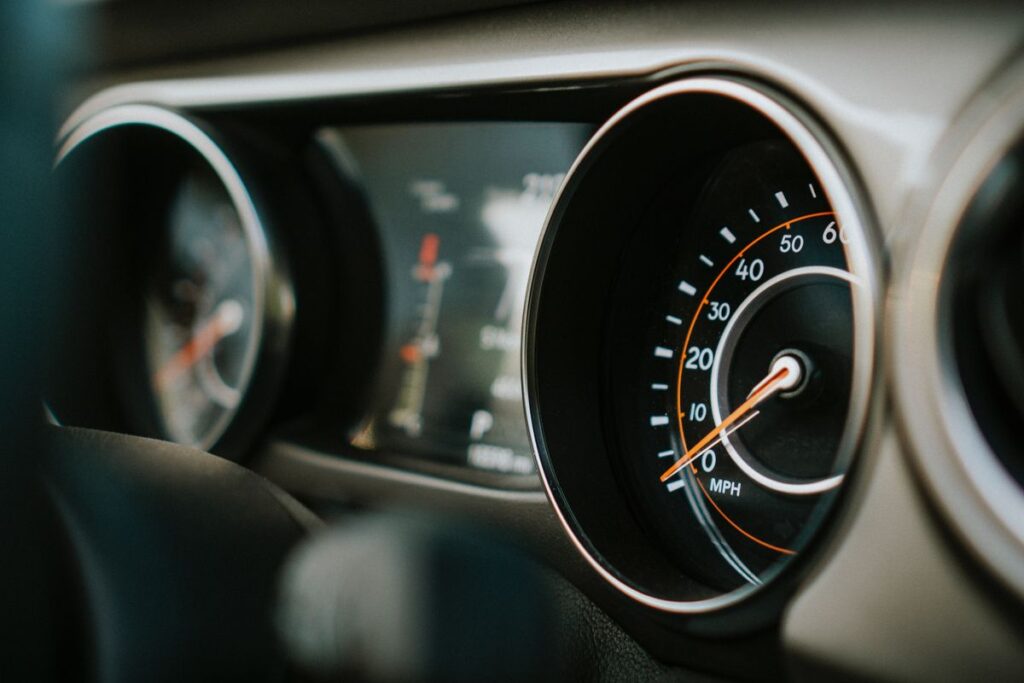
Sometimes what feels like hesitation is the transmission. Watch the tachometer. With an engine problem, rpm and speed both lag. With a slipping transmission or failing torque converter, rpm flares but the car does not speed up to match.
Transmission repair is not one of our services, so it is worth ruling out early. A code scan and test drive usually show whether the trouble is in the engine or the gearbox, so you know where to take it next.
Why Reading Codes Comes First
The engine computer watches every cylinder and sensor, and it often stores a fault before the check engine light comes on. These pending codes, plus live data like fuel trims and misfire counts, point to the system at fault before any parts are replaced.
A code is a starting point, not a final answer. A misfire code names the cylinder but not whether the plug, coil or injector is to blame. If your light is on but the car drives normally, our guide to a check engine light on but car runs fine covers that situation.

West Michigan winters add a twist. Cold starts and damp air expose weak coils and brittle vacuum hoses, so a car that hesitates when accelerating on a January morning may feel fine by afternoon.
Getting Hesitation Diagnosed in Grand Rapids
Our check engine light diagnostic in Grand Rapids starts with a code scan and live data, then tests the suspect parts on foreign and domestic vehicles. Hendrick Hoffman, our owner and head mechanic, is ASE and State of Michigan certified in engine tune-up, engine repair and electrical.
Plugs, filters and sensors wear on a schedule, so keeping up with factory scheduled maintenance in Grand Rapids catches many causes early.
Frequently Asked Questions
Can spark plugs cause hesitation?
Yes. Worn or fouled plugs can misfire under load, which you feel as a stumble when you accelerate. A weak ignition coil can cause the same feel.
Why does my car hesitate but the check engine light is off?
The computer can store pending codes before it turns on the light, and some faults stay within limits for a while. A code scan with live data can still find them.
Is it safe to drive a car that hesitates?
A mild, occasional hesitation is usually safe to drive carefully to an appointment. If the check engine light flashes or the car loses power in traffic, stop driving and have it checked.
Why does my car hesitate only when it is cold?
Weak ignition coils, vacuum hoses that seal once warm, and carbon on direct-injection intake valves all show up most on cold starts. Mention that pattern when you book.
Need a check engine light diagnostic in Grand Rapids? Call 456 AutoFix at 616-279-3832, Monday to Friday 8am to 5pm, or book through our contact page.
Can’t make it during the day? Use our after-hours drop-off. We’re at 456 Carrier St NE in Creston.