As an Amazon Associate, 456 AutoFix earns from qualifying purchases. Product links below go to Amazon, where you can confirm the right part for your vehicle.
Brake fluid is easy to overlook on a BMW until the dashboard reminds you it is due. The best brake fluid for BMW cars is the one that matches the specification printed on the reservoir cap, and on many later models that means a low viscosity DOT 4 fluid rather than an ordinary DOT 4 bottle from the gas station shelf.
This guide explains what BMW asks for, when genuine fluid makes sense and when an equivalent will do, then reviews six fluids sold on Amazon. For the wider DOT 4 market, including fluids for other brands, read our roundup of DOT 4 brake fluids.
Quick answer
Which brake fluid should go in a BMW?
Use the fluid named on your reservoir cap or in the owner’s manual, which on many recent BMWs is DOT 4 low viscosity. Genuine BMW fluid is the simplest match. Pentosin DOT 4 LV lists BMW part numbers as references, and Brembo’s very low viscosity fluid suits cars with ABS and stability control.
Our Quick Picks
Three ways to match a BMW: the genuine part, a cross-referenced LV equivalent and a low viscosity fluid from a brake maker.

Genuine BMW Brake Fluid
The BMW-branded fluid, with no cross-reference to interpret.

Pentosin DOT 4 LV
Low viscosity fluid whose listing names BMW and Mini part numbers.

Brembo L04210
Brembo fluid aimed at cars with modern electronic braking aids.
Reading the Spec on Your BMW’s Reservoir Cap
Start under the hood, not on a shopping page. The brake fluid reservoir cap and the owner’s manual state the grade the car was built for, and that statement outranks any forum thread or product label.
- DOT 4 LV (low viscosity): a DOT 4 fluid that stays thinner in deep cold, so the ABS pump and the DSC stability system can move it quickly. Pentosin cross-references current BMW brake fluid part numbers to its LV fluid, which points to this grade on many later cars.
- Standard DOT 4: the grade many older BMWs list. It shares the same glycol base as LV fluid but is thicker at low temperatures.
- DOT 5.1: also glycol based, with a higher boiling point. Makers such as Motul say it is compatible with DOT 3 and DOT 4 systems.
- DOT 5: silicone fluid. It does not mix with the glycol grades above and does not belong in a BMW system built for DOT 4.
Genuine BMW Fluid or a Labeled Equivalent?
A dealer will use fluid in a BMW-branded bottle, and buying the same part is the least ambiguous route for a home flush. Several European fluid brands also publish cross-references to BMW part numbers on their labels and listings.
Pentosin’s DOT 4 LV listing, for example, names BMW and Mini references including 81 22 0 142 155 and 81 22 0 142 156. A cross-reference tells you the maker considers its fluid a match for that part, but it is not the same as a BMW approval, so read your cap and decide on that basis.
Whichever bottle you choose, buy enough for a full flush rather than a top-up. Open a sealed container only when you are ready to use it.
Best Brake Fluid for BMW: The Six Fluids in Detail
Each fluid below is a glycol grade sold on Amazon US, and container sizes differ a lot, so check the volume before you order.
1. BMW 81 22 0 142 155 Genuine Brake Fluid: OEM Fluid in a BMW-Branded Container
- Genuine BMW part 81 22 0 142 155
- Listed as a direct-fit OEM fluid
- Cross-referenced by Pentosin's DOT 4 LV listing
- Same part a BMW parts counter would supply
This is BMW’s own brake fluid, sold under part number 81 22 0 142 155. The Amazon listing is short and describes it as a genuine OEM product and a direct fit, without restating the DOT grade or the volume on the page. Pentosin’s DOT 4 LV listing names this same part number among the BMW references its low viscosity fluid replaces, which is a useful hint about the grade.
The appeal is simplicity. When the reservoir cap or the owner’s manual points you to BMW fluid, buying the part with that number on the label removes the guesswork that comes with comparing third-party specifications. It also keeps the records tidy if you service the car yourself and want the history to match what a dealer would have used.
Read the bottle when it arrives and confirm the grade printed on it matches your cap before you open it. The listing does not state the container size, so check the details or ask the seller how many bottles a full flush needs. Owners of older BMWs built for standard DOT 4 can use it too, but a cheaper standard DOT 4 may be all those cars require.
View Genuine BMW Brake Fluid on Amazon
2. Pentosin 1224112 DOT 4 LV: Low Viscosity Brake Fluid for Cold Climates, 250 ml
- Very low viscosity at cold temperatures
- Made for vehicles with ESP and ABS
- Lists BMW/Mini OE references incl. 81 22 0 142 155
- 250 ml bottle, sold individually
Pentosin is a German fluids brand, and its DOT 4 LV is built for the low viscosity requirement found on many later European cars. The listing describes performance at the top of the DOT 4 range with extremely low viscosity in cold temperatures, which helps ABS and stability control systems move fluid quickly on a frozen morning.
What makes it relevant here is the cross-reference list. Pentosin names a long run of BMW and Mini references, including 81 22 0 142 155, 81 22 0 142 156 and 83 13 2 184 843, as well as Audi, Volkswagen, GM and Saab numbers. It also says the fluid resists absorbing and retaining water, protects against corrosion and can be used in any vehicle that calls for DOT 4.
The catch is the bottle size. At 250 ml, a full flush on most cars takes several bottles, so count carefully before ordering, and buy them together so the fluid comes from the same batch. Treat the part list as Pentosin’s own cross-reference rather than a BMW approval, and confirm the grade on your reservoir cap. It is a good fit for owners who want an LV equivalent from a long-standing European supplier.
View Pentosin DOT 4 LV on Amazon
3. Brembo L04210 Brake Fluid: Very Low Viscosity Fluid for ABS and ESP Systems
- Described as very low viscosity
- Recommended for ABS, ESP, ASR, TCS and EBD systems
- From Brembo's Premium Brake Fluid Line
- Made by a major brake system manufacturer
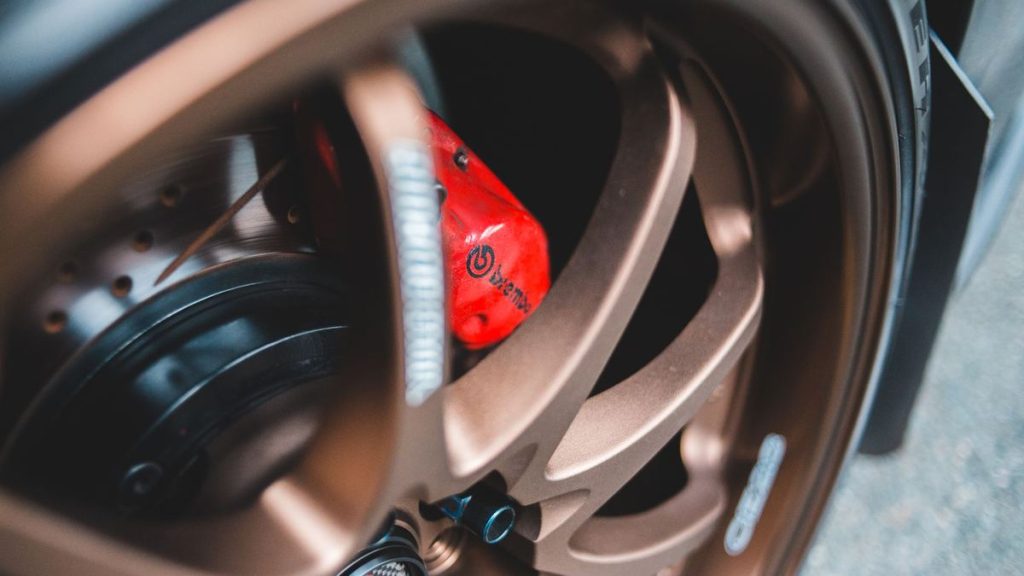
Brembo is best known for calipers and rotors, and it also sells a line of brake fluids. The L04210 listing describes this one as very low viscosity and recommends it for vehicles with the latest generation of electronic braking and stability systems, naming ABS, ESP, ASR, TCS and EBD. On a BMW, those functions sit inside the DSC system.
Brembo’s own fluid guidance places a DOT 4 Low Viscosity grade in its range for exactly that kind of car, and the description of this listing lines up with it. The thinner fluid matters most in cold weather, when the pump and valves in the hydraulic unit have to push fluid fast during an ABS or stability intervention.
The listing is brief, so check the label for the DOT rating and the container size before you open it, and match it against your reservoir cap. Brembo doesn’t list BMW part numbers on this page, so it is a choice based on specification rather than a cross-reference. It suits owners who like the idea of fluid from a brake company and whose car calls for a low viscosity grade. Bring the label to the shop if someone else does the work.
4. ATE Original SL DOT 4 Brake Fluid: Standard DOT 4 in a 1 Liter Metal Can

- Standard DOT 4 grade
- 1 liter metal tin
- Five-year shelf life listed
- Seal-compatible with DOT brake systems
ATE is a German brake brand with a long history in European cars, and Original SL is its standard DOT 4 fluid. The listing describes it as a regular DOT 4 grade in a metal tin, with a five-year shelf life and seals compatibility for the DOT brake fluids used in cars and motorcycles. It also gives a flash point of 200 degrees Celsius.
This is the fluid to consider for an older BMW whose cap or manual lists plain DOT 4 rather than a low viscosity grade. A metal can blocks moisture better than many plastic bottles while it sits on a shelf, which helps if you buy fluid ahead of a spring flush. The one-liter size covers a large share of a typical flush, and a second can removes the risk of running short.
It is not a low viscosity fluid, so it is the wrong pick for a later car whose cap asks for DOT 4 LV. Mixing it with LV fluid will not damage anything because both are glycol based, but the cold-weather benefit of the LV grade is lost. Flush the system fully if you are switching grades, and close the can tightly between uses.
View ATE Original SL DOT 4 on Amazon
5. Motul DOT 5.1 Synthetic Brake Fluid: Non-Silicone, Low Viscosity Fluid, 500 ml 2-Pack

- Non-silicone glycol DOT 5.1
- Low-viscosity formula for ABS, ESP and ASR
- Compatible with DOT 3, DOT 4 and DOT 5.1 systems
- Two 500 ml bottles
Motul’s DOT 5.1 is a synthetic, non-silicone fluid aimed at modern cars with ABS, ESP, ASR and other electronic braking aids. The listing describes a low-viscosity formula for quick circulation in those systems, along with high boiling point characteristics that help resist vapor lock and fade during repeated hard stops, towing or spirited driving.
Motul states it is compatible with brake and clutch systems that call for DOT 3, DOT 4 or DOT 5.1 non-silicone fluid. That matters because DOT 5.1 is easy to confuse with DOT 5, which is silicone based and does not mix with the glycol fluids in a BMW. The listing also mentions corrosion inhibitors that protect calipers, master cylinders and ABS units from moisture damage.
Two 500 ml bottles together cover a liter, which is a reasonable start for a flush. Some owners pick DOT 5.1 for the extra heat margin on mountain trips or spirited back roads, but your reservoir cap remains the guide, and a car built for DOT 4 LV is already well served by an LV fluid. Treat it as an option for owners who want more heat resistance, not a required upgrade.
6. Penray 6632 Synthetic HD DOT 4 Plus Brake Fluid: Low Cold Viscosity, 32 oz

- Dry boiling point listed above 480 F
- Wet boiling point listed above 325 F
- Viscosity under 750 cSt at -40 F
- Meets FMVSS No. 116 and SAE J1704
Penray’s HD DOT 4 Plus is a synthetic fluid in a 32 ounce bottle, which is close to a full liter. Its listing is more specific than most, quoting a dry boiling point above 480 degrees Fahrenheit, a wet boiling point above 325 degrees and a viscosity below 750 centistokes at minus 40, along with compliance with FMVSS No. 116 and SAE J1704.
That cold viscosity figure is the number to notice. It puts the fluid in the thin-when-cold territory that low viscosity specifications aim for, while the boiling points give a comfortable margin for heavy braking. Penray pitches it for high performance use, temperature extremes and high altitude, and the listing also mentions corrosion protection for the system.
Penray doesn’t list BMW part numbers, and the label says DOT 4 Plus rather than DOT 4 LV, so check that it matches what your reservoir cap asks for before using it on a later car. It is a sensible choice for an older BMW that calls for standard DOT 4, or for an owner who wants a large single bottle for a flush. Store the opened bottle tightly capped and use it up soon.
View Penray HD DOT 4 Plus on Amazon
Matching the Fluid to Your BMW
Picking the best brake fluid for BMW models starts with the cap, and this table maps each grade to the fluids above. If the two ever disagree, the cap wins.
| What your BMW calls for | Fluids in this guide | Watch for |
|---|---|---|
| DOT 4 LV or low viscosity on the cap | Genuine BMW, Pentosin DOT 4 LV, Brembo L04210 | Pentosin comes in 250 ml bottles |
| Standard DOT 4 on an older car | ATE Original SL, Penray HD DOT 4 Plus, or any of the LV fluids | Flush fully when changing grades |
| Higher heat margin for hard street driving | Motul DOT 5.1 | Glycol DOT 5.1 only, never silicone DOT 5 |
| Top-up between services | The same fluid already in the system | A dropping level can mean worn pads or a leak |
A falling reservoir level is usually the pads wearing down, because the caliper pistons sit further out and hold more fluid. If you are due for pads at the same time, our guide to quiet brake pads for daily driving covers the options.
When the Service Reminder Says Brake Fluid
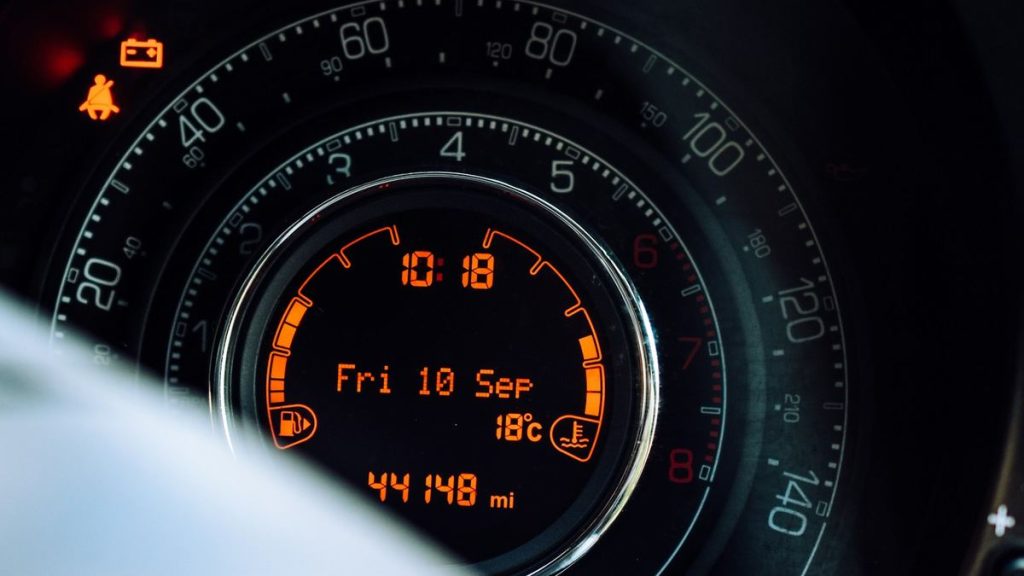
Recent BMWs use Condition Based Service, and the US maintenance booklets list brake fluid as a date-based item that shows in the car’s service display. Go by the date your car shows rather than a mileage figure from a generic chart. Brembo’s brake fluid guidance generally suggests a change every 2 to 3 years while telling drivers to follow the vehicle maker first.
Our article on how often to change brake fluid explains the moisture problem in more detail. After a home flush the reminder needs resetting, which many BMW-capable tools in our guide to the best scan tool for BMW owners can handle.

Grand Rapids winters test brake systems hard, and glycol fluid keeps absorbing moisture between services. A brake fluid tester pen gives a rough read on moisture between services.
When to Let a Shop Do the Bleed
Bleeding a BMW properly means working through each corner in order without letting air into the ABS unit, and on some cars a scan tool is used to cycle the ABS pump during the job.
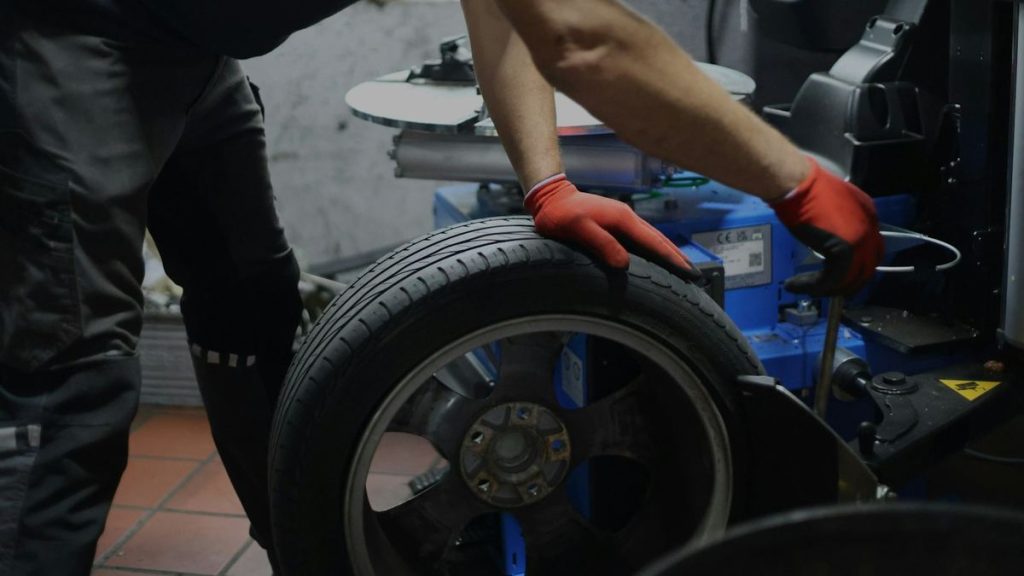
A soft or sinking pedal after a flush points to air in the system, and you should not drive the car until it is fixed. Our brake repair service in Grand Rapids handles fluid flushes, bleeding and the pads, rotors and calipers around them, and our foreign car repair team works on European vehicles every week. For club-level technical help, the volunteer Technical Service Advisors at the BMW Car Club of America answer members’ questions.
More Buying Guides
Frequently Asked Questions
Do I have to use genuine BMW brake fluid?
Not necessarily. What matters is matching the grade on the reservoir cap or in the manual, often DOT 4 LV on later cars. Genuine fluid removes any doubt, while brands such as Pentosin list BMW part numbers their fluid is meant to replace.
Can I mix DOT 4 and DOT 5.1 in a BMW?
Glycol DOT 3, DOT 4 and DOT 5.1 fluids are designed to mix, so a small top-up won’t harm the system. Silicone DOT 5 is different and must never go in. For best results, flush completely with one fluid rather than topping up with another.
How often should BMW brake fluid be changed?
Follow the date in your car’s service display, which BMW sets through Condition Based Service. Brembo generally suggests 2 to 3 years for brake fluid, but the vehicle maker’s schedule comes first, and track use calls for more frequent changes.
What is the best brake fluid for BMW X3 and X5 models?
The same rule applies to the SUVs: use the grade on the cap. For a later X3 or X5 that calls for low viscosity fluid, genuine BMW fluid, Pentosin DOT 4 LV or Brembo L04210 fit that description.
BMW brake fluid reminder on the dash? Call 456 AutoFix in Grand Rapids at 616-279-3832, Monday to Friday 8am to 5pm, or book a brake fluid flush on our contact page.
Can’t get here during the day? Use our after-hours drop-off at 456 Carrier St NE in Creston.