As an Amazon Associate, 456 AutoFix earns from qualifying purchases. Product links below go to Amazon, where you can confirm the right part for your vehicle.
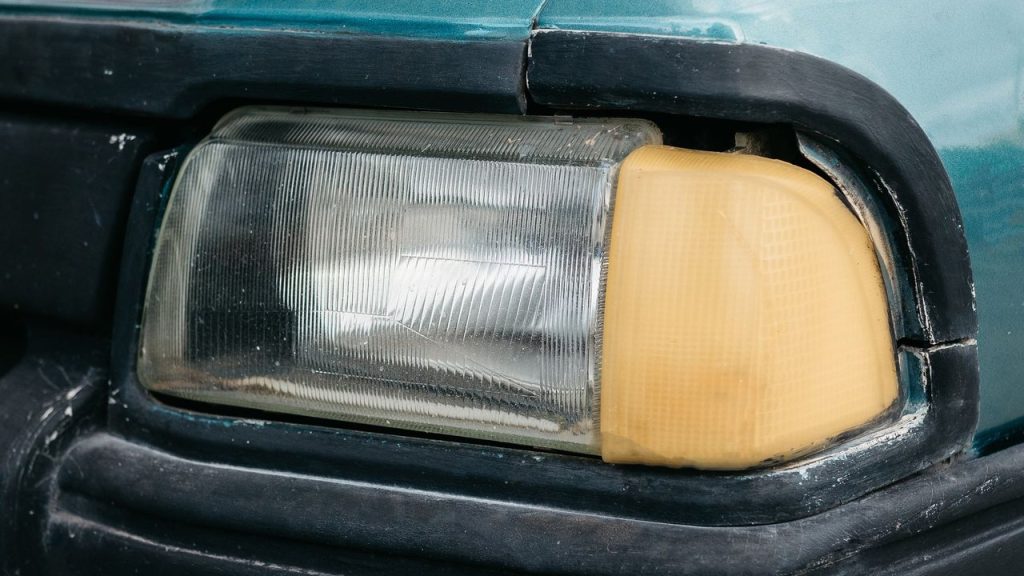
Unpainted plastic is usually the first part of a car to look old. Bumper corners, cowl panels and mirror caps go from black to chalky gray long before the paint gives up, and the best plastic restorer for cars is the one that matches how far gone that plastic is and how long you want the result to last.
This page covers why trim fades, the three kinds of restorer on the shelf, and six specific products sorted from quick sprays to longer-lasting coatings. For rubber seals, interior vinyl and the wider category, our trim restorer buying guide goes broader.
Quick answer
What is the best plastic restorer for cars?
For lightly faded trim, a dry-to-the-touch restorer like CAR GUYS Plastic Restorer is the easy all-rounder. Badly grayed, textured plastic responds better to a thick gel such as the Chemical Guys Black Trim Restorer kit, and if you want protection measured in years rather than weeks, prep carefully and apply a ceramic coating like Dr. Beasley’s Plastic Trim Coating.
Our Quick Picks
Three top picks for different levels of fading, from a quick wipe-on to a long-term ceramic coat:

CAR GUYS Plastic Restorer
Wipe-on restorer that cures dry instead of staying greasy.

Chemical Guys Black Trim Restorer Gel Kit
Thick gel that stays put on grained, uneven plastic.

Dr. Beasley's Plastic Trim Coating Kit
Ceramic nano coating sold as a full prep-and-coat system.
Why Black Exterior Plastic Turns Gray
Most bumper covers, cowls and flares are molded from polypropylene blends with carbon black and oils mixed in. Sunlight slowly breaks down the surface, and the oils that kept it dark migrate out over time. What you see as gray is a thin layer of dried, oxidized plastic that scatters light instead of absorbing it.
Harsh cleaners speed it up. Strong degreasers, frequent touchless washes with high-pH soap and winter salt brine all strip whatever protection the plastic still has.
Dressing, Polymer or Ceramic: Choosing a Black Plastic Trim Restorer
The labels overlap, but nearly every product falls into one of three groups. Knowing which one you are holding tells you more than the marketing does.
- Spray restorers and dressings: quick to apply, darken the plastic right away and add some UV protection. They are the right fit for trim that is only starting to fade, and they need reapplying more often.
- Polymer or pigmented liquids: wiped on with a cloth or pad, they soak into the surface and bring back color on plastic that has gone properly gray. Wipe any overspray off paint and glass promptly.
- Ceramic (SiO2) trim coatings: cure into a hard, water-repelling layer. They demand clean, dry plastic and more patience, and in return the makers rate them for many months or more.
Best Plastic Restorer for Cars: Six Picks Up Close
The six products below start with sprays and wipe-on restorers for everyday upkeep, then move to the two ceramic options for owners who would rather do the job once a season.
1. CAR GUYS Plastic Restorer: 8 oz Kit with Foam Applicator for Plastic, Rubber and Vinyl
- 8 oz bottle with foam applicator
- Dries to the touch, non-oily
- Repels water once cured
- Interior and exterior surfaces
CAR GUYS Plastic Restorer is a wipe-on liquid sold as an 8 oz kit with its own foam applicator. It is made for plastic, rubber and vinyl, and the listing describes it as suitable for both interior and exterior surfaces, so one bottle can handle bumper corners, door handles and some cabin trim.
The main selling point is the finish. Many trim products stay wet and oily for days, attract dust and leave streaks down the paint after the first rain. This one is designed to dry fully to the touch and then repel water, and the maker says the result lasts for several months rather than a few days. A dry finish also means it will not ruin your microfiber towels or transfer onto clothing when you lean against the car.
In practice it works well on trim that has gone dull or mid-gray but is not cracked. Clean the plastic thoroughly first, work a thin layer into the grain with the pad, and buff off anything left on the surface. Heavily oxidized, white-looking plastic may need a second coat. Owners who want protection measured in years rather than months should look at the ceramic coatings further down this list.
View CAR GUYS Plastic Restorer on Amazon
2. Meguiar’s Ultimate Black Plastic Restorer: 10 oz Spray with UV Clear Coat Technology

- 10 oz size
- UV clear coat technology
- Quick-drying, non-greasy
- Bumpers, moldings, mirrors, cowls
Meguiar’s Ultimate Black Plastic Restorer is one of the most familiar names in this category, and this listing covers the 10 oz size. It is made for exterior plastic trim and also lists vinyl and rubber, with bumpers, moldings, door handles, side mirror housings and windshield cowlings named as typical surfaces.
Meguiar’s builds it around what it calls UV clear coat technology, intended to outlast ordinary protectants, and the listing claims the darkness and shine hold up even after 100 washes. The formula is non-greasy and quick-drying, and it is designed not to streak or leave drip marks, which matters on vertical trim where runs show up quickly. The spray format makes it fast to apply around badges and grille slats.
This is a sensible choice for trim that is still mostly black and just needs bringing back to a uniform finish, or for keeping new trim from fading in the first place. Mask nearby paint and glass when spraying, and wipe any mist off before it dries. On badly chalked, rough plastic, a wipe-on polymer restorer usually gives a more even result because it can be worked into the texture by hand, so consider one of those for older vehicles.
View Meguiar's Ultimate Black on Amazon

3. Mothers Back-to-Black 06112: Two 12 oz Trim and Plastic Restorer Bottles with Microfiber Cloth

- Two 12 oz bottles of part 06112
- Liquid Back-to-Black formula
- Large microfiber cloth included
- For faded exterior trim and plastic
This listing is a three-item bundle built around Mothers Back-to-Black Trim and Plastic Restorer: two 12 oz bottles of part 06112 plus one large Peak microfiber cloth. It is the liquid version of the familiar Back-to-Black line, the name many drivers have in mind when they look for a back to black restorer.
A liquid suits work done by hand. You can put a small amount on a cloth or pad and press it into textured bumpers, cladding and mirror caps, controlling exactly where it goes, which is harder with a spray around paint and glass. Two bottles make sense for an SUV or pickup with wide fender flares, step pads and lower door cladding, or for a household with more than one car to keep up. The included cloth gives you a clean towel for buffing off the excess.
Mothers designs Back-to-Black as a restorer and protectant for faded trim rather than a semi-permanent coating, so plan on reapplying it as the finish wears, especially after a winter of salt and frequent washes. Clean the plastic first and let it dry. Read the bottle’s directions for the surfaces it lists, and keep it off tires, pedals and anything you grip, since a slick finish has no place there.
View Mothers Back-to-Black Liquid Bundle on Amazon
4. Chemical Guys TVD122KT: Black Trim Restorer Gel Kit with Applicators for Exterior Plastic and Rubber
- Kit part TVD122KT
- Thick gel formula
- Dedicated applicators included
- Plastic, rubber and vinyl exterior trim
The Chemical Guys Black Trim Restorer Gel Kit, part TVD122KT, pairs a black trim restorer gel with dedicated applicators. It is made for faded exterior plastic, rubber and vinyl, and the listing names sun-worn bumpers, mirror housings, cowl panels, moldings and exterior accents as the target surfaces.
The gel format is the point of difference. A thick gel stays where you put it instead of running down a vertical panel, and with the applicators it can be worked into textured, uneven trim for even coverage and less mess. Chemical Guys says it brings back depth and a uniform dark finish without altering the surface texture, which matters on grained plastic that looks wrong when it turns glossy.
This kit makes sense for trim that has gone noticeably gray and patchy, such as a windshield cowl or the lower bumper corners that catch the most sun and road grime. Wash and dry the plastic, apply a small amount with the applicator, and spread it thinly before wiping away anything left standing on the surface. Tape off paint along the edges of narrow moldings. It is a restorer rather than a ceramic coating, so expect to top it up as the seasons go by.
View Chemical Guys Black Trim Restorer Gel Kit on Amazon
5. 3D GLW Series SiO2 Ceramic Trim Restore: 16 oz Hydrophobic Trim Reviver

- 16 oz bottle, GLW Series
- SiO2-infused formula
- Hydrophobic with UV protection
- Dry-to-the-touch finish
3D SiO2 Ceramic Trim Restore is part of the brand’s GLW Series and comes in a 16 oz bottle. It is made to revive faded and weathered trim, plastic molding and bumpers to a deep dark finish, and it is infused with SiO2 to add protection on top of the color.
The listing highlights hydrophobic properties and UV protection that form a barrier against sun, weather and contaminants. The formula is dry to the touch, so it does not leave the greasy film that collects dust and streaks in the rain. Application is simple: spread it with an applicator pad or a microfiber towel, and the product works into the surface to bring back the black color of dull, oxidized trim.
Think of it as a middle step between a basic spray and a full coating. A 16 oz bottle covers a lot of trim, which suits owners of larger vehicles or anyone treating the same car several times a year. As with any SiO2 product, it bonds most reliably to clean, dry plastic, so remove old silicone dressing before applying and avoid washing the car until it has had time to set. Keep it off windshield glass, where it can smear in the wipers’ path.
View 3D SiO2 Ceramic Trim Restore on Amazon
6. Dr. Beasley’s Plastic Trim Coating Kit: Ceramic Nano Coating with Prep and Foam Applicator
- 1 oz coating plus 2 oz prep
- Foam block applicator included
- UV inhibitors against fading
- Hydrophobic, resists marring and etching
Dr. Beasley’s Plastic Trim Coating Kit is a ceramic nano coating for exterior plastic trim, sold as a small system rather than a single bottle. The kit holds 1 oz of Plastic Trim Coating, 2 oz of Plastic Trim Coating Prep and a foam block applicator, and the maker describes the cured result as a permanent, invisible barrier.
The prep step is part of the design. Dr. Beasley’s says the prep neutralizes the pH of the plastic so the coating can form a cross-linked bond with the surface. Once cured, the coating carries UV inhibitors meant to stop sunlight breaking down the plastic’s color, and it is hydrophobic, so water and mud slide off in a rinse, with resistance to fine marring and etching also claimed.
This kit suits trim that is clean, sound and already dark, or freshly restored, when the goal is to keep it that way for years. Wash the plastic thoroughly and let it dry, apply the prep, then spread the coating thinly with the foam block one panel at a time. Mask nearby paint and wipe any stray coating off before it cures. A single ounce goes on thinly, so measure the trim on larger trucks and SUVs before deciding whether one kit is enough.
View Dr. Beasley's Plastic Trim Coating Kit on Amazon
Which Type Suits Your Trim
Use the state of the plastic, not the brand, as your starting point.
| Your trim | Product type | Example from this list | What to expect |
|---|---|---|---|
| Slightly dull, still mostly black | Spray restorer | Meguiar’s Ultimate Black, Mothers Back-to-Black | Fast refresh, top up through the season |
| Chalky gray, textured surface | Wipe-on polymer liquid | Chemical Guys gel kit, CAR GUYS | Color comes back, a second coat may help |
| Restored or nearly new, want it kept that way | SiO2 liquid | 3D SiO2 Ceramic Trim Restore | Dry finish that beads water |
| Clean, dry plastic and time to prep | Ceramic coating | Dr. Beasley’s Plastic Trim Coating Kit | Long UV protection with careful prep |
Trim that has cracked, split or turned brittle is past what any bottle can fix. If the bumper is painted rather than raw plastic, you are dealing with clear coat, and our car scratch remover comparison is the better place to start.
Prep and Application, Step by Step
- Wash and scrub: clean the plastic with car soap and a soft brush to lift grime and old dressing out of the grain.
- Strip residue: for coatings, follow with an all-purpose cleaner or the panel wipe the maker suggests, then let it dry fully.
- Mask the edges: painter’s tape along painted panels and glass keeps the product where it belongs.
- Apply thin: work a small amount into the surface with a foam pad or the supplied applicator, one section at a time.
- Level and wait: buff off any excess, then keep the car out of rain for the cure time on the label.
Aerosols and solvent-based car-care products release fumes as you use them. The EPA’s guide to volatile organic compounds lists aerosol sprays and automotive products among the sources and advises working outdoors or with an exhaust fan when a label calls for good ventilation. Wear nitrile gloves, and eye protection when spraying overhead.

Rock chips in a painted bumper cover sit right next to the trim you just restored. A dab from our touch up paint for rock chips guide keeps them from spreading, and it is easier to do both jobs on the same dry afternoon.
Salt Season, Car Washes and Grand Rapids Winters
West Michigan trim gets a harder life than most. Brine and slush coat the lower plastic for months, and the frequent washes needed to rinse it off strip light dressings in a few weeks. For a daily driver, the best plastic restorer for cars is often a ceramic product applied in fall, before the first salt trucks run.
Underneath, the same salt is working on steel. Our roundup of undercoating for road salt covers frame and floor protection, which matters more to the life of the car than shiny bumpers.
Some faded plastic tells a bigger story. A cracked cowl panel can let water into the cabin air intake, and a bumper cover that sits crooked often points to hidden crash repair. Shopping for a used car whose trim looks freshly dressed? A pre-purchase inspection in Grand Rapids looks past the shine at brakes, suspension and rust before you commit.
More Buying Guides
Frequently Asked Questions
What is the best back to black plastic restorer for cars?
Mothers Back-to-Black is the product most people mean by that name. The liquid version, part 06112, is reviewed above as a two-bottle bundle with a microfiber cloth, which suits wiping it into textured cladding and bumpers by hand.
How long does plastic restorer last on exterior trim?
It depends on the type and on how often you wash. Spray dressings typically need topping up every few weeks to a couple of months, SiO2 liquids last longer, and full coatings like the Dr. Beasley’s kit are sold as lasting years when the plastic is properly prepped.
Can I use exterior plastic restorer on my dashboard?
Only if the label lists interior surfaces. Some products here are sold for both, others are exterior-only. A glossy finish on a dash can also reflect into the windshield, so a matte interior protectant is usually the better choice inside.
Will plastic restorer work on a painted bumper?
No. Painted bumpers have clear coat, which fades and scratches differently, and it needs polish, compound or touch-up paint. Plastic restorer is for raw, unpainted plastic, so wipe any that lands on paint before it dries.
Trim looking tired is the cosmetic part; the brakes, suspension and exhaust underneath are where we come in. To get your car in front of us, phone 456 AutoFix at 616-279-3832 between 8am and 5pm on a weekday, or request a time through our contact page.
Working hours that clash with ours? Bring the car to 456 Carrier St NE after closing, use the after-hours drop-off, and leave a short note on what you want checked.