As an Amazon Associate, 456 AutoFix earns from qualifying purchases. Product links below go to Amazon, where you can confirm the right part for your vehicle.
Gray, chalky bumpers and cowl panels make a clean car look tired, and a few Michigan winters of salt brine and automatic washes speed that up. The best trim restorer for your car depends on how far gone the plastic is and how long you want the result to last before you reapply.
Below we sort the four kinds of product sold as trim restorers, then review six of them, from a quick aerosol to a ceramic coating meant to last seasons. Paint chips and scuffs near the trim are a different job, so pair this guide with our touch up paint for rock chips guide if the bumper cover needs both.
Quick answer
Which trim restorer brings faded black plastic back?
For badly faded exterior plastic, a polymer restorer such as Solution Finish or a dye-infused one such as ExoForma gives the deepest black. If you want protection measured in years rather than months, a ceramic coating like GYEON Trim EVO lasts longest. A spray like Mothers Back-to-Black suits quick touch-ups between washes.
Our Quick Picks
Three starting points: a polymer restorer for heavy fading, a ceramic coating for the longest finish and an aerosol for quick touch-ups.

Solution Finish Black Trim Restorer
Wipe-on formula for gray, chalky exterior plastic and vinyl.

GYEON Trim EVO
Satin ceramic layer for the longest listed protection.
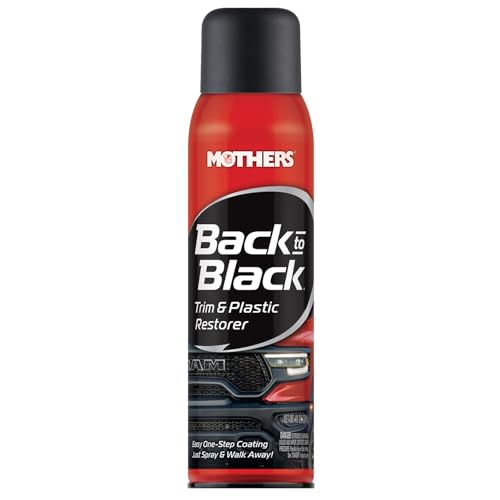
Mothers Back-to-Black Aerosol
Spray-on touch-up for tight, recessed plastic.
Why Black Plastic Trim Turns Gray
Unpainted exterior trim is usually textured polypropylene or a similar plastic with pigment and oils mixed through it. Sunlight breaks down the surface over time, the oils dry out, and the top layer turns to a pale, powdery film. Harsh wash soaps, road salt and wax residue left on the edges add to the haze.
A restorer either darkens that surface, seals it, or both. None of them turns cracked or brittle plastic back into new plastic, so a split mirror cap or a broken clip still needs a replacement part.
Four Kinds of Trim Restorer and What Each Does
Bottles on the shelf all promise black trim, but the chemistry behind them varies a lot. Knowing the type tells you more than the label:
- Dressings and sprays: sit on top of the plastic, darken it right away and are easy to reapply. Expect to touch them up every few weeks to a few months.
- Polymer or pigmented restorers: bond to the surface and carry color, so they cover heavier fading and resist rain better than a plain dressing.
- Dye-infused restorers: stain the plastic with black dye. They suit very faded trim and are messier to apply, so mask paint first.
- Ceramic coatings: use SiO2 or similar resins that cure hard and bead water. They need careful prep and are the closest thing to a permanent trim restorer, though nothing lasts forever in the sun.
Shoppers asking for the best trim restorer black finish should also decide between satin and gloss. Factory trim is usually satin, and a heavy gloss can look out of place next to it.
Best Trim Restorer Picks for Faded Black Plastic
The six products below run from the heaviest restoration to the quickest touch-up, with every type above covered at least once.
1. Solution Finish Black Trim Restorer: 12 oz Silicone-Free Polymer Formula
- 12 oz bottle
- Silicone-free, VOC compliant
- Advanced polymer, no wet look
- Applies with a cloth or towel
Solution Finish Black Trim Restorer is a wipe-on liquid in a 12 oz bottle, made to bring faded black vinyl and plastic back to a dark, even finish. The formula uses what the maker calls advanced polymer technology, and it is silicone-free and VOC compliant. The listing describes the result as a long-lasting finish rather than a glossy wet look, which suits textured factory trim.
You apply it with a cloth or towel, so there is no special applicator to buy, and the listing notes that a little goes a long way. It is listed for window trim, door handles, bumpers, wiper blades, mirrors, truck bed covers, seals, mud flaps and pads. It can also be used on ATVs, UTVs and boats with plastic or vinyl trim, which helps if the trailer in the driveway carries more than one faded machine.
This is a strong match for trim that has gone well past light haze into gray and chalky, where a simple dressing would soak in and vanish. Because it carries color, tape off the paint and wipe up any stray drips before they set. It is not the pick if you only want a quick shine after a wash; a spray is faster for that.
View Solution Finish Black Trim Restorer on Amazon
2. ExoForma Black Trim Restorer: 4 oz Dye-Infused Kit, Listed 6+ Months

- Dye-infused black formula
- Listed to last 6+ months
- One-coat application kit
- Exterior and interior plastic
ExoForma Black Trim Restorer is a dye-infused plastic restorer sold as a 4 oz kit, aimed at readers searching for a trim restorer with dye rather than a surface dressing. The dye works into the faded plastic to bring back a black color, and the listing says it also helps conceal light scratches and scuffs. ExoForma lists the finish as waterproof and lasting 6+ months through rain, snow and regular washes.
The kit is built around a one-coat application and includes what you need to start, so you do not have to hunt for separate pads. It is listed for bumpers, mirror casings, door handles, window trim and more, on both exterior and interior plastic surfaces. The listing also names truck beds, Jeeps and ATVs among the uses, and the formula is made in the USA.
Dye is less forgiving than a dressing, so mask the paint and keep a damp towel handy for drips. It suits sun-damaged trim where you want a deep color without layering several products. If your trim is still dark and only needs protection, a ceramic product or a light spray will do the job with less mess.
View ExoForma Black Trim Restorer on Amazon
3. GYEON Trim EVO: SiO2 Ceramic Trim Coating with Satin Finish
- SiO2 ceramic binder
- Up to 24-36 months UV resistance (listed)
- Hydrophobic, water-beading layer
- Applicator block and microfiber included
GYEON Trim EVO is a ceramic coating for plastic and rubber trim, using an SiO2 binder to restore faded black parts to a satin finish. It is the closest thing in this list to a permanent trim restorer, with the listing giving up to 24 to 36 months of UV resistance and chemical protection when the surface is properly prepped. The cured layer is hydrophobic, so water beads off instead of sitting in the texture.
The kit includes an applicator block and a microfiber wrap, which helps you lay down an even coat without wasting product. GYEON describes the formula as alcohol-free and non-oily, so it should not sling onto paint the way greasy dressings can. It is listed for bumpers, trim and engine bay plastic, which makes it useful under the hood as well as outside.
The long life depends on prep, so plan on a thorough wash, a degreasing wipe and a dry, sheltered spot while it cures. That extra time is the trade-off for skipping frequent reapplication through a Michigan winter. If you want a fast result you can redo every few weeks, an aerosol or ceramic spray will feel easier to live with.
4. Meguiar’s Hybrid Ceramic Trim Restorer: Wipe-On Protection for Exterior Plastic

- Hybrid ceramic protection
- Restores darkness and shine
- Wipe on thin, wipe off excess
- Unpainted exterior plastic and vinyl
Meguiar’s Hybrid Ceramic Trim Restorer sits between a dressing and a full coating. It is a wipe-on liquid with hybrid ceramic protection, made to restore darkness and some shine to unpainted exterior plastic and trim. The listing points to long-lasting protection without asking for the strict prep and cure routine that a dedicated ceramic coating usually needs.
Application is simple: wipe it on in a thin, even layer, then wipe off the excess. Meguiar’s lists trim pieces, moldings, door handles, bumpers, mirror housings and windshield cowlings as suitable surfaces, covering most of the black plastic on a typical car, truck or SUV. That cowl mention matters, because the strip below the windshield takes a lot of sun and often fades before the bumpers do.
This is a good middle choice for a reader who wants better staying power than a spray but does not want to mask, dye or wait out a long cure. It leans toward a richer look than a matte factory finish, so test a small area first if you prefer satin. Very chalky, gray plastic may need a pigmented restorer underneath before this layer goes on.
View Meguiar's Hybrid Ceramic Trim Restorer on Amazon
5. CERAKOTE Rapid Ceramic Plastic Restorer: 14 oz Spray with 50 Wash Rating

- 14 oz spray bottle
- 50 wash guarantee (listed)
- Layer for more shine
- Cures dry to the touch
CERAKOTE Rapid Ceramic Plastic Restorer and Protectant is a 14 oz spray that brings ceramic chemistry to a faster, spray-and-spread routine. The listing says it restores faded exterior plastic with a rich, deep look and also protects new trim to help prevent fading in the first place. CERAKOTE backs it with a 50 wash guarantee, meaning the finish is built to hold up without fading or rinsing off for that many washes.
Unlike greasy dressings, it cures dry to the touch with a slick, non-greasy feel, so it is less likely to leave streaks down the doors after rain. You can apply it over itself as many times as needed to build the level of shine you want. That makes it handy for shoppers comparing the best trim restorer spray options who also want ceramic protection.
It suits trim that is still in decent shape, or a newer car you want to keep looking new through salty winters. Very faded, gray plastic may need more than one layer or a pigmented product first. Spray onto an applicator rather than straight at the car when you work near glass or paint, and check the bottle for the surfaces it lists.
View CERAKOTE Rapid Ceramic Plastic Restorer on Amazon
6. Mothers Back-to-Black Trim & Plastic Restorer: 10 oz Spray-On Aerosol
- 10 oz aerosol (06110)
- Removes light oxidation and chalkiness
- Spray-on, no rubbing required
- UV, smog, ozone and water protection
Mothers Back-to-Black Trim and Plastic Restorer in the 10 oz aerosol (part 06110) is the quickest product in this list to use. The listing describes a spray-on, walk-away application with no rubbing or wiping required, which revives sun-faded plastic and vinyl to a dark, factory-new look. It also removes light oxidation, chalkiness and surface film as it goes on.
Mothers lists protection against UV exposure, smog, ozone, water, chemicals and airborne contaminants. The aerosol reaches places a cloth struggles with, and the listing names grilles, fender wells, engine hoses and recessed plastic parts. That makes it a handy second product even if you use a coating on the bumpers, because honeycomb grilles and wheel-well liners are slow work with a pad.
Overspray is the main thing to watch. Cover the glass and paint nearby, or spray onto a towel when you are near them, and work with the garage door open. This is the right choice for regular upkeep and tight spaces, not for trim that has gone deeply gray, where a pigmented or dye-based restorer will cover better and last longer between coats.
View Mothers Back-to-Black Aerosol on Amazon
Spray, Wipe-On, Dye or Ceramic: Side by Side
Use this table to narrow the field before you look at individual bottles. Durability claims come from the product listings, and real life depends on prep, sun and how often the car goes through a wash.
| Type | Example | Effort | Good for |
|---|---|---|---|
| Aerosol spray | Mothers Back-to-Black | Spray and walk away | Grilles, fender wells, quick refresh |
| Ceramic spray | CERAKOTE Rapid Ceramic | Spray, spread, layer | Newer trim, wash-to-wash upkeep |
| Polymer or dye wipe-on | Solution Finish, ExoForma | Mask, wipe, buff | Heavily faded bumpers and flares |
| Ceramic coating | GYEON Trim EVO, Meguiar’s Hybrid Ceramic | Deep clean, coat, cure | Owners after the longest result |
If you are hunting for the best trim restorer spray, the aerosol wins on speed and reach into tight grilles, while a ceramic spray trades a little effort for a longer finish. The wipe-on products give you the most control on large flat areas like rear bumpers.

How to Apply Trim Restorer So It Lasts
Prep decides whether a restorer lasts a month or a season. Follow the label for your product, and use this order as a starting point:
- Wash and degrease: scrub the trim with an all-purpose cleaner and a soft brush to lift old dressing and wax, then rinse.
- Dry completely: water trapped in the texture causes streaks and weak bonding.
- Mask the paint: painter’s tape along the edges keeps dye and coating off the clearcoat.
- Apply thin: work a small amount into the grain with the applicator, one panel at a time.
- Level the excess: buff off anything that looks wet or uneven within the time the label gives.
- Keep it dry: park out of rain for the cure time listed, often longer for ceramic coatings.
Wear nitrile gloves and open the garage door while you work. The EPA lists aerosol sprays and automotive products among household sources of volatile organic compounds, and its indoor air quality guidance on VOCs says to increase ventilation and follow label instructions carefully.
What about a DIY trim restorer, such as a heat gun or household oils? Heat can bring color back briefly, but it also risks warping or scorching the plastic, and oils attract dust and wash away. A bottled product made for exterior trim is the safer route.

Trim, Salt and the Rest of the Car
Grand Rapids winters put lower trim through brine spray, slush and brushes at the car wash, so the rocker covers and wheel-arch flares fade first. Restore them in fall before the salt trucks start, and add a protective layer under the car too; our guide to undercoating for road salt covers the metal you cannot see.
If restorer residue or a slipped brush leaves light marks on nearby paint, a car scratch remover usually polishes them out. Keep tire dressings off textured trim unless the label says it is safe there.

Shopping for a used car with freshly blacked-out trim? Shiny plastic can hide cracked flares, loose clips or rust bubbling at the edges. A pre-purchase inspection in Grand Rapids looks past the cosmetics at brakes, suspension, steering and the underbody before you commit.
More Buying Guides
Frequently Asked Questions
What is the best trim restorer for cars with very faded plastic?
Heavily faded trim responds best to a product that carries color, such as Solution Finish Black or the dye-infused ExoForma kit. Clean and dry the plastic first, mask the paint, and apply thin coats.
Is there a permanent trim restorer?
No product is truly permanent, because sunlight keeps working on the plastic. Ceramic coatings come closest. GYEON lists up to 24 to 36 months of UV resistance for Trim EVO on properly prepped trim.
How do you apply trim restorer without streaks?
Degrease the trim, let it dry fully, then work a thin layer into the texture and buff off the excess. Streaks usually come from applying too much or from rain before the product has cured.
Can I use trim restorer on interior plastic?
Only if the label says so. ExoForma lists interior plastic as well as exterior, while most of the others are made for unpainted exterior trim. Interior dashboards are better served by a dedicated interior protectant.
Trim looking fine but something else on the car feels off? Dial 616-279-3832 and talk to 456 AutoFix between 8am and 5pm on weekdays, or pick a time for an inspection on our contact page.
Our address is 456 Carrier St NE, Grand Rapids, and the after-hours drop-off means you can bring the car over after work and tuck a note under the wiper about anything you noticed while restoring the trim.