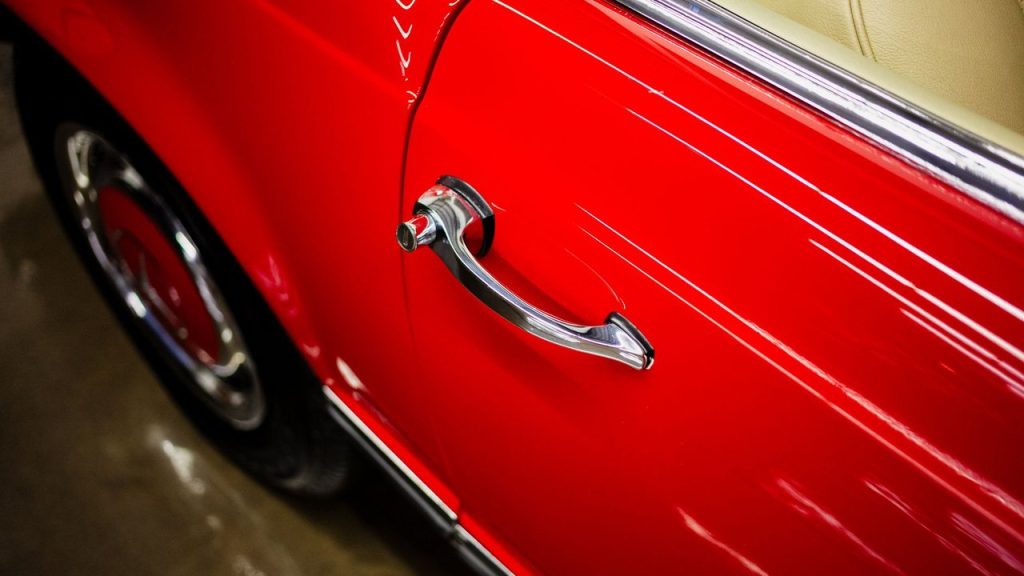
As an Amazon Associate, 456 AutoFix earns from qualifying purchases. Product links below go to Amazon, where you can confirm the right part for your vehicle.
Chalky hood paint, a hazy band where a bumper rubbed a garage wall, sanding marks around a fresh touch-up: these are rubbing compound jobs. The best rubbing compound for you depends on how deep the defect sits, whether you work by hand or with a machine, and how much clear coat you can spare, because every pass removes a little of the finish.
Below we explain what compound does, how to pick and use it, and review six pastes and liquids. For gentler all-in-one products, see our roundup of the best car scratch remover.
Quick answer
Which rubbing compound should a home detailer start with?
For small spots worked by hand, a paste such as Turtle Wax T230A is the easy entry point. With a dual action polisher, a heavy-cut liquid like SONAX CutMax or Menzerna Heavy Cut Compound 400 removes sanding marks and oxidation faster. Always follow compound with a finer polish and a protective coat.
Our Quick Picks
Three starting points: Turtle Wax T230A paste for hand work on small spots, SONAX CutMax for machine cutting of sanding marks and oxidation, and 3M Super Duty 05954 for weathered paint and gelcoat on RVs and trailers. All six compounds are reviewed below.

Turtle Wax T230A Rubbing Compound
A heavy duty paste that is easy to control on small areas.

SONAX CutMax Cutting Compound
A heavy cut, low dust compound with a long working time.

3M Super Duty Rubbing Compound 05954
A high cut liquid aimed at oxidized paint and weathered gelcoat.
What Rubbing Compound Does and Where It Fits
Rubbing compound is a paste or liquid full of fine abrasive. It shaves the clear coat down to the bottom of a scratch, swirl or oxidized layer so the surface reflects evenly again. Typical rubbing compound uses include chalky paint, light scratches that do not catch a fingernail, transfer marks and the sanding marks left after a spot repair.
- Rubbing compound vs wax: wax has no real cut. It protects the paint and goes on after compounding, as covered in our guide to the best car wax.
- Rubbing compound vs clay bar: clay lifts bonded grit without cutting paint. Clay first, so grit is not dragged under the pad.
How to Pick a Rubbing Compound for Your Paint
Menzerna notes that automotive clear coat is only a few micrometers thick, so choose the mildest product that removes the defect. Check listings for these points:
- Grit rating: makers often state the finest sanding marks a compound removes, such as P1000 or P1200. A lower number means a more aggressive cut.
- Hand or machine: pastes are easier to control by hand, while thin liquids suit a polisher and a cutting pad.
- Working time: a compound that dries fast on the pad causes dust and uneven results.
- Silicone free: body shops prefer formulas without silicones or fillers, so defects are removed rather than hidden.
Best Rubbing Compound Picks, Reviewed One by One
The six picks run from a hand-friendly paste to the heavy-cut liquids detailers and body shops use with a machine.
1. Turtle Wax T230A: 10.5 oz Heavy Duty Rubbing Compound Paste for Hand or Machine
- 10.5 oz paste in a tub
- Works by hand or with a machine buffer
- Listed for clear coat, single stage and lacquer
- Targets oxidation, swirl marks and scratches
Turtle Wax T230A is a paste rubbing compound sold in a 10.5 ounce tub, and it is the most approachable product in this guide for someone who has never compounded paint. The thick paste stays where you put it on an applicator, so it is easier to keep on a small scuff or transfer mark than a runny liquid.
The listing describes a heavy duty cleaning formula for removing scratches, swirl marks and oxidation, and it names clear coats, single stage paint and lacquers as suitable finishes. Turtle Wax says it can go on by hand or with a machine buffer. That flexibility matters if you start with a foam applicator on a bumper corner and later move up to a polisher for a full hood or roof.
In practice, this paste is a sensible choice for a faded mirror cap, a scraped bumper edge or the dull patch around a door handle. Like any coarse compound, it will leave light haze, so plan on a finer polish and a wax afterward to bring back gloss and protection. It is less suited to fast machine correction of whole cars, where a thinner liquid spreads more evenly and wipes off with less effort.
View Turtle Wax T230A Rubbing Compound on Amazon
2. 3M Super Duty 05954: 1 Quart Rubbing Compound for Paint and Gelcoat, Wax and Silicone Free
- 1 quart bottle
- Removes P1000 grade and finer scratches
- Listed for automotive and marine paint and gelcoat
- No waxes or silicones
3M Super Duty Rubbing Compound 05954 comes in a one quart bottle and is the most direct answer here for owners of RVs, travel trailers and boats. Its listing names automotive and marine paint as well as gelcoat surfaces, and it says the formula cuts through oxidation on weathered finishes.
3M states that it helps remove P1000 grade and finer scratches, which places it at the aggressive end of this list. The listing also points to a long wet time and a high cut rate, so a single application keeps working on large panels instead of drying out halfway across. Because it contains no waxes or silicones, the surface is left clean for polishing, sealing or touch-up work.
This compound suits big, flat and badly faded surfaces such as a fiberglass RV side wall, a trailer front cap or a single stage paint job that has turned chalky. It can be used by hand or machine, though a polisher saves a lot of effort on large areas. The listing marks it for industrial or occupational use, and its strong cut makes it a poor match for light swirls on a newer car, where a milder product removes less clear coat.
View 3M Super Duty Rubbing Compound 05954 on Amazon
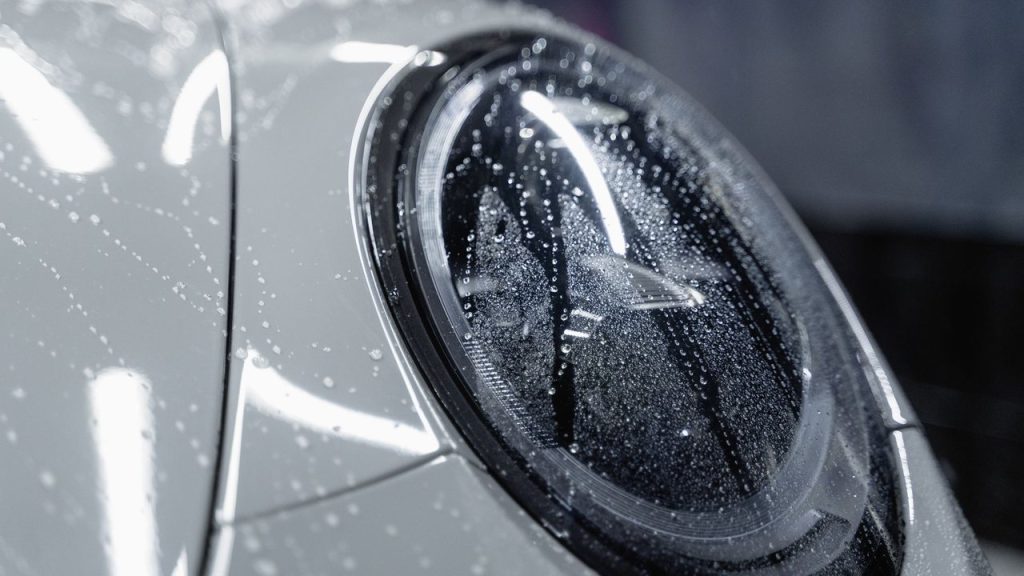
3. 3M Perfect-It EX AC 36060: 1 Quart Fast Cutting Rubbing Compound for P1200 Marks
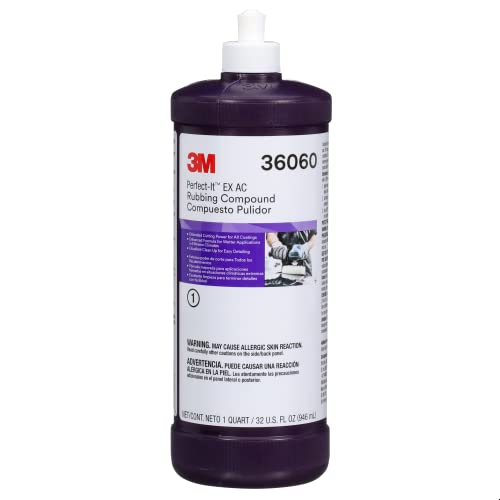
- 1 quart bottle
- Removes P1200 grade or finer scratches
- Formulated for newer, harder clear coats
- Low dusting, no residual film
3M Perfect-It EX AC Rubbing Compound 36060 is part of the Perfect-It system that many collision shops use after wet sanding a repair. It comes in a one quart bottle and is meant for machine work, with the listing describing a fast, efficient cut aimed at sanding scratches of P1200 grade or finer.
The listing calls out newer, more challenging clear coats, which are the hard, scratch resistant finishes on many recent vehicles that can shrug off softer compounds. 3M also says the formula is designed to prevent sticking and residual films, and that it reduces dusting while leaving a refined finish. Less dust means a cleaner pad, a cleaner work area and fewer trips back to wipe the panel.
This is a strong choice for removing the sanding marks left after leveling a touch-up or a run in fresh clear, and for heavy oxidation on hard factory paint. It pairs naturally with a wool or foam cutting pad on a polisher and a follow-up machine polish. Like the other 3M liquids here, it is listed for industrial or occupational use, and it is more product than most owners need for a few light swirls.
View 3M Perfect-It EX AC Rubbing Compound 36060 on Amazon
4. SONAX CutMax: 33.8 fl oz Heavy Cut Rubbing Compound, Water Based and Silicone Free
- 33.8 fl oz bottle
- Rated Cut 6/6 and Gloss 4/6
- Removes P1200 sanding marks and oxidation
- Water based, silicone free, low dust
SONAX CutMax is a heavy cut compound in a 33.8 fluid ounce bottle, and SONAX rates it at Cut 6 out of 6 and Gloss 4 out of 6 on its own scale. The listing says it removes P1200 sanding marks, scratches, dust inclusions and severe oxidation, which places it among the strongest products in this guide.
The formula is water based and free of solvents, silicones and petroleum, according to SONAX, and it is designed to resist drying out while keeping dust low. That long working time gives you more passes per application and helps keep pads from clogging. SONAX lists it for rotary or dual action machines with a foam or wool pad, chosen by the level of cut the job needs, and describes it as body shop safe with no fillers to mask defects.
CutMax makes sense for owners with a dual action polisher who are tackling heavily weathered paint, deep swirls or a wet sanded repair. The gloss rating means it leaves a finish that still needs a polishing step afterward. It is not designed for hand application and is far more aggressive than light maintenance calls for, so test a small area and use the softest pad that still removes the defect.
View SONAX CutMax Cutting Compound on Amazon
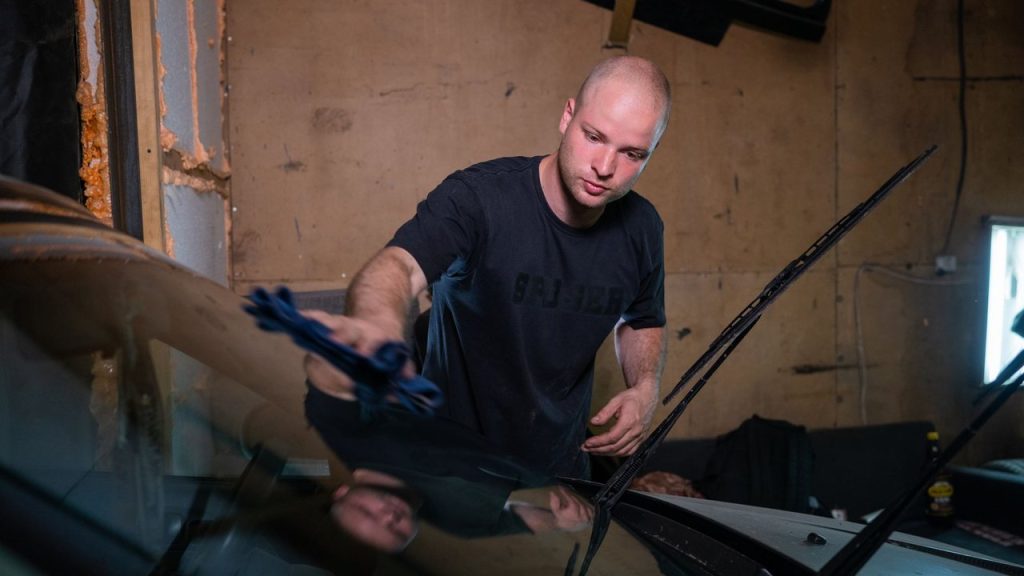
5. Menzerna Heavy Cut Compound 400: 8 oz Silicone Free Cut and Finish Compound

- 8 oz bottle
- Heavy cut with a finish good enough for many jobs
- For orbital or rotary polishers
- Silicone free
Menzerna Heavy Cut Compound 400 is an 8 ounce, silicone free compound from a German company that, according to the listing, has worked on polishing for more than 130 years. Menzerna positions it as an all-rounder, describing it as a heavy cut compound, a medium cut polish and a finisher in one bottle.
The listing pairs it with Menzerna’s red heavy cut foam pad on an orbital or rotary machine, and it says the product handles holograms, uneven dullness and light to medium scratches. Menzerna advises cleaning the paint first, working with moderate pressure that you ease off as you go, and stopping when the oily film turns slightly translucent. It also mentions using a hand pad for small touch-ups where you want extra control.
This compound suits owners who want to correct a daily driver without juggling several bottles, especially on paint with moderate swirls rather than deep sanding marks. On softer paint it may finish well enough to go straight to protection, but on hard clear coat Menzerna still suggests a finishing polish. The 8 ounce size covers a few cars at most, so heavier users may prefer a larger bottle from the same range.
View Menzerna Heavy Cut Compound 400 on Amazon
6. Griot’s Garage BOSS Fast Correcting Cream: 16 oz Compound for Severe Swirls and Oxidation
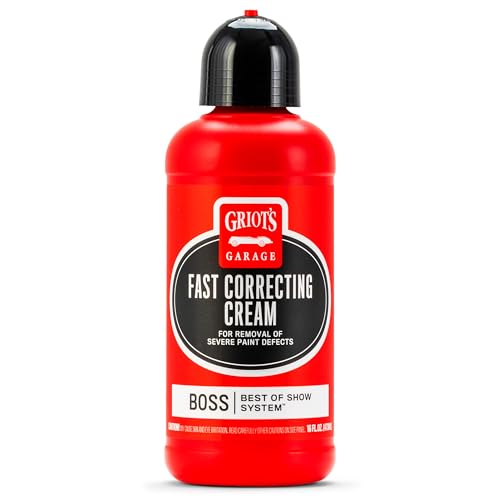
- 16 oz bottle
- Targets moderate to severe defects
- Extended working time, dust free wipe-off
- Pairs with BOSS cutting pads
Griot’s Garage BOSS Fast Correcting Cream is the cutting step in the company’s Best of Show System, sold in a 16 ounce bottle. Griot’s describes a formula with high loads of tiny abrasives that works through deep scratches, heavy swirls and oxidation, preparing paint for the polishing or sealing steps that follow.
The listing highlights a smooth application with extended working time, so you can finish a section without reapplying, plus a quick, dust free wipe-off. Griot’s recommends pairing it with BOSS Fast Correcting Foam or Microfiber Fast Cutting pads when you need the most bite, or with softer BOSS pads to tone the cut down. That pad-driven approach lets one bottle cover a range of defect depths.
This cream fits owners who already use, or plan to buy, Griot’s polishers and pads and want each step to match. It is a good option for daily drivers with years of car wash swirls or oxidation on the hood and roof. The cream is aimed at machine work rather than hand rubbing, and if your paint only has light marks, the milder BOSS Correcting Cream in the same range is the gentler starting point.
View Griot's Garage BOSS Fast Correcting Cream on Amazon
How to Use Rubbing Compound by Hand or Machine
Work in shade on cool paint, with gloves, eye protection and a fan or open garage door, as the labels advise.
- Wash and clay so the pad cuts paint, not dirt.
- Tape edges and trim: paint is thinnest on body lines, and compound stains textured plastic.
- Test a 2 by 2 foot spot with the mildest pad, then check it under bright light.
- Work a few drops in overlapping passes with even pressure, by hand or at low machine speed.
- Wipe residue with a clean microfiber towel before it dries, then finish with polish and wax or sealant.

A machine makes whole panels practical. Our guide to the best dual action polisher explains why a DA is the safer first machine: its random orbit makes it much harder to burn an edge than a rotary buffer.
Matching the Compound to the Job
The best rubbing compound for cars with light swirls is rarely the right one for an RV roof or a sanded repair.
| Job | Compound style | Example from this guide | Watch for |
|---|---|---|---|
| Small scuff or transfer mark, by hand | Paste for hand or machine | Turtle Wax T230A | Haze that needs a polish |
| Oxidized RV, trailer or boat gelcoat | Liquid listed for gelcoat | 3M Super Duty 05954 | Decals and seams |
| Sanding marks after a spot repair | Heavy-cut, silicone-free liquid | 3M Perfect-It EX AC, SONAX CutMax | Paint cure time on the label |
| Swirls on a daily driver | Machine compound, long working time | Menzerna 400, Griot’s BOSS Fast | Edges and body lines |
For a light refresh, a rubbing compound alternative such as a finishing polish or cleaner wax removes far less clear coat. If the paint feels rough but looks sharp, start with our clay bar kit guide instead.

Salt, Grit and Spring Paint Work in West Michigan
A Grand Rapids winter leaves paint dull with salt film and chipped by gravel. Spring is the natural time to compound, once temperatures suit the label. Fill chips first with a product from our guide to the best touch up paint for rock chips, let it cure, then level the area gently.
The frame and floor pans take the real salt damage, though. Our roundup of the best undercoating for road salt covers the metal you cannot see.

When Rubbing Compound Is the Wrong Fix
Even the best rubbing compound cannot replace missing paint. If a scratch shows primer or bare metal, compounding only thins the clear around it, and peeling clear or bubbling rust needs a body shop. Paint work is not on our services list, but a curb strike that scraped the paint can also bend an exhaust hanger or a steering part, so browse the repair services we offer.
More Buying Guides
Frequently Asked Questions
What is the difference between rubbing and polishing compound?
Rubbing compound has coarser abrasives and removes oxidation, sanding marks and light scratches. Polishing compound is finer and clears the haze compound leaves, bringing back gloss. Most jobs use compound first and polish second.
Can rubbing compound replace wax?
No. Compound removes a thin layer of paint, while wax adds protection on top. Freshly compounded paint is bare, so finish with polish and then a wax, sealant or coating.
What is the best rubbing compound for an RV?
For oxidized fiberglass and gelcoat, pick a compound whose label lists gelcoat, such as 3M Super Duty 05954. Check the RV maker’s care guidance, test a hidden spot and keep clear of decals.
Compounded the paint and found a brake line or exhaust hanger rusting underneath? Talk it over with 456 AutoFix at 616-279-3832 on any weekday from 8am to 5pm, or tell us what you spotted through our contact page.
Spring detailing is a good moment to have us look at the parts the salt reached first, so bring the freshly buffed car to 456 Carrier St NE in Grand Rapids and we will check underneath. If your schedule runs past closing, the after-hours drop-off is there for you.