456 Carrier St NE, Grand Rapids, MI 49505 Mon to Fri, 8:00am to 5:00pm. After-hours drop-off available 456autofix@gmail.com

Category: Audi & European

  • Audi Water Pump and Thermostat Housing Failure: Symptoms to Watch For

    Audi Water Pump and Thermostat Housing Failure: Symptoms to Watch For

    A low coolant warning on your Audi is easy to shrug off. Top it up, the light goes out, and life goes on. But on many Audi four-cylinder engines, that warning is one of the first Audi water pump failure symptoms, and the leak behind it rarely fixes itself.

    Here is what to look and smell for, how urgent each sign is, and when to park the car.

    Quick answer

    What are the most common Audi water pump failure symptoms?

    The usual signs are a low coolant warning that keeps coming back, a sweet syrupy smell after driving, pink or purple crust near the front or side of the engine, a temperature gauge that swings, weak heat from the vents and, at worst, overheating. A rising gauge or steam means stop driving right away.
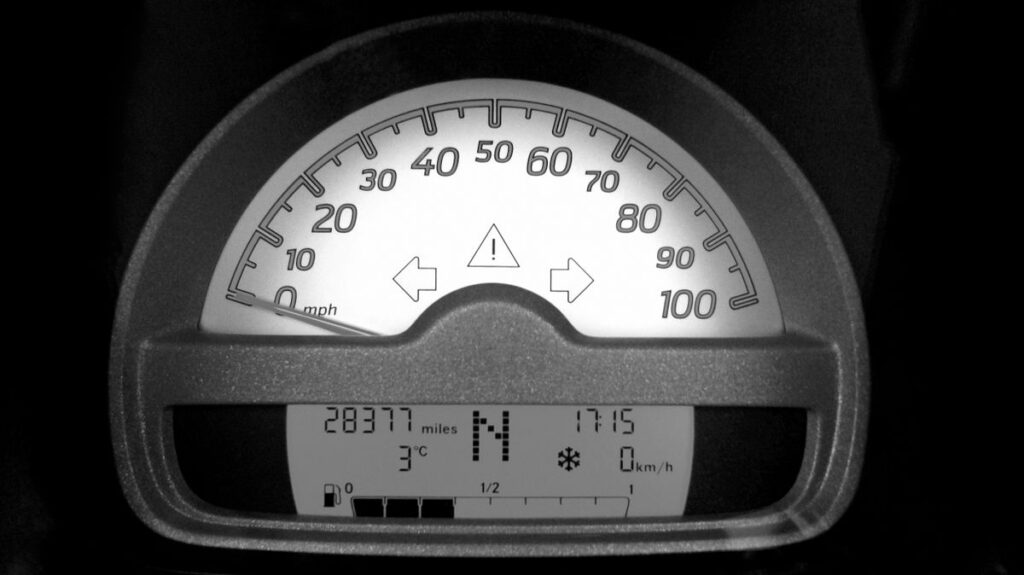
    Speedometer display with a warning symbol lit

    Why the Audi 2.0T Water Pump and Thermostat Housing Leak

    Many Audis with the 2.0-liter turbo four-cylinder (the EA888 family) use a water pump and thermostat housing built as one plastic assembly. It sits near the hot exhaust side and goes through constant heat cycles.

    Febi’s water pump with thermostat housing tech tip, written for 1.8 and 2.0 TFSI engines, says heat cycles can distort the sealing surfaces. Coolant then leaks from between the pump and the thermostat module, or from between the module and the engine block. Owners of newer engines report similar leaks, and parts vary by engine code, so treat this as a guide.

    7 Audi Water Pump Failure Symptoms to Watch For

    1. The Low Coolant Warning Keeps Coming Back

    A sealed cooling system shouldn’t lose coolant. If the warning returns every few weeks after a top-up, coolant is escaping somewhere. A slow seep at the pump housing is a common culprit on these engines.

    2. A Sweet Smell After You Park

    Coolant has a sweet, syrupy smell. Because the housing sits near hot exhaust parts, small drips often boil off before they reach the ground. That’s why many owners smell coolant in the garage but never see a puddle.

    3. Pink or Purple Crust on the Engine

    Audi coolant is usually pink, red or violet, depending on the type your car uses. When it leaks and dries, it leaves a crusty pink, purple or whitish residue. Check with a flashlight around the pump housing and the top of the transmission bell housing.
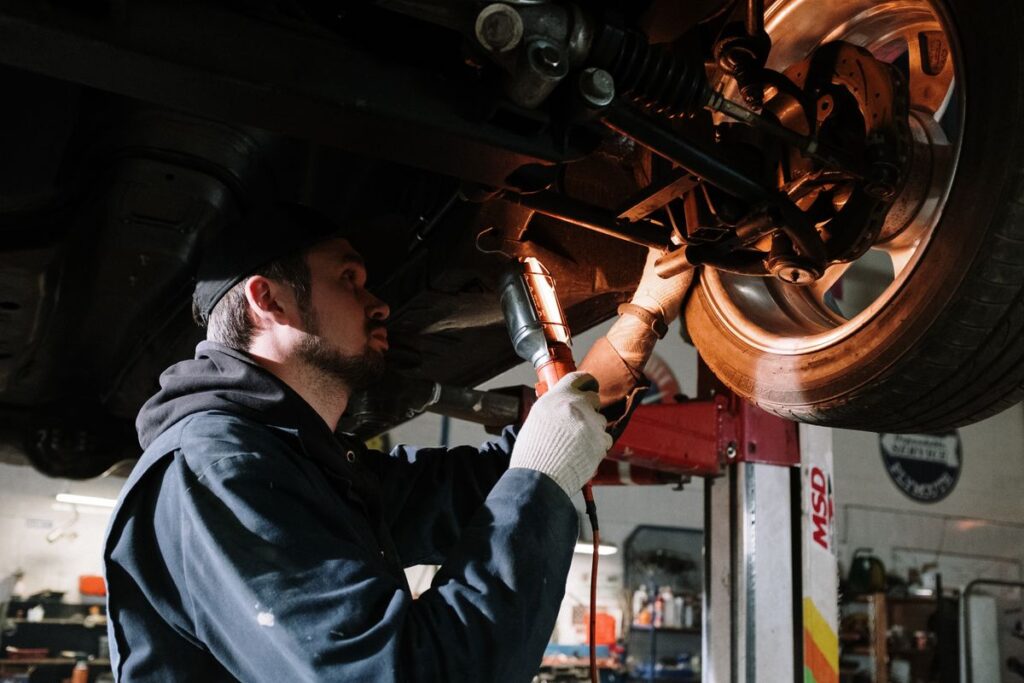
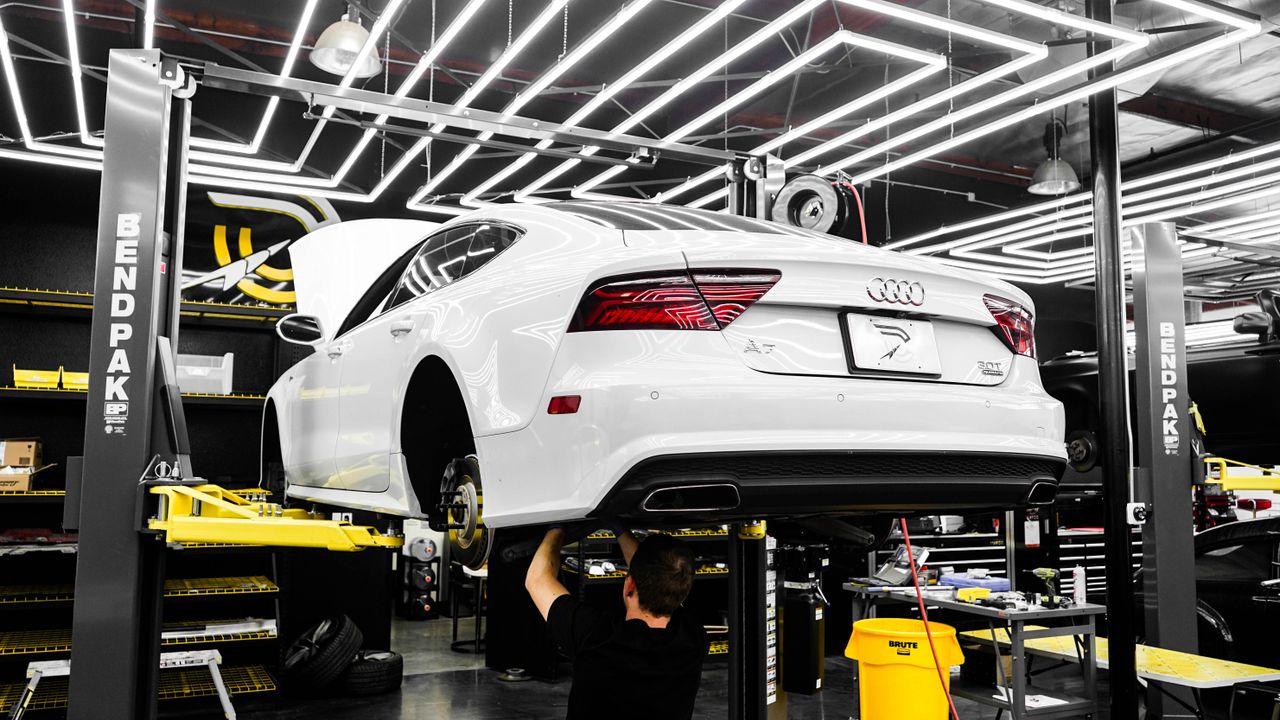
    Mechanic inspecting under a car with a work light

    4. Drips or a Puddle Under the Car

    A larger leak shows up as pink drips under the engine bay, often toward the passenger side or middle. Coolant is toxic to pets, so clean it up.

    5. The Temperature Gauge Wanders

    A needle that climbs and drops can point to low coolant, a sticking thermostat or air trapped in the system. A fan that runs long after shutdown is another hint.

    6. Weak or Cold Air From the Heater

    The heater core runs on hot engine coolant. When the level drops or flow is poor, the heater is often the first thing you notice, especially on cold West Michigan mornings. Our guide to a car heater blowing cold air covers the other causes.

    7. A Check Engine Light or Coolant Code

    Low coolant or poor flow can set fault codes, including P00B7 for low coolant flow on some models. A code points to the system, not to a specific part. Some owners have replaced pumps for it when a coolant valve was at fault. Our post on a check engine light on but the car runs fine explains why.
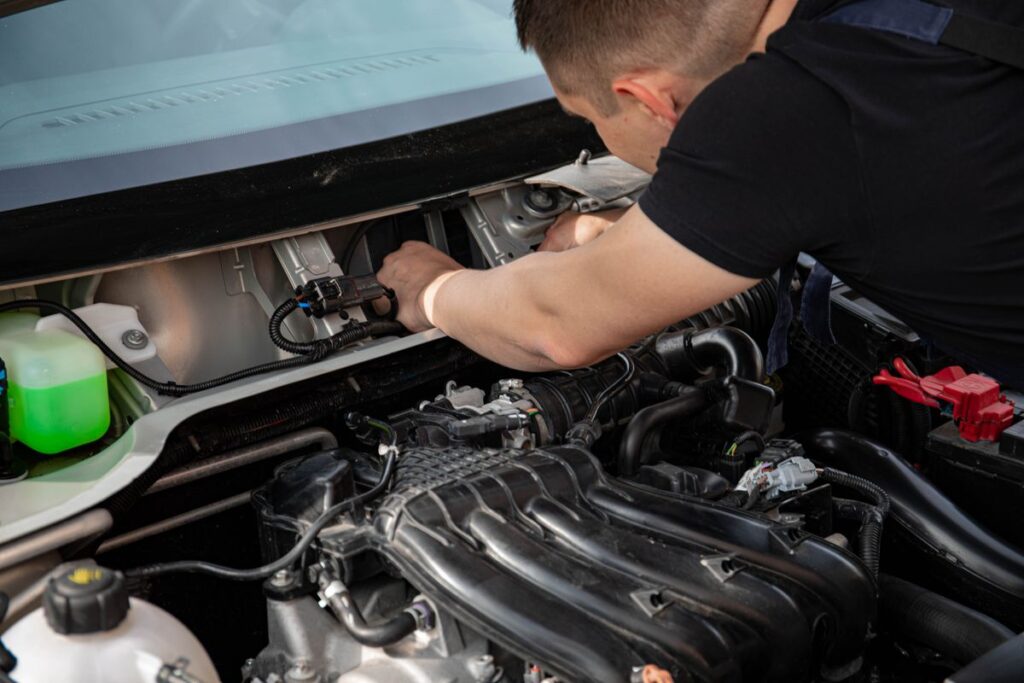
    Mechanic working in an engine bay beside the coolant tank

    Symptom, Likely Cause and How Urgent

    Match what you notice below. Only an inspection confirms the source.

    SymptomLikely causeHow urgent
    Gauge in the red, steam or overheating warningSevere coolant loss or no circulationHigh Pull over and shut the engine off
    Puddle of pink coolant under the carActive leak at the pump, housing or a hoseHigh Avoid driving until it is checked
    Gauge swings or fan runs on after shutdownLow coolant, thermostat or trapped airSoon Get it checked within days
    Low coolant warning returns after top-upsSlow leak, often the pump housing gasketSoon Book a diagnosis this week
    Weak heat with a low reservoirLow coolant level or poor flowSoon Book a diagnosis this week
    Dry pink crust, steady levelOld seep that may be getting worseModerate Have it looked at during your next service
    Faint sweet smell once, no other signsSpill from a recent top-up or small seepLow Watch the reservoir level weekly
    Audi water pump failure symptoms compared by likely cause and urgency

    Check the level only with the engine cold. Never open a hot coolant cap, because the system is under pressure and can spray scalding fluid.
    Mechanic's hand using a screwdriver in an engine bay

    Why You Shouldn’t Just Keep Topping Off the Coolant

    Topping off buys time, but it hides how fast the leak is growing. A seep can become a steady leak with little warning. If the level drops far enough, the engine can overheat on a single drive.

    Overheating is hard on an aluminum cylinder head and the head gasket. The 2.0T already has other known weak points, like Audi 2.0T oil consumption and Audi timing chain tensioner symptoms.

    If you must top up before a visit, use the coolant type your owner’s manual lists. Mixing types or adding plain water dilutes the protection your engine needs.

    When to Stop Driving Your Audi

    Pull over safely and turn the engine off if you notice any of these:

    • The temperature gauge climbs toward red or a red coolant warning appears
    • Steam or smoke comes from under the hood
    • The heater suddenly blows cold while the gauge rises
    • The reservoir is empty when checked cold

    Let the engine cool fully before you check anything.

    Driver checking under the hood at the roadside

    Water Pumps, Timing Belts and Michigan Winters

    On some older Audi engines that use a timing belt, the timing belt drives the water pump, so the pump is usually replaced at the same time as the belt. The 2.0T EA888 uses a timing chain and a separately driven pump, so that pairing doesn’t apply. Our guide on when to replace a timing belt explains belt intervals in general.

    Grand Rapids cold starts and big temperature swings work plastic and seals hard. Checking the coolant level is a simple habit to keep as part of your factory scheduled maintenance in Grand Rapids.

    Woman clearing snow off her car

    Getting Your Audi Diagnosed

    Finding a slow coolant leak usually takes a cooling system pressure test, a close look with the engine covers off, and a scan for stored codes. That shows whether it’s the pump housing, a hose or the reservoir before any parts are bought.

    Hendrick Hoffman, our owner and head mechanic, is Audi factory trained with 8 years’ focus on Audi and foreign cars. Bring your car in for Audi repair in Grand Rapids and we’ll find out where the coolant is going and explain your options plainly.

    Frequently Asked Questions

    Why does my Audi keep saying coolant low?

    A sealed cooling system shouldn’t lose coolant, so a returning warning almost always means a leak. On many 2.0T Audis the water pump and thermostat housing is a common source, but hoses, the reservoir and other seals can leak too.

    What is the pink crust on my Audi engine?

    It is usually dried coolant. Audi coolant is pink, red or violet, and it leaves a crusty residue where it has leaked and evaporated. The crust marks the leak area, so note where it is before cleaning it off.

    Why do I smell coolant but see no puddle?

    The water pump housing on many Audis sits near hot exhaust parts. Small drips land on hot metal and evaporate before they reach the ground, so you smell the sweet odor without seeing a spot.

    Can I drive my Audi with a coolant leak?

    For a slow seep with a steady gauge, short trips while you watch the level are usually manageable until a diagnosis. If the gauge rises, steam appears or the reservoir is empty, stop driving and let the engine cool.

    Need Audi repair in Grand Rapids? Call 456 AutoFix at 616-279-3832, Monday to Friday 8am to 5pm, or book through our contact page.

    Can’t make it during the day? Use our after-hours drop-off. We’re at 456 Carrier St NE in Creston.
  • Audi 2.0T Oil Consumption: What’s Normal and What Isn’t

    Audi 2.0T Oil Consumption: What’s Normal and What Isn’t

    You topped up the oil a few weeks ago, and now your Audi is asking for more. Audi 2.0T oil consumption worries a lot of owners, partly because some early versions of this engine really did have a problem.

    Not every 2.0T that uses oil is failing, though. Here is what Audi treats as acceptable, which engines had known issues, what else can make oil disappear, and how to measure it properly before you worry.

    Quick answer

    How much oil is normal for an Audi 2.0T to burn?

    Audi has long said that up to about 0.5 liter per 1,000 km, roughly a quart every 1,200 miles, can be within normal limits, so check the figure in your own owner’s manual. A healthy 2.0T usually uses far less. Needing a quart every 1,000 miles or sooner, blue smoke or oily spark plugs is worth a diagnosis.

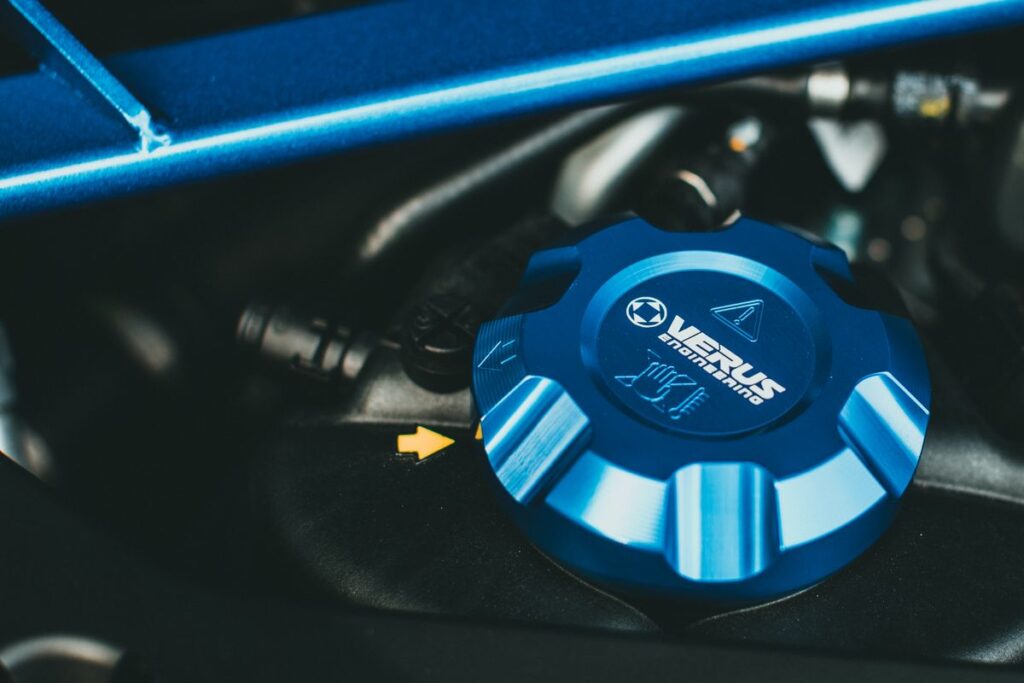
    Blue aluminum engine oil filler cap

    What Audi Says Is Acceptable

    Every engine burns a little oil, because a thin film on the cylinder walls burns off with each combustion stroke. A hot-running turbo engine like the 2.0T is expected to use a bit.

    Audi owner’s manuals have generally described consumption of up to about 0.5 liter per 1,000 km as possible, which works out to roughly half a quart every 600 miles. The wording varies by model and year, so read your own manual rather than relying on a forum number.

    Many 2.0T owners add little or nothing between changes. If yours suddenly needs regular top-ups, that change is a clue.

    The EA888 Piston Ring Problem and the Lawsuits

    The 2.0T belongs to the EA888 engine family. Early versions, especially the Gen 1 engine coded CAEB in roughly 2009 to 2011 A4, A5 and Q5 models, became known for heavy oil use. The usual cause was oil control rings that could not drain oil off the cylinder wall, so it burned.

    Audi issued a service bulletin in 2013 for high oil consumption on those cars, and dealers fixed many of them with revised pistons and rings. A class action, Asghari v. Volkswagen Group of America, was settled in 2015. The settlement was widely reported to extend coverage for oil consumption repairs on eligible CAEB cars to 8 years or 80,000 miles, a window most of those cars have now passed.

    Later lawsuits were filed over 2012 to 2017 Audi models with the Gen 2 2.0T, alleging piston rings that do not seat properly. Those are allegations, so ask an Audi dealer to check your VIN for any open program. Our guide on what can and can’t void your Audi warranty explains how independent maintenance fits in.

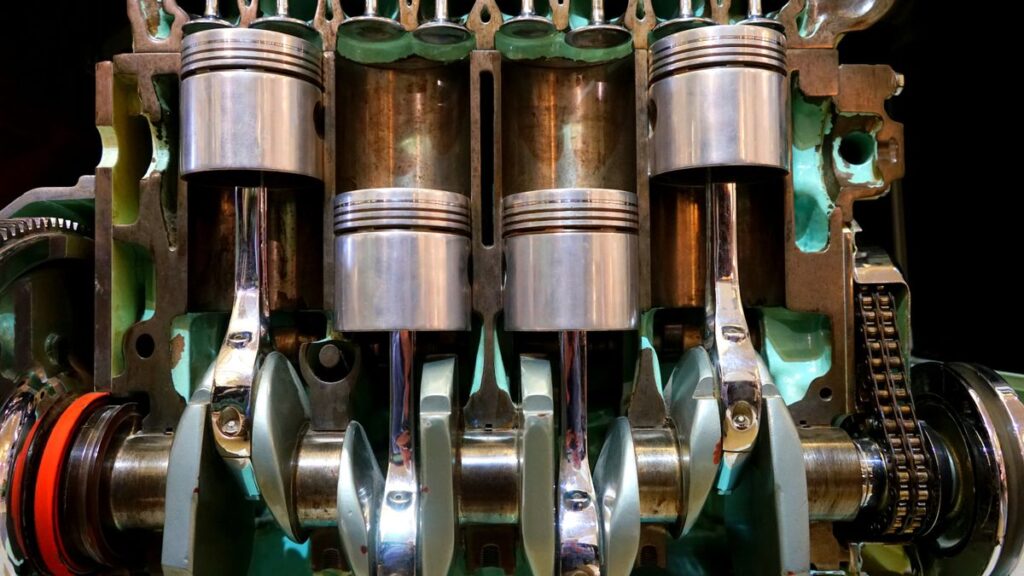
    Cutaway engine showing pistons, rings and crankshaft

    Other Causes of Audi 2.0T Oil Consumption

    Rings get the headlines, but rule out the simpler causes first.

    Leaking, Not Burning

    Oil that drips out never reaches the exhaust. Look for spots under the car, wet seams around the valve cover, oil filter housing or oil pan, and a burning smell after a drive.

    PCV Valve and Oil Separator

    The crankcase ventilation system separates oil from vapor before the gases reach the intake. When its diaphragm tears, the engine can suck oil in and burn it. A whistle at idle, a rough idle or lean codes often come along with it.

    Turbocharger Seals

    Worn turbo seals let oil into the intake or exhaust, showing up as oily intercooler pipes or blue smoke under boost.

    Valve Stem Seals

    Hardened valve stem seals let oil seep into the cylinders as the car sits. A puff of blue smoke at cold start that clears quickly is the classic sign.

    Car raised on a lift in a busy repair shop

    How to Measure Oil Consumption Properly

    A single low reading proves little, since level reads differently hot, cold or on a slope. Use a simple test instead:

    1. Start with the oil at the full mark, checked warm and on level ground, using the dipstick or the MMI oil level display.
    2. Write down the odometer reading and the date.
    3. Drive normally for at least 600 to 1,000 miles without topping up unless the warning comes on.
    4. Recheck under the same conditions and note how much oil it takes to reach full again.
    5. Divide the miles driven by the amount added to get miles per quart, and repeat once to confirm.

    Keep the log. Written numbers carry far more weight with a dealer or shop than a general impression.

    Car speedometer and tachometer lit up at night

    Normal vs Concerning Oil Use

    Use your test result and any other signs to decide how fast to act.

    What you seeWhat it may meanHow urgent
    Little or no oil added between changesNormal for a healthy 2.0TLow Keep checking monthly
    About a quart every 1,200 miles or more slowlyWithin the range Audi has described, worth watchingModerate Run the consumption test again
    A quart every 1,000 miles or fasterRings, PCV, turbo seals or a leakSoon Book a diagnosis
    Oil spots or wet engine seamsAn external leakSoon Have it inspected on a lift
    Blue smoke, misfires or a flashing check engine lightOil fouling plugs or damaging the engineHigh Stop driving hard and get it checked now
    Audi 2.0T oil use compared by likely cause and urgency

    Use the Right Oil: VW 502 00, 504 00 or 508 00

    Many 2.0T engines call for oil approved to VW 502 00, or VW 504 00 on long-life service plans. Some newer 2.0T engines specify VW 508 00, a thin 0W-20 oil that is not interchangeable with the older specs. Your owner’s manual or the sticker under the hood tells you which one your engine needs.

    The API marks on a bottle, explained on the American Petroleum Institute engine oil certification page, show the oil meets a general industry standard. They do not replace the VW approval number. A thicker oil only hides a ring problem.

    Fresh oil on schedule matters too. Our oil change service in Creston covers foreign and domestic vehicles, Audi included, and our guide on how often to change your oil covers intervals.

    Vintage oil cans lined up on a garage shelf

    When to Get Audi 2.0T Oil Consumption Diagnosed

    Get it checked if your test shows a quart every 1,000 miles or faster, if the rate is climbing, or if you see smoke or oily plugs. A diagnosis usually covers leaks, the PCV system, spark plugs, and compression or leak-down tests for the rings.

    Low oil hurts more than the rings. The timing chain tensioner on these engines relies on oil pressure, so read about Audi timing chain tensioner symptoms if you hear a rattle at startup. A blinking light means misfires, covered in our post on what a flashing check engine light means.

    West Michigan winters add to it, since short cold-start trips leave fuel and moisture in the oil. If you are buying a used 2.0T, ask for oil records and consider a pre-purchase inspection in Grand Rapids first.

    Hendrick Hoffman, our owner, is Audi factory trained. Our Audi repair in Grand Rapids can find where the oil is going, and our comparison of an Audi dealer vs an independent mechanic helps when coverage questions come up.

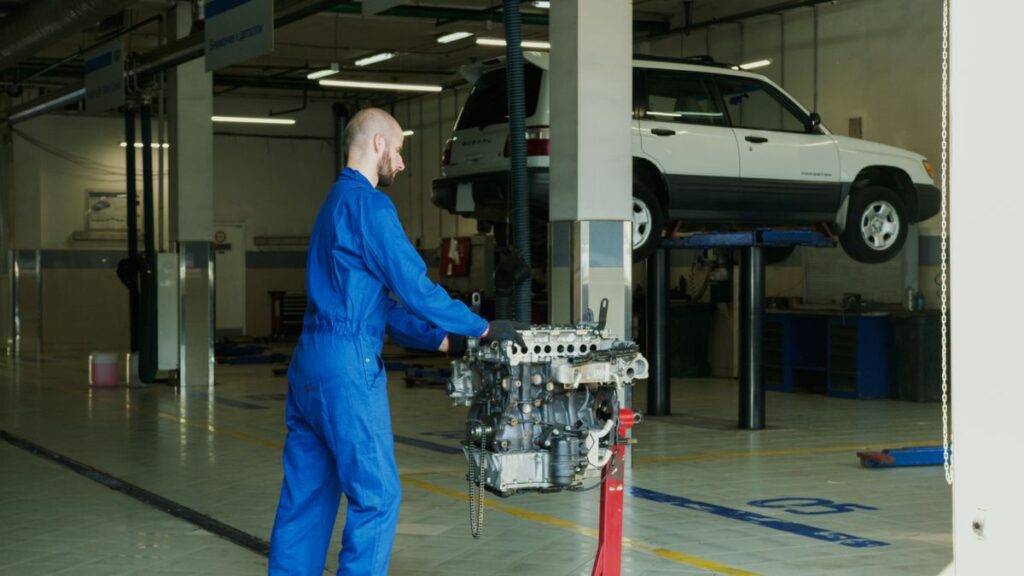
    Mechanic moving an engine on a stand in a repair shop

    Frequently Asked Questions

    Which Audi 2.0T years have oil consumption problems?

    The most widely reported cases are the Gen 1 CAEB engine in roughly 2009 to 2011 A4, A5 and Q5 models. Later lawsuits alleged ring problems on 2012 to 2017 Gen 2 models. Any 2.0T can still use oil from other causes, so test yours.

    Can a bad PCV valve cause oil consumption on a 2.0T?

    Yes. A torn diaphragm in the PCV valve or oil separator can pull oil into the intake, where it burns. A whistle or rough idle often comes with it, and it is worth ruling out before ring work.

    Will thicker oil stop my Audi from burning oil?

    It may slow the loss a little, but it does not fix worn rings or a failed PCV valve. It can also fall outside the VW approval your engine needs, so stick to the spec in your manual.

    Need Audi 2.0T oil consumption diagnosed in Grand Rapids? Call 456 AutoFix at 616-279-3832, Monday to Friday 8am to 5pm, or book through our contact page.

    Can’t make it during the day? Use our after-hours drop-off. We’re at 456 Carrier St NE in Creston.
  • Audi Timing Chain Tensioner: Symptoms and Fix

    Audi Timing Chain Tensioner: Symptoms and Fix

    Audi timing chain tensioner symptoms usually start small: a two-second rattle when the engine fires on a cold morning, then silence. On the 2.0T engines Audi used from roughly 2008 to 2012, that brief noise can be the first warning of a part that is known to fail.

    Here is what each symptom means, which engines are affected, what the updated tensioner changed and what the repair involves.

    Quick answer

    What are the symptoms of a failing Audi timing chain tensioner?

    The classic sign is a rattle from the timing chain end of the engine for a few seconds after a cold start. Other signs are a check engine light with cam/crank correlation codes such as P0016, rough running, long cranking and, in the worst case, a no-start after the chain jumps. Treat any of these as urgent.

    Push-button engine start in a dark car cabin

    Audi Timing Chain Tensioner Symptoms to Watch For

    The tensioner is a spring-loaded, oil-fed plunger that keeps the timing chain tight against its guides. When it loses its grip, the chain runs slack, and that slack shows up in a few predictable ways.

    1. A Rattle for a Few Seconds at Cold Start

    Owners describe a metallic rattle lasting one to three seconds right after starting, often after the car sat overnight. Until oil pressure builds, a faulty tensioner cannot hold the chain, so it slaps against the guides. Because the noise fades fast, many drivers ignore it, but it usually grows longer over time.

    2. Check Engine Light and Cam Timing Codes

    When the chain stretches or the tensioner lets it skip, the camshaft drifts out of step with the crankshaft. The engine computer then sets codes such as P0016 (cam/crank correlation) or P0017. The same codes can come from a cam adjuster solenoid fault, so a proper check engine light diagnostic in Grand Rapids reads cam adaptation values before parts are ordered.

    3. Rough Idle, Hesitation or Long Cranking

    Even a small timing error upsets how the engine breathes. You may notice a shaky idle, flat acceleration, misfires or an engine that cranks longer than usual before it catches.

    4. A Loud Noise, Then a No-Start

    If the chain jumps teeth, often at start-up, the engine may stall and then crank without starting. At that point, internal damage is likely.

    SymptomWhat it usually meansHow urgent
    Brief rattle at cold startTensioner not holding the chain until oil pressure buildsHigh Book an inspection now and limit driving
    P0016 or P0017 codeCam timing off target from chain stretch, tensioner wear or a cam adjuster faultHigh Diagnose before driving further
    Rough idle or long crankingSmall timing error, or an unrelated fuel or ignition faultSoon Scan and check within days
    Bang, stall, then no-startChain has jumped timing, possible valve damageHigh Do not keep cranking, tow it in
    Audi 2.0T timing chain symptoms compared by meaning and urgency
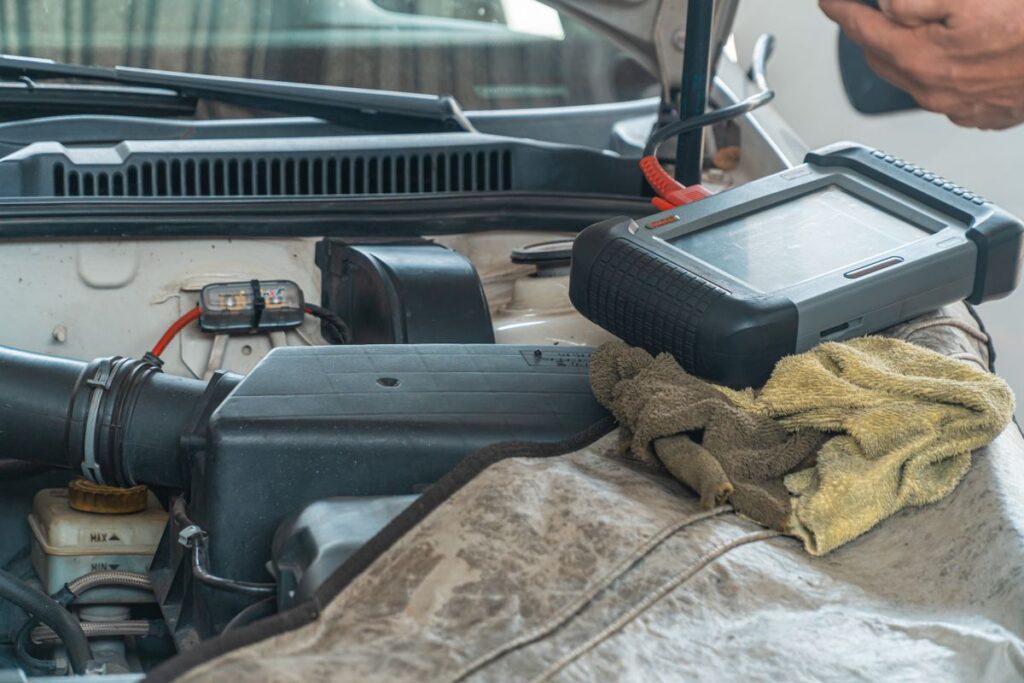
    Diagnostic scan tool resting on a car engine during a code check

    Which Audi Engines Have the Tensioner Problem?

    Audi timing chain tensioner symptoms show up most on early versions of the EA888 family, sold as the 2.0 TFSI (the 2.0T), with a smaller 1.8 TFSI sibling sharing the same chain layout. A 2016 class action named 2008 to 2012 Audi A3, A4, A5 and TT models, 2009 to 2012 Q5 and some A6, A7 and Q7 vehicles, with engine codes including CAEB, CAEA, CDNC, CCTA and CBFA.

    Engine groupTypical Audi model yearsTensioner risk
    EA888 first and early second generation, original tensionerAbout 2008 to 2012Highest. Check which tensioner is fitted
    EA888 second generation with updated tensionerAbout 2012 to 2016, varies by modelLower, but chains still stretch with miles
    EA888 third generationLater A3, A4, Q5 and newerNot tied to the original tensioner issue. Normal wear only
    Audi 2.0T engine groups compared by timing chain tensioner risk

    Year alone does not settle it. Many early cars already received the updated part during a previous repair, so service records are the quickest way to find out.

    Red Audi sedan parked on a city street, front view

    The Updated Tensioner and Why the Original Failed

    The original tensioner relies on oil pressure plus a small ratchet meant to stop the plunger backing off. On the early design, that ratchet could fail to hold, so with the engine off the plunger could retract and leave the chain loose at the next start.

    The part was revised more than once, with the later version arriving around 2012 and replacing the old one in the parts system. The lawsuit cited service bulletins about tensioner problems going back to 2010. To see open recalls for your car, enter your VIN in the Check To Protect VIN recall lookup.

    Many drivers assume chains never need attention. Our guide to timing belt vs timing chain differences explains why chains outlast belts, yet they still depend on healthy tensioners and clean oil.

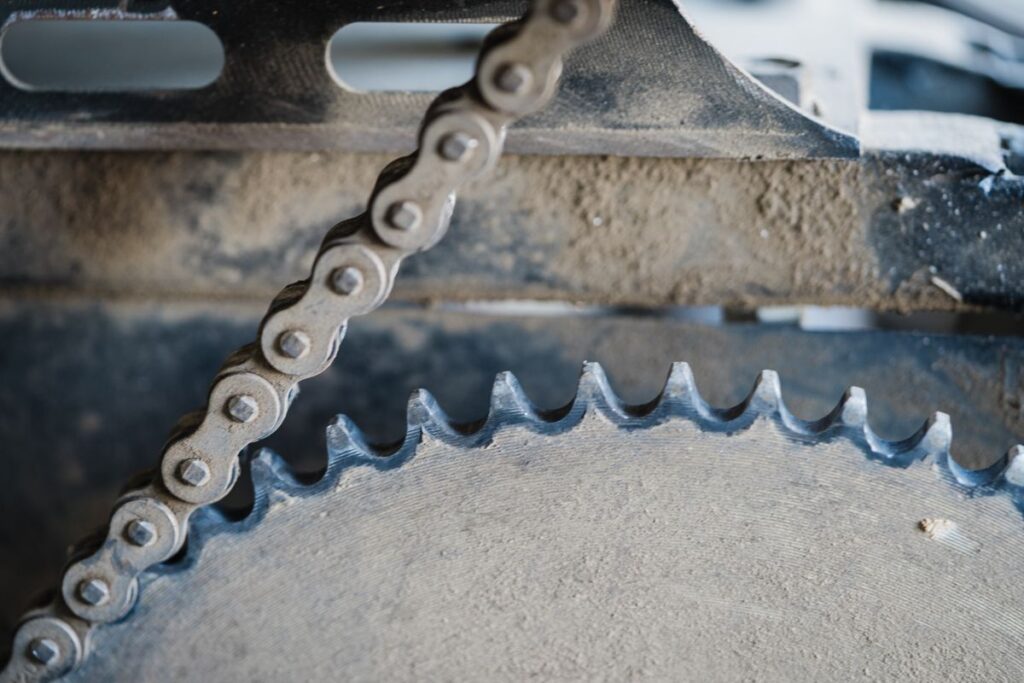
    Close-up of a roller chain running over a toothed sprocket

    What the Fix Involves

    A careful repair is more than swapping one part. On an affected 2.0T, the job typically goes like this:

    1. Scan and measure. A factory-level scan tool reads codes and camshaft adaptation values, which show how far cam timing has drifted.
    2. Inspect the tensioner. On many versions, a plug in the lower timing cover shows how far the tensioner has extended.
    3. Fit the updated tensioner. Worn chains or guides are usually replaced at the same time, since the cover is already open.
    4. Set and verify timing. The cams and crank are locked with the proper tools and timing is confirmed before starting.
    5. Clear and test. Codes are cleared and the engine is checked from a cold start.

    Timing chain work is part of our timing belt and chain replacement in Grand Rapids. For the wider picture on your car, see our Audi repair service in Grand Rapids, led by an Audi factory-trained technician.

    Why Waiting Can Cost You the Engine

    The 2.0T is an interference engine, which means the valves and pistons share the same space at different moments. If the chain jumps, open valves can be struck by the pistons and bend. The repair then grows from a timing job into cylinder head work, or worse. Catching it while it is only noise keeps the repair to the timing parts.

    Mechanic in overalls working on a car engine with the hood open

    Cold Starts, Oil and West Michigan Winters

    The tensioner lives on engine oil, so oil level and quality matter. On cold West Michigan mornings oil takes longer to reach the top of the engine, which is exactly when a weak tensioner lets the chain slap. Use the oil specification in your owner’s manual.

    Many 2.0T engines from the same years also burn oil, and a low level means less pressure for the tensioner. Our article on Audi 2.0T oil consumption explains what is normal, and our guide on how often to change your oil covers intervals.

    Shopping for a used 2008 to 2012 Audi? Ask for proof that the tensioner was updated. If there is none, a pre-purchase inspection in Grand Rapids that includes a cold start and a code scan is a smart step before you buy.

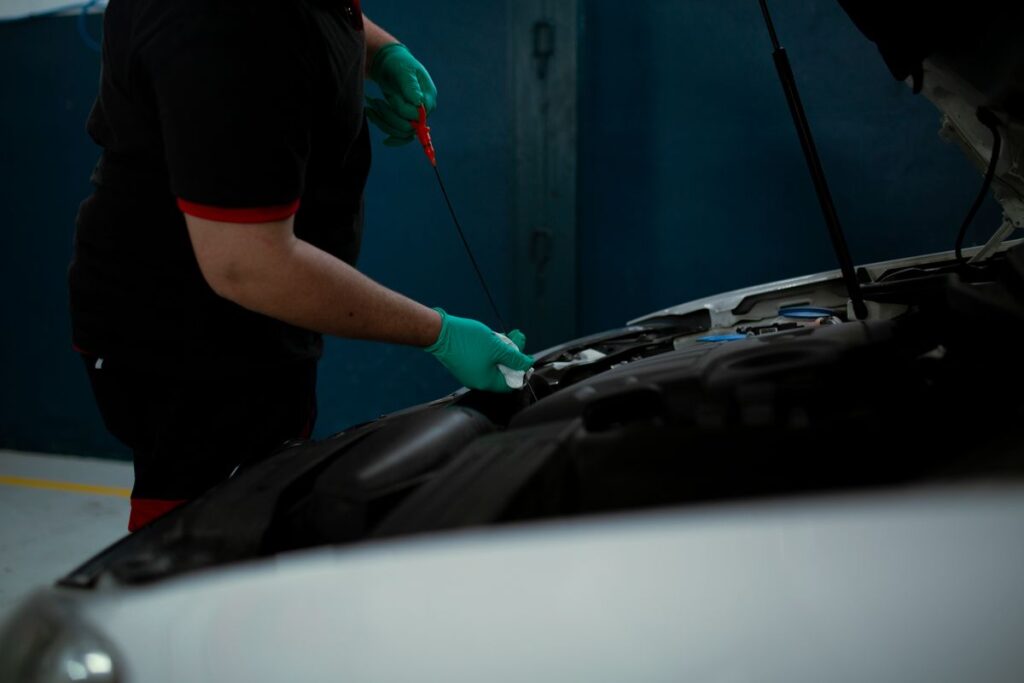
    Mechanic in gloves checking the engine oil level with a dipstick

    Frequently Asked Questions

    What does a bad timing chain tensioner sound like on an Audi?

    Usually a metallic rattle from the timing chain end of the engine for one to three seconds after a cold start. It fades once oil pressure builds.

    How long can I drive with a bad timing chain tensioner?

    There is no safe number of miles. A failing tensioner can let the chain jump on any cold start, and on an interference engine that can bend valves. Limit driving and have it inspected as soon as you can.

    Does a P0016 code always mean the timing chain is bad?

    No. P0016 means the cam and crank signals disagree, which points to the chain or tensioner on these engines but can also come from a cam adjuster, solenoid or sensor fault. Measuring cam adaptation values separates the causes.

    Should the chain and guides be replaced with the tensioner?

    Often, yes. If the chain has stretched or the guides are worn, replacing them while the cover is open avoids doing the job twice.

    Need Audi timing chain tensioner repair in Grand Rapids? Call 456 AutoFix at 616-279-3832, Monday to Friday 8am to 5pm, or book through our contact page.

    Can’t make it during the day? Use our after-hours drop-off. We’re at 456 Carrier St NE in Creston.
  • Audi Dealer vs Independent Mechanic: An Honest Comparison

    Audi Dealer vs Independent Mechanic: An Honest Comparison

    Your Audi needs work, and you have two real options: the dealership or an independent mechanic. In the Audi dealer vs independent mechanic debate, owners hear strong opinions on both sides, and most of them come from someone with something to sell. That includes us, so we’ll try to be fair about it.

    Below is an honest look at what each one does well, where the dealer is clearly the right call, and the questions worth asking before you hand over your keys.

    Quick answer

    Should you take your Audi to the dealer or an independent mechanic?

    Use the Audi dealer for covered warranty repairs, recalls and factory software campaigns, because that work is free there and requires the dealer. For scheduled maintenance and out-of-warranty repairs, a qualified independent mechanic with Audi training can be a good fit. Many owners use both, depending on the job.

    Smiling mechanic holding paperwork beside a car in a repair shop

    Audi Dealer vs Independent Mechanic at a Glance

    Neither option wins every category. Prices, staff and equipment vary from one dealer to the next and from one independent shop to the next, so treat this as a general guide rather than a rule.

    FactorAudi dealerIndependent mechanic
    Cost driversLabor rates often reflect larger facilities and overhead. Parts are usually genuine AudiLabor rates are often lower. May offer a choice of genuine, OE supplier or quality aftermarket parts
    Who you talk toA service advisor who passes your concerns to the technicianOften the mechanic or owner who works on the car
    Diagnostic tools and softwareAudi’s factory system (ODIS), with full access to updates and codingVaries by shop. Capable scan tools cover most diagnosis; some software tasks may need factory-level access
    PartsGenuine Audi partsGenuine, OE supplier or aftermarket, depending on the shop and your choice
    ConvenienceOften larger operations; amenities vary by locationOften smaller and closer to home; scheduling varies by shop
    Warranty repairs and recallsDone here, at no charge to youNot performed under the warranty or recall
    Maintenance and out-of-warranty repairYesYes, with correct specs and records
    Audi dealer vs independent mechanic compared on cost, contact, tools, parts and warranty work
    Customer talking with a salesperson at a car dealership

    When the Audi Dealer Is the Right Call

    Some jobs belong at the dealer, and a good independent shop will tell you so. Paying out of pocket for something the manufacturer would cover makes no sense.

    Covered Warranty Repairs

    If a part covered by your factory or certified pre-owned warranty fails, the repair is done by an authorized Audi dealer at no cost to you. That’s the dealer’s core strength, and there’s no reason to go elsewhere for it.

    Routine maintenance is a different matter. Federal law generally lets you choose who services your car without voiding the warranty, as long as the work is done properly and documented. We cover the details in our guide to whether an independent shop can service your Audi under warranty.

    Recalls and Software Campaigns

    Safety recalls are performed free at franchised dealers. Audi also issues service campaigns and software updates for some models, and those are handled through the dealer network as well.

    It’s worth checking your VIN for open recalls once or twice a year. If one shows up, book it with the dealer, even if someone else handles your regular service.

    Hand holding out a set of car keys

    Where an Independent Mechanic Fits

    Once you’re past the free work, the choice opens up. This is where an independent shop with real Audi experience can make sense.

    Scheduled Maintenance

    Oil changes, filters, brake fluid, spark plugs and inspections follow the schedule in your owner’s manual. Any competent shop can do factory scheduled maintenance correctly, provided it uses fluids with the right VW/Audi approval and records the details on the invoice.

    Out-of-Warranty Repairs

    When the warranty ends, you’re paying either way. Brakes, suspension, cooling, electrical faults, timing components and check engine light diagnosis are all common independent-shop work. The question becomes which shop you trust to diagnose it properly and explain your options.

    Talking to the Person Doing the Work

    At a dealer, your main contact is usually a service advisor. That works well for many people. At a smaller independent shop, you can often talk directly with the mechanic, ask follow-up questions and see the worn part yourself.

    Close-up of a modern engine's gears and timing components

    Diagnostic Tools and Parts, Explained

    ODIS vs Aftermarket Scan Tools

    Audi dealers use ODIS, the Volkswagen Group’s factory diagnostic system. It offers guided fault finding and full access to software updates and control module coding. Independent shops can buy paid access to Volkswagen Group repair information and, in some markets, factory diagnostic software, but not every shop does.

    Good aftermarket scan tools read fault codes, live data and many adaptations, which covers most day-to-day diagnosis. Some software updates and programming jobs may still need factory-level access. Ask a shop up front what its equipment can and can’t do for your model.

    OEM, OE and Aftermarket Parts

    • Genuine (OEM): parts in Audi packaging, sold through dealers.
    • OE supplier: parts from the companies that make components for Audi, sold under their own brand.
    • Aftermarket: parts from other makers. Quality ranges from excellent to poor.

    The right choice depends on the part. A shop should tell you which type it plans to use and why, and list it on the invoice.

    Mechanic using a diagnostic tablet inside a car

    Questions to Ask Any Shop

    These apply to a dealer and an independent alike. The Federal Trade Commission’s guide Taking the Scare Out of Auto Repair recommends similar checks, including asking about experience with your make.

    1. How much experience do you have with my Audi model and engine?
    2. Are your technicians ASE certified, and is anyone Audi factory trained?
    3. What can your diagnostic equipment do on my car, including coding and updates?
    4. Which parts will you use: genuine, OE supplier or aftermarket?
    5. Will I get a written estimate, and will you call before doing extra work?
    6. How is labor priced, and is there a diagnostic fee?
    7. Will the invoice list fluids, approval codes, part numbers and mileage?
    8. Can I see or keep the old parts?

    Using Both: An Audi Dealer vs Independent Mechanic Plan for West Michigan

    A practical approach for many owners: warranty claims, recalls and software campaigns go to the dealer, while maintenance and wear repairs go to an independent shop you trust. Keep every invoice in one folder so your history stays complete either way.

    Grand Rapids winters add urgency to routine work. Road salt, freeze-thaw potholes and cold starts wear on brakes, suspension and batteries, so regular inspections matter regardless of who does them.

    At 456 AutoFix in Creston, owner and head mechanic Hendrick Hoffman is Audi factory trained, with eight years focused on Audi and foreign cars. Read more about Hendrick and his ASE certifications, or see our Audi repair and maintenance in Grand Rapids. We also work on other foreign and European cars in Grand Rapids.

    Hand holding a service invoice on a clipboard with a pen

    Frequently Asked Questions

    Is an independent mechanic cheaper than the Audi dealer?

    Often, but not always. Labor rates and parts choices differ by shop, so compare written estimates for the same job before deciding.

    Will servicing my Audi at an independent shop void the warranty?

    Generally no, as long as the maintenance follows Audi’s schedule and specifications and you keep records. Covered warranty repairs themselves are still done at the dealer.

    Can an independent shop update my Audi’s software?

    It depends on the shop’s equipment and access. Many coding and diagnostic jobs can be done outside the dealer, but some software updates and campaigns still require the dealer.

    Are dealer technicians better trained than independent mechanics?

    Dealer technicians receive Audi training, and some independent mechanics have it too. Ask about Audi-specific training, ASE certification and experience with your model rather than assuming either way.

    Need Audi maintenance or repair in Grand Rapids? Call 456 AutoFix at 616-279-3832, Monday to Friday 8am to 5pm, or book through our contact page.

    Can’t make it during the day? Use our after-hours drop-off. We’re at 456 Carrier St NE in Creston.

  • Does Using an Independent Shop Void Your Audi Warranty?

    Does Using an Independent Shop Void Your Audi Warranty?

    You bought an Audi with a factory warranty, and now the first service reminder is on the dash. The dealer may suggest, politely or not, that going anywhere else could void your Audi warranty. It’s one of the most common questions we hear from Audi owners in Grand Rapids.

    Here is the plain-English answer, the federal law behind it, and the few situations where coverage really can be denied. This is general information, not legal advice. Your warranty booklet is the document that governs your car.

    Quick answer

    Does using an independent shop void my Audi warranty?

    No. Under the federal Magnuson-Moss Warranty Act, Audi or a dealer can’t void your warranty or deny a claim simply because an independent shop, or you, did the maintenance. They can deny coverage only for damage they show was caused by improper work or parts. Free warranty repairs and recalls still go through the dealer.

    Shelf of car repair and technical manuals

    Does Independent Repair Void Your Audi Warranty? What the Law Says

    The Magnuson-Moss Warranty Act is a federal law that covers written warranties on consumer products, including cars. One of its key rules bans “tie-in” conditions. A manufacturer generally can’t make your warranty depend on using a specific brand of parts or a specific repair shop.

    The Federal Trade Commission, which enforces the law, spells it out in its FTC warranty rule, 16 CFR 700.10: a warranty can’t require you to use the dealer for service or only brand-name parts to stay in effect. The rule bars terms that void coverage if anyone else does the work.

    There is one important exception. If the warranty provides parts or service for free, the manufacturer can require you to use the facilities and parts it chooses. That’s why covered warranty repairs happen at the dealer, at no charge to you.

    Who Has to Prove What

    If a part fails and the dealer wants to blame outside work, the burden is on them. Under the FTC’s warranty rule on prohibited tying, a warrantor can deny coverage for outside work only where it can demonstrate that the work caused the defect or damage.

    Even then, the denial applies to the damage that work caused. The rest of your coverage stays in place. A brake job done at an independent shop doesn’t affect a later claim for an electrical fault.

    Mechanic and customer reviewing paperwork on a clipboard in a garage

    What Can Actually Cost You Coverage

    Using an independent shop isn’t the risk. Poor work, wrong materials and missing paperwork are. These are the situations that can lead to a denied claim, no matter who holds the wrench.

    Damage Caused by Improper Work

    If a timing belt is installed wrong and the engine is damaged, that engine repair may not be covered. The same goes for a stripped oil pan from overtightening or a drain plug washer that wasn’t replaced. The manufacturer has to connect the failure to the faulty work.

    Wrong Oil or Fluids

    Audi engines call for oil that carries a specific VW/Audi approval, shown in your owner’s manual. Depending on the engine and year, you’ll see codes such as VW 502 00, 504 00 or 508 00. Generic oil without the right approval can give the manufacturer grounds to question an engine claim.

    The same thinking applies to coolant, brake fluid and transmission fluid. Ask any shop to list the exact product and specification on the invoice.

    Skipped or Late Maintenance

    Warranties typically expect you to follow the maintenance schedule in your manual. If an oil change was badly overdue and the engine fails, a denial is more likely. Who did the service matters far less than when it was done.

    Tuning and Modifications

    An aftermarket engine tune doesn’t automatically void the whole warranty. But if the manufacturer can show the tune caused a turbo, engine or transmission failure, that claim can be denied. Many owners wait until the powertrain coverage ends before modifying.

    Mechanic pouring fresh motor oil into a car engine

    Dealer vs Independent: Who Can Do What

    Here is how the work splits for a typical Audi still under warranty. Always check your own booklet, since terms vary by model year and coverage type.

    Type of workAudi dealerIndependent shop
    Scheduled maintenance (oil, filters, inspections)YesYes, with correct specs and records
    Covered warranty repair (free to you)Yes, this is where it’s doneNo, unless you choose to pay
    Safety recallYes, free at franchised dealersNo
    Wear items (brakes, wipers, tires)YesYes
    Out-of-warranty repairYesYes
    Extended warranty or CPO claimUsuallyDepends on the contract terms
    Audi service under warranty: what the dealer and an independent shop can each handle

    Warranty Repairs and Recalls Stay at the Dealer

    If something covered by the warranty breaks, take it to an Audi dealer. The repair is free, and the free-service exception lets the manufacturer pick the facility. Recalls work the same way. You can check open recalls by VIN through the manufacturer or the federal recall database.

    A good independent shop will tell you when a problem looks like a warranty or recall item. Paying out of pocket for a repair the dealer would do for free makes no sense.

    CPO, Extended Warranties and Prepaid Plans

    Certified pre-owned coverage and extended warranties can have their own terms. Many extended plans are technically service contracts, and the FTC notes a contract might require you to follow the manufacturer’s maintenance recommendations or risk losing coverage. Read the contract for any shop or record requirements.

    Prepaid dealer maintenance plans are a separate purchase. Using an independent shop doesn’t void the warranty, but you’d be paying twice for services you already bought.

    Car parked outside a lit service department entrance at night

    Record Keeping Checklist

    Records are your proof the car was maintained. The FTC notes that the warranty company could ask for them. For every service, keep:

    • An itemized invoice with the date, mileage and your VIN
    • The oil brand, viscosity and VW/Audi approval code
    • Part numbers or brands for filters and other parts
    • The shop’s name, address and phone number
    • Receipts for parts and fluids if you do the work yourself
    • A photo of the odometer on the day of service

    Keep paper copies in a folder and scans in cloud storage. If you sell the car, a complete history also helps the next owner trust it.

    Repair receipts and paperwork spread across a desk

    Keeping Your Audi on Schedule in West Michigan

    Road salt, freeze-thaw potholes and cold starts are hard on any car. Staying on the maintenance schedule protects your warranty and the engine. Winter is also when owners notice problems like a car heater blowing cold air, and summer humidity exposes weak A/C.

    At 456 AutoFix, owner and head mechanic Hendrick Hoffman is Audi factory trained, with eight years focused on Audi and foreign cars. You can read more about his background and ASE certifications on our about Hendrick Hoffman and our shop page.

    We handle factory scheduled maintenance, oil changes, brakes, suspension and car A/C and heating repair, and we put the details on the invoice. See our Audi repair and maintenance in Grand Rapids, our wider foreign car repair in Grand Rapids, or the full list of auto repair services.

    Headlights lighting a snowy road at night seen from inside a car

    Frequently Asked Questions

    Do I have to service my Audi at the dealer to keep the warranty?

    No. Under the Magnuson-Moss Warranty Act, routine maintenance can be done by an independent shop or by you. Follow the schedule, use parts and fluids that meet Audi’s specifications, and keep the records.

    Can I change my own oil without voiding the Audi warranty?

    Yes. Use oil with the approval your manual lists and the correct filter, and keep receipts plus a dated note of the mileage. Damage caused by a mistake, such as a loose drain plug, may not be covered.

    Can Audi deny a claim because I used aftermarket parts?

    Not just for using them. The FTC says the manufacturer must show the aftermarket part caused the damage before denying coverage, and only that damage is affected.

    Can an independent shop do Audi recall work?

    Recall repairs are done free at franchised Audi dealers. An independent shop can’t perform them for you under the recall, so check your VIN for open recalls and book those with a dealer.

    Need Audi maintenance in Grand Rapids? Call 456 AutoFix at 616-279-3832, Monday to Friday 8am to 5pm, or book through our contact page.

    Can’t make it during the day? Use our after-hours drop-off. We’re at 456 Carrier St NE in Creston.