
As an Amazon Associate, 456 AutoFix earns from qualifying purchases. Product links below go to Amazon, where you can check the tube size and compound type before you order.
Anti seize vs brake grease sounds like a minor choice until a caliper hangs up a few months after a pad job. Both come in small tubes, both look like paste, and both promise to stop parts from sticking. They are built for different jobs, though, and swapping one for the other is a common reason brakes squeal, drag or wear unevenly.
This guide sorts out where each compound belongs on a brake assembly, using the maker guidance Permatex publishes and the Amazon listings for each product. After that, it reviews three products worth keeping on the bench: a copper anti-seize, a silicone brake grease and a synthetic caliper lube.
Quick answer
Can I use anti-seize instead of brake grease on my brakes?
Not on the moving parts. Caliper slide pins, boots, abutment clips and pad ears need a brake lubricant made for heat and rubber, such as a silicone or synthetic caliper grease. Anti-seize suits threaded hardware and anchor pins, only where the vehicle maker allows it. Keep both off pads and rotor faces.
Our Quick Picks
One copper anti-seize for threads and fixed joints, one silicone brake grease, and a synthetic caliper lube as a third pick for metal-to-metal pins.

Loctite Copper Anti-Seize
A shop-size copper anti-seize for threads and fixed metal joints.
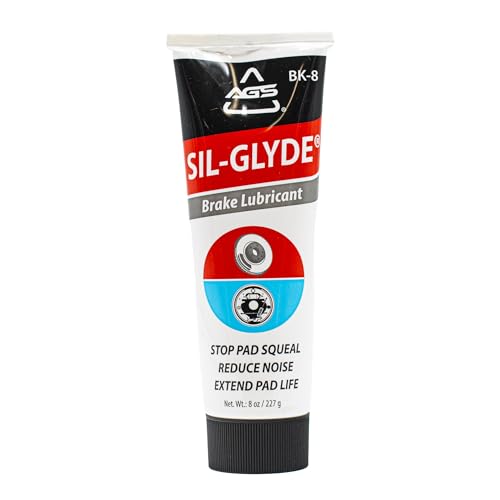
AGS SIL-Glyde Brake Grease
One rubber-safe grease for pins, boots and pad contact points.

Permatex 20353 Ultra Disc Brake Caliper Lube
A long-running synthetic caliper lube for metal-to-metal pins.
Two Pastes, Two Different Jobs
Anti-seize is an assembly compound. It is a grease carrier loaded with fine metal or graphite particles, and its purpose is to keep two pieces of metal from galling, rusting or fusing together so they can be taken apart later. Permatex describes its anti-seize as a blend of aluminum, copper and graphite rated from -60°F to 1600°F, and it warns that the product is not a high-speed lubricant for bearings or gearboxes.
Brake grease is a working lubricant. It has to let a caliper slide back and forth on its pins thousands of times, damp the vibration that turns into squeal, and stay put when the brakes get hot. It also touches rubber boots and seals, so the formula must not swell or soften them.
The Permatex brake lubricant guide lists the parts that need it: slide pins, bushings, abutment clips where the pad rides and backing plates. It splits brake lubes into synthetic, ceramic and silicone types, and it says any part that contacts rubber should get the silicone version. A thin layer is the goal, since extra grease migrates to places it should never be.
In short, anti-seize protects a joint that sits still. Brake grease keeps a joint moving freely and quietly.
Anti Seize vs Brake Grease, Part by Part
The table matches common brake parts to the compound that suits them. Your service information always comes first, because some makers call for a specific lube, a dry fit or a threadlocker on certain bolts.
| Brake part | Anti-seize | Brake grease |
|---|---|---|
| Caliper slide or guide pins | No, the solids can make pins stick | Yes, silicone if the pin has rubber boots or bushings |
| Abutment clips and pad ears | Not the intended product | Yes, a thin film |
| Pad backing plates and shims | Not the intended product | Yes, on the metal contact points only |
| Anchor pins and threaded hardware | Yes, where the maker allows it | Not designed to prevent seizing threads |
| Pad friction material, rotor or drum faces | Never | Never |
A simple rule covers most cars: if the part slides, pivots or touches rubber, reach for brake grease. If it is a fastener or a fixed joint that needs to come apart next time, anti-seize may be the right call.
Anti Seize vs Brake Grease: Three Products Reviewed
Each pick stands for one side of the comparison, plus a synthetic caliper lube for metal-to-metal pins. Check the listing for the bottle or tube size you want before ordering.
Loctite Copper Anti-Seize Lubricant: 1 lb Brush Top Bottle Rated -30°F to 1800°F
- Rated -30°F to 1800°F
- Guards against rust, galling and seizing
- Works on stainless, aluminum and plated parts
- Brush top bottle, 1 lb
This bottle covers the anti-seize side of the comparison. Loctite lists its copper compound as protecting metal parts from rust, corrosion, galling and seizing across a range of -30°F to 1800°F, which is far beyond the heat a brake bracket bolt sees. The listing also says it works on all metals, including passive substrates such as stainless steel, aluminum and plated surfaces.
The brush built into the cap is the practical draw. It puts a thin coat on threads without fingers in the jar, and the 1 lb size lasts for years of brake, suspension and exhaust work in a home garage. On a brake job, the sensible places are fixed metal joints and threaded hardware that has to come apart again, and only where the service information allows a lubricated thread.
It is the wrong product for anything that slides. Copper and graphite style solids do not belong in caliper pin bores, on rubber boots or on pad ears, and no anti-seize should touch pads or rotor faces. Because a coated thread reaches tension with less effort, check the vehicle maker’s torque value and any dry-thread note first. Owners who only need a little for one job may find a smaller tube easier to store.
View Loctite Copper Anti-Seize on Amazon

AGS SIL-Glyde Silicone Brake Grease: 8 oz Tube for Caliper Pins, Boots and Pad Backing Plates
- Rubber-safe silicone formula
- Rated -20°F to 425°F
- For pins, boots, clips and shims
- 8 oz tube for repeat jobs
SIL-Glyde represents the brake grease side, and it is the kind of product the anti-seize tube should not be asked to replace. AGS lists it for caliper slide and guide pins and their boots, pad backing plates, ears and abutment clips, anti-rattle shims, caliper piston boots and dust seals, plus drum brake shoe contact points and self-adjuster threads.
The main selling point is rubber compatibility. The listing says the silicone is safe on EPDM and nitrile rubber seals, pins and boots, as well as plastic brake hardware, so one grease can cover the whole assembly. It is rated from -20°F to 425°F and described as moisture-proof, which helps keep water and salt out of the pin bores. AGS also says it damps vibration at pad and caliper contact points to cut squeal after a pad job.
The 8 oz tube is large for a single car, which suits someone who services brakes on more than one vehicle. AGS gives a sensible method: clean off old hardened grease, apply a thin even film, reassemble, cycle the brakes and wipe off the excess. As the listing warns, it goes on hardware only, never on pad friction material, rotors or drums.
View AGS SIL-Glyde Brake Grease on Amazon
Permatex 20353 Ultra Disc Brake Caliper Lube: 2 oz Non-Melting Synthetic for Pins and Sleeves
- Green, non-melting synthetic lubricant
- For adverse brake conditions
- Keeps pins lubricated through pad life
- Pins, sleeves, bushings and pistons
The third pick sits on the brake grease side but takes a different approach from silicone. Permatex lists Ultra Disc Brake Caliper Lube as a green, non-melting, synthetic lubricant formulated for the most adverse brake conditions. Its job, according to the listing, is to keep caliper pins, sleeves, bushings and pistons lubricated for the life of the brake pads.
On its brake lubricant page, Permatex places its synthetic type for passenger vehicles and rates it from -40°F to 500°F. The same page recommends synthetic or ceramic lube on metal-to-metal parts and silicone on any part that contacts rubber. So this tube pairs well with a silicone grease: synthetic on the bare metal pins and sleeves, silicone on the boots and seals.
The 2 oz size is enough for several axles, and the green color makes it easy to see where the lube went and to spot any that strayed toward the pads. It is not an anti-seize, so it will not stop a bracket bolt from rusting into its threads. Like every brake lubricant, it stays off pad friction material and rotor faces, and if any lands there, clean it off with brake cleaner before driving.
View Permatex 20353 Ultra Disc Brake Caliper Lube on Amazon

Why Anti-Seize Stays Off Caliper Pins
It is tempting to use anti-seize on slide pins because the pins themselves rust and stick. The trouble is the solids. Metal and graphite particles that keep threads apart can pack into the tight bore of a pin and its bushing, so the caliper drags instead of floating.
Rubber is the second problem. Many pins run inside rubber boots or sleeves, and a compound that is not rated for rubber can swell them. A swollen boot grips the pin, and the result is the same: uneven pad wear, a pull to one side or a hot wheel after a drive.
A proper pin service looks like this:
- Pull the pins and wipe out the old, hardened grease from the pins and their bores.
- Check the boots for tears and the pins for pitting, and replace damaged parts.
- Apply a thin, even film of brake grease to each pin.
- Refit the boots so they seal, then reassemble and torque the bolts to the maker’s figure.
- Pump the pedal before driving so the pads seat against the rotors.

Where anti-seize does belong, remember that it lubricates the threads. A coated bolt can reach its target tension with less wrench effort, so follow the vehicle maker’s torque value and any note about dry or lubricated threads. Some caliper bracket bolts call for threadlocker instead, which is the opposite approach.
Road Salt, Sticky Pins and Grand Rapids Brake Jobs
West Michigan winters are hard on brake hardware. Brine and slush get under boots and into clips, and rust builds behind the pad ears until the pads cannot slide back. A caliper that will not release is one of the first things to check when a car pulls or smells hot, and our guide to sticking brake caliper symptoms walks through the warning signs.
Rusted bracket bolts are a separate fight. A soak with one of the products in our penetrating oil guide can save a stripped head, and our anti-seize buying guide covers compounds for the threaded hardware that is allowed one. Clean every part with brake cleaner before new grease goes on.

Keep these compounds in their lane under the hood too. Neither belongs in an engine, where protection comes from the right motor oil covered in our synthetic oil buying guide. Injector and valve deposits call for a product from our fuel system cleaner roundup instead.
When the Brakes Need More Than Grease
Fresh lube will not fix a seized piston, a torn boot that let water in or a pin that has rusted into its bore. Grinding noises, a soft pedal, a strong pull or a wheel that runs much hotter than the others all point to a repair, not a maintenance step. Our brake repair in Grand Rapids covers calipers, pads, rotors and hardware.

Already booked for an oil change in Creston? Mention any squeal or pull when you drop the car off, so we know to look at the brakes while the wheels are within reach. Catching a sticky pin early is far cheaper than replacing pads and rotors that wore unevenly.
More Buying Guides
Frequently Asked Questions
What is the main difference between anti seize vs brake grease?
Anti-seize is an assembly compound that keeps fixed metal joints and threads from rusting together. Brake grease is a heat-resistant lubricant that lets sliding parts such as caliper pins and pad ears move freely and quietly, and the silicone types are safe on rubber boots.
What is the best anti seize grease for brakes?
For the moving parts of a brake, the right product is a dedicated brake lubricant rather than anti-seize. A copper or metal-blend anti-seize, such as the Loctite bottle above, fits threaded hardware and anchor pins where the vehicle maker allows it.
Can I put brake grease on wheel studs or lug nuts?
Follow the vehicle maker’s instructions for wheel fasteners. Many specify clean, dry threads, and any lubricant changes how much clamping force a given torque setting produces.
Is silicone or synthetic brake grease better for slide pins?
Permatex suggests silicone for any part that touches rubber and for heavier vehicles, and synthetic for metal-to-metal parts on passenger cars. If your pins have rubber boots or bushings, silicone is the safer choice.
Caliper dragging or brakes squealing after a pad swap? Give 456 AutoFix a call on 616-279-3832, weekdays from 8am to 5pm, or set up a brake check through our contact page.
Working through our open hours? The after-hours drop-off lets you leave the car when it suits you. You will find us at 456 Carrier St NE, Grand Rapids.