
As an Amazon Associate, 456 AutoFix earns from qualifying purchases. Product links below go to Amazon, where you can confirm the right part for your vehicle.
A parts washer is only as good as the fluid in its tank. The best parts washer solvent for your garage depends on the kind of washer you own, the metals you clean and how much fire risk and odor you are willing to live with in a closed space.
Below we sort out the three main fluid types, explain how they compare with diesel, mineral spirits and brake cleaner, then review six 5-gallon pails. Still choosing the washer itself? Start with our parts washer buying guide for a home shop.
Quick answer
What should you put in a parts washer?
Use the fluid your washer was built for. A classic solvent tank works well with a high-flash petroleum solvent such as CRC Parts Washer Solvent or Zep Dyna 143. A bioremediating washer needs a water-based fluid with a microbe-friendly formula, such as CRC OzzyJuice. Never use gasoline or brake cleaner in a tank.
Our Quick Picks
Three starting points: a high-flash solvent for a classic tank, a fluid made for bioremediating washers and a water-based concentrate. All six pails are reviewed below.
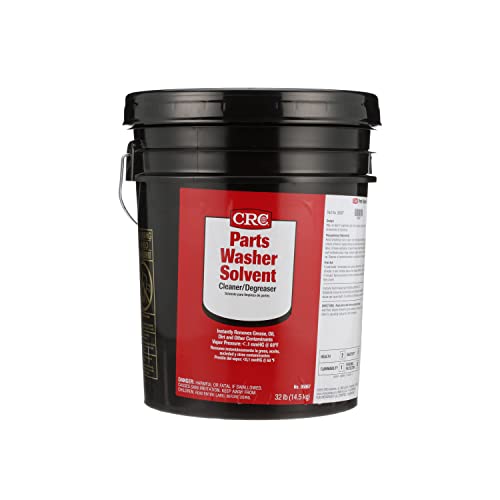
CRC Parts Washer Solvent
A high-flash, zero VOC solvent for standard recirculating tanks.

CRC OzzyJuice SW-4
The matching fluid for SmartWasher microbe-based parts washers.
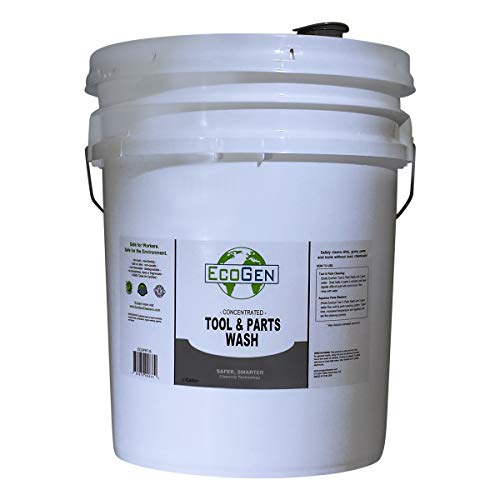
EcoGen Tool & Parts Cleaner
A non-flammable concentrate that stretches into more washer fluid.
Solvent, Water-Based or Bio: Three Kinds of Parts Washer Fluid
Shoppers looking for a good parts washer solvent usually find three families of product, and they are not interchangeable. Each one cleans in a different way and suits a different tank.
- Petroleum solvent: a refined hydrocarbon, close to mineral spirits, that dissolves oil and grease on contact and evaporates slowly. The key number is the flash point, the temperature at which vapors can ignite; higher is safer in a garage.
- Water-based (aqueous) fluid: a detergent concentrate or ready-to-use liquid that lifts grease rather than dissolving it. It is non-flammable, but parts need rinsing and drying so they don’t flash rust.
- Bioremediating fluid: a pH-neutral water-based fluid used with microbes that break down the oil the fluid picks up, so the bath stays usable longer.
Solvent cleans fastest on caked grease and leaves bare steel dry. Water-based fluids are easier on your skin and your lungs, and they work best warm, which is why heated cabinets and bio washers pair with them.
Match the Fluid to Your Washer and Its Pump
The best parts washer solvent is the one your washer’s manual approves, so read it before you buy a gallon. Most bench and drum-top washers sold for home garages use a small submersible pump designed for petroleum solvent, and some manuals say a water-based fluid can rust the tank or harm that pump. Bio washers work the other way round: a solvent would kill the microbes and void the design.
People asking for the best parts washer pump for solvent are often replacing a seized pump. Buy the replacement the washer maker lists, rated for the fluid you run, and keep the filter screen clean so sludge doesn’t reach it. A pump that hums but won’t move fluid is usually clogged, not dead.
Best Parts Washer Solvent Picks, Pail by Pail
Flash points, surface ratings and washer compatibility below come from each maker’s Amazon listing. Check the label and safety data sheet on your pail before first use.
1. CRC Parts Washer Solvent: Zero VOC, 204°F Flash Point, 5 Gallon Pail
- Zero VOC formula
- No chlorinated solvents
- 204°F stated flash point
- Metals, most plastics and painted parts
CRC Parts Washer Solvent is a ready-to-use cleaning fluid sold in a 5-gallon pail for recirculating solvent washers. CRC describes it as removing grease, oil, dirt and other contaminants on contact, which is what you want when a part comes off the car coated in road grime. It goes straight into the tank with no mixing, so a fill takes a few minutes.
Two details set it apart on paper. CRC lists a flash point of 204°F, well above the figures quoted for ordinary mineral spirits, and the formula is rated zero VOC with no chlorinated solvents. A higher flash point lowers the chance that vapors ignite near a heater or a stray spark, and a zero VOC rating matters if you work in an attached garage where fumes can drift into the house.
The listing rates it for all metal parts, most plastics and painted surfaces, so brackets, painted covers and plastic housings can share the same bath. Test an unusual plastic in a hidden spot first, and wipe or air dry parts before reassembly. It suits a classic drum-top or bench washer that already runs petroleum solvent; it does not belong in a bioremediating washer that depends on microbes.
View CRC Parts Washer Solvent on Amazon
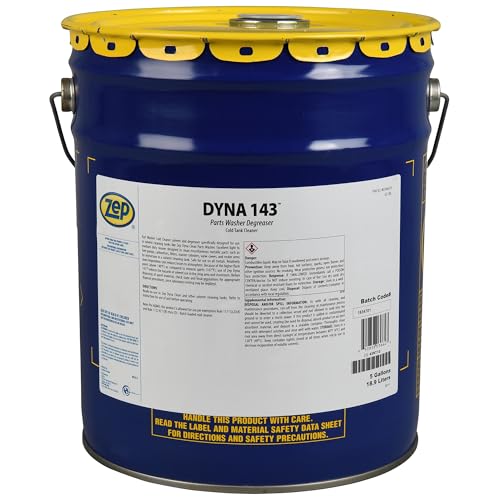
2. Zep Dyna 143: Odorless Parts Washer Solvent with 143°F Flash Point, 5 Gallon
- Highly refined, odorless solvent
- 143°F stated flash point
- Low evaporation and vapor pressure
- For metal parts; not for plastics
Zep Dyna 143 is a parts washer solvent made from highly refined, odorless hydrocarbons, sold here in a 5-gallon bucket. Zep says it quickly dissolves and flushes away grease, oil and other soil, and its low evaporation rate and vapor pressure mean less fluid lost to the air and less exposure for whoever stands at the sink.
The name refers to its flash point. Zep lists 143°F and compares that with 107°F for mineral spirits, which is a meaningful step up in fire safety for a garage or storeroom. In a filtered washer the solvent recirculates while particles and oil collect in the filter, so a tank of it can last a long time between changes. Zep also notes it can be used for general degreasing wherever a solvent cleaner is needed.
The main limit is materials. Zep advises against using it on plastics and designs it for metallic parts, naming fuel pumps, carburetors, filters, master cylinders, valve covers and rocker arms. That makes it a strong fit for engine and brake hardware, but a poor choice if you often clean plastic trim, sensors or connectors. Pull plastic pieces off an assembly before it goes in the tank.

3. B’laster Parts Washer: High Flashpoint 145°F Parts Cleaner Solvent, 5 Gallon

- 145°F stated flash point
- Breaks down oil, grease and grime
- Leaves no residue, per the maker
- Metals, most plastics and painted surfaces
B’laster, widely known for its penetrating oil, also makes a parts washer solvent sold in a 5-gallon pail. The maker positions it as a step beyond ordinary mineral spirit cleaners, saying it breaks down oil, grease and grime quickly so parts need less scrubbing. It is a ready-to-use fluid, poured straight into a recirculating washer.
B’laster lists a flash point of 145°F, close to Zep Dyna 143 and higher than typical mineral spirits. The listing also says it cleans without leaving residue, which matters when a part is headed for paint, a new gasket or reassembly. Clean, dry surfaces let sealant bond and let you see cracks, stripped threads or worn bores before the part goes back on the car.
Unlike Zep, B’laster rates this solvent for all metals, most plastics and painted surfaces, so it suits a bench that sees a mix of materials, from steel brackets to painted valve covers and plastic brake parts. Still test any plastic you are unsure about before soaking it. It is aimed at both professional and DIY use on car parts, tools and small equipment, and like any petroleum solvent it stays out of microbe-based washers.
View B'laster Parts Washer Solvent on Amazon
4. CRC OzzyJuice SW-4: Heavy Duty Aqueous Degreasing Solution for SmartWasher, 5 Gallon
- Aqueous, pH neutral formula
- Non-flammable and non-corrosive
- Made for SmartWasher bioremediating units
- EPA Safer Choice certified, per CRC
OzzyJuice SW-4 is CRC’s heavy duty degreasing solution for its SmartWasher line, the bioremediating parts washers that use microbes to break down the oil a fluid picks up. It is aqueous rather than petroleum based, and CRC says it matches or surpasses premium solvents on grease without the same health and safety risks. It comes ready to use in a 5-gallon pail.
The formula is pH neutral, non-corrosive, non-flammable and non-toxic according to the listing, and CRC says it removes the need for hazardous waste disposal. Check your local rules on the oily sludge from any washer, though. CRC also lists OzzyJuice as EPA Safer Choice certified; the EPA’s Safer Choice label page explains that every ingredient is reviewed against health and environmental criteria.
This fluid is built for a SmartWasher system, where it is meant to run continuously with the microbes doing the cleanup. It is not a drop-in replacement for solvent in a petroleum tank, and its cleaning action relies on warmth and a little brushing more than a solvent soak does. Rinse and dry steel parts after washing so they don’t flash rust.
View CRC OzzyJuice SW-4 on Amazon

5. Oil Eater Parts Washer Fluid: Water-Based pH Neutral Cleaner for Microbe Systems, 5 Gallon

- Water-based and biodegradable
- pH neutral, non-corrosive formula
- Nutrient package for microbe washers
- Heat tolerant for heated systems
Oil Eater Parts Washer Fluid is a water-based, heavy duty cleaner sold in a 5-gallon pail for automotive parts, industrial tools and equipment. Oil Eater pitches it at smart washers and microbe-based parts cleaners, so it is an alternative fluid for owners of bioremediating systems rather than a filler for a classic solvent tank.
The formula is biodegradable and pH neutral, which the maker says keeps it non-corrosive and safe on parts, tools and the washer itself. It also includes a nutrient package intended to help microbe colonies thrive, so they keep eating the fats, oils, greases and odors the fluid carries away. That is the same idea behind brand-matched bio fluids, so confirm your washer maker allows a third-party fluid before switching.
Oil Eater describes the formula as heat tolerant and suited to heated systems, vats and processing equipment. Warm water-based fluids clean far better than cold ones, so this suits a heated tank in a garage that stays cool through a West Michigan winter. As with any aqueous cleaner, rinse and dry bare steel afterward, and expect to use a brush on heavy, baked-on deposits.
View Oil Eater Parts Washer Fluid on Amazon
6. EcoGen Tool & Parts Cleaner: 4X Concentrated Non-Flammable Parts Washer Solution, 5 Gallon
- Concentrate that mixes 1:3 with water
- Water-based and non-flammable
- Works in water-based washers
- Made in the USA
EcoGen Tool and Parts Cleaner is a water-based concentrate sold in a 5-gallon bucket. EcoGen says it removes oil, grease and grime from tools, parts and equipment and works with any water-based parts washer, in both manual and automated systems. Because it mixes at a 1:3 ratio with water, one pail makes considerably more working fluid than a ready-to-use product.
The maker describes it as non-flammable, biodegradable and free of harsh fumes, and says it is gentle on skin. That makes it a reasonable choice for a garage attached to the house or a shop where solvent odor is a problem. EcoGen’s own tips are practical: brush stubborn deposits, let the cleaner sit for a while, rinse thoroughly and use hot water for better results.
Two cautions come straight from the listing. Avoid prolonged contact with untreated aluminum, which can discolor, so don’t leave aluminum parts soaking. And because it is water-based, it belongs only in a washer rated for aqueous fluids, not a petroleum solvent tank whose pump and steel tank may not be built for it. Dry bare steel parts soon after cleaning to stop surface rust.
View EcoGen Tool & Parts Cleaner on Amazon
Parts Washer Solvent vs Mineral Spirits, Diesel, Degreaser and Brake Cleaner
Most of the “vs” questions come down to flammability, residue and evaporation speed. Here is how the common substitutes stack up against a purpose-made fluid.
| Fluid | How it cleans | Main drawback | Parts washer use |
|---|---|---|---|
| High-flash parts washer solvent | Dissolves oil and grease, dries off slowly | Still combustible; used fluid needs proper disposal | Made for solvent tanks |
| Mineral spirits | Similar solvent action | Lower flash point (Zep cites 107°F); odor builds over time | Common, but check the washer manual |
| Diesel or kerosene | Cuts grease cheaply | Oily film, strong smell, skin exposure | Not recommended |
| Water-based degreaser | Lifts grease with detergents | Needs rinsing; can rust steel and some tanks | Only in washers rated for it |
| Brake cleaner (aerosol) | Flashes off in seconds | Evaporates too fast; some types very flammable | Never in a tank |
Brake cleaner still has a place. It is the right tool for a quick final spray on rotors or a caliper bracket where no residue can stay behind, and our brake cleaner spray guide covers chlorinated and non-chlorinated cans. For soaking a greasy bellhousing bolt or a valve cover, the tank wins.

Diesel shows up in a lot of old shops because it is cheap and already on hand. It leaves a film that attracts dirt, it smells for days and it soaks into skin, so a purpose-made solvent is the cleaner choice for anything you plan to paint, seal or reassemble.
Safe Use, Storage and Disposal in a Michigan Garage
Even a high-flash solvent burns, so keep the washer lid’s fusible link working and the tank away from a furnace, water heater or grinder sparks. Open the door or run a fan while you work, and wear chemical-resistant gloves; our nitrile gloves for mechanics guide lists thicker options that stand up to solvent. Put soaked rags in a closed metal can, never a pile on the bench.

Unheated garages here drop well below freezing in January. Water-based fluids can freeze and separate, so check the storage temperature on the label and bring spare pails indoors if needed. Cold solvent also cleans more slowly, which is one reason winter jobs take longer at the bench.
Used solvent and dirty sludge should never go down a drain, into a storm sewer or onto the ground. The EPA’s household hazardous waste page explains why and points you to local collection programs; your city or county solid waste office can tell you where to take it.
When the Dirty Part Belongs to a Mechanic
A washer makes driveway jobs pleasant: clean bolts thread in smoothly and clean parts show cracks you would miss under grime. Pair it with a solid floor jack that gives good value, a complete mechanic tool set and a grease gun for chassis fittings, and most routine work is covered.

Oil caked on an engine or a suspension part is often a symptom, not just a mess. If you keep cleaning the same leak, have it found and fixed during factory scheduled maintenance in Grand Rapids. Curious whether an ultrasonic tank would suit your small parts better? Read our parts washer vs ultrasonic cleaner comparison.
More Buying Guides
Frequently Asked Questions
What is the best parts washer solvent for aluminum?
A pH-neutral fluid or a solvent rated for all metals is the safer choice. CRC Parts Washer Solvent and B’laster list all metals, and OzzyJuice and Oil Eater are pH neutral. EcoGen’s maker warns against prolonged contact with untreated aluminum, so rinse aluminum parts promptly.
Can I use diesel instead of parts washer solvent?
It cleans, but it leaves an oily film, smells strongly and is hard on your skin. A purpose-made solvent dries cleaner and usually has a stated flash point and safety data sheet to work from.
Is parts washer solvent the same as a degreaser?
No. Parts washer solvent dissolves grease and evaporates without rinsing, while most degreasers are water-based detergents that need a rinse. Some water-based fluids are made for parts washers, but only use one in a washer rated for it.
How often should I change parts washer solvent?
When it stays cloudy after settling or parts come out with a film, it is time. Cleaning the filter and scooping out sludge stretches the interval, and a home garage often gets a long service life from one fill.
Found an oil leak while scrubbing parts, or would you rather we handled the greasy work? Phone 456 AutoFix at 616-279-3832 between 8am and 5pm on weekdays, or send us a note from the contact page to set up a visit.
Working the same hours we do? Our after-hours drop-off lets you leave the car whenever suits you at 456 Carrier St NE, in the Creston neighborhood of Grand Rapids.