As an Amazon Associate, 456 AutoFix earns from qualifying purchases. Product links below go to Amazon, where you can confirm the right part for your vehicle.
A door that groans every time it swings and a rubber seal that freezes to the frame look like the same kind of problem, yet they call for different cans. The white lithium grease vs silicone spray question comes down to one thing: what the part is made of and how hard it works. Grease belongs on loaded metal joints, while silicone belongs on rubber and plastic that need to slide without swelling.
Most garages already have one of each, and plenty of owners grab whichever sits closest. That habit works until lithium grease smears onto a door seal or silicone gets sprayed on a hinge pin that needs a thicker film. Below we explain how each product behaves, map them to the spots on a car that need lubrication, and look at three specific cans.
Quick answer
Should you reach for white lithium grease or silicone spray?
Use white lithium grease on metal parts that pivot under load, such as door hinges, check straps and hood latches. Use silicone spray on rubber, plastic and vinyl, such as weatherstripping and window channels. For dusty lock cylinders and tight slides, a dry PTFE film stays cleaner than either one.
Our Quick Picks
For the white lithium grease vs silicone spray decision, here is one can of each plus a related third pick, a dry PTFE film for locks and slides where neither wet product is ideal.

CRC White Lithium Grease
A clinging white grease for loaded metal joints.

Liquid Wrench M914 Silicone Spray
Clear silicone film for seals, trim and channels.

DuPont Non-Stick Dry-Film Lubricant
A dry, dust-shedding coat for locks and slides.
Two Different Films: Thick Grease and a Slick Coat
White lithium grease is a lubricating oil thickened with lithium soap, with white solids such as zinc oxide often added for color and load protection. In an aerosol, a solvent carries it out of the nozzle and then evaporates, leaving a buttery layer that clings to metal and resists being squeezed out. That cushion is what keeps two steel surfaces apart when a heavy door hangs on its hinge pins.
Silicone spray works the other way. The carrier flashes off and leaves a thin, clear film of silicone fluid that makes surfaces slippery and sheds water. It is gentle on most rubber and plastics, which is why makers aim it at seals, trim and window tracks, but the film is too thin to carry much load between metal parts.
| Property | White lithium grease | Silicone spray |
|---|---|---|
| Film left behind | Thick, white, tacky layer | Thin, clear, slippery layer |
| Main surfaces | Metal on metal | Rubber, plastic, vinyl and light metal slides |
| Load it handles | Moderate to heavy pivot loads | Light sliding contact |
| Dirt pickup | Holds grit on exposed joints | Low once dry, but it can still attract dust |
| Watch out for | Petroleum carrier on some rubber, mess on paint | Overspray on paint and glass before waxing or bodywork |
Neither product is a cleaner, and neither one frees a seized bolt. If a hinge is crusted with rust, break it loose and wipe it out first, a job our comparison of penetrating oil and WD-40 covers in detail. Fresh lubricant packed over old grit only turns into grinding paste.
Silicone Spray vs White Lithium Grease, Job by Job
The quickest way to decide is to look at the spot you are treating. Ask whether it is metal or rubber, whether it carries weight, and whether road dirt can reach it. The chart below covers the places on a typical car that most often squeak, stick or freeze.
| Spot on the car | Reach for | Why |
|---|---|---|
| Door hinge pins and check straps | White lithium grease | Loaded steel pivots need a thick film |
| Hood latch and safety catch | White lithium grease | Springs and hooks rub metal on metal |
| Door and trunk weatherstripping | Silicone spray | Safe on rubber, helps stop freezing |
| Window run channels and sunroof seals | Silicone spray | Slick film without swelling rubber |
| Plastic latch parts and seat tracks | Silicone spray or dry PTFE | Light load, dirt in the cabin |
| Lock cylinders and key slots | Dry PTFE film | Grease gums up the tumblers |
Some cars come from the factory with a specific grease on the hinges and latches, so check your owner’s manual or service information before you change products. Modern door latches often hide plastic gears and cables inside the door, and those parts generally prefer silicone or a dry film over a heavy grease. Our roundups of white lithium grease for every budget and silicone sprays that suit car work go deeper on each type.
White Lithium Grease vs Silicone Spray: Three Cans Up Close
We picked one white lithium grease, one silicone spray and a dry PTFE film for the spots where neither is ideal. None of these listings names a vehicle, so match the product to the material you are treating, not to the car. Read the label on each can for temperature range and surface warnings before you start.
CRC White Lithium Grease: 10 wt oz Aerosol with a Clinging High-Viscosity Film
- 10 wt oz aerosol can
- Made for metal-to-metal parts that need grease to cling
- High-viscosity film inhibits rust and oxidation
- Listed for hinges, door tracks, cables and chains
CRC is a long-running maker of shop chemicals, and this listing is a single 10 wt oz aerosol of its white lithium grease. The listing describes it for metal-to-metal applications where the grease needs to cling, which is exactly the situation at a car door hinge or a hood latch. It sprays on as a liquid, then the carrier evaporates and leaves the white grease in place.
According to CRC, the tough, high-viscosity white grease forms a protective film that inhibits rust and oxidation and extends the service life of components. On a car, that film helps the steel pins and straps that sit in road spray every winter. The listing names hinges, overhead door tracks, open gears, chains, cables, guide rails and cams among its uses, so the same can also covers garage door and trailer hardware.
This is the pick from the comparison for loaded metal pivots. It is not meant for rubber seals, window channels or the plastic parts inside a latch, where silicone or a dry film is kinder. Lithium grease also holds onto grit, so wipe the joint clean before spraying and wipe off the excess afterward. Check your owner’s manual in case your car’s maker specifies a different body grease.
View CRC White Lithium Grease on Amazon
Liquid Wrench M914 Silicone Spray Lubricant: 11 oz Aerosol, Case of 6, for Rubber and Vinyl
- Case of six 11 oz aerosol cans
- Stops squeaks, rust and corrosion
- Brightens rubber, vinyl and leather
- No chlorinated solvents
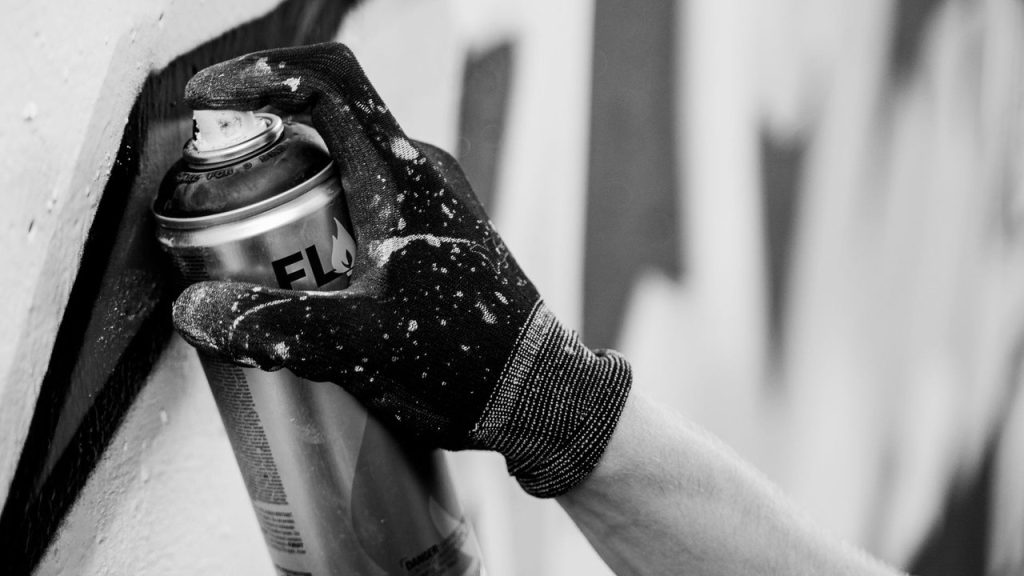
Liquid Wrench, a family-owned company based in Charlotte, North Carolina, sells its M914 silicone spray in 11 oz aerosol cans, and this listing is a case of six. That is a lot of spray for one car, but it splits easily between the garage, a second vehicle and household jobs such as sliding doors and window tracks.
The listing says the spray stops squeaks, rust and corrosion, brightens rubber, vinyl and leather, and protects aluminum and chrome from pitting. It also states that the formula does not contain chlorinated solvents. On a car, the natural targets are door and trunk weatherstripping, window run channels, sunroof seals and rubber bushings that chirp over bumps, where a clear silicone film lets parts slide without leaving a white residue.
This is the silicone side of the comparison and the can to use before freezing weather arrives. Spray it onto a clean rag and wipe it along the seals so the mist stays off paint and glass. It is not the right choice for a heavily loaded hinge pin or hood latch, where the thin film wears away quickly, and it never belongs on brake parts.
View Liquid Wrench M914 Silicone Spray on Amazon
DuPont Non-Stick Dry-Film Lubricant: 10 oz Aerosol with Teflon, Rated -100F to +500F
- 100% dry-film Teflon coating and lubricant
- Effective from -100F to +500F
- Dirt-resistant, dry-to-touch finish
- Contains no silicone
The third pick sits between the two compared products. DuPont’s Non-Stick Dry-Film Lubricant is a 10 oz aerosol that leaves a dry coating of Teflon instead of a grease or a silicone oil. The listing describes it as 100 percent oil-free and dry to the touch, with a micro-thin coating that repels dust, grit and grime.
DuPont rates the film effective from -100F to +500F and says it uses a proprietary resin-bonding technology for tight-tolerance, metal-on-metal applications. The listing also states that it is safe for all surfaces and does not contain silicone. That last point helps owners who plan to wax or have paint work done, since silicone residue is a contamination body shops try hard to avoid.
On a car, a dry film earns its place in lock cylinders, seat tracks, sliding console lids and latch mechanisms that collect dust, where wet grease would gum up. It is a thin coating, so it will not cushion a heavy door hinge the way lithium grease does, and it may need reapplying more often on exposed parts. Shake the can well and let the solvent flash off before you work the part.
View DuPont Non-Stick Dry-Film Lubricant on Amazon

Salt, Slush and Frozen Seals: Using Both Cans in a Grand Rapids Winter
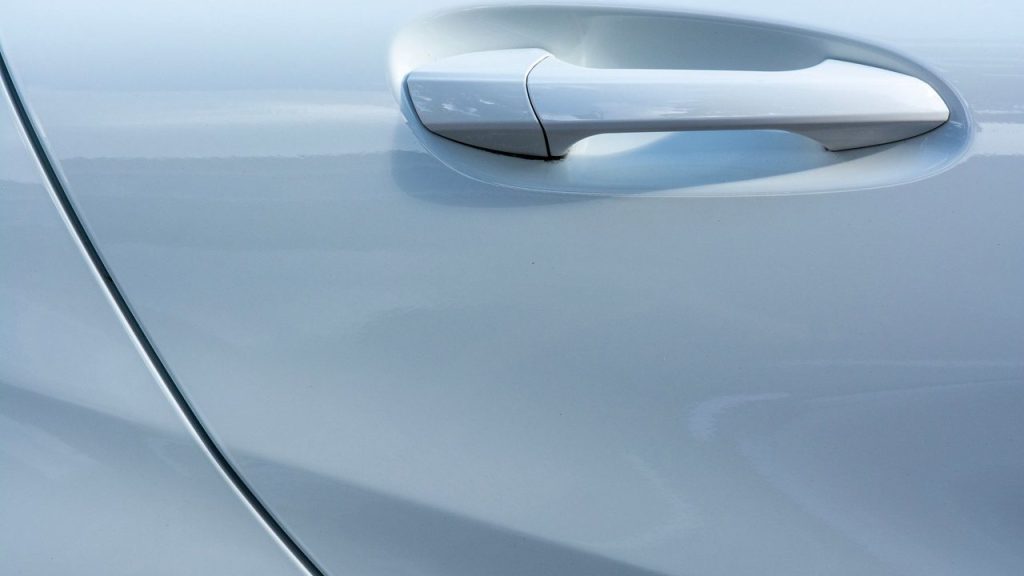
Every West Michigan winter tests both products. Wet snow melts into a door gap, refreezes overnight and glues the seal to the frame, and pulling hard on the handle can tear the rubber or strain the latch. A light coat of silicone wiped onto the seals in late fall leaves a slick surface that ice struggles to grip.
Road salt and brine work on the metal side. Spray thrown up from the street dries on hinges and hood latches, and the bare steel at the pivots starts to rust and stiffen. Cleaning those joints and packing them with fresh lithium grease before the first salting gives them a barrier that lasts through more washes than a thin spray would.
Both jobs fit naturally into a fall prep weekend alongside the battery, tires and coolant on our winter car maintenance checklist. If a door freezes shut while you are away from home, work the seal free gently rather than forcing it. A de-icer and a scraper belong in the trunk with the rest of a winter car emergency kit, but keep aerosol lubricants in the garage, since cans left in a car ride through big temperature swings.
Where Neither Belongs, and When to Hand It to a Mechanic
Keep both products away from brake rotors, pads and caliper slide pins. Slides need a high-temperature caliper lube that is safe on their rubber boots, and our guide to anti-seize and brake grease explains which goes where. Electrical plugs are another special case, covered in our look at dielectric grease and silicone grease.
Paint needs care too. Silicone overspray left on a panel can cause trouble for wax, sealant and body shop paint, so mask nearby paint and glass or spray onto a rag first. Wipe any mist off before your next coat from our car wax guide, and wipe lithium grease squeeze-out from door jambs so it does not end up on clothes.

Both are aerosols with flammable propellants and solvents, so read the label, wear eye protection, keep sparks and flames away, and work with the garage door open. The EPA notes that many solvent-based products release volatile organic compounds that build up indoors, which is a good reason to ventilate. Let the carrier evaporate before you close a door on a fresh coat.

A lubricant only fixes friction. A door that drops when you open it, a hood that will not latch, or a lock that turns but does not release usually points to worn hinge pins, a stretched cable or a failed part. Our shop handles factory scheduled maintenance in Grand Rapids for foreign and domestic vehicles, and Hendrick Hoffman, our owner and head mechanic, has been in automotive service since 2005.
More Buying Guides
Frequently Asked Questions
Is silicone spray or white lithium grease better for car door hinges?
White lithium grease is usually the better fit for the hinge pins and check strap, because those steel parts carry the weight of the door. Silicone spray quiets a hinge for a while but thins out under load. Use silicone on the rubber seals around the same door instead.
Can white lithium grease go on rubber weatherstripping?
It is better not to. Many aerosol greases use a petroleum-based carrier that can soften or swell some rubber over time, and the white residue smears onto clothing. Silicone spray is made for rubber and leaves a clear film that also helps keep seals from freezing to the frame.
What should I use on a car door lock cylinder?
A dry PTFE lubricant or a lock lubricant is the usual choice, applied in a short burst. Grease and wet sprays can collect dust inside the tumblers and make a stiff lock worse over time. If the key turns but the door still will not open, the latch or actuator likely needs attention.
How often should hinges and seals be lubricated?
Many owners treat hinges and latches once or twice a year, and seals before winter and again in spring. Check your owner’s manual, since some makers list body lubrication in the maintenance schedule. Clean off old grime first, then apply a light coat and wipe away the excess.
Hood latch sticking or a door that still groans after a fresh coat? Ring our team at 616-279-3832 on any weekday between 8am and 5pm, or set up a maintenance visit through our contact page.
If our weekday hours clash with your shift, the after-hours drop-off at 456 Carrier St NE lets you leave the car with us once the shop has closed for the day.