
As an Amazon Associate, 456 AutoFix earns from qualifying purchases. Product links below go to Amazon, where you can confirm the right part for your vehicle.
A window that crawls up its track, a door seal that tears loose on a frozen January morning, a trunk hinge that groans every time you load groceries: these are small jobs a can of silicone spray handles in minutes. The best silicone spray for cars leaves a thin, slick film on rubber, plastic and metal that sheds water and keeps parts sliding without turning gummy.
Cans differ in the film they leave, so below we cover where silicone belongs on a vehicle, where it never should go, and six cans that suit different jobs.
Quick answer
Which silicone spray works best on a car?
For most owners, a dry-finish general silicone such as WD-40 Specialist Silicone Lubricant covers weatherstrip, window channels and lock cylinders. CRC Heavy Duty Silicone suits rubber and nylon parts that see a lot of water, and DuPont’s PTFE-enhanced can is a gentle option for vinyl, plastic and trim pieces.
Our Quick Picks
Three cans that cover most car jobs: an all-round dry silicone, a heavy duty spray for wet rubber and nylon, and a light PTFE blend for plastic and vinyl. All six are reviewed below.

WD-40 Specialist Silicone
A clean, general silicone for seals, tracks and locks.

CRC Heavy Duty Silicone
A heavier silicone film for parts that see slush and rain.
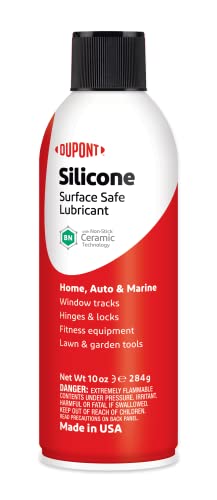
DuPont Silicone with Teflon
A light, gentle film for plastic, vinyl and rubber parts.
Where Silicone Spray Helps on a Car, and Where It Hurts
Silicone works best where rubber or plastic rubs against something else. It does not swell most rubber the way petroleum products can, and it keeps working in deep cold.
- Door and trunk weatherstrip: a light coat helps stop seals from freezing to the frame after a wash or a sleet storm.
- Window and sunroof channels: eases slow or chattering glass when the felt and rubber runs are dry.
- Seat tracks and plastic slides: quiets squeaks where plastic guides rub on metal rails.
- Lock cylinders and hood latch springs: a short shot through a straw keeps moisture from locking them up.
The same slickness is a hazard in the wrong place. Keep silicone off brake rotors and pads, pedals, steering wheels, floor mats and tire tread, and never mist it near the windshield, where it smears and can make wipers chatter. Silicone residue also causes fisheye craters in fresh paint, so keep it off panels you plan to repaint and use a proper car wax for paint protection instead.
How to Pick a Silicone Lubricant Spray for Your Car
The labels look alike, so sort cans by the film they leave and the job in front of you.
- Dry or wet film: dry-finish sprays attract less road grit, which matters inside window channels; wetter films last longer on exposed rubber.
- Additives: PTFE (Teflon fluoropolymer) blends add slip on light-duty plastic and vinyl parts.
- Straw or wide spray: a straw puts product into lock cylinders and latch pivots without overspray on paint or glass.
- Temperature range and surfaces: read the maker’s stated range and approved materials, and test a hidden spot first.
Makers state these details on their own product pages. WD-40, for example, lists a working range of -100°F to 500°F for its Specialist Silicone Lubricant and advises testing an unfamiliar surface before you coat it.
Best Silicone Spray for Cars: Six Cans Compared
All six are true silicone lubricants sold for automotive and general use. Sizes and nozzles vary between listings and multipacks, so check both before you order.
1. WD-40 Specialist Silicone Lubricant: 13.3 oz Dry-Finish Spray for Rubber and Vinyl
- 13.3 oz aerosol can
- Dries to a clear, non-sticky finish
- Listed for window tracks, hinges and locks
- Safe on most metal, rubber, vinyl and plastic
WD-40 Specialist Silicone Lubricant is the brand’s dedicated silicone spray, separate from the familiar blue-and-yellow multi-use can. This listing is the larger 13.3 oz single can. It dries to a clear finish without a sticky layer, which means window channels and seat rails are less likely to collect the fine grit that makes them drag again a few weeks later.
The listing names window tracks, guide rails, pulleys, cables, hinges and locks as intended uses, and says the spray is safe on most metal, rubber, vinyl and plastic surfaces. On WD-40’s own product page, the maker adds a working range of -100°F to 500°F and a water-resistant film, and suggests it for door seals and for spraying into locks so they are less likely to freeze. The page also advises testing a small area first when you are unsure about a surface.
Because the film is dry and thin, it suits frequent, light jobs rather than heavy metal joints that carry load. A door check strap or hood hinge is better served by a grease. Earlier WD-40 Specialist cans used a two-way straw, so check the listing photos for the nozzle on this size if pinpoint spraying into lock cylinders matters to you.
View WD-40 Specialist Silicone on Amazon
2. CRC Heavy Duty Silicone Lubricant: 11 oz Dry Film Spray for Rubber and Nylon
- 11 oz aerosol can
- Dry film that resists water
- Listed for rubber and nylon parts
- Protects metal and non-metal surfaces
CRC Heavy Duty Silicone Lubricant is a long-running shop staple from a maker that also sells brake cleaner and penetrants. This listing is the 11 oz aerosol. The title describes it as a dry film silicone spray that resists water, lubricates rubber and nylon, and protects both metal and non-metal parts, and the single feature line notes that it leaves no residue.
That combination makes it a sensible choice for parts on a car that get soaked and then frozen. Door and trunk weatherstrip, the rubber boots around a shifter or parking brake, nylon bushings on a hood prop rod and the plastic guides in a sunroof track all fit what the listing describes. A dry film also matters around carpets and upholstery, since it is less likely to transfer onto clothes or mats than a wet oil.
The Amazon listing is short on detail, so read the can label for the full list of approved surfaces, the temperature range and the safety directions before you use it. As with any silicone aerosol, mask nearby paint and glass or spray a cloth first. It is a lubricant and protectant, not a cleaner, so wipe off old grime before you apply a fresh coat.
View CRC Heavy Duty Silicone on Amazon

3. B’laster 16-SL Industrial Strength Silicone Lubricant: 11 oz Non-Staining Spray

- 11 oz aerosol, part 16-SL
- Clear, non-evaporating formula
- No-track film resists dust and dirt
- Listed for rubber, vinyl, plastic and leather
B’laster 16-SL is the 11 oz can of the company’s silicone lubricant, the same maker known for PB B’laster penetrant. The listing says it carries a higher concentration of silicone than competing brands, which B’laster links to longer-lasting lubrication. The formula is clear and non-evaporating, so it stays on the part instead of flashing off within minutes.
B’laster describes the film as no-track, meaning it is meant to resist collecting dust and dirt, and the listing calls it non-staining. It lists elastomers, metal, plastic, wood, rubber, vinyl and leather among the materials it lubricates and protects, and the maker’s own product page names rubber window and door seals as one of its main uses. On a car, that points to weatherstrip, trunk lid rubber, sliding console lids and rear seat latches.
A non-evaporating film lasts longer, but it also stays slick wherever it lands, so overspray on glass or paint needs wiping off straight away. Spraying a rag first and wiping the seal is the tidier method for door rubber. For heavily loaded metal hinges, a grease is still the better tool than any silicone spray.
View B'laster 16-SL Silicone on Amazon
4. DuPont Silicone Lubricant: 10 oz Spray with Teflon Fluoropolymer for Non-Metal Parts
- 10 fl oz aerosol
- Silicone with Teflon fluoropolymer
- Light-duty, for non-metal materials
- Listed for rubber, plastic, vinyl and leather
DuPont Silicone Lubricant blends silicone with Teflon fluoropolymer, a PTFE additive that adds slip to the film. This listing is the 10 fl oz aerosol. DuPont calls it a clean, light-duty product made for non-metal materials that conventional lubricants may damage, which is a useful trait inside a car full of plastic clips, vinyl panels and rubber trim.
The listing says it waterproofs, protects, lubricates and preserves, and names rubber, plastic, vinyl, leather, metal and wood as suitable surfaces. It also lists squeaking and binding in windows, hinges and locks among the problems it addresses, and says it helps prevent rust and corrosion on metal. For a car, that covers seat track squeaks, a sticky glove box hinge, plastic sunroof guides and the rubber window runs that start to chatter in dry weather.
Light-duty is the honest description, so expect to reapply it more often than a heavier film, especially on exterior seals in salt season. Leather and soft-touch plastics vary between vehicles, so test a hidden spot before you coat anything you can see. Keep it off the steering wheel, pedals and floor mats, where a slick film becomes a safety problem.
View DuPont Silicone with Teflon on Amazon

5. 3M Silicone Spray Low VOC 60%: 13.4 oz Fast-Drying Lubricant and Protectant

- 13.4 oz net weight aerosol
- Low VOC formula (60% per listing)
- Fast drying and non-staining
- Protects rubber, plastic and metal
3M Silicone Spray Low VOC comes from 3M’s industrial line rather than its car care shelf, and this listing is the 13.4 oz can. The title names it a low-VOC formula at 60%, a formula for buyers who want fewer volatile organic compounds coming out of the can. It is a general-purpose lubricant and protectant rather than a product written around one car job.
The listing describes a fast-drying, long-lasting silicone that is non-staining, so it should not leave marks on work surfaces. It lists rubber protection, plastic preservation and metal protection and lubrication among its uses. On a car, that translates to dressing weatherstrip before winter, keeping plastic sliding parts moving and adding a protective film to small metal hardware such as latch springs and seat adjuster rods.
The product details are short and industrial in tone, with no list of specific automotive parts, so follow the can’s directions and safety notes closely. A fast-drying film is convenient for quick jobs, but it can also mean reapplying sooner on exterior rubber. It is a sensible pick if you already buy 3M shop supplies and want one silicone can for both the car and the garage bench.
View 3M Silicone Spray Low VOC on Amazon
6. Super Lube Silicone Lubricant 91110: 11 oz Food Grade Aerosol with Corrosion Inhibitor

- 11 oz aerosol, model 91110
- NSF H1 registered food grade
- Moisture resistant, helps prevent freezing
- Extension tube for pinpoint spraying
Super Lube Silicone Lubricant 91110 is an 11 oz general-purpose aerosol from a maker better known for its synthetic greases. It is registered as an NSF H1 food-grade lubricant, a rating that matters in food plants more than in a driveway, but it does tell you the formula is held to a published standard. The spray dries translucent and clear.
The listing describes a non-stick, moisture-resistant formula that acts as a corrosion inhibitor and helps prevent rust, freezing and binding. It comes with an extension tube for pinpoint application, and the listing names doors, locks and windows among the places it reduces friction and squeaks. The rubber-safe description in the title makes it suitable for weatherstrip as well as metal hardware.
For a car, its strongest use is the small, cold-sensitive parts: door lock cylinders, fuel door hinges, trunk latch mechanisms and the pivot of a tailgate handle. The extension tube keeps the spray off paint and glass when you work on those. Like any silicone film, it is not a heavy grease, so it will not replace the lithium grease that belongs on loaded hood and door hinges.
View Super Lube Silicone Aerosol on Amazon
Matching Each Can to the Job
Use the table to match a can to the parts you treat.
| Spray | Film | Good fit | Keep in mind |
|---|---|---|---|
| WD-40 Specialist Silicone | Dry, clear | Weatherstrip, window tracks, locks | Check whether your can has the two-way straw |
| CRC Heavy Duty Silicone | Dry, water resistant | Rubber and nylon parts that get wet | Short listing, so read the can label |
| B’laster 16-SL | Non-evaporating, no-track | Door seals, trunk rubber, sliding trim | Wipe overspray off glass right away |
| DuPont Silicone with Teflon | Light, PTFE-enhanced | Vinyl, plastic and leather-adjacent parts | Light-duty, so reapply more often |
| 3M Silicone Spray Low VOC | Fast drying | Rubber and plastic protection in the shop | Industrial label, sparse auto guidance |
| Super Lube Silicone Aerosol | Non-stick, food grade H1 | Locks and latches prone to freezing | Use the extension tube to limit overspray |

If you only buy one can, pick a dry-finish general spray with a straw. The best silicone spray for cars is the one you will actually reach for in the driveway.
A Fall Routine Before the First Freeze
Salt spray and slush coat every seal on a West Michigan car, and a sudden freeze after a thaw is when doors weld themselves shut. Fit this into the same afternoon you work through our winter car maintenance checklist.
- Clean first: wipe seals and channels so the film does not trap grit.
- Spray the cloth, not the car: mist a lint-free rag and wipe the seals; it keeps silicone off paint and glass.
- Use the straw for locks and latches: one short burst, then work the key or handle a few times.
- Ventilate and protect: most silicone aerosols are flammable, so work away from sparks and flames and wear eye protection as the can directs.

Repeat the seal wipe after a few winter washes, and tuck a small can into your winter car emergency kit for frozen doors.
Silicone Spray or White Lithium Grease?
The two do different jobs. Silicone spray is thin and clean, and it suits rubber, plastic and light sliding parts. White lithium grease is heavier and clings to loaded metal joints such as door check straps, hood hinges and latch pivots, so our white lithium grease buying guide covers those parts separately.
When a Sticky Window or Squeak Needs a Mechanic
Even the best silicone spray for cars fixes friction, not broken parts. If a window drops into the door or the motor clicks without moving the glass, the regulator or switch is the likely problem, and our guide to a power window that stops working walks through the causes. Locks that buzz but stay shut usually point to the actuators described in door lock actuator symptoms, which is work for car electrical repair in Grand Rapids.

Underneath, a squeak over bumps often comes from worn bushings, ball joints or sway bar links. A spray can mask a part that is wearing out, so read our notes on squeaks over bumps and book a suspension inspection if the noise keeps coming back.
More Buying Guides
Frequently Asked Questions
Is silicone spray safe on car rubber seals?
Yes, for most automotive rubber, unlike many petroleum sprays. Test a hidden spot first on soft-touch trim or older seals, and wipe on a thin coat rather than soaking the rubber.
What is the best silicone lubricant spray for cars in winter?
A dry-finish general silicone, such as WD-40 Specialist Silicone Lubricant, handles frozen door seals and lock cylinders well. For locks and latches that keep freezing, a moisture-resistant can with an extension tube, such as Super Lube Silicone Aerosol, puts the film exactly where it is needed.
What is the best silicone spray for RC cars?
A light, plastic-safe spray such as DuPont Silicone Lubricant suits RC body clips, plastic suspension pivots and rubber boots. It does not replace the silicone shock oil and diff fluid sold by viscosity weight, so keep using the oils your RC kit’s manual specifies inside shocks and differentials.
Where should you not use silicone spray on a car?
Keep it off brakes, pedals, the steering wheel, floor mats, tire tread, glass and wiper edges, and any panel that will be painted. Silicone there makes surfaces slippery, smears glass or spoils new paint.
Window still dragging or a door lock refusing to answer the remote after a good coat of silicone? Ring Hendrick and the team at 616-279-3832 on a weekday between 8am and 5pm, or tell us what the door is doing on our contact page.
If your workday overlaps our hours, bring the car to 456 Carrier St NE, Grand Rapids, after closing and our after-hours drop-off will hold it until we open.