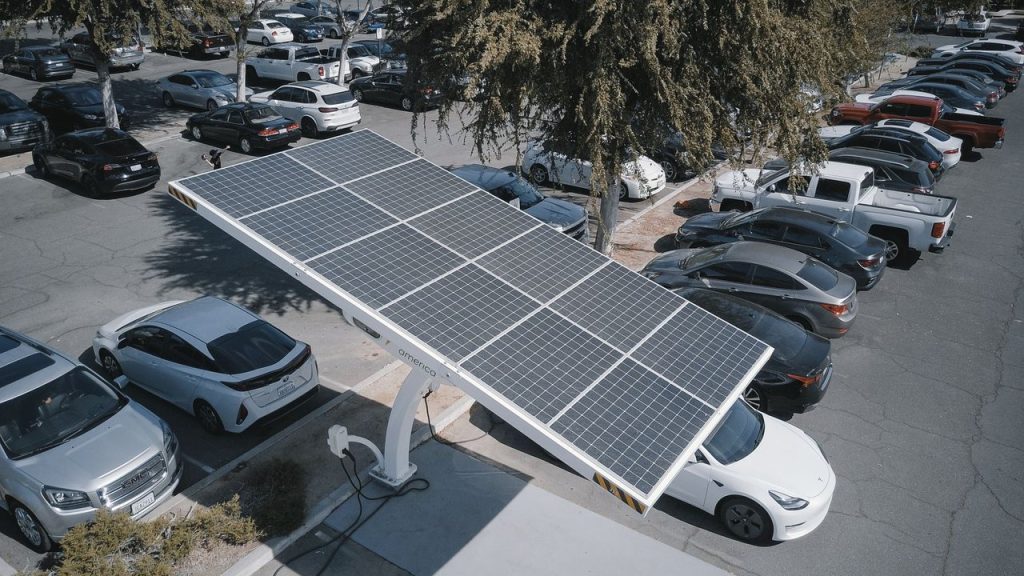
As an Amazon Associate, 456 AutoFix earns from qualifying purchases. Product links below go to Amazon, where you can confirm the right part for your vehicle.
Most electric cars and plug-in hybrids leave the dealer with a 120-volt cord in the trunk, so the level 1 vs level 2 ev charger question usually starts the first week you own one. You plug into a garage outlet, wake up to a partly full battery, and wonder whether a 240-volt unit would change your mornings. For some drivers it would, and for others the cord that came with the car is all they will ever need.
To keep the comparison fair, we put a Lectron Level 1 Wi-Fi cordset beside the Lectron Level 2 Wi-Fi unit, so the brand stays the same and only the charging level changes. A third pick from bokman covers both levels in one kit. Every product figure below comes from the Amazon US listings, and the charging speeds come from the EPA.
Quick answer
Is a Level 1 charger enough, or should you go to Level 2?
Level 1 runs on a normal 120V outlet and adds roughly 5 miles of range per hour, which suits plug-in hybrids and short commutes. Level 2 needs a 240V circuit and adds roughly 25 miles per hour, which suits long commutes, big batteries and cold Michigan winters.
Our Quick Picks
A matched pair of Lectron Wi-Fi chargers, one Level 1 and one Level 2, plus a bokman kit that handles both levels with one cable, all reviewed in full below.

Lectron 120V Level 1 WiFi Charger
Plugs into an ordinary outlet and adds app monitoring to slow overnight charging.

Lectron 40A Level 2 WiFi Charger
The Level 2 version of the same Lectron, with scheduling and a set energy limit.

bokman 32A Dual-Level J1772 Charger
One kit for 240V at home and a standard outlet on the road, with button controls.
What Changes Between 120 Volts and 240 Volts
Neither unit is really a charger in the strict sense. The charger lives inside the car, and the box on the wall or the brick on the cord is supply equipment, often called an EVSE, that checks the connection and hands power to the car safely. What the EVSE decides is how much power reaches the onboard charger, and that comes down to voltage and amps.
A Level 1 cordset plugs into the same three-prong NEMA 5-15 outlet as a lamp or a coffee maker. A Level 2 unit uses 240 volts, the supply behind an electric dryer or range, through either a plug such as a NEMA 14-50 or a hardwired connection. Twice the voltage and more than twice the amps is why the range gained per hour jumps so sharply.
All three picks here use the J1772 connector, the standard plug on most non-Tesla EVs and plug-in hybrids sold in the US. Tesla owners and drivers of newer NACS-port cars need an adapter, and each listing says so. Check which port your car has before you order anything.
Level 2 EV Charger vs Level 1: The Numbers
The speed figures in this table are the EPA’s rounded averages. Real results depend on how empty the battery is, how big it is, how fast your car’s onboard charger can accept power, and the temperature.
| Point | Level 1 | Level 2 |
|---|---|---|
| Supply voltage | 120V household outlet | 240V dedicated circuit |
| Typical outlet | NEMA 5-15 (standard wall outlet) | NEMA 14-50 plug or hardwired |
| Range added per hour (EPA) | About 5 miles | About 25 miles |
| Install work | Usually none | Electrician, panel check, often a permit |
| Who it suits | PHEVs, short commutes, travel backup | Long commutes, large batteries, two-EV homes |
| Picks below | Lectron 120V Level 1 Wi-Fi | Lectron 40A Level 2 Wi-Fi, bokman 32A dual-level |
Put those speeds against a normal night. Ten hours in the garage on Level 1 gives back around 50 miles, which covers a typical round trip to work. The same night on Level 2 can put back hundreds of miles, as noted on the EPA’s plug-in charging basics page.
Level 1 vs Level 2 EV Charger Picks Up Close
The two Lectron units share a brand, an app and a cord length, which makes them a clean like-for-like test of the charging level itself. The bokman fills the gap between them. For a wider spread of 240-volt units, our Level 2 EV charger buying guide reviews wall-mounted and hardwired models.
Lectron Level 1 J1772 Charger (WiFi Version): 120V, 15 Amp with NEMA 5-15 Plug and 16 ft Cord
- 120V, 15A output from a standard NEMA 5-15 outlet
- Lectron app shows status and adjusts current
- J1772 connector, 16 ft cord
- IP65 dust and water resistance
The Lectron Level 1 J1772 Charger in its Wi-Fi version is a portable 120-volt cordset that plugs into a standard three-prong NEMA 5-15 household outlet. Lectron rates it at 15 amps and says it adds roughly 40 to 50 miles of range overnight. That lines up with the slow but steady pace of Level 1 charging, and it needs no new wiring when the outlet is already in good shape.
The Wi-Fi link is what separates it from the plain cord that ships with many cars. Through the Lectron app you can watch charging status from the house and lower the charging current with a tap, which helps on an older circuit shared with other garage loads. The J1772 connector fits Ford, Honda, Hyundai, Kia, Chevy and other J1772 vehicles named on the listing, and the IP65 rating covers dust and water.
It works well as a daily charger for a plug-in hybrid or a short commute, and as a spare kept in the trunk for visits and road trips. The 16-foot cord asks you to park fairly close to the outlet. It will not keep up with a long-range EV driven many miles each day, and Tesla or NACS-port cars need an adapter, so check your port first.
View Lectron 120V Level 1 WiFi Charger on Amazon

Lectron Level 2 J1772 Charger (WiFi Version): 240V, 40 Amp with NEMA 14-50 Plug and 9.6 kW Output
- 240V, 40A, up to 9.6 kW
- NEMA 14-50 plug, 16 ft cord
- App scheduling and kWh charge limit
- Energy Star, ETL and FCC certified
The Lectron Level 2 J1772 Charger in its Wi-Fi version is the 240-volt counterpart to the Level 1 model above. It plugs into a NEMA 14-50 outlet, the same style often used for an electric range, and Lectron lists up to 40 amps and 9.6 kW of power. Because it plugs in rather than hardwires, you can unplug it and take it along when you move.
The Lectron app does more here than on the Level 1 cord. You can watch charging in real time, schedule sessions for off-peak hours, and set the amount of energy in kWh you want added to the car. Lectron says the handle is UL 2251 certified, the charger carries Energy Star, ETL and FCC marks, and a carrying case keeps the cable tidy in the garage or the trunk.
It suits drivers with long commutes, larger battery packs or more than one EV, and it gives cold-weather mornings more margin. The NEMA 14-50 outlet must be installed by a licensed electrician on a circuit sized for a 40-amp load. The 16-foot cord is on the short side for some driveways, and Tesla or NACS cars need an adapter.
View Lectron 40A Level 2 WiFi Charger on Amazon
bokman Level 1 & Level 2 EV Charger: 32A J1772 with NEMA 14-50 Plug, 5-15 Adapter and 20 ft Cable
- Level 2 via NEMA 14-50, Level 1 via 5-15 adapter
- Adjustable 6 to 32A and 1-12 hour delay timer
- LED display with live voltage and current
- IP65, ETL certified, cable rated -22°F to 130°F
The bokman Level 1 and Level 2 EV Charger answers the comparison by doing both. A built-in NEMA 14-50 plug gives 240-volt Level 2 charging at up to 32 amps, and an included NEMA 5-15 adapter lets the same unit run from an ordinary 120-volt outlet. The 20-foot cable is longer than either Lectron, which helps when the outlet sits on the far wall of the garage.
Controls are physical buttons and an LED screen rather than an app. You can set the current to 6, 8, 10, 12, 16, 24 or 32 amps to match the circuit, and a delay timer pushes the start back one to twelve hours for off-peak rates. The display shows live voltage and current, and bokman says the buttons stay usable with winter gloves. The unit is ETL certified and IP65 rated, with GFCI, surge and over-temperature protection listed.
It suits renters, frequent travelers and households not yet sure which level they need. bokman rates the TPE cable from -22°F to 130°F, a range that suits an unheated Michigan garage. There is no Wi-Fi or remote control, and Tesla owners need a separate J1772 adapter.
View bokman 32A Dual-Level J1772 Charger on Amazon
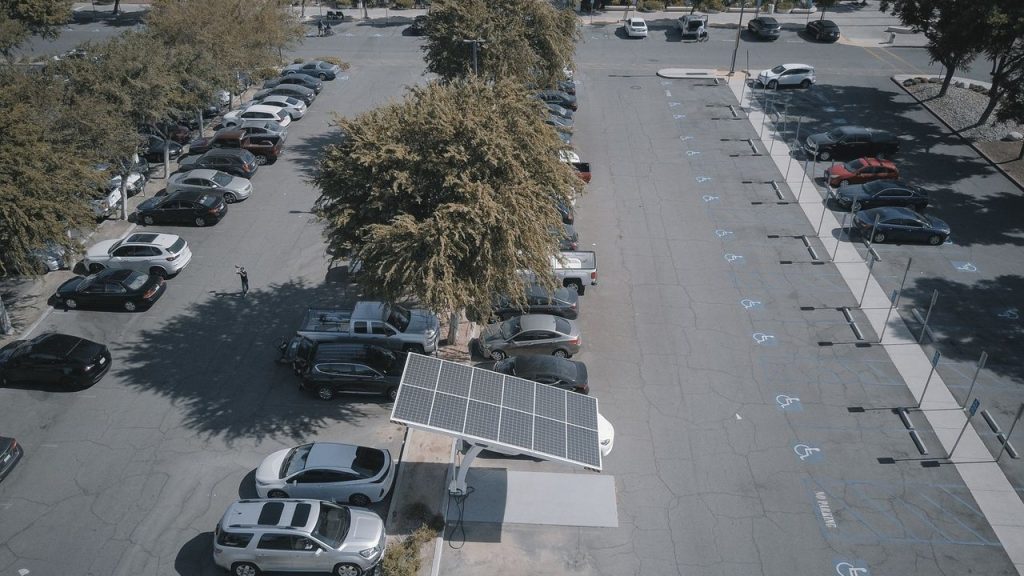
Matching the Charging Level to How You Drive
Plug-in hybrids and short commutes
A plug-in hybrid has a much smaller battery than a full EV, so a Level 1 cord often refills it overnight with hours to spare. The EPA notes that many drivers with commutes under 40 miles a day get by on Level 1 alone. If that describes your week, spend the money elsewhere first, and see our EV charger guide for plug-in hybrids when you want something nicer than the factory cord.
Hybrids still carry a regular 12-volt battery that runs the computers, locks and contactors, and it can fail just like one in a gas car. When a hybrid will not power up even with a full traction battery, the small battery is often the reason, and our hybrid car battery guide covers the AGM replacements that fit.

Long commutes, big batteries and two-EV driveways
Level 1 starts to fall behind once your daily miles climb past what one night of slow charging can return. A long-range SUV or electric pickup with a large pack may never reach full on 120 volts after a busy day. Two EVs sharing one garage outlet make the shortfall worse, because each car gets only part of the night.
A 240-volt unit closes that gap and lets you use off-peak hours, since most cars can finish a full refill inside a utility’s overnight window. Scheduling through an app or a delay timer is the main convenience gain beyond raw speed. For a deeper look at installation styles, our hardwired vs plug-in EV charger comparison sets the two side by side.
Is a level 1 and 2 EV charger worth it?
A dual-level portable unit makes sense when you rent, move often, or travel to places with only a standard outlet. You get 240-volt speed in your own garage and a fallback at a cottage, a relative’s house or a campground. The tradeoff is that a portable unit plugged into a NEMA 14-50 still needs that outlet installed properly first.
| Your situation | Better fit | Why |
|---|---|---|
| Plug-in hybrid, under 40 miles a day | Lectron Level 1 Wi-Fi | Small battery refills overnight on 120V |
| Long commute or electric truck | Lectron Level 2 Wi-Fi | 40A and 9.6 kW stated on the listing |
| Renter or frequent traveler | bokman dual-level | NEMA 14-50 plug plus a 5-15 adapter |
| Garage outlet far from the car | bokman dual-level | 20 ft cable versus 16 ft on the Lectrons |
| You want charge data on your phone | Either Lectron | Both connect to the Lectron app over Wi-Fi |
Charging Through a Grand Rapids Winter
Cold weather is where the gap between the two levels feels widest. A cold battery accepts charge more slowly, and some cars spend part of the incoming power warming the pack before charging at full rate. On 120 volts, that warm-up can eat a large share of a night’s charge on a January evening with lake-effect snow coming down.
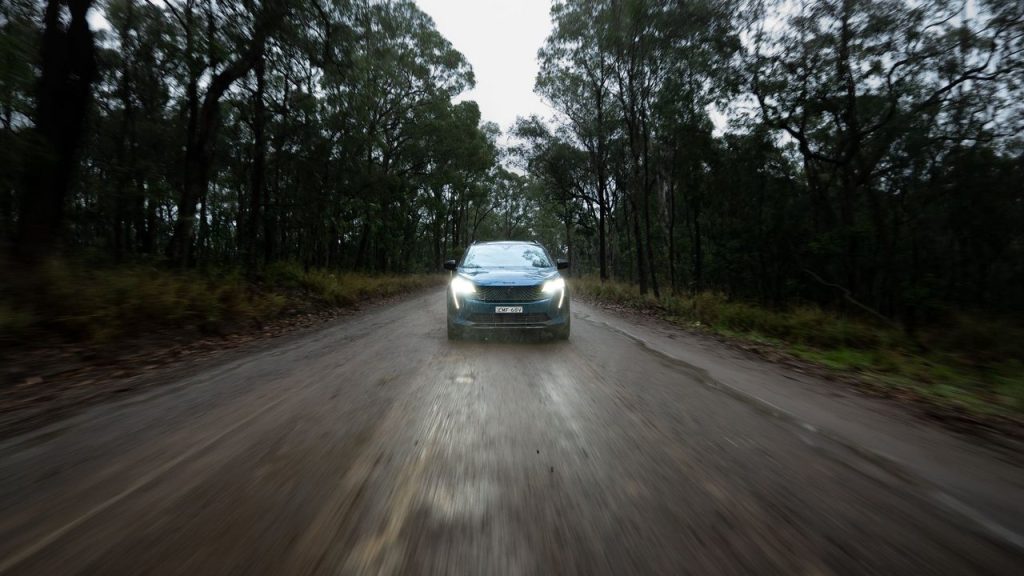
Winter also uses more range, because cabin heat and battery heating come from the same pack. Charging inside an attached garage helps, and so does preconditioning the cabin while the car is still plugged in, which draws that heat from the wall instead of the battery. Our cold weather EV charger guide looks at enclosures and cables built for freezing driveways.
Keep the connector clean and dry, knock snow off the charge port door before you open it, and coil the cable loosely so it does not crack in the cold. If a cable jacket splits or a plug feels hot after a session, stop using it until it has been checked.
Outlets, Circuits and Where a Pro Takes Over
A Level 2 plug-in unit is only as safe as the circuit behind it. A 240-volt outlet, a NEMA 14-50 included, should be installed by a licensed electrician to local code, with a load check on your panel first. Ask the electrician to confirm the breaker size and wire gauge for the amperage you plan to use, since a 40A charger needs a circuit sized above it.
Level 1 cords work best on a dedicated outlet in good condition. Older garage receptacles with loose contacts can run warm under hours of steady load, so have a worn outlet replaced rather than pushed. Avoid ordinary extension cords unless the charger maker approves one, and never try to charge an EV through a car’s 12-volt socket or a plug-in inverter, the kind covered in our car power inverter guide, since they are not built for that load.

Home wiring belongs with an electrician, but the car’s side of the system is our work. If your EV or hybrid shows a charging fault, will not wake up, or drains its 12-volt battery while parked, our car electrical repair in Grand Rapids covers body and engine electronics. We can check the 12-volt battery, wiring and modules before you blame the charger.
More Buying Guides
Frequently Asked Questions
How much faster is a Level 2 EV charger vs Level 1?
The EPA puts Level 1 at about 5 miles of range per hour and Level 2 at about 25 miles per hour, so roughly five times faster. Your car’s onboard charger, battery size and the temperature all change the real number.
What should I look for in the best Level 2 EV charger with a NEMA 14-50 plug?
Match the amp rating to the circuit your electrician installs, check that the connector suits your car (J1772 or NACS), and pick a cable long enough to reach the port. Wi-Fi scheduling or a delay timer helps you charge during off-peak hours.
Do I need an electrician for a Level 2 charger?
Yes, for the 240-volt outlet or hardwired circuit. A licensed electrician checks your panel capacity, sizes the breaker and wire, and installs to local code, which may include a permit. Plugging a portable unit into a properly installed outlet needs no extra work.
Will these J1772 chargers work with a Tesla?
Not on their own. The listings say a Tesla or other NACS-port car needs a J1772 adapter. Confirm which port your car has before ordering.
Car showing a charge port error or a dead 12-volt battery no matter which level you plug into? Ring 456 AutoFix at 616-279-3832 between 8am and 5pm on weekdays, or request an EV electrical diagnosis through our contact page.
If your own charging schedule leaves no gap during our hours, park the car at 456 Carrier St NE, Grand Rapids, MI 49505 after we close and hand the key in through the after-hours drop-off, with a note on when the fault message first appeared.