As an Amazon Associate, 456 AutoFix earns from qualifying purchases. Product links below go to Amazon, where you can confirm the right part for your vehicle.
Sand through a rust bubble on a rocker or strip a fender to shiny steel, and the clock starts: bare metal begins to flash rust within days in a damp garage. The best automotive primer for bare metal seals that steel or aluminum and gives the next coat something to grip.
This guide sticks to primers made to touch raw metal: 2K epoxy, 1K acid etch and gun-sprayed DTM epoxy. If you are priming over sound paint or body filler instead, our guide to automotive primer types and picks covers filler and sandable primers too.
Quick answer
What is the best automotive primer for bare metal?
For panels stripped to bare steel, a 2K epoxy such as the SprayMax 2K Epoxy aerosol gives the strongest seal against moisture. For small sand-throughs and galvanized or aluminum spots, a 1K acid etch like U-POL Raptor is quicker. Painting a whole car with a gun? Use a DTM epoxy kit such as Custom Shop KEP.
Our Quick Picks
Three primers that cover the main bare-metal jobs: a stripped panel, a quick sand-through and a full gun-sprayed car.

SprayMax 2K Epoxy Gray Primer Can
Two-part epoxy in a can for sealing panels taken down to raw metal.

U-POL Raptor 1K Acid Etch Primer
Single-part etch that primes small bare spots in one step.

Custom Shop KEP Gray Epoxy Quart Kit
Mix-and-spray epoxy for priming whole panels with an HVLP gun.
Epoxy, Acid Etch or a DTM Kit: Which Chemistry Fits
Filler and sandable primers build thickness to hide scratches, but most labels want them over an existing coating. A bare metal primer has one job: bond to the metal and keep air and water off it.
- 2K epoxy: a two-part coating that cures by chemical reaction into a tough, moisture-resistant film. Aerosol versions have an activator inside the can.
- 1K acid etch: a single-part primer with an acid that keys into the surface. It dries fast and suits spot repairs and rub-throughs.
- DTM epoxy kit: quart or gallon epoxy plus hardener for an HVLP gun, sized for whole panels or a full car.
- Metal type: some etch primers are aimed at galvanized steel and aluminum, so read which metals each label lists.
Sprayed a kit through a gun before? A matched setup from our HVLP paint gun buying guide gives a more even epoxy film than you can get from a can on a large panel.
Getting Raw Steel Ready So the Primer Grips
Adhesion is mostly decided before the can is shaken. Grind or sand every trace of rust, featheredge the paint around the repair, then wipe the metal with a wax and grease remover and let it flash off. Our auto body sandpaper guide by grit lays out which abrasives suit stripping and featheredging.
Prime the same day you finish sanding, because clean steel oxidizes quickly in humid air, and keep bare hands off the cleaned area.
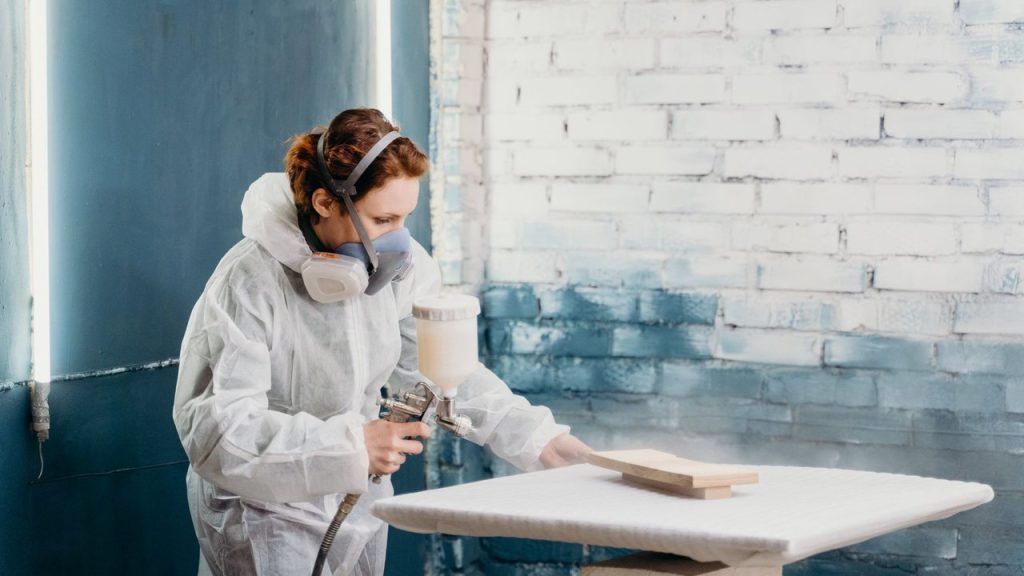
Safety matters more with 2K products. Activated epoxy aerosols and kits need a respirator rated for the product, nitrile gloves and eye protection, and Eastwood’s listing calls for NIOSH-approved breathing equipment. Spray with a fan pulling air outside and keep pets and kids away until it cures.
Best Automotive Primer for Bare Metal: Six Cans and Kits Up Close
Drying times, coverage and pot life below are quoted from each Amazon listing, so check the label on the can you receive before you spray.
1. SprayMax 2K Epoxy Primer Gray: 12.5 oz Two-Component Aerosol for Bare Steel
- 2K epoxy with activator built into the can
- Listed for steel, aluminum and galvanized metal
- Variable nozzle, no compressor needed
- Dust dry in 15 minutes, sandable within hours
SprayMax 2K Epoxy Primer is a two-component epoxy packed into a single aerosol. A separate chamber inside the can holds the activator, so you release it, shake the can and spray a catalyzed coat without a gun, a compressor or any mixing cups. The listing names steel, aluminum and galvanized metal as surfaces it bonds to, which covers most of what you find under the paint on a car or truck.
Because it cures chemically instead of simply drying, epoxy forms a dense film that keeps moisture away from the metal, and that is the main reason restorers use it on stripped panels. The variable nozzle lets you narrow or widen the pattern for a door edge or an open fender. SprayMax lists it as dust dry in about 15 minutes and ready to sand within hours, so you can prime in the morning and block it later the same day.
Once activated, the can has a limited working life, so plan the job to use it up rather than saving half for next month. It is a lot of product for one rock chip, and a 1K etch is simpler there. Wear a respirator, gloves and eye protection while spraying, as with any catalyzed primer.
View SprayMax 2K Epoxy Gray Primer Can on Amazon
2. Eastwood 2K Epoxy Gray Primer: Catalyzed Direct to Metal Aerosol, 2 Pack

- Two cans of catalyzed 2K epoxy
- 48-hour pot life once activated
- Wide fan nozzle, 10 to 16 sq ft per can listed
- For steel, aluminum, fiberglass and body filler
Eastwood’s 2K Epoxy Gray Primer comes as a pair of AeroSpray cans, each holding gray epoxy and a separate 2K activator. The listing describes it as direct to metal and names car body panels, aluminum, steel and fiberglass, and it can also go over body filler. That mix is handy on a rust repair where bare steel, filler and old paint all meet in one area.
The main practical difference from many 2K cans is the stated 48-hour pot life after activation. On a weekend project you can prime one panel on Saturday, sand and fill, then use the same can on Sunday. Unopened cans carry a listed three-year shelf life, so the second can in the pack can wait for a later job. Eastwood says the nozzle sprays a wide fan pattern instead of the round dot of an ordinary rattle can, and each can is listed for roughly 10 to 16 square feet.
This is still a catalyzed coating, and the listing tells you to wear NIOSH-approved breathing protection and spray with good airflow, away from flame. For a single chip, two cans are more than you need.
View Eastwood 2K Epoxy Gray Primer 2 Pack on Amazon
3. U-POL Raptor Acid Etch Primer 1K: 13.2 oz Gray Etch Aerosol for Rub-Throughs
- Phosphoric acid ester etch formula
- Listed for galvanized steel and aluminum
- Flat fan, high atomization nozzle
- No sanding needed before topcoat
Raptor Acid Etch Primer from U-POL is a single-component aerosol built around a phosphoric acid ester formula. The acid keys into the metal surface while the primer lays down, so it etches and primes in one pass. U-POL aims it at hard-to-paint metals such as galvanized steel and aluminum, and the listing calls out bare panels and rub-throughs, where block sanding cuts through the old primer to steel.
That makes it a practical can to keep on the shelf for small jobs. There is nothing to activate, so you can spray a quarter-sized sand-through, let it dry and carry on. The flat fan nozzle is listed as high atomization, which helps the coat go on evenly over a small spot. U-POL states no sanding is needed and that most paint systems can go directly over it, and the listing also notes a corrosion barrier for steel.
An etch primer is a thin film, not a filler, so it will not hide scratches or low spots. For a fully stripped panel that will sit for weeks, a 2K epoxy seals better. Spray it in a ventilated space with a respirator and gloves.
View U-POL Raptor 1K Acid Etch Primer on Amazon
4. Rust-Oleum Automotive Self Etching Primer: 12 oz One-Step Etch and Prime

- Etches and primes in one step
- Stops Rust oil-based formula
- Covers up to 12 sq ft per can
- Touch dry in 10 minutes, topcoat in 30
Rust-Oleum’s Automotive Self Etching Primer is the kind of can many people pick up for a first bare-metal repair. It is an oil-based, single-part spray that etches and primes in one step, and the listing names bare metal, aluminum and fiberglass as suitable surfaces. The Stops Rust formula is meant to give a rust-resistant base under the color coat.
The listing gives clear numbers: up to 12 square feet per can, dry to the touch in 10 minutes and ready to topcoat in 30. Its flat dark green color makes it easy to see where you have covered and where you have missed, which helps on small, irregular repairs. The any-angle valve sprays even with the can tipped or upside down, useful along the lower edge of a door or inside a wheel arch.
As a 1K product it is a quick, convenient choice rather than a long-term sealer for a panel stripped edge to edge. It also leaves a thin film, so dents and scratches still need filler and a sandable primer on top. Wear a mask and gloves and spray outdoors or with strong ventilation.
View Rust-Oleum Dark Green Self Etching Primer on Amazon
5. Custom Shop KEP DTM Epoxy Primer/Sealer: 1 Quart 1:1 Kit, Gray
- 1 pint epoxy plus 1 pint hardener
- 1:1 mix, no induction time, 4-hour pot life
- Direct to metal or as a sealer
- Lead and chromate free
The Custom Shop KEP Series is a direct-to-metal epoxy primer and sealer sold as a kit, here one pint of gray primer with one pint of hardener. It is meant to be mixed and sprayed through a paint gun, which makes it the sensible route when you are priming a whole car, a truck bed or several doors at once. The listing names bare steel, bare aluminum, fiberglass, gelcoat, body fillers, rigid plastics and sanded factory finishes as surfaces it bonds to.
Mixing is simple at one part primer to one part hardener, with no induction wait before you spray. Pot life is listed at four hours. Custom Shop says the formula is lead and chromate free, carries anti-corrosive additives and offers salt spray resistance. Reduced with half a part of its XR70 or UR70 reducer, it works as a sealer, and the listing says basecoat or single stage can follow in 30 minutes.
You need a spray gun, a compressor that keeps up and a proper respirator, so it does not suit a single small patch. For a full job, it is far more practical than a pile of aerosol cans.
View Custom Shop KEP Gray Epoxy Quart Kit on Amazon
6. Hycote Etch Primer: 13.5 oz Self Etching Spray for Galvanized and Aluminum

- Specialty resin etch primer
- For galvanized, aluminum and zinc-coated metal
- Also suits rigid plastics and cured paint
- Not for copper or brass
Hycote’s Etch Primer is a self-etching aerosol aimed squarely at metals that ordinary primers struggle to grip. The listing focuses on non-ferrous surfaces such as galvanized steel, aluminum and zinc-coated parts, which you find on many newer body panels, bumper reinforcements and aftermarket trim. It uses a specialty resin to form a tough coat that resists chipping and peeling.
That specific focus is the reason to choose it. When block sanding cuts through to the zinc layer on a galvanized panel, or you are priming an aluminum hood or bracket, a primer made for those metals is a safer starting point than a general-purpose can. Hycote also lists rigid plastics and fully cured paint finishes as suitable, so a repair that overlaps old paint does not need a second product for the edges. It is designed as a base for Hycote top coats, lacquers and matched color paints.
The listing states plainly that it is not suitable for copper or brass. On plain bare steel that has been stripped edge to edge, a 2K epoxy gives more corrosion protection. Use a respirator and gloves and work with good ventilation.
View Hycote Etch Primer for Galvanized Metal on Amazon
Matching the Primer to the Repair in Front of You
| Your repair | Primer type | Listed detail | Pick |
|---|---|---|---|
| Fender or door stripped to steel | 2K epoxy aerosol | Dust dry in 15 minutes | SprayMax 2K Epoxy |
| Several panels over a weekend | 2K epoxy aerosol, 2 pack | 48-hour pot life once activated | Eastwood 2K Epoxy |
| Sand-through on galvanized steel | 1K acid etch | No sanding before topcoat | U-POL Raptor Acid Etch |
| Small chip repair on a budget | 1K self etch | Topcoat in 30 minutes | Rust-Oleum Self Etching |
| Whole car or truck with a gun | DTM epoxy kit | 1:1 mix, 4-hour pot life | Custom Shop KEP |
| Aluminum or zinc-coated part | 1K etch | Not for copper or brass | Hycote Etch Primer |
Follow the label for recoat windows. Once color and clear are down and cured, a dual action polisher for paint finishing lets you level orange peel and blend the repair into the old paint.

Salt, Humid Summers and Cold Garages in West Michigan
AMPP, the corrosion standards association, explains in its overview of what corrosion is that metal deteriorates as it reacts with water, oxygen, salt and humidity, and lists protective coatings among the proven ways to control it. A Grand Rapids winter supplies all four. That is why bare spots on rockers, wheel arches and door bottoms here turn brown so fast once the paint is broken.
Cold slows curing, and many primer labels list a minimum air and panel temperature. An unheated garage in January may sit below it, so late spring to early fall is the easier window for a bare-metal job.

Primer and paint protect the outside of a panel, but the inside of rockers and the frame need their own coat. Our roundup of undercoating that holds up to road salt covers the underside. For chips that have not reached bare metal yet, the touch-up paint picks for rock chips are a faster fix, and light clear-coat marks often come out with a car scratch remover matched to the scratch depth.
When Stripped Metal Shows a Job for a Mechanic
Pinholes that open into a hole, soft metal near a jacking point, or scale running toward brake lines and suspension mounts are not primer jobs. Our article on spotting rust on brake lines shows what to look for underneath.

Rust around the strut towers, control arm mounts or brake hardware affects safety, not just looks. Our brake repair service in Grand Rapids and suspension repair team can inspect those parts. Buying a car with fresh primer patches? A pre-purchase inspection tells you what sits underneath.
More Buying Guides
Frequently Asked Questions
Is epoxy or self-etching primer better on bare metal?
For a panel stripped to clean steel, 2K epoxy gives a tougher, more moisture-resistant film. A 1K self etch is faster and suits small sand-throughs, chips and galvanized or aluminum spots. Follow each brand’s directions on whether to topcoat or seal it.
Can I put body filler over epoxy primer?
Many epoxy systems allow it, and the Custom Shop KEP listing names body fillers among compatible surfaces. Recoat and filler windows differ by brand, so check the product’s data sheet before you spread filler.
How soon should I prime bare metal after sanding?
The same day if you can. Clean steel can start to flash rust within hours in humid weather, so degrease it and prime before you leave the garage.
Do 2K aerosol primers need a respirator?
Yes. Wear the respirator, gloves and eye protection the label lists and spray with plenty of airflow. Eastwood’s listing specifically calls for NIOSH-approved breathing equipment.
Stripped a panel and not sure whether that rust stops at the surface or keeps going toward a brake line? Call us at 616-279-3832 on a weekday between 8am and 5pm, or send photos of the bare metal through our contact page.
Roll the car into 456 Carrier St NE in Grand Rapids before the primer goes on, while the rust is still visible, and we can judge whether the metal around the brakes and suspension is sound. If your day job rules out a weekday visit, use the after-hours drop-off and leave a short list of the spots you ground down on the passenger seat.