As an Amazon Associate, 456 AutoFix earns from qualifying purchases. Product links below go to Amazon, where you can confirm the right part for your vehicle.
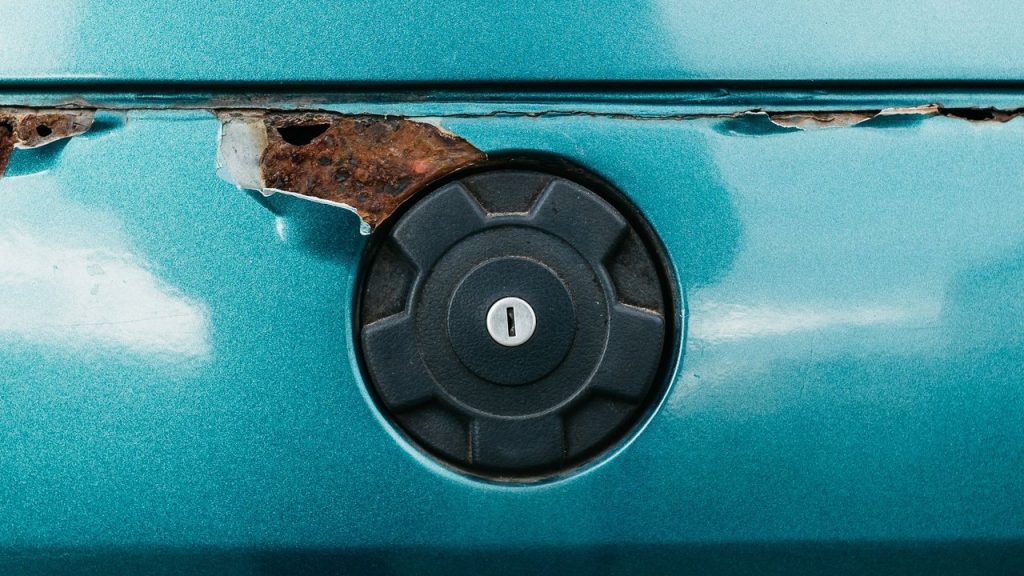
A few winters of Grand Rapids road salt leave their mark as orange bubbles on rocker edges, wheel arches and the steel underneath. The best rust converter for cars stops that surface rust where it sits and turns it into a black layer you can prime and paint, without grinding every spot down to bright metal.
This guide covers how converters work on car steel, which format suits which spot, and six products made for the job. For converters on fences, trailers and equipment as well as vehicles, see our main rust converter buying guide.
Quick answer
Which rust converter works best on a car?
For small body and chassis spots, an aerosol such as the Eastwood Rust Converter or Dupli-Color Rust Fix is the easiest choice, and Rust Fix can go under body filler. For larger underbody areas, a brush-on liquid like Rust Kutter covers more steel. Wire-brush loose scale first and topcoat afterward.
Our Quick Picks
Three quick picks for the main car jobs: small chassis spots, body panels headed for filler, and larger underbody areas. All six are reviewed below.

Eastwood Rust Converter
A restoration-brand spray for brackets, arches and frame spots.

Dupli-Color Rust Fix
Sands smooth and can sit under body filler on a panel repair.
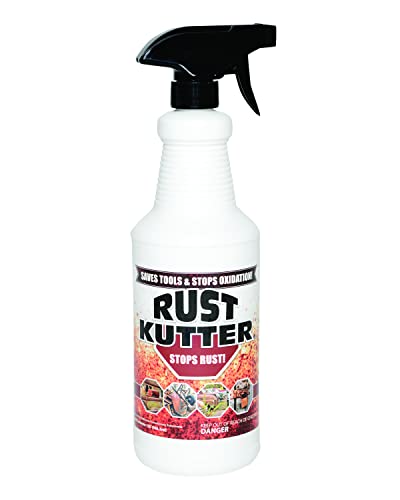
Rust Kutter
A brush-on or pump-spray liquid for wide underbody steel.
What a Rust Converter Actually Does to Car Steel
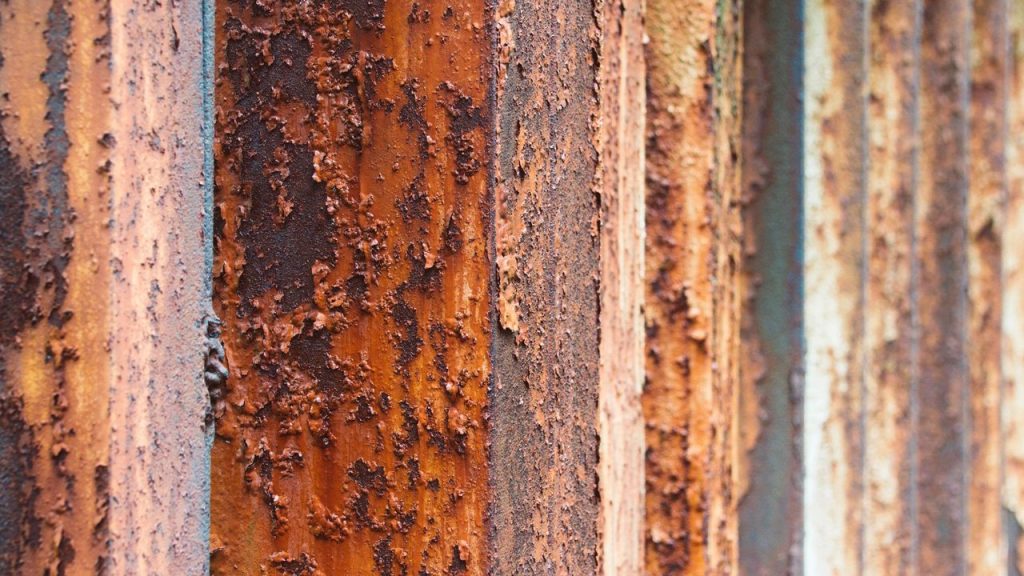
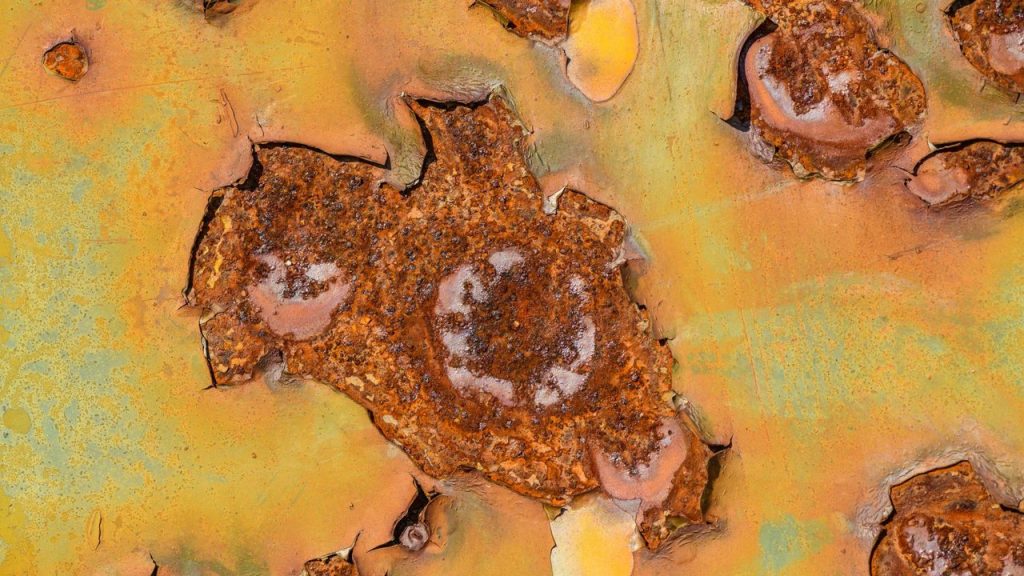
Rust keeps spreading under paint as long as moisture and salt reach it. A converter, usually built on tannic or phosphoric acid with a polymer binder, reacts with the iron oxide and leaves a hard, dark, stable layer that seals the spot and works as a primer.
That chemistry explains the rules most labels share:
- It needs rust to react with: on clean, shiny metal there is nothing to convert, so use a regular metal primer there instead.
- Loose scale comes off first: flakes and blisters fall away later and take the coating with them, so wire-brush or sand them back.
- Grease and salt film block it: wash the area and let it dry before you spray or brush.
- Most need a topcoat: the black layer is a primer, and sun and road spray wear it down if it stays bare.
A scrape that hasn’t broken through the clear coat is not rust yet, and our guide to the best car scratch remover for each job fits that better than a converter.
Spray, Brush-On or Converter Primer for Your Car?
A rust converter spray, paint or primer for cars is usually the same chemistry in a different package. The package decides how neatly it goes on and how much steel it covers.
- Aerosol spray: the tidiest choice for a rocker edge, arch lip or chassis bracket. Mask nearby paint first.
- Brush-on or pump-spray liquid: better value for a floor pan or frame rail, and a brush works it into pitted steel.
- Converter with a built-in sealer: a rubbery convert-and-seal finish suits hidden underbody steel, not visible panels.
Safety matters with all of them. Wear eye protection and gloves, work outdoors or with plenty of airflow, and use a respirator when spraying, as the label directs. Keep overspray off brake rotors, pads and exhaust parts.
Best Rust Converter for Cars: The Picks in Detail
Each of these six is sold as a rust converter for steel and lists cars or trucks among its uses. Check the can’s temperature limits and recoat times against your garage before you start.
1. Eastwood Rust Converter: 13 oz Polymeric Aerosol for Black Primed Steel
- 13 oz polymeric aerosol
- Turns surface rust into a black primed layer
- Paint over with oil or water-based paint
- For car, truck and chassis steel
Eastwood sells parts and finishing supplies to car restorers, and this 13 oz aerosol is its spray-on rust converter. It is a polymeric formula: once it reaches residual surface rust, a chemical reaction turns the iron oxide into a sealed black coating that acts as a primer. The listing names car, truck, tractor and barn-find chassis work among its uses, which fits the kind of rust a salt-belt car collects on brackets and suspension mounts.
The main benefit is skipping the long grind to bare metal. You still remove flaking scale and wash the area, but after spraying, Eastwood says no further sanding, scraping or grinding is needed before paint. The converted surface accepts either an oil-based or a water-based topcoat, so you can follow it with chassis black underneath or a body primer on a panel.
The spray nozzle makes it easy to reach the back of a wheel arch or the top of a frame rail, but mask nearby paint because the black finish shows. Eastwood tells users to wear eye, skin and respiratory protection, and the listing mentions a 90-day limited warranty. For a full floor pan, a liquid in a larger container will cover the area for less effort.
View Eastwood Rust Converter on Amazon
2. Dupli-Color Rust Fix RF129: 10.25 oz Sandable Rust Treatment, Flat Black
- Sprays on clear, cures to black
- Sandable before primer or topcoat
- Can be used with body filler and fiberglass
- 10 to 15 sq ft per can
Dupli-Color makes automotive touch-up and specialty paints, and Rust Fix is its rust treatment for the bodywork side of a repair. It sprays on clear and turns into a black coating as it bonds with the rust, so you can see where it has reacted. The 10.25 oz can is part number RF129, and the maker rates it at roughly 10 to 15 square feet per can.
Its strongest point for car owners is how it fits into panel work. Dupli-Color’s Rust Fix page says it can be used with body filler and fiberglass and that it sands to a smooth finish, which matters on a door bottom or fender where the final paint has to look right. Prep starts with 50-grit sandpaper or a wire brush, then a wash, rinse and dry.
Application is two or three light coats from 8 to 10 inches away, then 24 hours of drying before primer or color goes on. The label asks for temperatures between 60 and 95 degrees Fahrenheit and low humidity, so a cold, damp garage in late fall is the wrong place for it. It is a solvent-based spray, so wear a respirator and work with good airflow.
View Dupli-Color Rust Fix on Amazon
3. Rust-Oleum Stops Rust 2-in-1 Rust Reform & Seal: Rubberized Automotive Coating Spray

- Reforms rust and seals in one product
- Flexible, rubberized flat black coating
- Dry to the touch in about 1 hour
- Covers about 12 to 13 sq ft per can
This Rust-Oleum Stops Rust spray is listed as a 2-in-1 rust reform and seal coating aimed at automotive use. Instead of leaving a hard primer that needs paint straight away, it dries to a flexible, rubberized flat black film. The listing says it is meant for rusted or bare metal, and it is a separate product from the classic Rust Reformer spray.
The rubberized finish is the reason to choose it. It resists chemicals and abrasion, which suits steel that gets sandblasted by road grit and splashed with salt water, such as inner wheel arches, floor pans and the back of a bumper. It dries to the touch in about an hour, and Rust-Oleum recommends two coats for the best result.
Each can covers around 12 to 13 square feet, so a full underbody project needs several cans. The flat, textured look is a poor match for a visible body panel that you plan to color-match, and a rubbery film does not sand smoothly for filler. Keep it on hidden steel, mask exhaust and brake parts before spraying, and follow the label’s ventilation and protection directions.
View Rust-Oleum 2-in-1 Rust Reform & Seal on Amazon
4. KBS Coatings 150080 Rust Converter: 12 oz Black Aerosol Primer Layer

- 12 oz black aerosol
- Converts rust into a stable primer layer
- No grinding to bare metal
- Ready for topcoat in 24 hours
KBS Coatings makes rust coatings and prep products for vehicles and other metalwork, and part 150080 is its rust converter in a 12 oz aerosol can. The listing describes it as changing rust into a stable black layer that then works as a primer. There is no need to grind down to bare metal first, which is the main appeal for anyone treating rust on an old car in a home garage.
The aerosol format makes it simple to treat a group of smaller parts in one session, such as seat brackets, battery trays, spare-tire wells and the edges of a trunk floor. According to the listing it dries fast, and it can take a topcoat after 24 hours. That fits a weekend schedule: wire-brush and spray on Saturday, then paint on Sunday.
As with any converter, remove loose rust and wash off grease and road salt before you spray, because coating over flakes gives a weak bond. Because the listing gives only basic details, read the can for coverage, recoat timing and temperature limits. Wear eye protection and a respirator while spraying, and topcoat the converted layer rather than leaving it bare.
View KBS Rust Converter on Amazon
5. BLACK STAR Rust Converter: Aerosol Polymer Resin Coating for Steel

- Converts rust to a black polymer resin
- Seals out moisture once cured
- Works as a primer or final coat
- Lists cars, trucks and trailers
BLACK STAR sells its rust converter in single cans and in multi-can packs, and this listing is the single aerosol. The formula reacts with rust and turns it into a hard black polymer resin coating that seals out moisture. The maker lists cars, trucks and trailers among its uses, along with farm equipment and steel structures.
One difference from many converters is that BLACK STAR says the converted layer can act either as a primer under paint or as a final coating. That gives some flexibility on steel nobody sees, such as a hitch receiver area, a spare-tire carrier or the inside of a frame crossmember. On a visible panel you would still prime and paint over it for color and a smooth surface.
Like the others here, it removes the need for blasting or grinding to bright metal, but you still have to clean off loose rust, dirt and grease first. If you only need one can for a few spots, the single aerosol keeps waste down, and the multi-packs suit a bigger underbody job. Spray in a ventilated space with eye and skin protection, and follow the label’s dry times.
View Black Star Rust Converter on Amazon
6. Rust Kutter Rust Converter: Quart Liquid with Sprayer, Made in USA
- Quart of liquid converter with sprayer
- Brush, roller or spray application
- Leaves a primed, paintable surface
- Also sold in gallons
Rust Kutter is a liquid rust converter made in the USA by Sanco Industries, sold here in a quart bottle with a sprayer and also offered in gallons. It reacts with rusted steel and leaves a stable black surface that is primed and ready for paint. The maker lists cars and trucks among its uses, together with farm and garden equipment.
The liquid format is what sets it apart from the aerosols above. You can brush it into pitted steel, roll it onto a flat floor pan or use the pump sprayer on a frame rail, which gives better coverage and less overspray across a large area. For an older car with rust across the underbody, that makes the job more practical than working through a stack of spray cans.
Sanco’s directions are straightforward: scrape loose paint and rust with a wire brush, apply the converter, let it dry for 24 hours, rinse, let it dry again and then repaint. That rinse step is easy to miss, so read the label first. It is a poor fit for a small cosmetic chip on a visible panel, where a sandable aerosol is neater. Wear gloves and eye protection when brushing or spraying it.
Matching the Converter to the Rust Spot
Where the rust sits on the car matters as much as the brand. Visible panels need a finish you can sand smooth, while underbody steel needs coverage and toughness more than looks.
| Rust spot | Format that suits it | Finish afterward |
|---|---|---|
| Rock chip or bubble on a body panel | Aerosol that sands smooth, such as Rust Fix | Filler if needed, primer, color and clear |
| Wheel arch lip or rocker edge | Aerosol with careful masking | Primer and paint, then undercoating inside the arch |
| Floor pan or underbody bracket | Brush-on liquid or converter with sealer | Chassis paint or rust-proofing coat |
| Hidden seams and pinch welds | Small aerosol or brushed liquid | Seal and topcoat once dry |
Whichever format you pick, the best rust converter for cars still works better in thin coats than in one heavy pass, which can stay soft, run and crack later. Give it the full label dry time before primer, and skip damp, cold garage days.
Rust Converter on Old Cars and Michigan Salt
The best rust converter for old cars is the one that matches the rust you actually have. On an older daily driver, it is a holding repair that stops surface rust spreading while you plan bodywork or keep the car going a few more winters.
It cannot bring back steel that has rusted through: holes and soft metal need welded repair panels. For underbody protection once the rust is treated, our guide to the best undercoating for road salt covers what to put over the top.
In West Michigan, wash the underbody once the salt trucks stop, let it dry, then check arches, rockers, door bottoms and the subframe. Treating spots each spring keeps them from becoming panel replacements.
When Rust Needs a Mechanic, Not a Spray Can
Some rust is a safety question, not a cosmetic one. Corroded brake lines, rusted brake caliper brackets, rotted spring perches, control arm mounts and flaking exhaust hangers should be checked by a mechanic before anything gets painted over. Even the best rust converter for cars can hide how far that damage has gone.
Our article on brake line rust explains the warning signs, and brake repair in Grand Rapids covers replacing corroded lines. Rusted mounts and springs fall under our suspension repair service, and seized exhaust parts are a job for the right rust remover for exhaust work or a shop lift.
Shopping for an older car? A pre-purchase inspection in Grand Rapids checks underbody rust before you commit.
More Buying Guides
Frequently Asked Questions
Do I have to paint over rust converter on a car?
On visible panels, yes. The black layer is a primer, so plan on primer and color on top. Underneath the car, a chassis paint or rust-proofing coat over the converter lasts far longer than bare converter exposed to salt spray.
What is the best rust converter primer for cars before body filler?
Pick one whose maker says filler can go over it. Dupli-Color states that Rust Fix can be used with body filler and fiberglass, and it sands smooth once dry. Let it cure fully before you spread filler.
Can rust converter go on bare metal?
It needs rust to react with, so clean shiny steel gains little from it. Where you have sanded through to bright metal, use a regular metal or self-etching primer on that area and keep the converter for the rusty parts.
Will a rust converter fix rust holes in my car?
No. A converter treats surface and pitted rust on steel that is still solid. Holes and soft, flaking metal need the rusted section cut out and new steel welded in, and structural or brake-line rust should be checked by a mechanic first.
Spotted rust near a brake line, spring seat or exhaust hanger while you were prepping a panel? Call 456 AutoFix at 616-279-3832, Monday to Friday 8am to 5pm, or ask for an underbody look through our contact page before the converter goes on.
Hands still black from the wire brush at the end of the day? Rinse the salt off, bring the car to 456 Carrier St NE in Creston and leave it in our after-hours drop-off, with a note pointing to the spots that worry you.