
As an Amazon Associate, 456 AutoFix earns from qualifying purchases. Product links below go to Amazon, where you can confirm the right part for your vehicle.
Plenty of older GM trucks roll into an oil change with a yellow Pennzoil can on one shelf and an orange FRAM can on the next. The Pennzoil vs FRAM decision looks like a brand choice, but on a standard filter it mostly comes down to what each maker prints on the box and how often you change your oil. Both are everyday spin-on filters, not boutique racing parts.
To keep the comparison fair, we put them on one common part: the spin-on can used on many GM small-block V8 pickups, vans and SUVs, sold by GM as 25160561 and by ACDelco as PF1218. Cross-reference catalogs list the Pennzoil PZ-45 and the FRAM PH5 as replacements for it. Years and engines vary a lot across these trucks, so confirm your year, model and engine on each Amazon listing before you order.
Quick answer
Should your old GM truck run a Pennzoil or a FRAM filter?
For normal oil change intervals, either standard filter does the job. Pick the Pennzoil PZ-45 if you want a stated efficiency figure at a set particle size. Pick the FRAM PH5 for its grip texture and 10,000-mile rating. Pick the ACDelco PF1218 if you want the GM original part.
Our Quick Picks
For the Pennzoil vs FRAM question on the GM PF1218 spin-on, here are the two compared filters plus the related third pick, the ACDelco PF1218 that both brands replace.
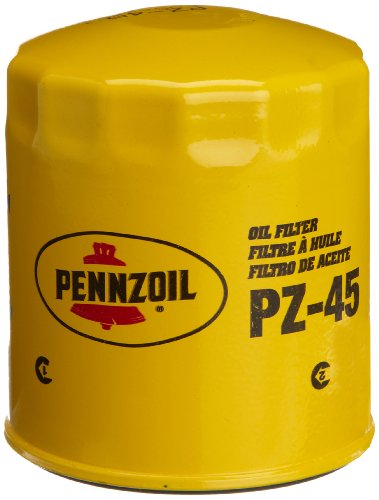
Pennzoil PZ-45
Pennzoil's everyday can in the PF1218 size.
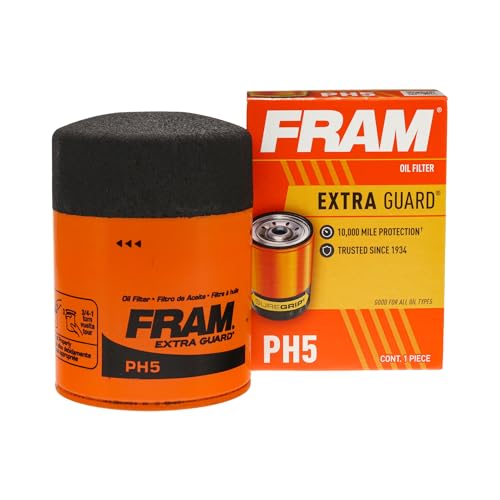
FRAM PH5
FRAM's standard orange can in the PF1218 size.

ACDelco PF1218
The GM filter the other two are built to replace.
Reading the Two Boxes: Efficiency, Media and Mileage
In this Pennzoil vs FRAM matchup, both cans are the entry lines from each brand, so neither one uses the synthetic media found in pricier filters. Pennzoil says its standard filters are built with a larger filtering area and advanced media for extra capacity. FRAM describes the Extra Guard element as a blend of fibers and resin, tuned to balance how much dirt it catches against how much it can hold.
The headline numbers are not measured the same way. Pennzoil quotes 97 percent or higher efficiency on particles above 20 microns, while the FRAM listing says the media captures up to 95 percent of dirt particles without naming a particle size. Pennzoil also says on its oil filter page that these filters are designed to exceed industry-average efficiency and to meet or exceed automakers’ requirements.
| Claim | Pennzoil PZ-45 | FRAM PH5 | ACDelco PF1218 |
|---|---|---|---|
| Product line | Pennzoil standard | FRAM Extra Guard | GM Original Equipment |
| Efficiency figure | 97% or higher above 20 microns | Up to 95% of dirt particles | Not stated on listing |
| Mileage on the box | Not stated on listing | Up to 10,000 miles | Follow GM’s schedule |
| Grip or extras | Not stated on listing | SureGrip textured surface | Not stated on listing |
Read that table as a summary of what each maker chooses to publish, not as a lab result. A figure tied to a particle size tells you a little more than a bare percentage, but neither listing gives the test method, and the GM part makes no efficiency claim at all. On a truck that gets fresh oil every few thousand miles, the gap between 95 and 97 percent is unlikely to show up in engine wear.
Both brands also sell step-up lines. Pennzoil’s Platinum HE filters use a synthetic-blended two-ply media and a silicone anti-drainback valve, and FRAM offers Tough Guard and Ultra Synthetic cans. Neither premium version came up on Amazon in this size when we checked, so this page compares the two standard filters head to head.
Match the GM Number Before You Pick a Brand
Spin-on cans that look alike can differ in thread, gasket size, height and bypass valve setting. This group uses a 13/16-16 thread, and the can stands a little over five inches tall. A filter that threads on but is the wrong height or bypass rating can still cause trouble, so the part number matters more than the logo.
The FRAM listing names a long run of Chevrolet and GMC models, including the C1500 and K1500 pickups, Tahoe, Suburban, Blazer, Yukon and the Express and Savana vans. The Pennzoil listing names no vehicles at all, so the PZ-45 match here comes from cross-reference catalogs that pair it with GM 25160561. Use the part finder on each listing, or the number printed on the filter you are taking off, and make sure all three agree.
Many of these trucks carry the 350 small-block, and the same care applies to the rest of a tune-up. Our guide to spark plugs for the Chevy 350 shows how head design changes the plug you need. Later LS-family trucks use a different filter, which our Chevy 5.3 oil filter guide covers.
Pennzoil vs FRAM: Three PF1218-Size Filters Up Close
Each filter below is the version listed for the GM PF1218 spin-on application. The first two are the compared brands, and the third is the GM original that both are designed to replace. Check the fit for your own truck on every listing first.
Pennzoil PZ-45 Regular Spin-On Oil Filter: 97% Efficiency Above 20 Microns
- Pennzoil standard spin-on filter
- 97% or higher efficiency above 20 microns, per the listing
- Larger filtering area for added capacity
- Cross-referenced to GM 25160561 (ACDelco PF1218)
The PZ-45 is a filter from Pennzoil’s standard line, the yellow can many people know from quick-lube shops and parts store shelves. Its Amazon listing does not name any vehicles, so the fit used in this comparison comes from cross-reference catalogs that pair the PZ-45 with GM part 25160561, the ACDelco PF1218. Check that number against the filter on your truck, or against Pennzoil’s own filter lookup, before you order.
Pennzoil’s claim for this line is a specific one: 97 percent or higher efficiency on particles larger than 20 microns. The listing also says the filter has a larger filtering area and an advanced media that adds capacity, and it notes the filter is made in China. It does not give a mileage rating, so treat your oil and your owner’s manual as the guide to how long it stays on.
This filter suits an owner who changes conventional oil on a regular, fairly short schedule and wants a familiar brand. The stated micron figure gives you a little more to compare than a bare percentage. If you plan to stretch intervals on synthetic oil, a premium filter is a closer match than any standard can.

FRAM Extra Guard PH5: Spin-On Oil Filter with SureGrip and 10,000-Mile Rating
- Fiber and resin-blend media, up to 95% dirt capture
- Up to 10,000 miles of protection, per FRAM
- SureGrip textured surface for removal
- Listed for many Chevrolet and GMC trucks and vans
The PH5 belongs to FRAM’s Extra Guard family, the brand’s standard orange can for everyday driving. Unlike the Pennzoil listing, this one spells out its applications, naming Chevrolet and GMC models such as the C1500 and K1500 pickups, Tahoe, Suburban, Blazer, Yukon and the Express and Savana vans. The list covers many years and engines, so enter your own truck in the Amazon part finder before you buy.
FRAM says the element uses a blend of fibers and resin that captures up to 95 percent of harmful dirt particles, and that it balances dirt-trapping efficiency against dirt-holding capacity. The listing rates the filter for up to 10,000 miles of protection. The outside of the can carries FRAM’s SureGrip texture, a non-slip surface meant to make installation and removal easier by hand.
This can suits an owner who runs a slightly longer interval or simply wants a stated mileage limit on the box. The grip texture helps on trucks where the filter sits low and gets coated in oil and road grime. As with any filter, the 10,000-mile figure is an upper limit, not a reason to skip the change your oil and manual call for.
ACDelco GM Original Equipment PF1218 (25160561): Factory Spin-On Oil Filter
- GM Original Equipment part 25160561
- The fitment both Pennzoil and FRAM cross to
- Designed and validated by GM engineers
- Spin-on can, single filter
The PF1218 is the ACDelco GM Original Equipment filter sold under GM number 25160561. It is the part that both the Pennzoil PZ-45 and the FRAM PH5 are cross-referenced to, which makes it the natural yardstick in this comparison. Some of these parts were once sold as GM Genuine Parts or ACDelco Professional, so an older box may carry a different label.
The listing says ACDelco GM Original Equipment parts are designed and validated by GM engineers for Chevrolet, Buick, GMC and Cadillac vehicles. It describes the job of the filter in plain terms: keeping abrasive particles away from bearings and other hydraulic parts of the engine. It does not quote an efficiency percentage or a mileage rating, so this page does not invent one for it.
Pick this one if you are restoring a truck and want the factory part number on the shelf, or you like service records that show GM parts. It is also the safest reference when you are unsure which aftermarket number is right, because the other brands key their catalogs to it. Confirm your year, model and engine on the listing first, since GM used several filters across these trucks.
Which Filter Fits Your Oil Change Habits
For most owners, the Pennzoil vs FRAM choice matters less than the change routine, because a filter only has to outlast the oil it runs with. Most of these older V8s were designed around conventional oil and fairly short change intervals, and many owners still follow that routine. In that case any of the three filters will reach the drain plug with capacity to spare.
| How you drive and service | Closer fit | Reason |
|---|---|---|
| Original-parts restoration or records | ACDelco PF1218 | GM original part number on the box |
| Short, regular conventional changes | Pennzoil PZ-45 | Stated efficiency at 20 microns |
| Longer intervals, synthetic oil | FRAM PH5 | Rated up to 10,000 miles |
| Tight access, oily hands | FRAM PH5 | Textured grip for removal |
The oil matters at least as much as the can. Older flat-tappet engines have their own needs, and our article on motor oil for classic cars explains zinc and why it comes up so often. If your truck runs a modern synthetic, our roundup of full synthetic motor oils lists the common choices.

A mileage rating on a filter box is a ceiling, never a target. Towing, idling and lots of short trips all count as hard use, and in those conditions the oil usually wears out long before the filter fills up. If a change has already slipped, our piece on how long you can go without an oil change explains what overdue oil does inside an engine.
Some engines use oil between changes no matter which filter they wear, so a quick dipstick check every few fill-ups is worth the habit. Turbocharged engines are a well-known example, and our write-up on Audi 2.0T oil consumption walks through how to tell normal use from a problem.
Stored Trucks and Frozen Mornings in Grand Rapids
Lots of older pickups in West Michigan spend the winter parked or only run on short errands. A truck that never warms up fully collects moisture and a little fuel in the crankcase, which is hard on the oil whatever filter is fitted. Changing the oil and filter before storage, and again in spring, is a simple habit that keeps acids from sitting in the engine for months.
On a frozen start, thick oil can push past the filter’s bypass valve for a short time, which keeps oil reaching the bearings until it thins. The anti-drainback valve keeps the filter full overnight so pressure builds sooner. The right winter viscosity still does more for a cold start than either brand, and our guide to motor oil for cold weather explains the W number.

Road salt does not care about the Pennzoil vs FRAM label, since it mostly attacks the outside of the can. A filter that sits low on the block picks up spray all season, and a rusty shell can be stubborn at the next change. Wiping the area clean and checking the gasket for seepage a few days after a change is a good routine through the salt months.
Swapping It Yourself, or Letting a Shop Handle It
On most of these trucks the job is straightforward: drain the oil, spin off the old can and make sure its gasket came with it. Wipe a film of fresh oil on the new gasket, thread the filter on by hand until it seats, then tighten it the amount printed on the can. A stuck filter is common on trucks that have been through a few salty winters, and our roundup of oil filter wrenches covers the styles that grab a rusty shell.
A doubled gasket is the mistake that ruins the day. If the old seal stays stuck to the block and the new filter goes on over it, oil can spray out within a minute of starting. Run the engine briefly, look underneath for drips, and check the level again after the oil settles.

Some warning signs have nothing to do with filter brand. A flickering oil pressure light, a new knock or tick, or oil that looks milky deserves a proper look. Our shop does oil changes in Creston for foreign and domestic vehicles, and owner Hendrick Hoffman has worked in automotive service since 2005.
More Buying Guides
Frequently Asked Questions
Is a Pennzoil oil filter better than a FRAM?
Not clearly, because the two makers publish different figures. Pennzoil quotes 97 percent or higher efficiency above 20 microns for its standard filters, and FRAM says its Extra Guard media captures up to 95 percent of dirt particles and lasts up to 10,000 miles. On normal change intervals, both standard filters do the job.
What FRAM filter replaces a Pennzoil PZ-45?
Cross-reference catalogs pair the Pennzoil PZ-45 with the FRAM PH5 and the ACDelco PF1218, GM number 25160561. The Pennzoil listing names no vehicles, so check the GM number on your old filter or the part finder on each Amazon listing before you buy.
Can I use these filters with synthetic oil?
Yes, a correctly fitting standard filter works with synthetic or conventional oil. What changes is how long you leave it on. Keep to the interval in your owner’s manual, and change the filter every time you change the oil.
Does the filter brand matter on an old small-block truck?
Less than the part number and the change routine. The right size can with a working bypass and anti-drainback valve, changed on schedule with the correct oil, protects the engine. Brand starts to matter more if you stretch intervals, which is where premium lines earn their keep.
Want a second opinion on which filter your old Chevy or GMC takes? Our phone line, 616-279-3832, is answered Monday through Friday between 8am and 5pm, or you can send us an oil change request online.
If weekday hours are hard for you, leave the truck with our after-hours drop-off at 456 Carrier St NE, Grand Rapids.