
As an Amazon Associate, 456 AutoFix earns from qualifying purchases. Product links below go to Amazon, where you can confirm the right part for your vehicle.
Grease that has sat on an engine for years stops behaving like grease. It bakes into a dark, sticky crust mixed with road dust and salt, and a quick spray of all-purpose cleaner just slides off it. The best engine degreaser for caked on grease is one that stays in contact long enough to soften that crust, then rinses away without harming hoses, plastic covers or paint.
This guide explains why old buildup resists ordinary cleaners, how to pick a formula and applicator for the job, and five degreasers worth a look. For a broader view of everyday engine cleaners, see our engine degreaser buying guide.
Quick answer
What removes thick, caked-on engine grease?
Use a heavy duty degreaser that clings, give it several minutes to dwell on a cool engine, scrub with a stiff brush and rinse. Chemical Guys Grime Reaper targets baked-on buildup, Gunk Engine Brite Gel stays on vertical surfaces, and a gallon of Oil Eater concentrate covers a whole engine bay.
Our Quick Picks
Three places to start: a professional strength degreaser written for baked-on buildup, a clinging gel for vertical surfaces and a gallon jug for a full engine bay. All five products are reviewed below.

Chemical Guys Grime Reaper
A strong detailing degreaser aimed squarely at old, hardened grease and road grime.

Gunk Engine Brite Gel
A thick gel that stays put on block walls and timing covers long enough to soften old buildup.
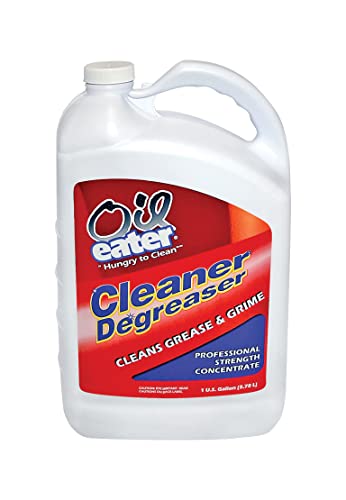
Oil Eater Original
A gallon of concentrate you can mix strong for an entire crusted engine bay and its surroundings.
Why Old Grease Fights Back
Fresh oil on an engine wipes off with a rag. Once it sits through months of heat cycles, the lighter parts of the oil evaporate and what remains thickens into a tar-like layer. Road dust, sand and winter salt stick to that layer and build it up, which is why the underside of an old engine often looks coated in dark clay.
That crust is thick, so a thin spray only wets the surface, and it sheds liquid, so a runny product drips off before it can work in. Cleaning products for this job either cling as a foam or gel, or come as a concentrate you can mix strong and reapply.
Choosing a Degreaser for Caked on Oil and Grime
Most engine degreasers clean a lightly oily engine just fine. Old, hardened deposits are where the differences show, so look at these points first.
- Cling: a gel or thick foam stays on vertical surfaces like the block and timing cover, which gives the chemistry more time to work.
- Strength and dilution: a concentrate lets you mix a stronger batch for the worst areas and a lighter one for routine cleaning.
- Surface safety: check that the label lists the materials in your engine bay, such as aluminum, plastic covers, rubber hoses and paint.
- Applicator: an aerosol with a straw handles tight spots, while a gallon in a pump sprayer covers a whole bay or undercarriage.
- Odor and flammability: water-based and non-flammable products are easier to live with in an attached or heated garage.
Degreaser cleans the outside of the engine only. If you are chasing rough running or poor mileage, deposits inside the fuel system are a separate issue, and our fuel system cleaner guide covers those products. For loose, oily film on brake or metal parts that must dry without residue, a solvent cleaner is the better tool, as explained in our comparison of engine degreaser and brake cleaner.
Best Engine Degreaser for Caked on Grease: Five Picks Reviewed
Each product below is an engine or heavy duty degreaser listed on Amazon US, with details taken from the maker’s listing.
1. Chemical Guys Grime Reaper: Professional Strength Engine Degreaser for Baked-On Grease
- Made to penetrate baked-on grease, oil and road grime
- Spray, dwell, brush and rinse directions
- Refill spray bottles or pour for the worst spots
- For cool surfaces only, never a running engine
Chemical Guys Grime Reaper is the brand’s professional strength engine degreaser, and its listing targets the exact mess this guide covers. The maker says it penetrates baked-on grease, oil and road grime and breaks the bond between the deposit and the surface. The idea is that heavy buildup lets go in sheets instead of smearing around the engine bay as you scrub.
The directions are specific, which helps on a stubborn job. Shake the container, spray onto a cool surface, work the heaviest soil with a brush, give it time to dwell, then rinse thoroughly with water. Chemical Guys warns never to apply it to a hot or running engine. The listing talks about filling a spray bottle for routine work and pouring straight from the jug for the worst areas, and the size shown can differ between listings, so confirm the volume before you order.
Grime Reaper suits work trucks, off-road rigs, equipment and older cars whose engines have gone years without a cleaning. It is pitched at detailers and service bays, so it is stronger than a household all-purpose cleaner. Treat that strength with respect: rinse every surface well, keep it out of your eyes and wear chemical-resistant gloves while you scrub.
View Chemical Guys Grime Reaper on Amazon
2. Gunk Engine Brite No Scent Gel: 15 oz Clinging Engine Degreaser
- Thick gel clings to vertical surfaces
- Foaming action penetrates stubborn deposits
- No scent formula
- 15 oz aerosol can
The Gunk Engine Brite No Scent gel is an aerosol engine degreaser that comes out as a thick gel rather than a thin liquid. That difference matters on caked-on deposits, because a runny spray slides down the side of a block or timing cover before it has time to work. According to the listing, the gel clings to vertical surfaces, which keeps it in contact with the grime for longer.
Gunk describes the routine as spray, let sit and rinse, and the listing says the foaming action penetrates quickly to break down stubborn deposits. The 15 oz can is meant to cover more than one engine bay job. The no scent version also suits anyone who works in an attached garage and would rather not have a strong solvent smell drifting into the house.
This gel suits the oily side of an engine where a slow leak has collected road dust for years, such as the area under a valve cover gasket or around an oil filter housing. It is less suited to big flat areas like a whole undercarriage, where a concentrate in a pump sprayer covers more ground. Gunk says it is designed for most engines, so read the can directions first and cover the alternator, intake and open electrical connectors.
View Gunk Engine Brite Gel on Amazon

3. Oil Eater Original: 1 Gallon Ultra Concentrated Professional Strength Cleaner Degreaser
- Ultra concentrated, mix to the job
- Dissolves grease, oil and dirt on washable surfaces
- Biodegradable, no harsh solvents, noncorrosive
- 1 gallon jug
Oil Eater Original is a professional strength cleaner and degreaser sold as a one gallon, ultra concentrated liquid. The listing says it dissolves grease, oil and dirt from any washable surface, and its long list of uses includes exhausts, automotive wheels, parts cleaning and tools. For caked-on grease, that means you can mix a stronger batch for the engine bay and a weaker one for everything else.
The formula is described as biodegradable and noncorrosive, with no harsh solvents. The listing also notes USDA approval for use at food service facilities in the A1, A4 and A8 categories, which tells you it was formulated for places where harsh chemistry is a concern. That gentler profile makes it easier to use near rubber hoses and plastic covers, though it still needs dwell time and a brush on the thickest crust.
A gallon jug pairs well with a chemical-resistant pump sprayer, so you can wet a whole engine bay evenly and then go back for a second pass on the worst spots. It suits owners of high-mileage trucks, farm vehicles and older cars that collect grime year after year, and it also cleans oily driveways. For a single greasy bracket, a small aerosol is less to store. Follow the label’s mixing ratios and rinse well.
View Oil Eater Original on Amazon
4. SONAX Heavy Duty Engine Degreaser: 16.9 oz Phosphate-Free Engine Bay Cleaner

- Heavy duty formula for oil, dirt and buildup
- Listed safe on metal, plastic and rubber
- Phosphate-free and solvent-free
- Penetrates tight corners of the bay
The SONAX Heavy Duty Engine Degreaser is a 16.9 ounce engine bay cleaner. Its listing describes a heavy duty formula that removes oil, dirt and buildup from engines, machine tools and assembly parts. That combination of strength and a detailing focus suits a modern engine bay, where caked-on grime often sits right next to plastic covers and wiring.
SONAX says the formula is safe on metal, plastic and rubber and will not stain or discolor AC lines, brake lines or plastic engine covers. It is listed as phosphate-free and skips the harsh acids and solvents found in many engine cleaners. The maker also points to good penetration, so the product works into tight corners of the engine bay without heavy scrubbing, although old crust still responds best to a brush.
This degreaser suits a car or crossover with a crowded engine bay and plenty of plastic trim, where you want a strong clean without a harsh solvent. SONAX suggests following up with a trim detailer to bring back the look of rubber and plastic once the bay is degreased. The bottle is sized for an engine or two rather than a full undercarriage, so pair it with a gallon concentrate if the mess spreads beyond the engine.
View SONAX Heavy Duty Engine Degreaser on Amazon

5. Purple Power 4320P Industrial Strength Cleaner and Degreaser: 1 Gallon Concentrate

- Concentrated formula penetrates grease, oil and dirt
- Biodegradable and phosphate-free
- Non-flammable and non-abrasive
- Used in auto, marine, farm and shop settings
Purple Power 4320P is an industrial strength cleaner and degreaser sold as a one gallon concentrate. The listing says the concentrated formula penetrates grease, oil and dirt on contact and works on a wide range of surfaces across auto, home, marine, farm and shop use. In an engine bay, that means you can mix it stronger for thick deposits and weaker for routine cleaning.
The formula is listed as biodegradable, non-abrasive, non-flammable and phosphate-free. Non-flammable matters in a home garage, where a water heater or space heater may share the room with your project. Because it is a concentrate, the label’s dilution chart is the guide to follow, and it is worth reading the surface cautions too before you spray bare aluminum, painted parts or anything you cannot rinse well.
Purple Power suits the owner who cleans more than engines: the same jug can go into a pump sprayer for the engine bay and a bucket for oily concrete or greasy tools. It is a cleaner rather than a solvent, so very hard, baked layers usually need dwell time and a stiff brush rather than a quick spray and rinse. Wear gloves and eye protection, since strong cleaners can irritate skin and eyes.
View Purple Power 4320P on Amazon
Matching the Product to the Mess
Use the table to narrow the list by the kind of buildup you are facing and how much of the engine needs work.
| Product | Form | Strong point | Good fit for |
|---|---|---|---|
| Chemical Guys Grime Reaper | Liquid, refill or spray | Written for baked-on grease | Neglected engines and work trucks |
| Gunk Engine Brite Gel | 15 oz aerosol gel | Clings to vertical surfaces | Oily block walls and gasket edges |
| Oil Eater Original | 1 gallon concentrate | Mix strong, no harsh solvents | Large or repeat jobs |
| SONAX Heavy Duty | 16.9 oz bottle | Listed safe on plastic, rubber and lines | Modern bays with plastic covers |
| Purple Power 4320P | 1 gallon concentrate | Mix to strength, non-flammable | Engines plus shop cleanup |
Many owners end up with two products: a gallon of concentrate for the whole bay and a clinging gel for the crusted spots. If you only clean one corner, such as the area under a leaking valve cover, a single can of gel or a small bottle is enough.

How to Lift Hardened Buildup Safely
Start with a cool engine, since degreaser on a hot manifold can flash dry, stain metal and give off fumes. Cover the alternator, the air intake opening, the fuse box and any open electrical connectors with plastic bags. Wear eye protection and chemical-resistant gloves, and keep the work area ventilated.
- Scrape off the thickest chunks with a plastic scraper so the product can reach the layer underneath.
- Apply the degreaser from the bottom up, so drips land on surfaces that are already wet.
- Let it dwell for the time on the label, and do not let it dry on the surface.
- Scrub the heaviest areas with a stiff nylon brush, then rinse with a gentle stream of water rather than a high-pressure blast.
- Repeat on any spot that still feels tacky, then let the engine air dry or run it briefly to drive off moisture.
Every degreaser has a safety data sheet that lists its ingredients, health hazards and the protective gear to wear, and it is worth a few minutes before you use any strong cleaner in an enclosed garage. For bolts that are seized by rust under the grime, our penetrating oil guide is the next stop.

West Michigan Timing and When to Call a Mechanic
Winter road salt mixes with oil seepage and builds the crust faster, so spring is a natural time to clean an engine bay here. Degreasers also work more slowly on cold metal, and rinse water left in a cold engine bay can freeze around connectors. Pick a mild day, and rinse where the runoff will not flow straight into a storm drain, since the EPA notes that oil and grease from vehicles wash off pavement into local waters.
Once the engine is clean, watch where fresh oil appears. A wet ring around the filter or drain plug is something we check during our oil change service in Creston, and the right oil matters too, which our synthetic oil guide covers. Crust that keeps coming back means a leak that needs a proper diagnosis, and a check engine light that came on after a wash is a job for a technician too.

More Buying Guides
Frequently Asked Questions
What is the best engine degreaser for caked on oil?
Look for a heavy duty formula that clings, such as a gel or thick foam, or a concentrate you can mix strong. Caked-on oil needs dwell time and a brush more than a stronger chemical, so plan on two rounds for the worst areas.
Is it safe to rinse an engine with water after degreasing?
Yes, if the engine is cool and you cover the alternator, air intake and open electrical connectors first. Use a gentle stream rather than a pressure washer up close, and let the bay dry fully before you drive.
How long should degreaser sit on heavy grease?
Follow the dwell time on the label, which is usually a few minutes. Do not let the product dry on the surface, because dried cleaner can leave spots and stops working. Reapply on thick deposits instead of waiting longer.
Can engine degreaser damage plastic or rubber parts?
Some strong cleaners can dull or dry out plastic and rubber if left too long. Choose a product whose label lists those materials, keep to the dwell time and rinse thoroughly. A rubber and trim protectant afterward helps hoses and covers look fresh.
Cleaned the engine and found a leak you did not expect? Ring 456 AutoFix at 616-279-3832 between 8am and 5pm, Monday through Friday, or reach us through the contact page to book a look.
Busy during shop hours? Our after-hours drop-off lets you bring the car to 456 Carrier St NE in Grand Rapids whenever it suits you, and we take it from there.