As an Amazon Associate, 456 AutoFix earns from qualifying purchases. Product links below go to Amazon, where you can confirm the right part for your vehicle.
Most Volkswagens built in the last fifteen years spray fuel straight into the cylinders, and that one design choice decides what a bottle of cleaner can do for them. The best fuel system cleaner for Volkswagen engines is the one matched to how your engine is fed: direct injection, older port injection, or a TDI diesel.
This guide covers VW and the Audi models that share the same engines, explains where deposits form, and reviews five products. For a wider look at tank additives on any make, see our guide to the best fuel system cleaner for most cars.
Quick answer
Which fuel cleaner suits a VW or Audi engine?
For a gasoline TSI or TFSI engine, use a detergent tank cleaner such as VW’s own G17 or Gumout High Mileage for the injectors, and an intake spray like Sea Foam Spray for the valves. Port-injected engines can use Liqui Moly Valve Clean. TDI owners need a diesel-only product such as Archoil AR6400-D.
Our Quick Picks
Three quick picks: the factory additive, a tank cleaner for higher-mileage TSI engines, and an intake spray for direct-injection valves. All five products are reviewed below.

VW/Audi G17 Fuel Additive
The VW and Audi fuel additive that owners call G17.

Gumout Regane High Mileage
A PEA-based tank cleaner made for engines past 75,000 miles.

Sea Foam Spray
An intake-side spray for the valves a tank cleaner can't reach.
Where Deposits Build Up in TSI, TFSI and TDI Engines
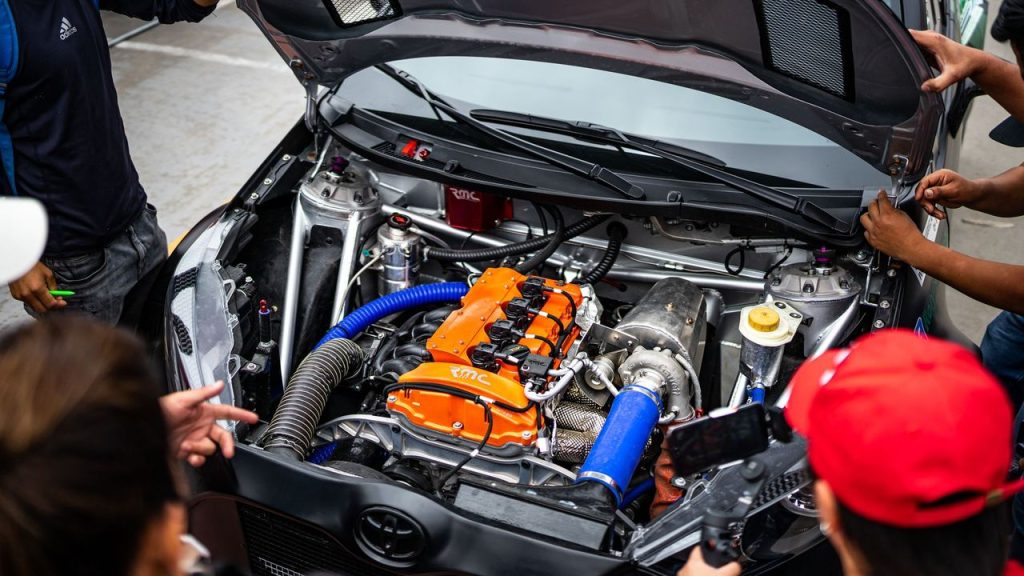
Volkswagen’s gasoline TSI engines, such as the EA888 2.0T in a GTI, Tiguan, Atlas or Passat and the smaller EA211 1.4T and 1.5T in a Jetta or Taos, use direct injection. Audi calls its versions TFSI, and the A3, A4, Q5 and many larger models share the same EA888 family, while the 3.0T V6 (EA839) in cars like the S4 and S5 works on the same principle. The injector tip sits in the combustion chamber, so it sees heat and soot that a port injector never does.
The other side effect is on the intake valves. In a port-injected engine, gasoline sprays onto the back of each valve and its detergents keep the valve fairly clean. In a direct-injection engine the fuel never touches the valves, so oil vapor from the crankcase ventilation system can bake onto them as carbon over tens of thousands of miles.
Older VW gasoline engines, like the 2.5 five-cylinder found in many Jettas, Rabbits and Beetles, are port injected, so a tank cleaner still reaches their valves. TDI diesels are a separate case altogether: they need cleaners made for diesel fuel, and gasoline products should never go in the tank.
What a Bottle in the Tank Can and Can’t Clean
A detergent additive travels with the fuel, so it can only clean the places fuel goes. On a TSI or TFSI engine, that means the fuel pump, the high-pressure rail, the injector tips, the piston crowns and the combustion chamber. Keeping those injector tips clean helps the spray pattern stay even, which matters for smooth idle and clean starts.
- Tank cleaner: injectors, combustion chamber and, on port-injected engines only, the intake valves.
- Intake spray: sprayed through the throttle body to reach the intake runners, valves and chambers on gasoline engines.
- Shop cleaning: heavy, hard carbon on direct-injection valves usually needs the intake removed and the valves walnut blasted.
- Diesel cleaner: a separate product for TDI injectors and fuel, never interchangeable with gasoline formulas.
No bottle poured into the tank removes baked carbon from direct-injection intake valves, whatever the label implies. If you are curious how bad that carbon gets and what it feels like from the driver’s seat, our article on Audi carbon buildup symptoms applies to VW’s shared engines too.
Best Fuel System Cleaner for Volkswagen, Product by Product
The five products below cover the factory additive, two gasoline tank cleaners, an intake-side spray and a diesel option for TDI owners. The details come from each Amazon listing or the maker’s own page, so read the label on the bottle before you pour.
1. Volkswagen Audi G 001 770 A2: Genuine G17 Fuel Additive for Gasoline Engines
- Genuine VW and Audi part
- Part number G001770A2
- Single bottle for the fuel tank
- For gasoline engines
This is Volkswagen and Audi’s own fuel additive, sold under part number G 001 770 A2 and widely known among owners as G17. It comes as a single small bottle that you pour into the fuel tank of a gasoline engine, and it carries the same part number you would find on the shelf at a VW or Audi parts counter. For owners who prefer to stay with factory parts and fluids, it is the obvious first choice.
The Amazon listing is brief: it gives the brand, the part number and the product name, and little else. That means the label on the bottle is your guide for how much fuel to add it to and how often to use it. Read it before you pour, and add the additive just before filling up so it mixes well with a fresh tank.
G17 suits a TSI, TFSI or older port-injected gasoline engine on a regular maintenance schedule. Like any tank additive, it works on the parts of the engine that the fuel reaches, such as the injectors and the combustion chamber. It will not clean baked carbon from direct-injection intake valves, and it is not meant for TDI diesels.
View VW/Audi G17 Fuel Additive on Amazon
2. Liqui Moly Valve Clean 2001: 150 ml Intake Valve Cleaner for Port-Injected Engines

- 150 ml can, treats 7 to 20 gallons
- For port and multi-port injection
- Safe with catalytic converters and GPF
- Fuel system corrosion protection
Liqui Moly Valve Clean (part 2001) is a small 150 ml can of additive from the German maker best known for its oils. Liqui Moly says on its Valve Clean product page that it was developed to clean and maintain the intake valves and combustion chamber of port- and multi-port fuel injected engines. One can is used with 7 to 20 gallons of fuel, so a single can covers a full VW tank.
The maker lists it as suitable for all 4-stroke gasoline engines with port injection, with or without a turbocharger, and safe for catalytic converters and gasoline particulate filters. It also protects against corrosion in the fuel system. Liqui Moly recommends using it regularly rather than as a one-off, so it works best as a habit at each oil change or every few tanks.
This is the right kind of product for an older port-injected Volkswagen, such as a Jetta, Rabbit or Beetle with the 2.5 five-cylinder, where fuel still washes over the valves. On a direct-injection TSI or TFSI engine the fuel never reaches the valves, so the part of the formula aimed at them has nothing to do. It is not for diesels.
View Liqui Moly Valve Clean on Amazon
3. Gumout Regane High Mileage 510105: 12 oz PEA Fuel System Cleaner for 75,000+ Miles
- 12 oz bottle, treats up to 19 gallons
- PEA, PIBA and a third detergent
- Targets GDI and port injectors
- For engines past 75,000 miles
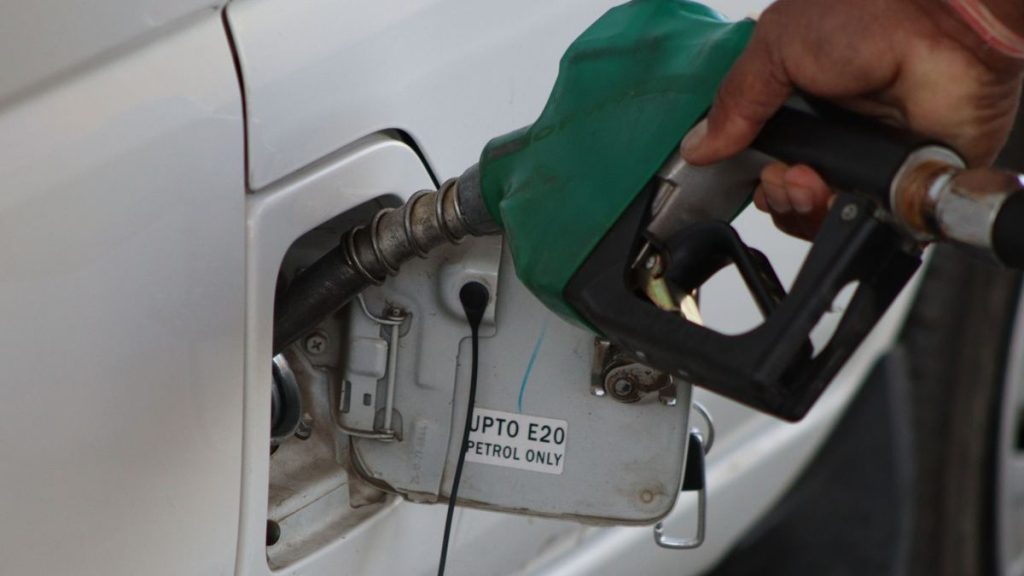
Gumout Regane High Mileage (510105) is a 12 oz gasoline tank cleaner aimed at engines that have passed 75,000 miles. Gumout calls its formula CarbonClear, which combines PEA (polyetheramine) with PIBA and a patented third detergent. The listing says that mix removes more of the built-up carbon that collects over high mileage than PEA alone, and it also conditions the upper cylinder to reduce friction and wear.
According to the listing, it cleans both GDI direct injectors and port injectors, along with piston tops, cylinder heads and the combustion chamber, and it conditions fuel against ethanol and water corrosion. Dosing is simple: add the whole bottle to a nearly empty tank, ideally at an oil change, then fill with up to 19 gallons. For best results Gumout suggests running the tank close to empty before refilling and repeating every 3,000 miles.
That makes it a sensible choice for a TSI Jetta, Tiguan or Passat with plenty of miles on it, where injector tips and combustion chambers have seen years of deposits. The listing also mentions intake valves, but on a direct-injection engine the fuel does not reach them, so pair it with an intake spray. It is a gasoline product only.
View Gumout Regane High Mileage on Amazon
4. Sea Foam Spray SS12: 12 oz Upper Engine Cleaner for GDI Intake Valves, Pack of 2
- Two 12 oz aerosol cans
- Sprays through the air intake
- Reaches GDI intake valves
- Gasoline engines only
Sea Foam Spray is an aerosol upper engine cleaner sold here as a pack of two 12 oz cans. Unlike the other gasoline products in this list, it does not go in the fuel tank. You spray it through the air intake or throttle body, so it reaches the intake runners, intake valves and combustion chambers directly, which is the area a tank additive can’t touch on a direct-injection engine.
Sea Foam says the spray is especially important for gasoline direct-injection engines for that reason. Its directions call for warming the engine, fitting the hook guide and straw at the throttle body, holding the engine near 2,000 RPM while spraying the can until empty, then letting it hot soak for 10 minutes before a drive of at least 10 minutes under load. The maker also suggests it for fogging cylinders before storage.
For a TSI or TFSI owner, this is the logical partner to a tank cleaner, and it suits light, routine cleaning rather than heavy, hard carbon, which still calls for a shop clean. Sea Foam states plainly that the spray is not for diesel engines, so keep it away from a TDI.
5. Archoil AR6400-D: Diesel Fuel System Cleaner, Two 12 oz Bottles for Injectors and DPF

- Two 12 oz bottles
- Each treats 30 to 40 gallons of diesel
- Cleans injector deposits
- Supports DPF and turbo cleanliness
Archoil AR6400-D is a concentrated fuel system cleaner made for diesel engines, sold here as two 12 oz bottles. It is the one product in this list for TDI owners, whether you drive an older Jetta or Golf TDI or a later Passat or Touareg diesel. A gasoline cleaner has no place in a diesel tank, so this kind of product fills a real gap for VW and Audi diesel drivers.
The listing says each bottle treats 30 to 40 gallons of diesel and suggests using it every 5,000 miles or as needed. Archoil describes it as fast acting on injector deposits, helping restore the spray pattern for smoother running and better response. It also reduces deposit buildup that affects the diesel particulate filter and turbocharger, which the maker says can reduce how often the filter needs to regenerate. Archoil suggests following up with its AR6500 treatment at each fill-up.
The two-pack suits a TDI that does mixed driving, since a single bottle covers more than a full tank on most VW diesels. It is not a fix for a failed injector, a clogged particulate filter or a fuel pump problem, and it is not for gasoline engines of any kind.
View Archoil AR6400-D on Amazon
Which Product Fits Which Volkswagen or Audi
Start with your engine, not your model name. A Jetta has been sold with a port-injected five-cylinder, several TSI engines and a TDI, so the badge on the trunk lid can point you to the wrong bottle. The engine code is on a sticker in the spare tire well or in your service booklet.
| Product | Goes in | Good fit for | Not for |
|---|---|---|---|
| VW/Audi G17 (G 001 770 A2) | Fuel tank | Gasoline VW and Audi engines | TDI diesels |
| Liqui Moly Valve Clean | Fuel tank | Port-injected gasoline engines | Direct-injection valve carbon, diesels |
| Gumout Regane High Mileage | Fuel tank | TSI or port engines past 75,000 miles | Diesels |
| Sea Foam Spray | Air intake | Intake valves on gasoline TSI and TFSI | Diesels |
| Archoil AR6400-D | Fuel tank | TDI diesels | Gasoline engines |
Many owners of direct-injection cars pair a tank cleaner with an occasional intake spray, since each one covers ground the other can’t reach. That combination is often the practical answer when people ask for the best fuel system cleaner for Volkswagen TSI engines, because no single bottle does both jobs.
Short Trips, Cold Starts and West Michigan Winters
Grand Rapids winters are hard on direct-injection engines in a quiet way. A car that does a few short trips a day in January rarely reaches full operating temperature, so moisture and fuel collect in the oil and more vapor passes through the crankcase ventilation system toward the intake. That is the same vapor that ends up baked on the valves.
A longer highway drive every week or two helps the engine burn off some of that moisture. Fresh oil of the right VW approval matters as well, and our guide to the best oil for Volkswagen engines and VW approvals explains the numbers on the bottle. A tank cleaner once or twice a year, timed with an oil change, is a reasonable habit for a car that lives on short trips.

When a Cleaner Won’t Fix the Problem
Additives are maintenance, not repair. If your VW or Audi stumbles when you press the throttle, our guide to why a car hesitates when accelerating covers the usual causes, from ignition coils and spark plugs to boost leaks and sensors. A flashing check engine light means an active misfire, so stop adding cleaner and have the codes read.
Timing is another thing a bottle can’t touch. The EA211 TSI engines and VW’s TDI diesels drive their camshafts with a belt, and a stretched or worn belt can upset cam timing and set codes that look like a fuel problem. Check your owner’s manual for the interval, and our review of the best timing belt kit brands shows what a complete kit includes.
Belt jobs on these engines need cam and crank locking tools, so most owners leave them to a shop. Our timing belt replacement in Grand Rapids covers that work, and our check engine light diagnostic service finds the cause when a light or rough running won’t go away. For Audi owners, our Audi repair in Grand Rapids is the place to start.
More Buying Guides
Frequently Asked Questions
What is VW G17 fuel additive?
G17 is the name owners use for Volkswagen and Audi’s own fuel additive, part number G 001 770 A2. It is a small bottle that goes into the fuel tank of gasoline engines. Follow the directions printed on the bottle for how much fuel to add it to.
Will a fuel system cleaner remove carbon from TSI intake valves?
No. On a direct-injection TSI or TFSI engine, fuel never reaches the intake valves, so a tank additive can’t clean them. An intake spray reaches the valves through the throttle body, and heavy carbon usually needs walnut blasting with the intake removed.
Can I use Sea Foam Spray on a VW TDI?
No. Sea Foam says its spray is for gasoline engines only and not for diesels. TDI owners should use a cleaner labeled for diesel fuel, such as Archoil AR6400-D, and follow its dosing.
How often should I add fuel cleaner to my Volkswagen?
Follow the label on the product you choose, since doses and intervals differ. Many owners add a tank cleaner once or twice a year or at an oil change, and more often if the car does mostly short trips.
Rough idle, a stumble off the line or a check engine light that keeps coming back? Call 456 AutoFix at 616-279-3832, Monday to Friday 8am to 5pm, or schedule a diagnostic through our contact page.
If your workday doesn’t leave room for a visit, the after-hours drop-off at our Carrier St NE shop in Creston lets your VW or Audi come to us before or after work.