As an Amazon Associate, 456 AutoFix earns from qualifying purchases. Product links below go to Amazon, where you can confirm the right part for your vehicle.
After a few Michigan winters, the clamps, flanges and hangers under most cars wear a thick orange crust. The best rust remover for exhaust work depends on what you are trying to do: break a seized bolt loose, strip scale off a part on the bench, or seal rust you can’t reach.
This guide sorts the products by job, then reviews six of them: three penetrants, a soak bath, a rust converter and a wire cup brush. If the pipe already has a hole or a leak, rust remover won’t close it, so look at our guide to the exhaust repair kit options for leaks instead.
Quick answer
What removes rust from an exhaust system?
Use a penetrant such as Kroil or WD-40 Specialist on seized clamp and flange bolts. Soak removed hardware in Evapo-Rust to take it back to bare metal, and scrub heavy scale with a knotted wire cup brush. A converter like Rust Reformer suits cooler brackets only, and rusted-through pipe needs replacing.
Our Quick Picks
Three quick picks that cover the main jobs: a penetrant for seized bolts, a soak for parts on the bench and a wire cup brush for heavy scale. All six products are reviewed below.

Kroil Aerokroil
A thin penetrant that creeps into rusted threads on clamps and flanges.

Evapo-Rust
A reusable soak that strips rust from clamps, brackets and flanges off the car.

Forney 72753
An aggressive knotted cup that strips thick scale before you treat or paint.
Four Rust Jobs Under the Car
“Rust remover” covers several very different products, so start by naming the job in front of you.
- Freeing seized fasteners: a penetrating oil wicks into the threads of a clamp nut, manifold stud or hanger bolt. It lets parts turn without snapping.
- Stripping rust off loose parts: a soak bath removes rust from clamps, U-bolts, brackets and flanges once they are off the car.
- Stabilizing rust you leave in place: a converter turns surface rust into a paintable black layer. It is a coating, so heat matters a great deal.
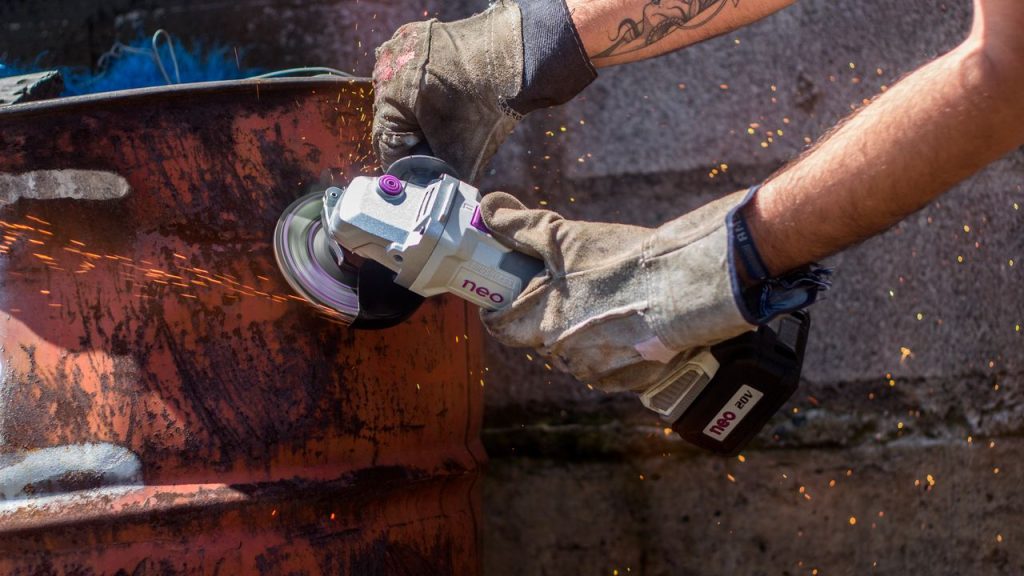
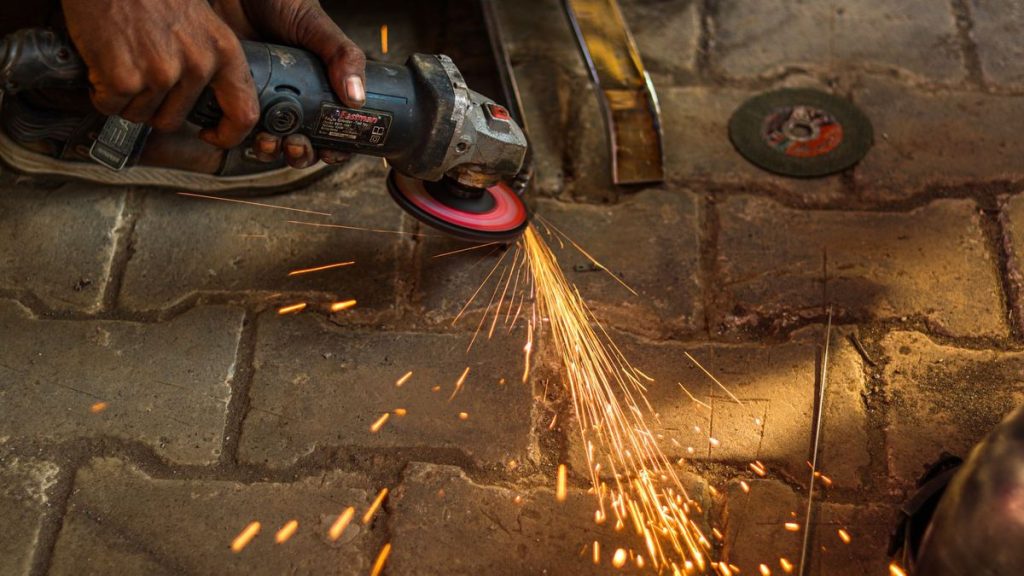
- Scrubbing scale: a wire brush on a drill or grinder knocks off loose flakes before you treat, paint or patch the metal.
Most real jobs use two or three of these. A common pattern is penetrant first, wire brush second, then a soak or a coating on whatever came off or stays on. That is why the best rust remover for exhaust pipes is often a small kit rather than one can.
Heat, Thin Steel and Stainless
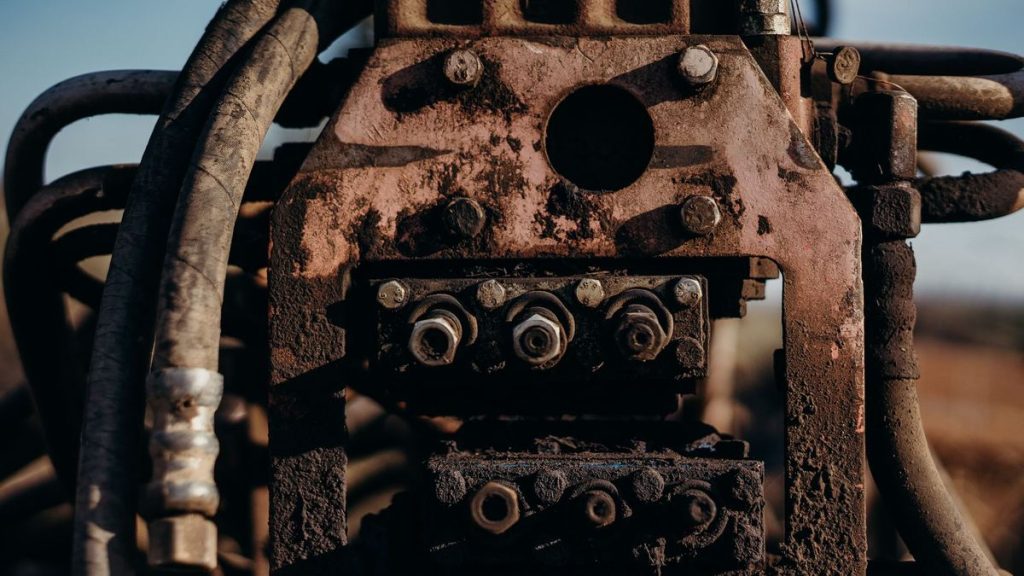
The pipe near the engine runs far hotter than the tailpipe, and oils or coatings that are fine on a frame rail can smoke or burn off there. Work on a cold system and wipe off excess penetrant before you start the engine.
Most factory pipes are thin aluminized or stainless steel. Heavy grinding can thin a wall that is already pitted, so use the lightest tool that removes the loose scale. On polished stainless tips, skip the wire wheel altogether and use a cleaner meant for the finish.
Soak products also have limits. CRC’s Evapo-Rust instructions say to cover the part fully, allow anywhere from 30 minutes for light rust to overnight for heavy rust, then rinse it with water. That works for a clamp in a bucket, not for a pipe still hanging under the car.
Best Rust Remover for Exhaust Jobs: Six Products Compared
Each pick below is a specific Amazon US listing. They are grouped by job, starting with penetrants for stuck hardware and ending with the tools for cleaning and sealing the metal.
1. Kroil Aerokroil KS102: 10 oz Penetrating Oil Aerosol for Seized Bolts
- Wicks into tight threads and small gaps
- Inhibits corrosion and displaces moisture
- Cleans carbon deposits
- 10 oz aerosol can
Kroil is a long-running penetrating oil, and Aerokroil is the aerosol version of the original formula in a 10 oz can, listed as KS102. The listing describes it as a rust penetrating lubricant made to work its way into small openings, tight threads and crevices. On an exhaust, those are exactly the places where clamp nuts, flange bolts and hanger studs lock up after a few salty winters.
Beyond loosening stuck parts, the listing says it removes rust, inhibits corrosion, cleans carbon deposits and displaces moisture, and that it holds up in high humidity and salt water. In practice, that makes it a useful first step before you put a wrench on anything under the car. Spray the threads, give the oil time to creep in, then spray again before you try to turn the fastener.
Aerokroil is a thin oil, so it doesn’t build any lasting coating on hot pipe, and it isn’t a soak that strips rust from a part. Let the system cool fully before you use it, wipe away the excess, and expect some smoke the first time the exhaust heats up. It suits frozen hardware, not pitted or rotted metal.
View Kroil Aerokroil on Amazon
2. WD-40 Specialist Penetrant: 11 oz Fast-Acting Spray with 2-Way Smart Straw

- Fast-acting formula for rust and corrosion
- Leaves a protective layer after use
- Smart Straw sprays wide or narrow
- Low odor, 11 oz can
WD-40 Specialist Penetrant is a separate product from the familiar blue and yellow multi-use can. It is a dedicated penetrating formula sold in an 11 oz can, aimed at stuck nuts, bolts, threads and chains in automotive and heavy-duty work. The listing describes it as fast-acting and low odor, which helps when you are lying under a car in a closed garage.
Its main practical feature is the Smart Straw, which sprays two ways: a narrow stream for the gap between a nut and its stud, or a wider spray for covering a clamp or bracket. That matters on an exhaust, where the bolts you need to reach often sit above a crossmember or behind a heat shield. According to the listing, the formula breaks through rust and corrosion and leaves a protective layer behind, which can slow new rust on the threads you just freed.
Like any penetrant, it works best with patience, so soak the hardware, wait, and repeat on badly rusted parts. It won’t dissolve scale from a pipe or fill pitting, and it isn’t meant as a coating for hot sections. Use it on a cold system, wipe off what drips, and keep it to the job of freeing fasteners.
View WD-40 Specialist Penetrant on Amazon
3. Sea Foam Deep Creep DC14: 12 oz Penetrating Oil and Lubricant Spray

- Breaks metal surface tension to creep into threads
- Loosens rusted and seized fasteners
- Lubricates bushings, hinges and chains
- Petroleum based, 12 oz aerosol
Sea Foam is better known for its fuel additives, but Deep Creep is the company’s penetrating oil and lubricant, sold here as a 12 oz aerosol under the DC14 part number. The listing describes a petroleum-based formula made to cut through rust, corrosion and buildup, so it can help free stubborn bolts, fasteners and other seized metal parts.
The key claim is in the name. The listing says the formula breaks the surface tension of metal so it can crawl along parts and creep deep into threads and mechanisms. On exhaust hardware, that creeping action is what you want, because rust tends to fill the threads of a clamp or flange from the outside in. Deep Creep also works as a general lubricant for bushings, chains, gears, hinges and slides, so a single can stays useful around the garage after the exhaust job is done.
It is a penetrant rather than a rust remover in the soak sense, so it won’t take a crusty bracket back to bare metal. Use it on cold parts, give it time to work, and clean off the excess before the engine runs, since oil on a hot pipe will smoke.
View Sea Foam Deep Creep on Amazon
4. CRC Evapo-Rust Heavy Duty: 32 oz Water-Based Rust Remover Soak
- Water based and non-flammable
- Ready to use, no mixing
- Reusable soak bath
- Removes rust to bare metal without scrubbing
Evapo-Rust, now sold under the CRC brand, is a water-based rust remover that works by soaking rather than spraying. This 32 oz bottle comes ready to use with no mixing. The listing calls it non-corrosive and non-flammable, and it describes taking rust to bare metal without sanding or scrubbing, which makes it a different kind of product from the penetrants above.
For exhaust work, it suits the parts you can take off: U-bolts, band clamps, hanger brackets, flange hardware and small heat shields. You submerge the part fully, leave it until the rust is gone, then rinse it with water. The maker’s instructions give 30 minutes for light rust and up to overnight for heavy rust, and they stress the rinse because iron left in the solution can restart rust. Because the solution is reusable, one bottle can work through a box of hardware over a few weekends.
The limit is size. A 32 oz bottle covers small parts in a narrow container, not a full pipe still bolted under the car, and bigger jobs call for one of the larger sizes. Bare steel will rust again quickly, so plan to paint or protect cleaned parts soon after they dry.
5. Rust-Oleum Stops Rust Rust Reformer: Black Spray that Converts Rust to a Paintable Surface

- Converts rust to a flat black, paintable surface
- Oil-based formula bonds to rusted metal
- Tack free in 20-40 minutes
- Any-angle spray, even upside down
Rust Reformer is Rust-Oleum’s spray rust converter, part of its Stops Rust line. Instead of removing rust, it reacts with it: the listing says it converts rusty metal into a flat black surface that is protected and can be painted. That makes it a sensible choice for rust you can’t strip off, such as a crusty bracket that would be hard to remove.
The listing describes an oil-based formula that bonds to the rusted surface, a dry time of 20 to 40 minutes to tack free, and 24 hours before a topcoat. The any-angle spray works upside down, which helps when you are coating the underside of a car on jack stands. Brush off loose flakes first with a wire brush, since a converter needs a firm rusty layer to bond to, not loose scale that will fall away.
Heat is the big limit on an exhaust. The listing doesn’t describe Rust Reformer as a high-heat coating, so keep it to the cooler parts: hanger brackets, isolator mounts, shield fasteners and nearby underbody metal. Check the label on the can for temperature limits before you spray anything near the pipe. It won’t hold together metal that has rusted through.
View Rust-Oleum Rust Reformer on Amazon
6. Forney 72753: 4-Inch Knotted Wire Cup Brush for 4-1/2 and 5-Inch Angle Grinders
- .020-inch knotted carbon steel wire
- 5/8-11 threaded arbor
- Fits most 4-1/2 and 5-inch angle grinders
- Rated for high-RPM use
Forney’s 72753 is a 4-inch knotted wire cup brush built for angle grinders. The listing describes .020-inch carbon steel wire twisted into rigid knots, with a 5/8-11 threaded arbor that fits most standard 4-1/2 and 5-inch grinders. Twisted knots hit harder than loose crimped wire, so this is the tool for thick scale rather than light cleanup.
On an exhaust, it clears heavy rust from flanges, brackets and the area around a clamp before you add a converter, paint or a patch. It is also a quick way to see how much solid metal is left under the crust, which tells you whether a section is worth saving. The listing says the brush is rated for high-RPM operation and suits large, flat surfaces, so the face of a flange or a bracket is a better match than a thin curve of pipe.
That aggression is the trade-off. Knotted wire can thin a pipe wall that is already pitted, so use light pressure and keep moving. Wires can break off at speed, so wear safety glasses with a face shield, gloves and long sleeves, and keep the grinder’s guard in place. For tight spots, a smaller drill-mounted brush is easier to control.
Which Product for Which Part
The table narrows down the best rust remover for exhaust parts one piece at a time. The answer often changes along the same exhaust.
| Part or problem | Product type | Example | Keep in mind |
|---|---|---|---|
| Seized clamp nut, flange bolt or hanger bolt | Penetrating oil | Kroil, WD-40 Specialist, Sea Foam Deep Creep | Apply, wait and repeat; wipe off before driving |
| Clamps, U-bolts, brackets and flanges off the car | Soak bath | Evapo-Rust | Rinse well and protect, or it rusts again |
| Rusty hanger bracket or heat shield mount that stays on | Rust converter | Rust-Oleum Rust Reformer | Not described as high heat; keep off hot pipe |
| Thick scale before a patch, paint or inspection | Knotted wire cup brush | Forney 72753 | Aggressive on thin pipe; wear eye and face protection |
| Hole, soft spot or flaking pipe wall | None of these | Patch or new section | Rust remover can’t restore missing metal |
The last row is the one people skip. Once rust has eaten through a pipe or muffler, the system leaks exhaust, and no chemical brings that steel back. A clamp-on patch can buy time, while a worn-out muffler is usually a replacement job; our guide to the aftermarket muffler types and sizes explains the choices.
Salt Season and Exhaust Hardware in West Michigan
Road salt and brine sit under a car for months here, and short winter trips rarely get the exhaust hot enough to dry out. Condensation inside the pipes means the muffler and rear sections often rust from the inside too.
The small parts take the worst of it. Hanger brackets, rubber isolator mounts and clamp bolts rust first, and a failed hanger lets the pipe sag and rattle. Our article on a broken exhaust hanger covers what to look for.
When Rust Means a New Pipe
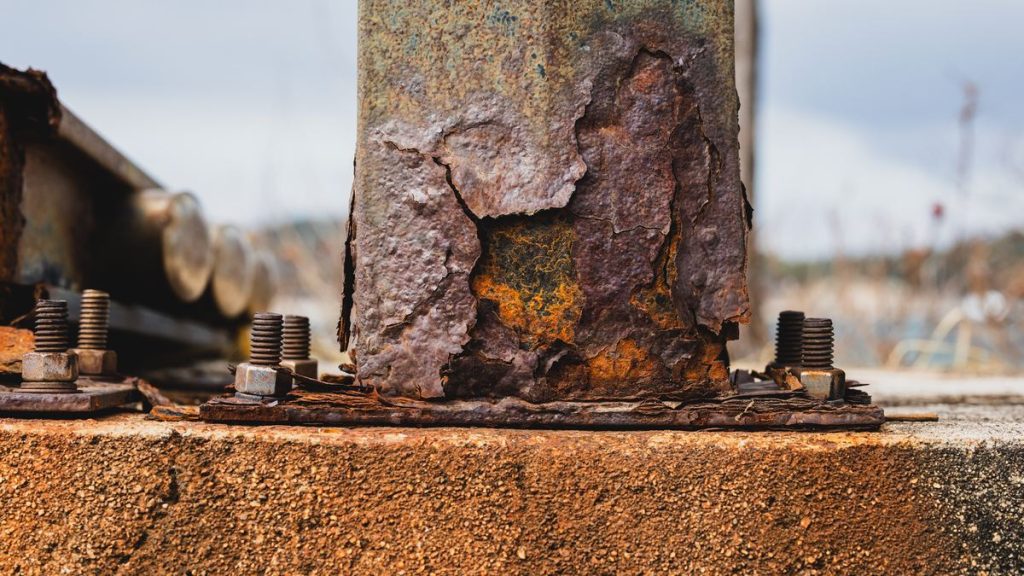
Some rust is cosmetic, and some is the end of the part. Push on a crusty section with a screwdriver: if it flexes, flakes through or leaves a hole, the metal is gone. A louder exhaust, a ticking sound on cold starts or an exhaust smell in the cabin all point to a leak rather than surface rust, and our list of exhaust leak symptoms goes through them.
Manifold studs and flange bolts near the engine are a common place for a DIY job to go wrong. A snapped stud in a cylinder head often means drilling or heat, and that is work for a shop lift and the right tools. Exhaust leaks ahead of the cabin can also let carbon monoxide in, so don’t drive around with one.
Our exhaust repair in Grand Rapids covers pipes, mufflers, hangers and clamps on foreign and domestic vehicles.
More Buying Guides
Frequently Asked Questions
Can I remove rust from an exhaust without taking it off?
Partly. A penetrant and a wire brush work on the car, and a converter can go on cooler brackets. To strip rust to bare metal with a soak product, the part has to come off and sit fully covered in the bath.
Will a rust converter hold up on exhaust pipes?
Not on the hot sections. A converter is a coating, and the Rust Reformer listing does not describe it as a high-heat product. Keep it to hangers, brackets and shield mounts, and check the can’s label for its temperature limits.
How long should penetrating oil soak on a rusted exhaust bolt?
Longer than most people wait. Spray it, give it time to wick into the threads, and repeat over several hours or overnight on heavily rusted hardware. Work the bolt back and forth gently rather than forcing it in one go.
Is surface rust on an exhaust a problem?
Light surface rust on a steel exhaust is common and usually harmless on its own. Holes, soft spots, heavy flaking and a louder exhaust are the signs that the metal has failed and the section needs repair or replacement.
Rusty exhaust rattling, ticking or getting louder? Call 456 AutoFix at 616-279-3832, Monday to Friday 8am to 5pm, or set up an exhaust inspection through our contact page.
Can’t make it during the day? Use our after-hours drop-off. We’re at 456 Carrier St NE in Creston.