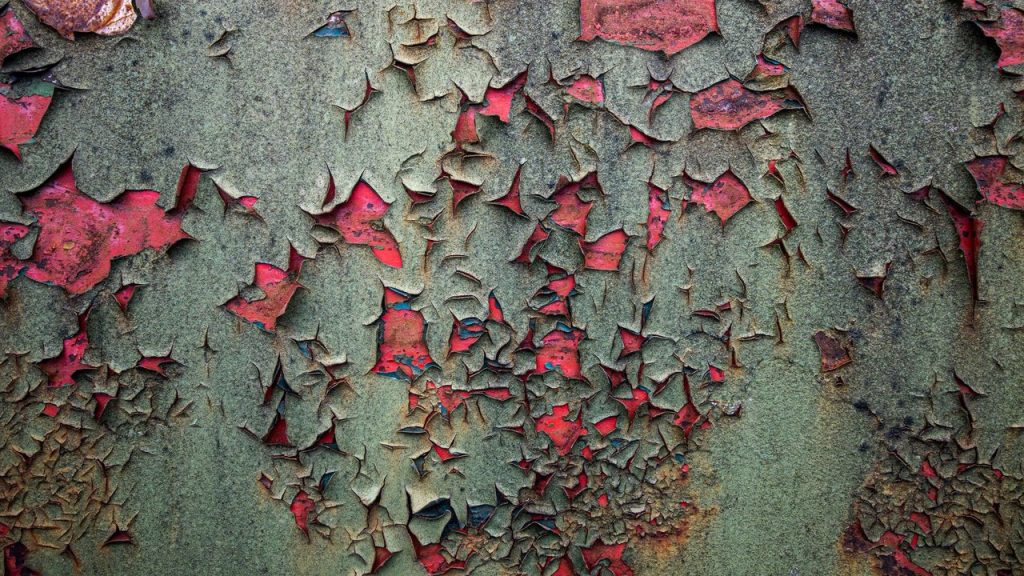
As an Amazon Associate, 456 AutoFix earns from qualifying purchases. Product links below go to Amazon, where you can confirm the right part for your vehicle.
Every winter, brine and rock salt work into the seams, hinges and brackets of cars around Grand Rapids. The best rust inhibitor for cars depends on where the metal is and what shape it is in: clean steel wants a film or a primer, while metal that already has surface rust needs a coating made to go over it.
This guide sorts inhibitors into sprays, paints and primers, then reviews six products that each do one of those jobs. If the rust is already flaking, start with our guide to choosing a rust converter and come back here for the protective layer.
Quick answer
Which rust inhibitor should you use on a car?
Match the product to the metal. For rusty brackets, floor pans or frame sections, a moisture-cured coating such as POR-15 or Rust Bullet seals the surface. Before touch-up paint, a rusty metal primer works. For hinges, latches and underbody hardware, a wax or oil spray such as Boeshield T-9 leaves a thin protective film.
Our Quick Picks
One pick for each kind of rust inhibitor: a paint for rusty steel, a primer for body repairs and a dry wax spray for moving parts. All six are reviewed below.
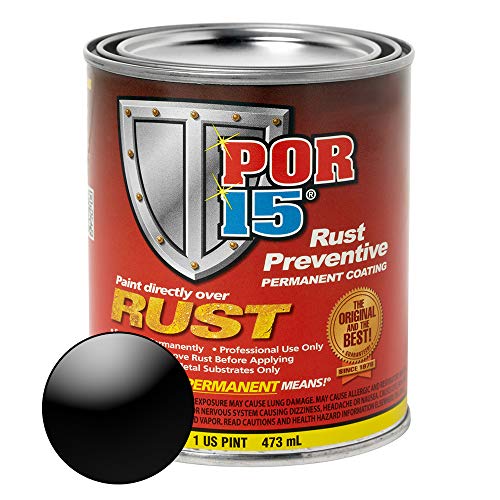
POR-15 Rust Preventive Coating
A hard, chip-resistant shell for prepared rusty steel.
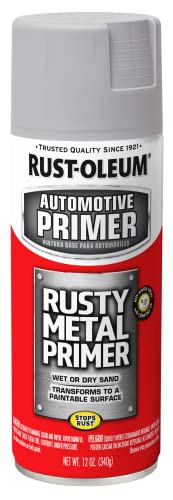
Rust-Oleum Rusty Metal Primer
A rust-resistant base coat under touch-up or panel paint.

Boeshield T-9 Automotive
A clean, thin film for hinges, latches and hardware.
What a Rust Inhibitor Does, and What It Can’t Fix
Rust needs bare steel, water and oxygen. A rust inhibitor breaks that chain by putting a barrier between the metal and the moisture, either as a soft film that displaces water or as a hard coating that seals the surface. It slows or stops new corrosion, but it does not turn existing rust back into steel.
That is the main difference from the products around it. A rust converter reacts with existing rust and changes it into a stable, paintable layer. Undercoating, covered in our road salt undercoating guide, is a thicker layer for the whole underbody.
Rust Inhibitor Spray, Paint or Primer: How to Pick a Type
Start with the part you want to protect, then the finish you can live with. A spray is the quickest fix for moving parts and hidden seams. A paint is for metal you can reach, clean and coat properly. A primer needs a topcoat over it.
- Surface condition: sprays and primers want clean metal or light surface rust; heavy scale must be wire-brushed or treated first.
- Film feel: oily films stay wet and attract dirt, dry wax films stay cleaner, and hard coatings resist chips.
- Heat and brakes: keep every inhibitor off brake pads, rotors and hot exhaust parts unless the label says it handles that heat.
Best Rust Inhibitor for Cars, Reviewed One by One
The six products below cover all three types. Each is one size or color from a wider range, so check the can size, finish and coverage on the listing, and read the label for the surfaces it is meant to go on.
1. POR-15 Rust Preventive Coating: 16 oz Moisture-Cured Gloss Black Barrier
- Moisture-cured, non-porous coating
- Listed 168 hours ASTM B117 salt spray
- Minimum two thin coats
- Topcoat where it sees UV light
POR-15 Rust Preventive Coating is a brush-on paint made to seal steel, including steel with tight surface rust, under a hard, non-porous layer. This listing is the 16 fl oz can in gloss black, a size that suits a floor pan, a set of brackets or a section of frame rather than a whole underbody. The coating cures with moisture from the air, so it actually dries faster on a humid day.
The listing says the coating went through 168 hours of ASTM B117 salt spray testing with no rust or pitting, and that once cured it resists chipping, cracking and peeling. The prep is what makes it work. POR-15 directs you to degrease the part with its Cleaner Degreaser, etch it with its Metal Prep, then stir the can (never shake it) and lay on at least two thin coats, recoating once the first is dry to the touch, typically two to five hours later.
It is not a quick touch-up product. The coating does not hold up to sunlight on its own, so a visible part needs a topcoat Wear gloves and eye protection and work with good airflow, as the label directs. For a rusty area you can reach, clean and give a full day, it is a durable choice.
View POR-15 Rust Preventive Coating on Amazon
2. Rust-Oleum Automotive Rusty Metal Primer: Oil-Based Stops Rust Spray, Flat Light Gray
- Oil-based Stops Rust formula
- Covers up to 12 sq ft per can
- Dry to touch and recoat in 15 minutes
- Takes any topcoat
Rust-Oleum Automotive Rusty Metal Primer is an aerosol base coat for car and truck metal that already shows rust. It uses the oil-based Stops Rust formula, and Rust-Oleum says the primer gives more than twice the rust protection of enamel paint used on its own. The flat light gray finish is meant to be covered, so think of it as the first layer of a repair, not the last.
One can covers up to about 12 square feet, which suits rocker panel spots, a wheel arch lip, a hood edge or a bracket rather than a large panel. It dries to the touch in 15 minutes and can be recoated in the same window, so you can build two or three light passes in one session. The flat surface can be wet or dry sanded smooth, and the listing says any topcoat bonds to it.
Prep still matters. Remove loose, flaking rust with a wire brush or sandpaper, clean off wax and road film, and spray in a ventilated area with a respirator and gloves as the can directs. Keep the coats light, since heavy passes tend to run. It is a poor match for underbody seams you cannot see or reach, where a spray film or wax works better.
View Rust-Oleum Rusty Metal Primer on Amazon
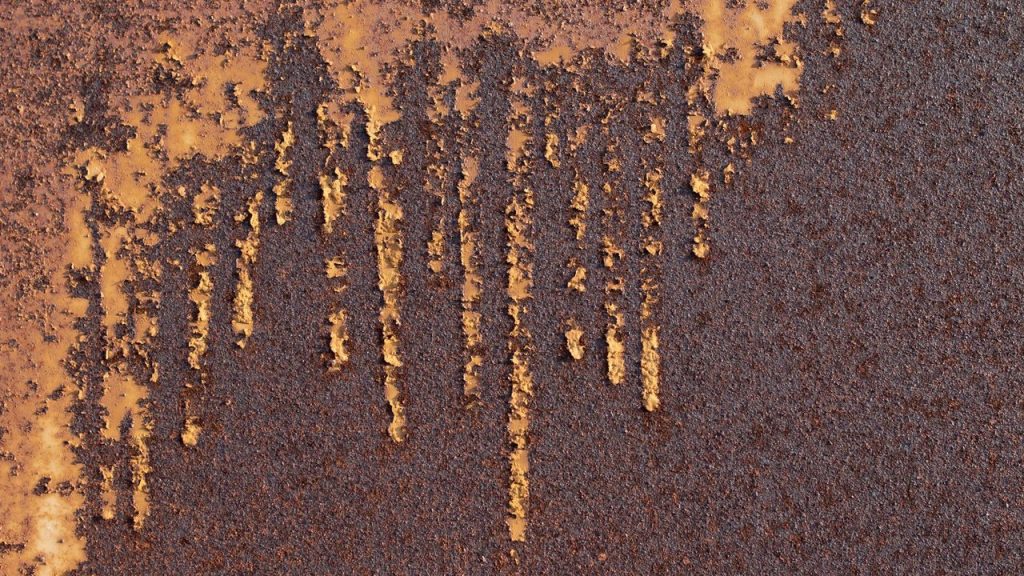
3. Rust Bullet Automotive: 1 Quart Moisture-Cured Paint Over Rust, Metallic Gray

- Direct to metal, no primer needed
- Brush, roller or spray application
- UV-resistant urethane
- Resists road salt, oil and fuel
Rust Bullet Automotive is a moisture-cured urethane coating sold as a paint over rust for cars and trucks. This listing is the one-quart can in metallic gray. The listing says it goes directly onto clean or rusted metal that has been properly prepared, with no primer, and that it forms a hard barrier against chips, road salt, moisture, oil and fuel. That makes it a fit for frames, floor pans, rocker panels and suspension parts.
According to Rust Bullet’s Automotive formula page, the coating needs at least two coats, with a recoat window of about two to six hours and a full cure in 72 hours. The maker lists coverage of roughly 350 to 400 square feet per gallon per coat. Because it cures in contact with air, the company advises keeping the can sealed until you are ready to apply it.
Unlike POR-15, the listing describes it as UV resistant, so most areas do not need a topcoat. The surface must be completely dry and scuffed for adhesion, which is easier on a lift or with the car safely on jack stands. Work with gloves, eye protection and ventilation, and use the low-VOC version where rules require it.
View Rust Bullet Automotive on Amazon
4. Boeshield T-9 Automotive: 12 oz Waterproof Wax-Based Lubricant and Corrosion Inhibitor
- Dries to a thin waxy film
- Penetrates and displaces moisture
- Lubricates as it protects
- Originally developed by Boeing
Boeshield T-9 Automotive is a 12 oz aerosol that lubricates and protects metal at the same time. It goes on as a penetrating liquid, pushes moisture out of tight gaps, then dries to a thin waxy film. Boeshield says the formula was first developed by Boeing, and this automotive version is aimed at vehicles, trailers and garage equipment that see humidity, road spray and salt.
The listing suggests compatible hinges, latches, battery terminals, tow hitches, trailer plugs, seat tracks and window mechanisms. Because the film dries rather than staying wet, it collects less grit than a heavy oil, which helps on door hinges and hood latches you touch often. It also suits tools and jack stands stored in a damp garage, so one can covers the car and the workbench.
The trade-off is film thickness. A thin wax layer is not built to stand up to gravel blasting under a car the way an undercoating or a cured paint does, so plan on reapplying it each fall and after heavy washing. Spray in light passes and wipe off any overspray on paint or glass. Keep it off brake parts, and check the label before spraying near plastic or rubber you are unsure about.
View Boeshield T-9 Automotive on Amazon

5. CRC SP-400 Corrosion Inhibitor: 10 oz Firm Waxy Film for Long-Term Outdoor Protection

- Firm, waxy film that seals out moisture
- Resists humidity and salt spray
- Never becomes brittle
- Indoor and outdoor long-term use
CRC SP-400 is an industrial corrosion inhibitor in a 10 wt oz aerosol. It leaves a firm, waxy film that CRC describes as highly resistant to humidity and salt spray, and the listing says the film seals out moisture completely and never becomes brittle. It is made for long-term protection indoors or outdoors, which is a step up in durability from light oil sprays.
CRC aims it at motors, shafts, equipment exposed to the weather and parts kept in outdoor storage. On a car, that translates to bolt heads, brackets, hitch receivers and other bare steel hardware that would otherwise rust between seasons. It is also handy for spare parts, a set of steel wheels or a trailer kept outside, because the firm film stays put rather than dripping away.
Because the film is firm and waxy, it is not a base for paint, and it is harder to wipe off than a thin wax spray, so mask nearby paint and trim. Keep it off brake parts and hot exhaust surfaces. Spray in a ventilated space and let it set before handling the part. It is a practical choice when you want protection to last longer than a single wash.
View CRC SP-400 Corrosion Inhibitor on Amazon
6. WD-40 Specialist Corrosion Inhibitor: 6.5 oz Non-Drying Anti-Rust Spray with Straw

- Blocks air and moisture from metal
- Up to 1 year outdoors, 2 years indoors
- Precision straw included
- 50-state VOC compliant
WD-40 Specialist Corrosion Inhibitor is a 6.5 oz aerosol that coats metal to lubricate it and block out air and moisture. WD-40 rates the protection for up to two years indoors and up to one year outdoors, and recommends it for preventive maintenance in corrosive conditions, including cold, wintry air. That makes it a sensible annual treatment for hardware on a car that sees salt.
The film is non-drying, so it keeps working as a lubricant on parts that need to move, such as hood and trunk latches, door strikers, seat rails and spare tire hardware. The listing says it does not run and stays where you spray it. An included straw lets you put a precise stream into a latch or behind a bracket, then clip back onto the notched cap.
A wet film has a downside: it can hold dust and road grime, so it is a poor pick for areas you want to stay clean, and paint will not stick over it. Wipe excess off painted surfaces and keep it away from brake parts. The can is 50-state VOC compliant and NSF Category A7 rated. Use it in a ventilated area as the label directs.
View WD-40 Specialist Corrosion Inhibitor on Amazon
Side-by-Side: Which Product Suits Which Job
There is no single best rust inhibitor for cars that covers every part, so use this table to match a product to the area you are protecting.
| Product | Type | Good fit | Keep in mind |
|---|---|---|---|
| Rust-Oleum Rusty Metal Primer | Aerosol primer | Small body repairs before touch-up paint | Needs a topcoat |
| POR-15 Rust Preventive Coating | Brush-on paint | Floor pans, brackets, frame sections | Needs prep steps and a UV topcoat in sunlight |
| Rust Bullet Automotive | Brush, roll or spray paint | Larger underbody areas and chassis parts | Two coats minimum, 72-hour cure |
| Boeshield T-9 Automotive | Dry wax spray | Hinges, latches, hitches, seat tracks | Thin film, reapply seasonally |
| CRC SP-400 | Waxy film spray | Bolts, brackets and stored parts outdoors | Firm film is not a paint base |
| WD-40 Specialist Corrosion Inhibitor | Non-drying spray | Hardware that should stay lubricated | Wet film can collect road grime |

Paint chips on the body are a separate job. Small chips that have not rusted yet are better handled with matching paint, as in our guide to touch up paint for rock chips, while light clear-coat marks may only need a car scratch remover.
Prep, Safety and Timing for a West Michigan Winter
Every one of these products works only as well as the surface under it. Plan the job for a dry fall weekend, before the salt trucks start, so the metal is dry and the coating has time to cure.
- Wash and dry: rinse the underbody, then let it dry fully; trapped water under a coating keeps the rust going.
- Remove loose rust and grease: wire-brush flaking areas, then degrease so coatings can bond.
- Protect yourself: work outdoors or in a ventilated garage, and wear the gloves, eye protection and respirator the label calls for.
- Mask the no-go zones: cover brake rotors, pads, sensors and the exhaust before you spray.

Spray films wear off with washing and gravel, so recheck them in late winter. If you are choosing between the heavier lanolin products many Michigan owners use underneath, our comparison of Fluid Film vs Woolwax covers that choice.
When Rust Is a Job for a Mechanic
Even the best rust inhibitor for cars only protects metal that is still sound. It is the wrong answer for rust that has thinned a part the car depends on, such as a brake line, a suspension mount or an exhaust hanger. Our article on brake line rust explains the warning signs, and corroded lines belong with brake repair in Grand Rapids, not a spray can.
Exhaust parts run too hot for most of these coatings. For surface rust on pipes and clamps, see our rust remover for exhaust guide, and for leaks, rattles or broken hangers book exhaust repair in Grand Rapids. Rusty control arms or spring perches call for a suspension inspection and repair.
More Buying Guides
Frequently Asked Questions
Is a rust inhibitor the same as a rust converter?
No. A converter reacts with existing rust and turns it into a stable layer you can paint. An inhibitor puts a barrier over metal to keep new rust from forming.
What is the best rust inhibitor paint for cars with surface rust?
A moisture-cured coating made to go over prepared rust, such as POR-15 Rust Preventive Coating or Rust Bullet Automotive, suits brackets, floor pans and frame sections. Remove loose scale first and apply at least two thin coats, as both makers direct.
Can I paint over a rust inhibitor spray?
Usually not. Oil and wax sprays such as WD-40 Specialist Corrosion Inhibitor, CRC SP-400 and Boeshield T-9 leave a film that paint will not stick to. If the area will be painted, use a rusty metal primer or a paint-over-rust coating instead.
How often should a rust inhibitor spray be reapplied?
Follow the label, and plan on at least once a year in salt country. WD-40 lists up to one year outdoors for its Specialist Corrosion Inhibitor.
Spotted rust on a brake line, an exhaust hanger or a suspension part while you were under the car? Call 456 AutoFix at 616-279-3832, Monday to Friday 8am to 5pm, or set up an underbody look through our contact page.
Working through our weekday hours yourself? Drive the car to 456 Carrier St NE in Grand Rapids once we have closed and leave it with the after-hours drop-off.