
Bad oxygen sensor symptoms are easy to miss because they creep in slowly. Your fuel economy slips a little each month, the engine hesitates now and then, and one day the check engine light comes on with a code that names the O2 sensor.
Here is what oxygen sensors do, the signs of a failing one, and why the sensor named in the code is not always the part that needs replacing.
Quick answer
What are the symptoms of a bad oxygen sensor?
The usual signs are a check engine light with an O2 sensor code, falling fuel economy, surging or hesitation, a rough idle and a rich fuel smell from the exhaust. Left alone, a bad sensor can overheat and damage the catalytic converter, so have the code diagnosed rather than ignored.
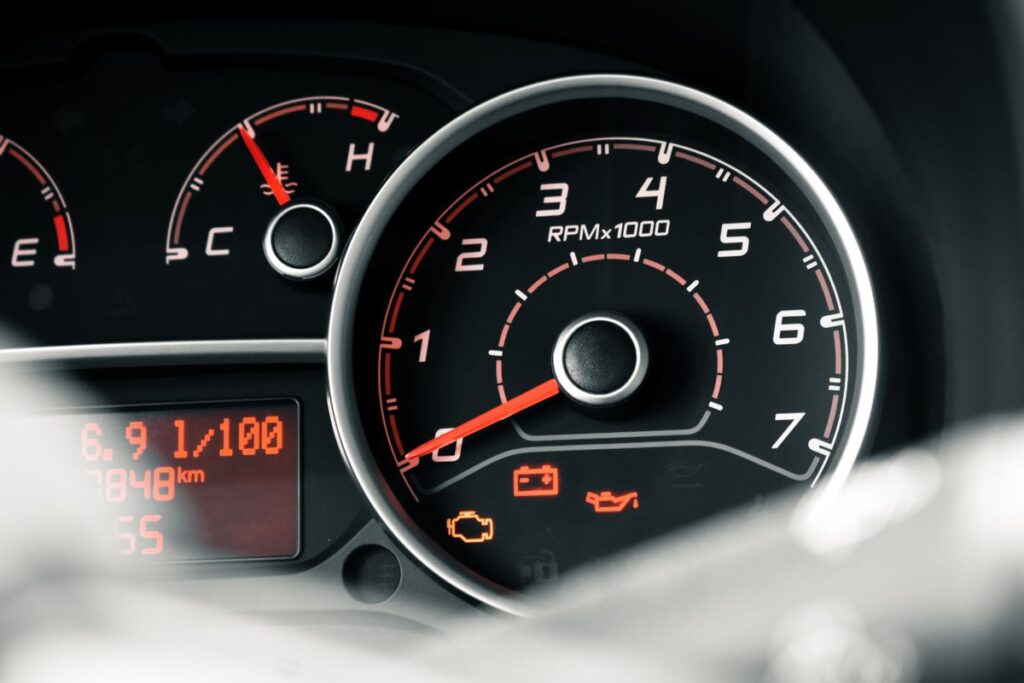
What an Oxygen Sensor Does: Upstream vs Downstream
An oxygen sensor screws into the exhaust and measures how much oxygen is left after combustion. The engine computer uses that reading to add or trim fuel. Bosch, the company that invented the automotive O2 sensor, explains in its consumer guide to oxygen sensors that too much oxygen means a lean mixture, while too little means a rich mixture that wastes fuel and raises emissions.
According to the same guide, almost all gasoline vehicles since 1986 have at least one sensor, and vehicles built since 1996 have at least two.
| Sensor | Where it sits | What it does |
|---|---|---|
| Upstream (sensor 1) | Before the catalytic converter, near the engine | Tells the computer whether the engine runs rich or lean so it can adjust fuel |
| Downstream (sensor 2) | After the catalytic converter | Checks how well the converter is cleaning the exhaust |
The upstream sensor affects how the engine runs. A failing downstream sensor usually just sets a code, because it watches the converter rather than steering the fuel mixture.

Bad Oxygen Sensor Symptoms to Watch For
A 1999 technical article in MOTOR magazine lists the common symptoms as surging or hesitation, a noticeable decline in fuel economy, increased tailpipe emissions and premature catalytic converter failure.
1. A Check Engine Light With an O2 Code
The computer watches each sensor’s signal and its heater circuit. A slow, stuck or missing signal sets a code and turns on the light. Our guide to a check engine light that is on while the car runs fine lists an aging oxygen sensor among the usual causes.
2. Falling Fuel Economy
A lazy sensor often reads the mixture wrong and the computer adds fuel it does not need. Bosch notes that a sensor that is not working properly cannot regulate fuel efficiently, and the result is lower MPG.
3. Surging or Hesitation
When the upstream signal is wrong, the fuel mixture swings too rich or too lean. You may feel the car surge at a steady cruise or stumble when you press the gas. Hesitation has many other causes too, and our guide to a car that hesitates when accelerating walks through them.

4. A Rough Idle and a Rich Smell
A rich mixture can make the idle uneven and leave a raw fuel or rotten egg smell behind the car.
5. Catalytic Converter Trouble
Bosch warns that a faulty oxygen sensor can cause the catalytic converter to fail prematurely, since a rich or lean mixture shortens its life. A converter code such as P0420 sometimes traces back to a sensor, and our guide to bad catalytic converter symptoms covers that connection.
Is It the O2 Sensor or Something Else?
If air leaks in or a cylinder misfires, the sensor reads correctly but the code still names it. Use this table to judge how soon to book.
| Symptom | O2 sensor or something else? | How urgent |
|---|---|---|
| Flashing check engine light, engine shaking | Usually a misfire, which can overheat the converter | High Ease off and have it checked right away |
| Strong fuel smell, black smoke, rough running | Rich mixture from a bad upstream sensor, a leaking injector or another fuel fault | Soon Get it checked within days |
| Surging or hesitation with an O2 code | Upstream sensor, or a vacuum or exhaust leak fooling it | Soon Get it checked within days |
| Steady light, lean code, ticking from the exhaust | Often an exhaust leak ahead of the sensor | Moderate Book a diagnosis soon |
| Steady light, heater circuit code, car drives normally | Sensor heater or its wiring | Moderate Book a diagnosis soon |
| Downstream sensor code only, no drivability change | Downstream sensor or wiring, sometimes the converter | Low Have it scanned at your next visit |
An exhaust leak ahead of the sensor pulls in outside air, so the sensor reads lean and the computer adds fuel. Our guide to exhaust leak symptoms and the noises they make explains how that sets O2 codes. If the light is flashing rather than steady, read our guide to a flashing check engine light first.

How a Mechanic Tests an Oxygen Sensor
A proper diagnosis usually looks at:
- The codes and freeze frame data: which sensor, which circuit, and what the engine was doing when the fault set.
- Live sensor data: the MOTOR magazine oxygen sensor article explains that a healthy sensor switches between rich (about 0.9 volt) and lean (about 0.2 volt) many times a second, and one that cannot switch properly is faulty.
- Leak and misfire checks: vacuum leaks, exhaust leaks ahead of the sensor and misfires are ruled out before a sensor is replaced.
Our check engine light diagnostics in Grand Rapids follow this order on foreign and domestic vehicles. Hendrick Hoffman, our owner and head mechanic, is ASE and State of Michigan certified in engine tune-up and electrical.
When Should Oxygen Sensors Be Replaced?
Bosch recommends replacing oxygen sensors at the manufacturer’s suggested interval or on failure, whichever comes first. It adds that carbon, soot, antifreeze, chemicals and heat or physical shock all shorten sensor life.
Intervals vary widely. MOTOR notes that some carmakers took O2 sensors off their maintenance schedules while others still list them, with recommendations ranging from inspection every 12 months to replacement every 90,000 miles. Check your owner’s manual, or ask about it during your factory scheduled maintenance visit.

Why O2 Sensors Get Stubborn in West Michigan
Oxygen sensors thread into exhaust pipes that take years of road salt and slush. Rust can seize the threads and the wiring connectors corrode, so a sensor that should come out cleanly may fight back. MOTOR notes that the correct procedure includes torque specs and anti-seize compound on the threads.
Cold starts matter as well. Sensors only work properly when hot, so each has a heater to bring it up to temperature quickly, and heater circuit codes often show up first on frigid mornings. Our exhaust repair in Grand Rapids includes oxygen sensor replacement and the rusted pipes and flanges around it.
Frequently Asked Questions
Can I drive with a bad oxygen sensor?
Usually for a short time, if the light is steady and the car runs normally. A bad upstream sensor wastes fuel and can make the engine run rich, which harms the catalytic converter over time. A flashing light, rough running or a strong fuel smell should be checked right away.
Can a bad O2 sensor damage the catalytic converter?
Yes. A faulty upstream sensor can let the engine run too rich or too lean, and either condition shortens converter life. Replacing a failing sensor promptly helps protect the converter.
How often should oxygen sensors be replaced?
It depends on the vehicle. Some carmakers list a replacement interval and others replace sensors only when they fail or test slow. Check your owner’s manual for your car’s schedule.
Will a new O2 sensor fix my check engine light?
Only if the sensor is the real fault. Exhaust leaks, vacuum leaks, misfires and wiring problems can all set oxygen sensor codes, so a proper diagnosis comes before replacing parts.
Need check engine light diagnostics in Grand Rapids? Call 456 AutoFix at 616-279-3832, Monday to Friday 8am to 5pm, or book through our contact page.
Can’t make it during the day? Use our after-hours drop-off. We’re at 456 Carrier St NE in Creston.