
As an Amazon Associate, 456 AutoFix earns from qualifying purchases. Product links below go to Amazon, where you can confirm the right part for your vehicle.
Ask ten people in a parking lot about fluid film vs krown and you will hear ten firm opinions, most of them borrowed from a forum thread. Both are oil-type rust inhibitors that stay wet on the metal instead of drying into a shell. That shared idea hides real differences in what they are made from, how they spray and where you can get them applied.
We compared the Fluid Film aerosol with Krown’s T40 aerosol, then added Krown’s bulk jug for owners who spray with a gun. Every product fact here comes from the makers or the Amazon US listings. Road salt sits on Grand Rapids streets from the first snow until spring, so the question is less about whether to protect the underside and more about which film suits your car and your habits.
Quick answer
Should a Michigan driver spray Fluid Film or Krown?
Pick Fluid Film if you want a thicker lanolin film for frames, brackets and rocker panels from an aerosol you can find easily. Pick Krown T40 if you want a thinner petroleum oil that creeps into seams and welds. Either needs a fresh coat each fall before salt season starts.
Our Quick Picks
The Fluid Film aerosol and the Krown T40 aerosol head to head, plus Krown's 4 L jug for owners who spray with a gun, all reviewed in full below.

Fluid Film Aerosol 3-Pack
A thicker wet film that stays put on frames, brackets and open steel.

Krown T40 6-Pack
A thinner oil that works its way into pinch welds, seams and folds.

Krown 4 L Jug
The same Krown oil by the jug, for an undercoating gun or brush.
Lanolin or Petroleum: What Is in Each Can
Fluid Film is built on lanolin, the natural wax that comes from sheep’s wool. Its maker’s Fluid Film FAQ page says the product contains no solvents and less than one percent VOC, and that it leaves a wet film that does not evaporate or dry out. Because nothing flashes off, what you spray is what stays on the steel.
Krown’s Rust Protection and Lubricant, sold in aerosol form as T40, is a petroleum-based inhibitor. Krown describes it as solvent-free and self-healing: the oil stays fluid, displaces water and moves back over scrapes. In practice it feels thinner than Fluid Film when it leaves the nozzle, which is why owners describe it as creeping deeper into pinch welds and folded seams.
Neither product is a hard undercoating. They do not cover rust like paint, and they do not deaden road noise like a rubberized spray. If you are still deciding between oils, waxes and rubber coatings, our guide to undercoating for road salt lays out all three families before you narrow it down to these two.
Fluid Film vs Krown Compared Point by Point
The table sticks to what each maker or listing states. Where a figure is not published, it says so rather than guessing.
| Point | Fluid Film | Krown T40 |
|---|---|---|
| Base | Lanolin (wool wax) | Petroleum oil |
| Solvents | None, under 1% VOC | Solvent-free |
| Film after spraying | Wet, non-drying, slightly heavier | Wet, stays fluid, thinner and creeps |
| Aerosol size on Amazon | 11.75 oz cans | 14 oz cans |
| Bulk option | Gallon cans for an undercoating gun | 4 L jug |
| Rubber caution | Maker warns non-oil-resistant rubber may swell | Not stated in the listing |
| Pro application | Independent shops and DIY | Krown dealer network, mainly in Canada |
On paper the two look close. The practical split is thickness against reach: Fluid Film leaves more product on open surfaces, while Krown gets into tight joints more readily and leaves less on the outside.
Fluid Film vs Krown: The Three Cans in Detail
These products are not vehicle-specific, so they suit any car, truck or SUV with steel underneath. Before ordering, look at what rubber sits near the areas you plan to spray, since bushings and boots are the parts most owners worry about. Our earlier Fluid Film vs Woolwax comparison covers the black Fluid Film cans if you prefer a darker finish.
Fluid Film 11.75 oz Aerosol 3-Pack: Lanolin Rust Inhibitor and Penetrant
- Lanolin-based wet film, no solvents
- Three 11.75 oz aerosol cans
- Will not freeze, suits battery terminals
- Penetrates rust and frees seized parts
This listing bundles three 11.75 oz aerosol cans of the original amber Fluid Film, the lanolin-based rust inhibitor made by Eureka Chemical. Lanolin is the natural wax from sheep’s wool, and the maker says the formula contains no solvents and less than one percent VOC. Once sprayed it leaves a wet, non-drying film that settles into the pores of the metal and does not evaporate away.
The listing stresses that the film will not freeze, which matters on a car that sits outside through a Michigan January. It also points to battery terminals and seized parts as common uses, since the oil penetrates rust scale and helps free stuck fasteners. Fluid Film says the product is non-conductive, so make electrical connections first and spray afterward, and that it will not harm most painted surfaces.
Three cans is enough for a careful coat on the frame rails and suspension brackets of a small car, or for touch-up work on a larger truck. A full pickup underbody usually needs more, or a gallon and a gun. The maker warns that non-oil-resistant rubber may swell, so mask bushings and boots before you spray. Expect some dripping for a few days, and plan to reapply each fall.
View Fluid Film Aerosol 3-Pack on Amazon
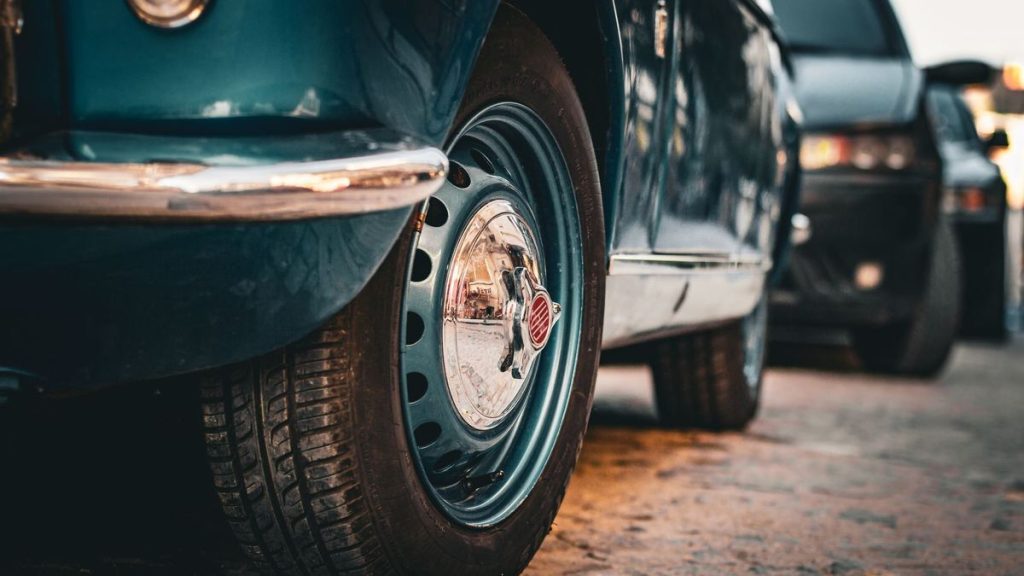
Krown T40 Rust Protection and Lubricant 14 oz 6-Pack: Self-Healing Petroleum Rust Inhibitor
- Petroleum-based, solvent-free formula
- Six 14 oz aerosol cans
- Stays fluid and heals over scrapes
- Spray, brush or dip application
T40 is the aerosol version of Krown’s Rust Protection and Lubricant, the same petroleum-based inhibitor the Canadian company uses in its dealer treatments. This listing packs six 14 oz cans. Krown describes the formula as solvent-free and self-healing: it stays fluid after spraying, pushes moisture off the metal and flows back over light abrasions so the barrier stays continuous.
The thinner consistency is the main practical difference from a lanolin film. It travels further into pinch welds, folded hems, door bottoms and the seams around a rocker panel, which suits unibody cars and crossovers with a lot of joints. The listing also lists spray, brush or dip application, and the oil doubles as a lubricant for hinges, latches, cables and other moving parts.
Six cans give enough product for a reasonable underbody coat on a compact or midsize car, with some left for door and hood seams. Because the film is thin, less of it stays on wide, open surfaces that take direct spray from the tires, so wheel wells may need a second pass. Mask brake rotors and rubber parts, park over cardboard while it drips, and treat it as a yearly job.
View Krown T40 6-Pack on Amazon
Krown Rust Protection and Lubricant 4 L: Bulk Self-Healing Inhibitor for Gun Application
- 4 L jug of the Rust Protection and Lubricant oil
- Stays fluid and migrates over abrasions
- Rated for automotive, farm and marine use
- Lubricates hinges, cables and linkages
This 4 L jug carries the Krown Rust Protection and Lubricant name, the same product name used on the T40 aerosol, in a bulk size for owners who spray with an undercoating gun. The listing describes a barrier that helps keep moisture off metal and an oil that stays fluid, migrating back over abrasions instead of cracking or chipping the way a wax or hard coating can.
A jug makes sense when you treat more than one vehicle, or when a full truck frame would empty a case of aerosols. Krown lists automotive, trucking, farming, marine and industrial uses, and names body panels, seams, spot welds, electrical connections and trailers among the surfaces it covers. Between jobs it also works as a brush-on lubricant for hinges, levers, linkages and cables around the garage.
You need the right tool to get it under the car. An undercoating gun with a long wand and a compressor is the usual setup, and a pump-up garden sprayer is a poor match for a thick oil. Warm the jug indoors before spraying on a cool fall day, wash and dry the underside first, and keep the spray away from brake parts and rubber bushings.

What the Research Does and Does Not Show
Most of what you read online about these two comes from owners or from tests run by the brands themselves. That is not useless, but it is worth weighing with care. A maker’s salt spray panel shows how a film behaves on a flat steel coupon in a cabinet, not on a frame that gets sandblasted by slush for five months.
There is one peer-reviewed study on real cars. University of Windsor researchers, publishing in the journal Materials in 2022, measured visible corrosion on 369 vehicles sampled in Ontario. The 228 vehicles treated with Krown T40 showed significantly less measured corrosion than the 141 with no aftermarket protection.
The details matter. The study was observational, not a controlled trial, and Krown facilities were among its industrial partners. For vehicles up to four years old it found no significant difference between the groups; the gap appeared in older cars. It also did not include Fluid Film, so it says Krown beats doing nothing, not that Krown beats Fluid Film.

No neutral, published head-to-head of the two products exists that we could find. So treat claims of a clear winner with caution. What the evidence does support is simple: a yearly oil film on a salted vehicle helps, and the habit of applying it every fall counts for more than the brand on the can.
Matching the Film to Your Car and Your Habits
Start with where the vehicle lives and how much spraying you want to do yourself.
| Your situation | Better fit | Why |
|---|---|---|
| Pickup frame and open brackets, done in the driveway | Fluid Film aerosol | Heavier film stays on exposed steel |
| Car or crossover with many seams and pinch welds | Krown T40 aerosol | Thinner oil creeps into folds and joints |
| You own an undercoating gun and a compressor | Krown 4 L jug or a Fluid Film gallon | Bulk covers a full frame or several vehicles |
| Lots of rubber bushings near the spray area | Either, masked carefully | Fluid Film warns about non-oil-resistant rubber |
| Battery terminals, hinges and lock cylinders | Either | Both lubricate and both makers list these uses |
Timing matters as much as the product. In West Michigan, the window is usually October into early November, before the first brine trucks roll out. Spray on a dry day after the underside has been washed and given a day to dry. Cold, thick product sprays poorly; Fluid Film notes its bulk form gets heavier as it sits, so mix it well and let it reach room temperature before loading a gun.

Both films will drip for a few days, so park over cardboard and keep the spray off brake rotors and pads. Wipe any overspray from the rotor faces with brake cleaner before you drive. For the rest of your fall prep, our Michigan winter car maintenance checklist covers fluids, tires and wipers, and our winter car accessories roundup helps stock the trunk.
When Rust Has Gone Past a Spray Job
An oil film slows rust; it does not repair what is already weak. If you push a screwdriver into a frame rail and it goes through, or flakes come off in sheets, a can of anything only hides the problem. The same goes for brake lines, which on older Michigan cars often rust from the outside in along the frame.
Look over the steel lines, fittings and clips before you spray, because a coating makes it harder to spot early scale later. Our article on brake line rust explains what to look for. If a line looks swollen or a pedal feels soft, book brake repair in Grand Rapids first, and have rusted control arms or spring perches checked through our suspension repair service.
More Buying Guides
Frequently Asked Questions
Does Fluid Film or Krown last longer?
Neither maker publishes a fixed lifespan for an underbody coat, and no neutral test compares them. Owners often report Fluid Film staying a little longer on open frame surfaces because the film is heavier. On a salted Michigan car, plan to reapply either one every fall.
Can I spray Fluid Film over Krown, or the other way around?
Both are non-drying oil films, so one can go over the other once the surface has been washed and dried. Expect the combined layer to drip a little more at first. Stay with one product each year if you want to judge how well it holds up.
Are these sprays safe on rubber bushings?
Fluid Film says it does not harm plastics but warns that non-oil-resistant rubber may swell. Krown’s listing does not address rubber. Mask or avoid bushings, boots and brake hoses with either product, and keep the spray off rotors and pads.
Do I need a spray gun for the bulk versions?
Yes. Fluid Film says its bulk product needs an undercoating gun run at 70 to 100 PSI or an airless sprayer, not a pump-up garden sprayer. Krown’s 4 L jug suits a similar gun, or a brush for hinges and small parts.
Found more scale than you expected while you were under the car? Call 456 AutoFix at 616-279-3832, Monday to Friday 8am to 5pm, or ask for a brake line check on our contact page.
Busy during our hours? Our after-hours drop-off at 456 Carrier St NE, Grand Rapids, lets you leave the keys on your schedule.